Vera Intan Clara
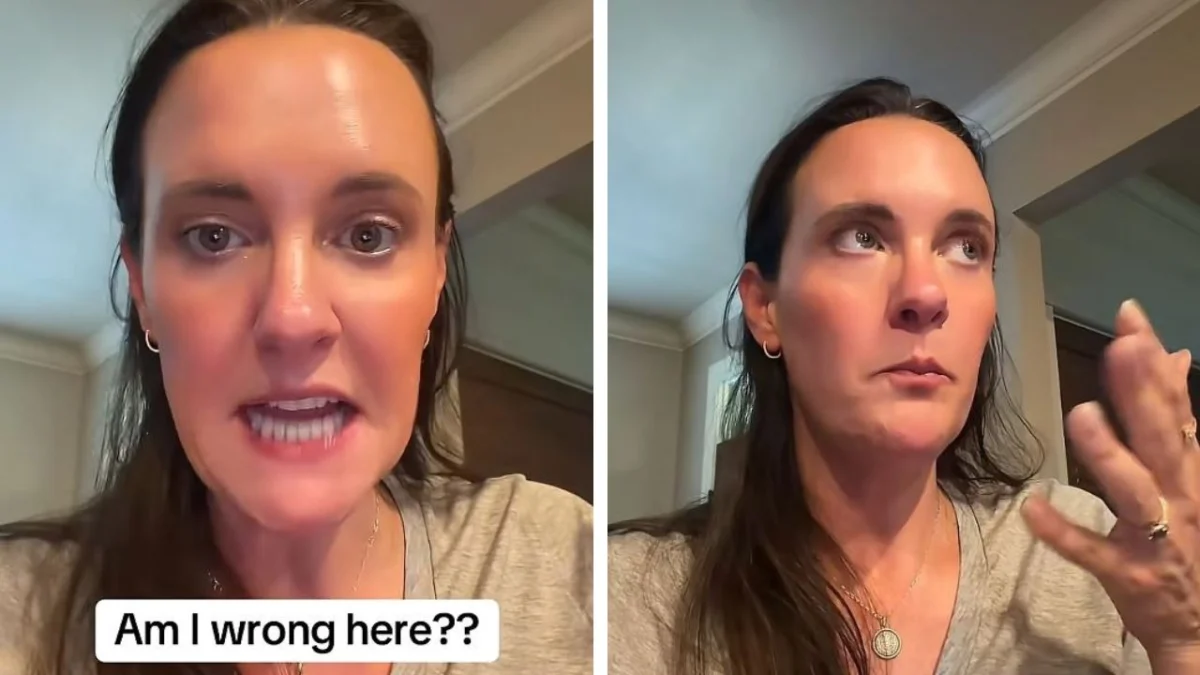
A recent video shared by TikTok creator Annie, known by her handle @cellow111, has resonated deeply across social media, accumulating nearly 930,000 views and garnering over 1,290 comments. The viral confession details her harrowing experience in a relationship with an ex-boyfriend whom she unequivocally describes as an emotionally manipulative "pathological liar." Annie’s candid account reveals a systematic pattern of deception that spanned various facets of his life, from fabricated personal traumas to an entirely fictitious career, leaving her emotionally scarred and grappling with profound trust issues.
The core of Annie’s narrative revolves around the shocking realization that her ex had constructed an elaborate facade, deceiving her about his life’s most fundamental aspects. She recounted discovering, post-breakup, that many of the shared experiences and vulnerabilities that initially forged their bond were entirely manufactured by him. This profound betrayal, particularly concerning his feigned personal trauma and a fabricated high-profile career, has sparked a significant conversation online about the insidious nature of emotional manipulation and the devastating impact of serial deception in romantic relationships. The video serves as a stark reminder of the challenges individuals face in discerning truth from fiction, especially within the intimate confines of a long-distance relationship. It is important to note, however, that the details of Annie’s relationship are based solely on her account shared on TikTok, and The Daily Dot has been unable to independently verify these claims. Annie has not publicly identified her ex or provided independent evidence supporting the allegations described in her viral video.
The Genesis of Deception: A Relationship Built on Fabrications
Annie’s journey into this deceptive relationship began innocuously enough, through a mutual friend. What started as a promising connection quickly deepened, she explains, fueled by what she believed were shared experiences of significant personal trauma. This purported common ground became the bedrock of their early intimacy, creating a sense of profound understanding and connection that Annie had never before encountered. For Annie, who openly admitted to having experienced considerable trauma as a child and subsequently developing a strong protective mechanism to conceal it, her ex represented a rare confidant. He was, she stated, the very first person she had ever felt safe enough to truly open up to about her deeply personal and painful past. This unprecedented vulnerability, she now understands, was expertly exploited, making their bond feel exceptionally meaningful and authentic at the time, thereby laying the groundwork for more elaborate deceptions.
The long-distance nature of their relationship further complicated matters. Annie and her ex reportedly saw each other only about once every six months, relying heavily on video calls, primarily FaceTime, for communication. While technology offers a lifeline for maintaining long-distance connections, it can also inadvertently create opportunities for misrepresentation. The lack of consistent physical presence and shared daily routines can make it easier for one partner to control the narrative of their life, carefully curating their image and experiences without immediate real-world verification. This geographical separation, in hindsight, likely provided a fertile ground for the subsequent layers of deceit to flourish, allowing the ex-boyfriend to maintain his fabricated reality with fewer immediate challenges.
Escalating Deceptions: Fabricated Crises and Career Charades
As the relationship progressed, the pattern of deception grew increasingly complex and manipulative. Annie recounted how her ex would frequently fabricate various distressing situations, seemingly designed to elicit her concern and reinforce her perception of him as a vulnerable individual in need of her care. As someone who identifies as a deeply caring and empathetic person, Annie found herself constantly worried about his well-being, reacting with genuine alarm whenever he presented a new crisis or problem. This tactic not only kept her emotionally invested but also subtly shifted the focus onto his supposed struggles, diverting attention from any inconsistencies in his story or behavior. Such emotional exploitation, where one partner leverages another’s empathy, is a hallmark of manipulative relationships, often leaving the victim feeling perpetually responsible for their partner’s emotional state.
One of the most significant and financially impactful deceptions involved a purported $5,000 reservation he claimed to have made for them. Annie explained that this lavish gesture was later weaponized against her. When she had to cancel a trip to see him due to work commitments, he allegedly used the cost of this "reservation" to induce guilt, making her feel responsible for a substantial financial loss that likely never occurred. This tactic, known as guilt-tripping, is a common manipulative tool designed to control a partner’s actions and decisions by preying on their sense of obligation or remorse.
The deceit reached a crescendo during the final three months of their relationship when her ex claimed to have launched his own company and assumed the role of CEO. This fabricated professional endeavor served multiple manipulative purposes. Firstly, it provided him with a convenient excuse to further limit the time they spent together, both virtually and in person. He would cite demanding business commitments as reasons for his unavailability, which, paradoxically, made Annie miss him even more and perhaps even admire his supposed ambition and success. Secondly, it projected an image of professional achievement and stability, enhancing his perceived value and desirability in Annie’s eyes. However, the truth, as Annie later uncovered, was far more mundane and cynical: the time he claimed to be dedicating to his burgeoning empire was, in reality, spent playing video games online. This revelation was particularly jarring for Annie, not because she valued material possessions or a partner’s career status — she explicitly stated that these factors were irrelevant to her — but because it underscored the sheer pointlessness and extent of his deception. There was no practical reason for him to lie about his career, suggesting a deeper, compulsive need to fabricate an idealized version of himself.
The Psychological Aftermath: Trust, Trauma, and Healing
The unraveling of these elaborate lies left Annie with profound emotional scars and a shattered sense of trust. The experience, she confessed, has made it exceedingly difficult for her to trust other men, particularly concerning their honesty about their past experiences and career aspirations. The deep emotional investment she had poured into the relationship, having genuinely believed they were on a path toward marriage and cohabitation, has transformed into a pervasive caution. She now approaches new relationships with a heightened sense of vigilance, carefully scrutinizing who she allows into her life and, more importantly, into her emotional space.
The trauma of being manipulated by a "pathological liar" is not a fleeting experience. Annie revealed that she still occasionally recalls other lies her ex allegedly told her, underscoring the lingering psychological impact. These sudden recollections serve as painful reminders of the extent of the deception and the emotional toll it continues to exact. The betrayal of trust, particularly when it involves fabricating deeply personal traumas and life circumstances, can shake a person’s sense of reality and self-worth, making the journey toward healing a protracted and challenging one. The emotional repercussions extend beyond the immediate pain of the breakup, impacting future relationships and a person’s fundamental ability to feel safe and secure with others.
Understanding Emotional Manipulation and Pathological Lying
Annie’s story sheds light on the dark corners of emotional manipulation and pathological lying, phenomena that are more prevalent than often acknowledged. Emotional manipulation involves one person using subtle, underhanded tactics to gain power and control over another, often by exploiting their vulnerabilities, emotions, or insecurities. This can manifest in various ways, from guilt-tripping and gaslighting to fabricating crises and projecting an idealized self-image. Pathological lying, on the other hand, refers to a compulsive and chronic pattern of deceptive behavior, often without any clear external motive or gain. Unlike typical lies told for a specific purpose, pathological liars often lie habitually, even when the truth would suffice or be less complicated. This behavior can be a symptom of underlying psychological conditions, such as narcissistic personality disorder, antisocial personality disorder, or other impulse control issues, where the individual lacks empathy and remorse, and is primarily driven by a need for attention, control, or self-aggrandizement.
Statistics underscore the widespread nature of emotional abuse within relationships. While physical violence is often more easily identifiable, emotional manipulation can be insidious and leave equally devastating, if not more profound, psychological wounds. Surveys suggest that a significant percentage of individuals, particularly women, report experiencing psychological aggression by an intimate partner. For instance, data from the National Coalition Against Domestic Violence (NCADV) indicates that millions of individuals experience various forms of abuse, with emotional and psychological abuse being pervasive, though harder to quantify precisely due to its subjective nature and lack of physical evidence. Long-distance relationships, while offering unique opportunities for connection, also present distinct challenges regarding trust and potential for deception. The geographical distance can reduce opportunities for independent verification of claims, making it easier for a manipulative partner to maintain a fabricated persona or lifestyle.
The psychological impact on victims of such manipulation is severe. Gaslighting, a common tactic where a manipulator makes their victim question their own memory, perception, or sanity, can lead to chronic self-doubt, anxiety, depression, and even a loss of identity. When someone you deeply trust and love consistently distorts reality, the victim can become disoriented and lose confidence in their own judgment. The erosion of trust, as experienced by Annie, can have long-lasting effects, making it difficult to form healthy attachments and believe in the sincerity of others. The constant stress and emotional turmoil can also manifest physically, impacting overall health and well-being.
The Digital Confessional: TikTok as a Platform for Shared Experiences
Annie’s decision to share her story on TikTok highlights a growing trend of individuals turning to social media platforms as digital confessionals. These platforms provide an accessible, albeit public, space for people to articulate their personal struggles, seek validation, and connect with others who have endured similar experiences. The virality of Annie’s video speaks volumes about the universality of her ordeal; her story resonated because countless others have either experienced or witnessed similar patterns of manipulation and deception in their own lives.
The comment section of Annie’s video became a microcosm of this shared experience. Users poured in with messages of support, empathy, and their own harrowing accounts of manipulative ex-partners. One commenter, for instance, articulated the collective outrage and sympathy, writing, "Genuinely sounds like a bad guy, no one deserved that. Like, genuinely, if you’re in a relationship don’t lie please. Cause tbh someone broke my heart gave me false hope which tbh really broke me." This sentiment reflects the widespread understanding of the damage caused by emotional betrayal and the pain of false hope. Another commenter offered words of encouragement, attempting to reframe Annie’s experience as a victory, stating, "Look at it this way: he’s most likely out there rn thinking about how badly he fumbled, meanwhile you were able to move on." These reactions underscore the power of online communities to foster solidarity and provide a sense of not being alone in one’s suffering, offering a vital space for emotional processing and collective healing.
Expert Commentary and Societal Implications
Relationship experts and mental health professionals frequently emphasize the importance of recognizing warning signs of emotional manipulation and pathological lying early in a relationship. These signs can include inconsistencies in stories, an excessive need for attention or admiration, a lack of empathy, a tendency to blame others, and a pattern of creating dramatic situations. They advise individuals to trust their instincts, establish clear boundaries, and seek support from trusted friends, family, or professionals if they suspect manipulation. The ease with which false personas can be constructed online, particularly in long-distance relationships where in-person interactions are limited, adds another layer of complexity. Experts often recommend taking time to truly get to know someone, observing their behavior over time, and ensuring that their words align with their actions.
Annie’s story contributes to a broader societal conversation about the insidious nature of emotional abuse, the importance of psychological literacy, and the need for greater empathy and accountability in interpersonal relationships. It highlights the often-invisible wounds inflicted by such abuse and challenges the societal tendency to dismiss "non-physical" forms of harm. As more individuals come forward with their stories on platforms like TikTok, there is a growing awareness and destigmatization of discussing these difficult experiences, which is crucial for fostering healthier relationship dynamics and empowering victims to seek help. However, the nature of online sharing also necessitates a critical approach; while these platforms offer a voice to many, the inability to independently verify personal narratives remains a significant challenge, requiring audiences to approach such content with a degree of discernment.
Navigating Recovery and Rebuilding Trust
For survivors of emotionally manipulative relationships, the path to recovery is often long and arduous, requiring significant self-reflection, emotional processing, and often professional support. Rebuilding trust, both in others and in one’s own judgment, is a central challenge. Therapy, particularly cognitive-behavioral therapy (CBT) or trauma-informed therapy, can be instrumental in helping individuals process the betrayal, heal from psychological wounds, and develop healthier coping mechanisms and relationship patterns. Establishing strong boundaries, engaging in self-care practices, and cultivating a supportive network of friends and family are also crucial components of the healing journey.
Annie’s viral video serves as a powerful testament to the enduring impact of emotional manipulation and the courage it takes to share such a deeply personal story. Her experience underscores the critical need for vigilance, self-awareness, and a commitment to fostering genuinely honest and respectful relationships. While her journey towards full recovery may be ongoing, her decision to speak out has undoubtedly provided solace and validation to countless others navigating similar painful realities, transforming a personal trauma into a public lesson on the profound importance of truth and integrity in human connections.