George Chandra Eka
Apple CarPlay has become an indispensable feature for millions of drivers worldwide, seamlessly integrating iPhone functionalities into a vehicle’s infotainment system. While the core experience offers a robust and intuitive interface, a suite of personalization options exists that can significantly elevate convenience, enhance safety, and tailor the in-car digital environment to individual preferences. These customization tweaks transform a standardized display into a highly efficient, driver-centric cockpit, ensuring that essential information and controls are always within easy reach and optimally presented.
The Evolution of In-Car Connectivity: CarPlay’s Genesis and Growth
The advent of smartphone integration into vehicles marked a pivotal shift in automotive technology, moving beyond rudimentary Bluetooth connections to full-fledged mirrored interfaces. Apple first unveiled "iOS in the Car" in 2013, which officially launched as CarPlay with iOS 7.1 in March 2014. This initial offering provided drivers with a safer, hands-free way to use their iPhone’s navigation, music, messages, and calls directly through the car’s built-in display and controls. The rationale was clear: leverage the familiarity and power of the smartphone interface to combat driver distraction caused by fiddling with phones or struggling with often-clunky proprietary infotainment systems.
Over the years, CarPlay has undergone significant enhancements, driven by successive iOS updates. Key milestones include the introduction of wireless CarPlay with iOS 9, eliminating the need for a physical cable connection, and a major redesign of the dashboard in iOS 13, which allowed for a split-screen view combining navigation, media, and suggestions. The integration of widgets, a long-requested feature, arrived with iOS 26 (as referenced in the original content, although typically widgets were refined over several iOS versions leading up to iOS 14 for iPhone home screens, and subsequently for CarPlay dashboards), providing glanceable information without navigating through multiple apps. The continuous refinement of Siri, particularly the major overhaul anticipated in iOS 27, promises to further enhance hands-free interaction, making voice commands more reliable and contextually aware, thereby bolstering safety.
Driving the Digital Frontier: CarPlay’s Market Penetration and Impact
CarPlay’s rapid adoption underscores its value proposition. As of late 2023, Apple reported that over 80% of new cars sold globally supported CarPlay, with more than 600 car models from over 80 different manufacturers offering the feature. This widespread integration reflects both consumer demand and car manufacturers’ recognition of the competitive advantage offered by robust smartphone connectivity. A study by Strategy Analytics in 2023 indicated that CarPlay (and its Android counterpart, Android Auto) were among the top five features consumers looked for when purchasing a new vehicle, often ranking higher than traditional performance metrics for some demographics. This data highlights a broader trend where the digital experience within a car is becoming as crucial as its mechanical performance or interior comfort.
The implications for driver safety are substantial. By projecting a familiar and simplified interface onto the car’s screen, CarPlay aims to minimize the cognitive load on drivers. According to research from the AAA Foundation for Traffic Safety, tasks like programming navigation or sending text messages using in-car infotainment systems can be highly distracting. CarPlay’s design, with its large icons, bold text, and emphasis on voice control via Siri, is specifically engineered to reduce glance time away from the road, aligning with guidelines from organizations focused on automotive safety. Apple consistently emphasizes that its design philosophy for CarPlay prioritizes safety, ease of use, and minimal distraction.
Tailoring the Interface: Core Customization Features
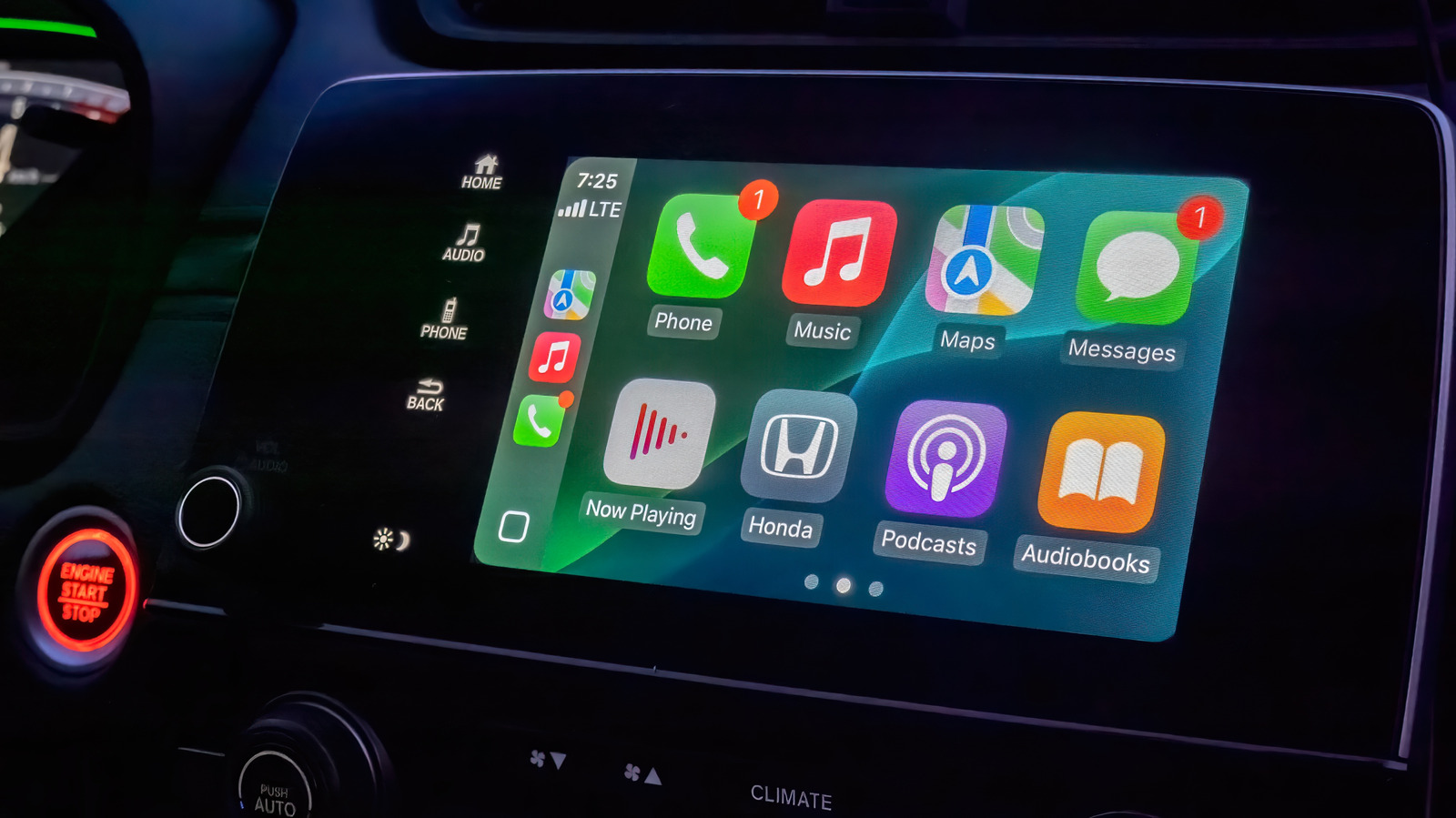
While CarPlay is designed for immediate usability, its true potential is unlocked through personalization. These adjustments allow users to fine-tune the display to their specific needs, mitigating common annoyances and enhancing the overall user experience.
-
Appearance Settings: Optimizing Visual Comfort and Readability
The visual presentation of CarPlay is foundational to its usability. By default, CarPlay employs a dark mode, a choice rooted in ergonomic design principles for automotive environments. Dark mode reduces glare and eye strain, particularly during nighttime driving or in low-light conditions, preventing the screen from becoming a distracting source of light. However, this default can sometimes hinder readability in bright daylight.Users can easily switch this setting by navigating to Settings > Appearance within the CarPlay interface. Here, the "Automatic" option is highly recommended. This intelligent setting leverages the vehicle’s ambient light sensor to dynamically switch between light and dark modes, ensuring optimal contrast and readability regardless of external lighting conditions. Light mode, with its brighter background and darker text, can significantly improve visibility during daytime drives. This adaptability is a key aspect of making CarPlay a comfortable and safe interface throughout varying driving conditions.
Beyond the basic light/dark toggle, CarPlay offers aesthetic personalization through wallpapers and icon packs. Accessed via Settings > Wallpaper, users can select from a curated collection of Apple-designed backgrounds. While the system does not currently allow for custom images from a user’s phone gallery, the available options provide a range of colors and patterns designed to complement various car interiors and personal tastes without introducing visual clutter that could distract from critical driving information. These wallpapers adhere to Apple’s minimalist design ethos, providing a subtle backdrop that enhances the interface without overwhelming it.
Similarly, the visual style of app icons can be adjusted. Within Settings > Customize Icons, users can choose between a standard dark icon pack or "clear icons" that align with Apple’s "Liquid Glass" design philosophy. This design, which debuted in recent iOS iterations, emphasizes transparency, depth, and subtle light effects, aiming for a more sophisticated and integrated look. These choices, while seemingly minor, contribute to the overall aesthetic coherence and user satisfaction with the interface.
For those with visual impairments or simply a preference for larger text, the Accessibility submenu offers options to alter text size. This crucial feature ensures that critical information, such as navigation directions or song titles, remains easily legible at a glance, further contributing to safety by reducing the need for drivers to strain their eyes or lean closer to the screen.
-
App Management and Widgets: Streamlining Access to Essential Functions
One of the most impactful customization features involves organizing the applications on the CarPlay home screen. Unlike the appearance settings, which are typically adjusted directly on the car’s display, app management is handled on the user’s iPhone. This separation ensures that complex configuration tasks are performed when the vehicle is stationary, minimizing potential distractions.To reorder apps, users navigate to Settings > General > CarPlay on their iPhone, select their vehicle, and then tap "Apps." This screen presents a list of all CarPlay-compatible applications installed on the iPhone. Users can drag and drop apps using the provided handles to rearrange their order. The goal is to place frequently used apps, such as navigation (Apple Maps, Google Maps, Waze), music streaming services (Spotify, Apple Music), and communication tools (Messages, WhatsApp), on the first page of the CarPlay display. The number of apps visible on each page varies depending on the car’s infotainment screen size and aspect ratio, making strategic placement critical.
Furthermore, apps that are rarely or never used in the car can be removed from the CarPlay display by tapping the "Remove" icon. While certain default Apple apps cannot be entirely uninstalled, they can be dragged to the last page or hidden from view, decluttering the interface. This ability to prune the app list ensures that the CarPlay screen remains focused on relevant functions, reducing cognitive overhead and search time while driving.
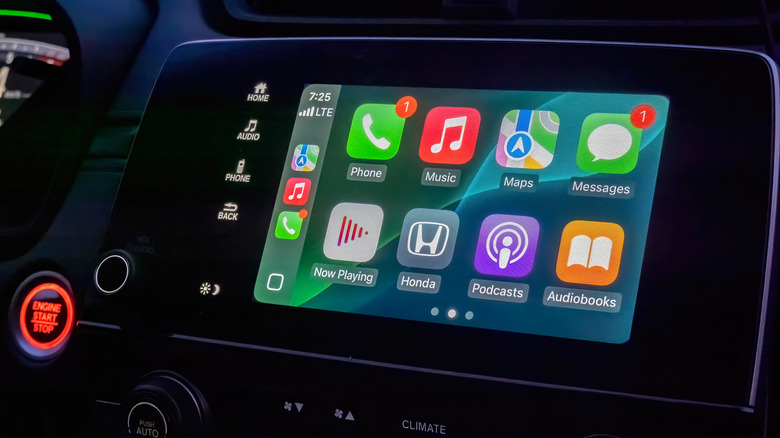
The introduction of widgets in CarPlay, first extensively rolled out with iOS 13’s dashboard and refined in subsequent updates (including the general widget support mentioned in iOS 26 context), was a significant enhancement. Widgets provide glanceable, real-time information without requiring the user to open a full application. They typically reside on a dedicated dashboard page, accessible by swiping right from the main app grid. Depending on the screen width, one or more stacks of widgets may be displayed simultaneously.
By default, CarPlay populates these stacks with widgets it deems useful, such as a clock, calendar events, media playback controls, and weather updates. However, customizing these widgets is essential for maximizing their utility. On the iPhone, within the same CarPlay settings page, users can tap "Widgets" to manage their selection. Here, the "Show Widgets" toggle should be activated. Users can then add, remove, or reorder widgets within each stack. For instance, a driver might prioritize a navigation widget showing upcoming turns, followed by a media playback widget, and then a calendar widget for immediate awareness of appointments. The available widgets are drawn from compatible apps installed on the iPhone, ensuring a dynamic and relevant selection. This level of customization allows drivers to create an information dashboard that truly reflects their immediate needs, minimizing the need for interaction and enhancing focus on the road.
Broader Implications and the Future of In-Car Technology
The ongoing evolution and customization options of Apple CarPlay have profound implications for both the automotive industry and the driving experience.
-
Impact on Automotive Design: CarPlay’s success has pushed car manufacturers to rethink their native infotainment systems. Many automakers now strive to offer interfaces that are as intuitive and visually appealing as CarPlay, or they have chosen to deeply integrate CarPlay, sometimes making it the primary interface. This trend has accelerated the adoption of larger, higher-resolution touchscreens in vehicle dashboards, fundamentally changing interior design philosophy.
-
Safety and User Experience: The primary benefit remains enhanced safety through reduced driver distraction. A well-customized CarPlay setup minimizes the time a driver’s eyes are off the road and hands are off the wheel. The intuitive nature of the iOS interface, combined with robust voice control, ensures that essential tasks can be performed with minimal effort and maximal focus on driving. This aligns with Apple’s overarching commitment to user experience and accessibility across all its platforms.
-
Competition and Ecosystem Lock-in: CarPlay is a crucial component of Apple’s broader ecosystem strategy, extending the iPhone user experience into the car. This creates a powerful incentive for iPhone users to choose CarPlay-compatible vehicles, potentially influencing purchasing decisions. It also positions Apple as a significant player in the automotive software space, competing with Android Auto and proprietary car manufacturer systems.
-
The Next Generation of CarPlay: Looking ahead, Apple has announced a "next generation of CarPlay" that promises even deeper integration with a vehicle’s core systems. Unveiled at WWDC, this future iteration aims to take over not just the infotainment screen but also the instrument cluster, climate controls, and other vehicle functions. It would allow CarPlay to display speed, fuel levels, engine temperature, and other vital vehicle information, offering a unified, Apple-designed interface across all screens in the car. This ambitious expansion signifies Apple’s intent to become an even more integral part of the driving experience, transforming the car itself into an extension of the iPhone. This deeper integration would allow for unprecedented levels of personalization, from the layout of virtual gauges to the presentation of climate control interfaces, all while maintaining Apple’s signature design language and commitment to usability. However, it also presents complex challenges regarding data sharing with car manufacturers and regulatory approvals.
In conclusion, Apple CarPlay, while excellent in its default configuration, truly shines when personalized. From subtle visual adjustments like dark mode and wallpaper choices to strategic organization of apps and widgets, these customization options empower drivers to create a safer, more convenient, and ultimately more enjoyable in-car digital environment. As CarPlay continues to evolve, promising even deeper vehicle integration, its role as a cornerstone of modern automotive technology is set to expand, further solidifying the smartphone’s influence on how we interact with our vehicles.