George Chandra Eka
Meta Platforms concluded its annual Connect conference for 2026, delivering a comprehensive showcase of new hardware, software enhancements, and a renewed commitment to its metaverse vision. The event, a crucial fixture in the bustling fall tech calendar, saw the unveiling of two distinct wearable categories: the highly anticipated Meta VR Glasses and an audio-only variant of its smart spectacles, alongside the third generation of Ray-Ban Meta AI specs. These announcements signal Meta’s aggressive strategy to solidify its position in the burgeoning augmented and virtual reality markets, introducing products designed for both immersive digital experiences and seamless real-world integration.
The conference, typically a platform for Meta to articulate its long-term technological roadmap, highlighted a dual approach: pushing the boundaries of high-fidelity virtual reality with its new VR Glasses while simultaneously broadening the appeal and functionality of its more discreet smart glasses lineup. Beyond hardware, Meta revealed significant updates to its AI capabilities, a novel hearing assistance feature, and an extensive array of entertainment content spanning gaming, movies, and sports, all slated for its expanding VR ecosystem. A notable development was the integration of the Muse AI agent across various devices, underscoring Meta’s ambition to infuse artificial intelligence into daily interactions. The announcements collectively paint a picture of a company investing heavily across the spectrum of mixed reality, from premium immersive devices to more subtle, everyday wearables.
Meta VR Glasses: A Leap Towards Mainstream Immersive Computing
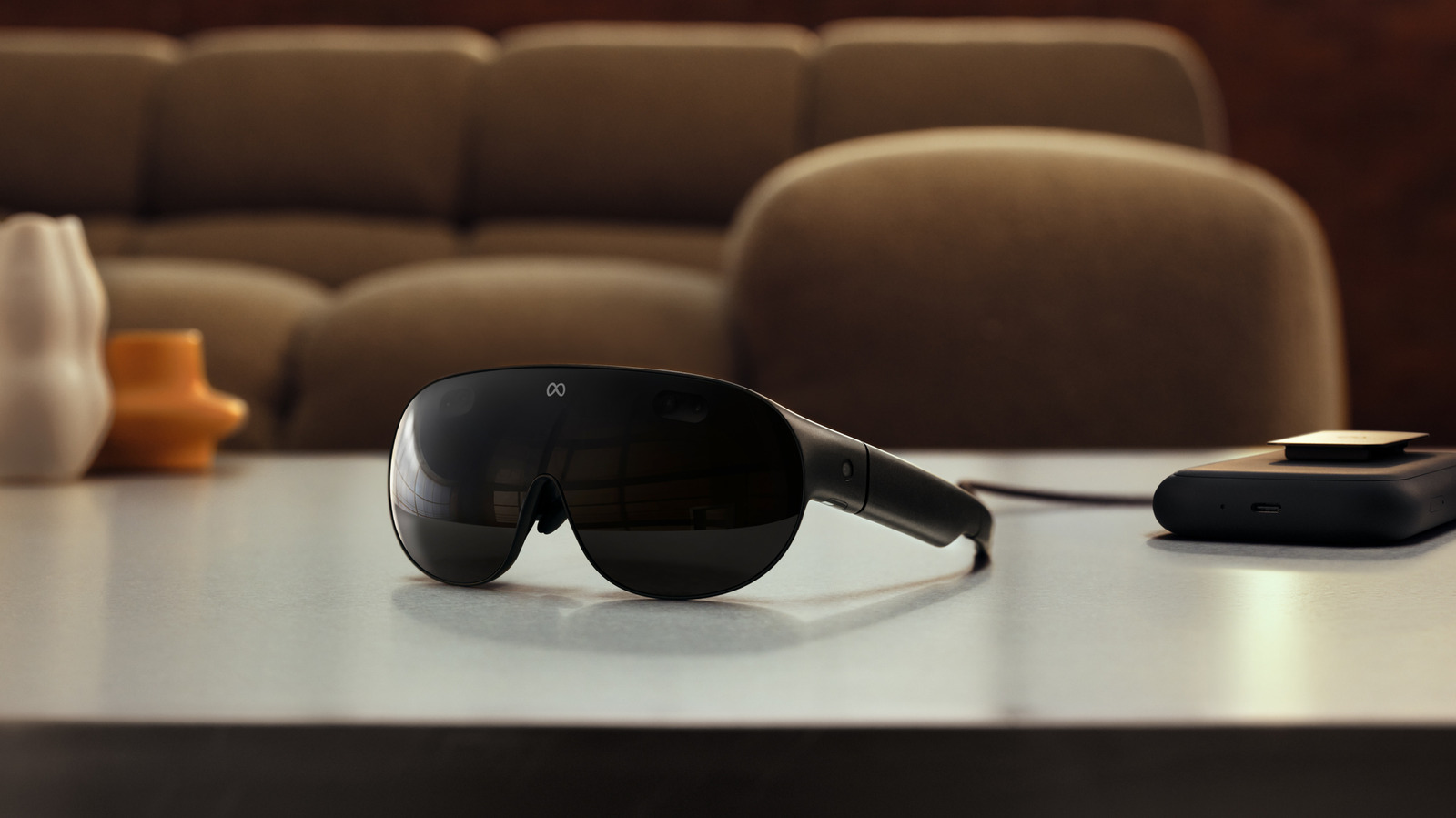
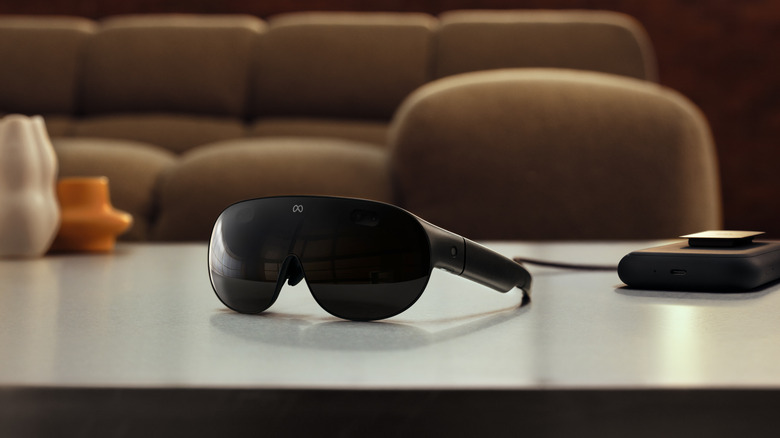
The undeniable centerpiece of Meta Connect 2026 was the official introduction of Meta VR Glasses, a product long rumored and eagerly anticipated since 2023. Adhering to its previously suggested 2027 timeline, Meta announced that these virtual reality glasses are set to launch in spring 2027, carrying a premium price tag of $1,300. This pricing strategy positions the device as a high-end consumer product, significantly more accessible than competitors like Apple’s Vision Pro, which launched at $3,499, yet still a substantial investment for early adopters.
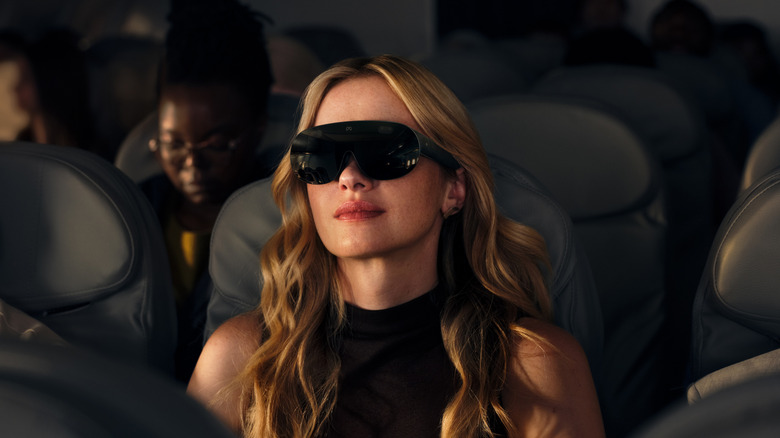
Meta has engineered its VR Glasses with a strong emphasis on comfort and visual fidelity. Weighing approximately 100 grams, they are an impressive five times lighter than the Meta Quest 3 headset, a critical factor for extended wear. The frames are crafted from a magnesium alloy, contributing to their lightweight yet durable design. The integration of advanced pancake lenses further reduces bulk while enhancing optical clarity.
Technologically, the Meta VR Glasses boast full-color passthrough video support, enabling users to seamlessly switch between virtual and real environments without removing the device. The visual experience is anchored by a 5K display, which Meta claims will offer "cinema-grade clarity," supported by Dolby Vision for superior HDR visuals and Dolby Atmos for immersive spatial audio. A significant industry first, the device is touted as the inaugural IMAX Enhanced certified VR device, promising an unparalleled cinematic experience within a personal wearable.
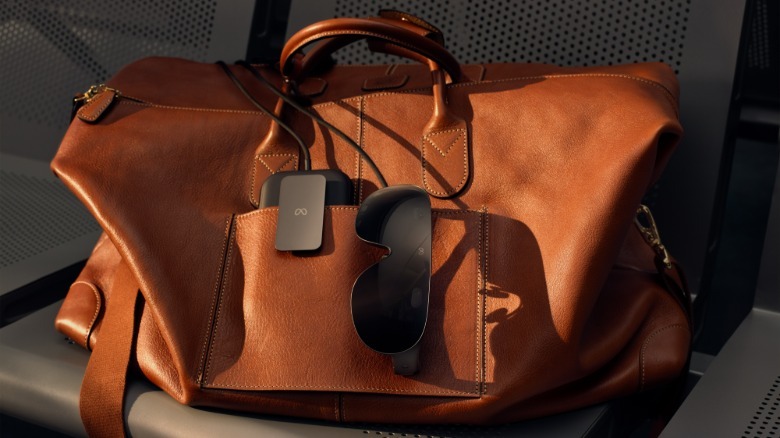
All computational heavy lifting for the VR Glasses is offloaded to a tethered puck, housing the storage, battery, and Qualcomm’s powerful Snapdragon Reality Elite chipset. This design choice allows the glasses themselves to remain remarkably lightweight, enhancing user comfort. The puck-based power system is designed to deliver "up to three hours of continuous high-resolution media playback" on a single charge and supports 45W fast charging, mitigating concerns about battery life for immersive sessions.
For gamers, the Meta VR Glasses will launch with an impressive library of 75 titles specifically optimized for hand gestures. Furthermore, they will be backward compatible with every game available for Quest headsets, utilizing Touch Plus controllers for a familiar gaming experience. The integration of Xbox Cloud Gaming will expand the entertainment options, although users should note Microsoft’s new time limits imposed on the streaming service. The flexibility to connect to other gaming devices wirelessly or via USB-C ensures broad compatibility.
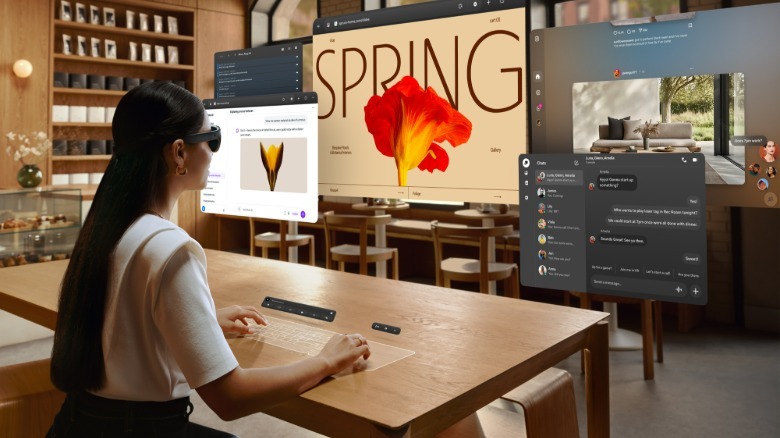
Beyond entertainment, Meta envisions the VR Glasses as a powerful tool for productivity, aligning with its metaverse aspirations. Users can connect the device to a Windows PC or Mac, interacting with a virtual keyboard and touchpad projected onto a desk or table. Traditional physical mouse and keyboard support is also available, offering versatility for professional use.
A cornerstone of Meta’s communication strategy for the metaverse, holographic avatars, will be supported on the VR Glasses. Similar to Apple Vision Pro’s spatial personas, these avatars can be used in video calls on popular apps like WhatsApp and Zoom. Participants joining from flatscreen devices will see the user’s hologram, while VR Glasses users will experience spatial audio that places other participants’ voices in their virtual location, creating a more natural and engaging communication experience. Meta AI is deeply integrated, allowing users to control the device through voice commands, eye movements, or hand gestures, offering a multifaceted input system designed for intuitive interaction.
Ray-Ban Meta Audio: Prioritizing Privacy and Everyday Utility
Acknowledging the "pervert glasses" label that has sometimes plagued camera-equipped wearables, Meta introduced a new audio-only model: the Ray-Ban Meta Audio glasses. This move signifies Meta’s intent to diversify its smart glasses offerings, providing a privacy-conscious option that focuses solely on auditory interaction and playback.
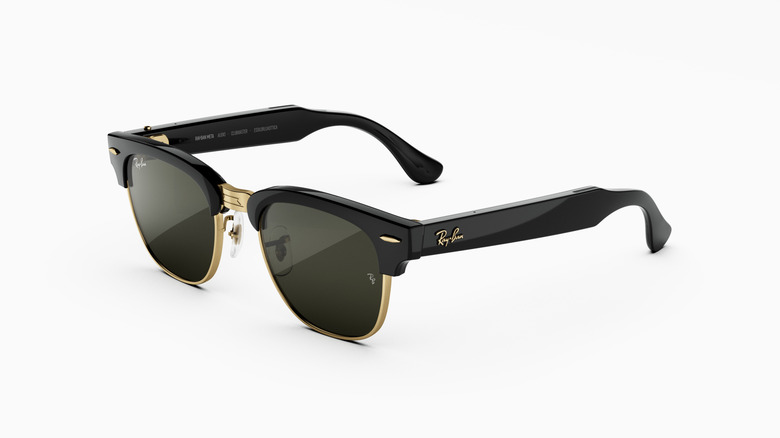
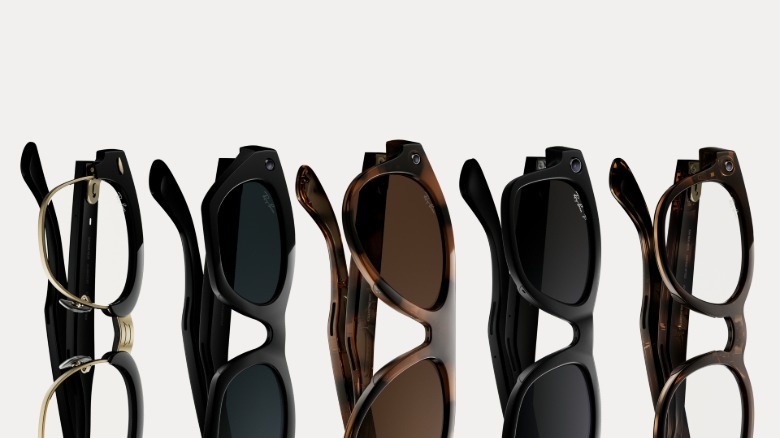
These new glasses come equipped with an AI voice assistant, supporting music and podcast playback, as well as voice calls. Designed for all-day wear, they weigh a mere 43 grams and feature professionally adjustable temple tips, adjustable or swappable nose pads, and overextension hinges, ensuring a comfortable and customizable fit. The Ray-Ban Meta Audio will be available in two classic Ray-Ban styles—the iconic Clubmaster and the more rectangular Burbank—with 23 color and lens combinations. Crucially, they also support prescription lenses, making them a practical choice for a broader user base.
Battery life is robust, offering up to 12 hours of use on a single charge, with the accompanying charging case extending total usage to an impressive 48 hours. Pre-orders for the Ray-Ban Meta Audio glasses commenced immediately after the Connect event, with shipping scheduled for October 13. The device is priced starting at $349, positioning it as an accessible entry point into Meta’s smart wearables ecosystem.
Ray-Ban Meta Gen 3 and Expanded Smart Glasses Portfolio
Meta also refreshed its camera-equipped smart glasses line with the third-generation Ray-Ban Meta specs. The Gen 3 model features a slimmer design and a dedicated button to trigger Meta AI. Enhancements include an improved battery life, now offering nine hours of continuous use compared to the previous generation’s eight. A six-microphone array significantly boosts audio clarity, with Meta claiming it can cut out over 90 percent of background noise during calls and recordings.
The integrated 12MP camera supports 3K video capture, and future updates will enable video recording with Dolby Atmos spatial audio, adding a new dimension to captured content. A dynamic photo feature allows users to snap multiple shots and select the best one, or let Meta AI suggest optimal choices.
Fashion remains a key aspect, with the Gen 3 glasses now available in Ray-Ban’s classic Aviator style, a new cat-eye frame called Zena, and the returning Wayfarer look. These are available in 27 combinations of lenses and colors, starting at $449. Special editions include an Aviator version in milky beige with brown Transitions lenses ($579, limited time), and collaborations with celebrity figures Kylie Jenner and Blackpink’s Lisa, starting at $399. Meta is also expanding the availability of its Essilor Luxottica glasses and other models into more international markets.
Furthermore, Meta introduced new models under its own-brand Meta Glasses range. The Meta Adventurer frames start at $249, featuring a black frame with gray lenses and a plug-in case. A limited-edition version of the Meta Fury with a clear frame and mirrored lenses was also announced. Pre-orders for the Adventurer opened immediately, with availability on October 23. This multi-tiered strategy for smart glasses aims to cater to diverse consumer preferences, from privacy-focused audio to advanced camera capabilities and fashion-forward designs.
Meta Ray-Ban Display: Enhanced Features and Global Expansion
Updates were also provided for the Meta Ray-Ban Display glasses, which integrate a subtle screen for augmented reality features. Meta announced a significant expansion of their market availability, bringing the model to the UK and Canada, where they are available for £749 and $1,149 CAD respectively. In the US, online ordering is now available for $799. Pre-orders also opened in Germany, France, and Italy at €899, with availability set for October 13 in those countries.
Feature enhancements for US and Canadian users include access to cycling and public transit directions in the heads-up navigation tool later this month. A more intuitive navigation experience will replace traditional turn-by-turn walking directions with landmark-based cues, instructing users to turn at specific visible points.
Holographic avatars will also be supported for video calls on Meta Ray-Ban Display, though users will need to create their avatars using the Meta AI app. This feature will first be supported for WhatsApp calls in the US this fall. The software ecosystem is being enriched with access to an array of web apps through the Meta AI app and Explore (accessible on the glasses). Additional capabilities include on-display photo editing, Dolby Atmos video capture, and mirrored phone notifications, enhancing the device’s utility and connectivity.
Hearing Enhancement Feature: A Step Towards Accessibility
In a move towards greater accessibility, Meta introduced a hearing enhancement feature for its smart glasses lineup. This feature is not designed as a substitute for a traditional hearing aid but rather as an aid for individuals who typically have normal hearing but may struggle in noisy environments, such as crowded restaurants or busy streets.
The setup process mirrors that of Apple’s AirPods Pro hearing aid feature, requiring users to listen to tones in a quiet room to allow the glasses to calibrate optimal settings. Activation is simple, initiated by the voice command, "Hey Meta, start hearing enhancement."
The feature will first roll out in the US later this year on Meta Glasses, with subsequent availability planned for the third-gen Ray-Ban Meta and Ray-Ban Meta Audio models. A 30-day trial will be offered, after which the feature will cost a one-off fee of $149, or be included as part of a Meta One subscription. Meta also confirmed that the hearing enhancement tool is eligible for FSA and HSA reimbursement, making it more accessible for many users. This initiative demonstrates Meta’s broader interest in integrating practical health and accessibility functions into its wearable technology.

VR Gaming: Beat Saber Revamp and Classic Franchises in VR
Meta Connect 2026 underscored Meta’s continued investment in the VR gaming sector, announcing major updates and new titles. Beat Saber, the popular rhythm game developed by Meta-owned Beat Games, is slated for its "biggest update ever" this spring. This update will introduce optional hand tracking support, allowing players to use natural gestures instead of Touch Plus controllers, offering a more intuitive and immersive experience.
A new single-player mode called Flux will debut, where players can utilize powers like the Flux Tether to slice through notes. This mode will launch with 35 songs from across the Beat Saber universe, with more content planned. Beat Games is also revamping the single-player campaign, adding a narrative element, fresh missions, and a new menu system. A new progression and rewards system will allow players to customize the game’s look and sound, enhancing replayability. Flux will be available on both Meta VR Glasses and Meta Quest headsets.
Supernatural, the VR exercise platform, is making a return to the Meta Horizon Store this fall. Following Meta’s widespread cuts in its VR and metaverse division earlier in the year, an independent development team has taken the reins. Existing users will find their points, streaks, and badges intact in the new app. The developers plan to introduce more HD environments, workouts, and music, alongside other upgrades, indicating a renewed focus on the platform’s growth.
The gaming lineup also includes several new titles and ports. Payday: Aces High, a heist title, is coming to Meta Quest 3 and 3S later this year, featuring co-op crossplay with its PC VR counterpart. An open playtest for Payday is scheduled for October 19. A mixed reality version of Tetris Effect will arrive on Meta VR Glasses next year, complete with hand-tracking support. Two Point Hospital is also on its way to Meta Quest 3 and 3S, incorporating hand-tracking capabilities.
Perhaps one of the most exciting announcements for long-time fans was the VR debut of the beloved Ace Attorney series. Phoenix Wright Ace Attorney: Dual Destinies, originally released on the Nintendo DS in 2013, is being adapted for Meta VR Glasses and Meta Quest next year. This VR version will support hand tracking and voice activation, allowing players to physically point at witnesses and famously exclaim "Objection!" This unique interactive element is expected to bring a new level of immersion and fun to the iconic legal drama.
VR Movies, Sports, and Expansive Entertainment Ecosystem
Meta is significantly amplifying its push into 3D and VR entertainment experiences across its headsets and the new Meta VR Glasses. Disney+ subscribers in select countries will gain the ability to stream 3D versions of popular films like The Avengers and Black Panther starting in November.

A groundbreaking initiative, "Disney Immersive Cinema by ILM," will offer VR Enhanced versions of iconic films such as Avengers: Infinity War and Star Wars: A New Hope for Meta VR Glasses owners next spring. Meta describes these experiences as transforming users’ surroundings with "immersive environments, dynamic effects, stunning 3D visuals and spatial audio," making viewers feel as if they are "not just watching a scene, but living inside it."
Original content is also on the horizon with Open Season, a docuseries premiering on the Meta Quest TV app on September 29. This series will provide an intimate look into the therapy sessions of Golden State Warriors player Draymond Green during the 2025-26 NBA season, marking the first entry in an original series titled "Meta Presents."
Furthermore, Meta plans to offer hundreds of 2D and 3D movies for purchase and rent in the US later this year, with a global expansion of the library coinciding with the launch of Meta VR Glasses. A new "National Geographic: Beyond" app will deliver 180-degree 3D experiences of the natural world. The ecosystem of streaming apps is also growing, with Amazon Prime Video, YouTube, DirecTV, AMC+, Crunchyroll, Plex, and Tubi already available, and Peacock, HBO Max, and Paramount+ set to offer 3D titles.
Sports entertainment is receiving a major boost. Beyond existing sports apps from the NBA and MLB, users will soon be able to access immersive sports content from ESPN, featuring 8K streaming with 180-degree views. This immersive sports coverage will begin with college football this year and expand to other sports in 2027. Owners of Meta VR Glasses will gain access to over 100 live sports events annually through Meta’s partnerships with major leagues and broadcasters, including MLB, NBC Sports, TNT Sports, and UFC, promising a truly dynamic and engaging way to consume live athletic events.

One More Thing: The Muse Charm
In a classic "one more thing" moment at the close of the keynote, Mark Zuckerberg briefly teased a new, enigmatic device dubbed the Muse Charm. Little is known about its full capabilities, but it was described as a dedicated piece of hardware designed to house a user’s personal Muse Agent.
Visually, the Muse Charm resembles a Tamagotchi, featuring a small display, integrated speakers and microphones, and a fingerprint sensor, all packed into a keychain-sized form factor. Zuckerberg stated that Meta has "packed the whole Muse experience, including the real-time voice and avatar stack into something that fits on a keychain and is always available to talk to." This suggests a highly portable, always-on AI companion distinct from Meta’s smart glasses or VR headsets. Meta has promised to share more details about the Muse Charm later this year, leaving much to the imagination regarding its precise function and how it integrates into the broader Meta ecosystem. This reveal indicates Meta’s exploration of AI beyond eyewear, potentially venturing into dedicated, personal AI hardware.
Broader Implications and Meta’s Strategic Trajectory

Meta Connect 2026 marks a significant inflection point for Meta, showcasing a matured and diversified approach to its metaverse ambitions. The launch of Meta VR Glasses positions the company firmly in the high-end, immersive computing space, directly challenging competitors with a device that prioritizes comfort, visual fidelity, and a robust content ecosystem. The strategic pricing suggests a desire to broaden the market for advanced VR experiences beyond the niche enthusiast segment.
Simultaneously, the extensive updates to the Ray-Ban Meta smart glasses line, including the introduction of an audio-only model, demonstrate Meta’s commitment to more subtle, everyday wearables. This dual strategy aims to capture both ends of the mixed reality spectrum – deep immersion and seamless real-world integration – addressing different user needs and privacy concerns. The focus on AI integration, exemplified by the Muse agent across all new devices and the intriguing Muse Charm, underscores Meta’s vision of AI as the central nervous system for its future hardware.
The aggressive expansion of VR gaming and entertainment content, from Beat Saber‘s major overhaul to immersive Disney films and live sports, is crucial for driving adoption and proving the value proposition of these new devices. By leveraging established franchises and partnerships, Meta is attempting to transform VR from a niche gaming platform into a mainstream entertainment hub. The introduction of the hearing enhancement feature further highlights Meta’s foray into practical, accessibility-focused applications, potentially positioning its wearables as tools for enhancing daily life beyond pure entertainment or productivity.
Overall, Meta Connect 2026 presented a coherent and ambitious vision. The company is not merely iterating on existing products but is launching new hardware categories and significantly enriching its software and content offerings. While the metaverse remains a long-term goal, the announcements indicate Meta’s immediate strategy is to build a compelling ecosystem of interconnected hardware and AI-powered experiences designed to bring elements of that future into the present. The success of these new products, particularly the Meta VR Glasses, will be a critical test of Meta’s ability to convert its technological prowess into widespread consumer adoption in a highly competitive and rapidly evolving mixed reality landscape.