George Chandra Eka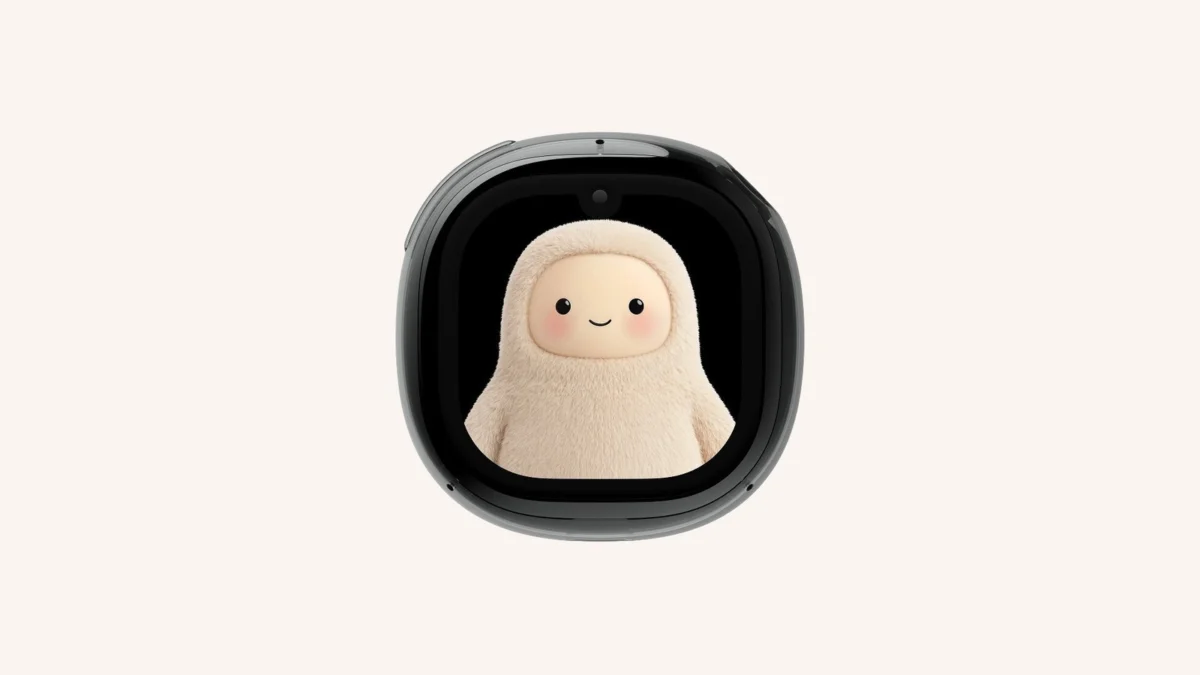
At its annual Connect event, Meta Platforms Inc. revealed a new, highly portable artificial intelligence device dubbed the "Muse Charm," presented on stage by CEO Mark Zuckerberg. The innovative gadget, designed to resemble a digital pet device akin to a Tamagotchi, integrates Meta’s advanced Muse AI directly into a keychain-sized form factor, signaling a significant step in the company’s ambition to embed AI into everyday life through dedicated hardware. This announcement underscores Meta’s deepening commitment to conversational AI and wearable technology, moving beyond the virtual realms of the metaverse to tangible, always-on AI companionship.
The Debut of Muse Charm: A New Paradigm for AI Interaction
During the Connect presentation, Mark Zuckerberg showcased the Muse Charm, highlighting its intuitive interaction model. Users initiate engagement with the integrated Muse AI by simply tapping a fingerprint sensor positioned at the corner of the device. The Charm features a compact screen displaying a small, animated, and interchangeable avatar, serving as the visual manifestation of the Muse AI. Zuckerberg emphasized the device’s technological prowess, stating that Meta has "packed the whole Muse experience, including the real-time voice and avatar stack into something that fits on a keychain and is always available to talk to." This statement underscores the company’s success in miniaturizing complex AI processing capabilities and real-time graphical rendering into a highly accessible form factor.
The revelation of the Muse Charm comes at a pivotal time for Meta, as the company continues to pivot and expand its focus beyond its foundational social media platforms and the nascent metaverse. By introducing a dedicated AI device, Meta is actively participating in the burgeoning market for ambient computing and wearable AI, a space increasingly populated by tech giants and innovative startups alike. The Charm’s design philosophy, evoking the nostalgic appeal of a Tamagotchi, suggests an attempt to create a friendly, approachable interface for AI, contrasting with more utilitarian or screen-centric AI interactions. This design choice could be a strategic move to foster a sense of companionship and personalization, encouraging continuous user engagement.
Meta’s AI Ambitions: The Genesis of Muse
The introduction of the Muse Charm is not an isolated event but rather a tangible manifestation of Meta’s extensive and long-term investments in artificial intelligence. For years, Meta has been a significant player in AI research and development, contributing foundational work to areas such as large language models (LLMs), computer vision, and multimodal AI. The company’s open-source Llama models, for instance, have been instrumental in democratizing access to powerful AI tools, fostering innovation across the industry. Muse AI itself represents the culmination of these efforts, positioning Meta as a frontrunner in developing conversational AI systems capable of natural language understanding, generation, and complex reasoning.
Meta’s AI strategy extends beyond theoretical research into practical applications across its diverse product portfolio. From enhancing content moderation and recommendation algorithms on Facebook and Instagram to powering virtual assistants within its Quest VR headsets, AI is deeply integrated into the Meta ecosystem. The development of AI personas, announced prior to the Muse Charm, further illustrates Meta’s vision for creating more engaging and personalized AI interactions. These personas, designed to embody distinct personalities and knowledge bases, aim to offer users a richer, more varied conversational experience. The Muse Charm appears to be a physical extension of this vision, offering a dedicated conduit for interacting with these advanced AI capabilities outside the confines of traditional devices.
The company has consistently allocated substantial resources to its AI division, recognizing AI as a core pillar for future growth and innovation. In its earnings calls and public statements, Meta has frequently highlighted its significant capital expenditures on AI infrastructure, including advanced data centers and specialized AI hardware. This strategic financial commitment underscores the company’s belief that leadership in AI is crucial for maintaining its competitive edge and realizing its long-term vision for connected experiences, whether in the metaverse or through novel hardware like the Muse Charm.
Design Philosophy and the Wearable AI Landscape
The Tamagotchi-like design of the Muse Charm is a deliberate choice that speaks to a broader trend in technology: making advanced capabilities accessible and non-intimidating. The original Tamagotchi, a digital pet that required constant attention, fostered a sense of responsibility and companionship among its users. By drawing this parallel, Meta appears to be aiming for a similar emotional connection with the Muse Charm, albeit with an intelligent AI rather than a simple digital creature. This approach could significantly lower the barrier to entry for users who might otherwise find interacting with a sophisticated AI daunting.
The Muse Charm also enters a rapidly evolving wearable AI market. Companies like Humane with its AI Pin and Rabbit with its R1 device have recently introduced dedicated AI hardware, signaling a collective industry belief that AI will increasingly move beyond smartphones into specialized, always-on form factors. These devices typically aim to streamline interactions, reduce screen time, and offer context-aware assistance through voice and gesture interfaces. Meta’s entry into this segment with the Muse Charm positions it as a direct competitor and innovator in this emerging space. The keychain form factor emphasizes extreme portability and constant availability, allowing for quick, discreet interactions without needing to pull out a smartphone. This "always available to talk to" promise is central to the value proposition of such devices, aiming to seamlessly integrate AI assistance into the flow of daily life.
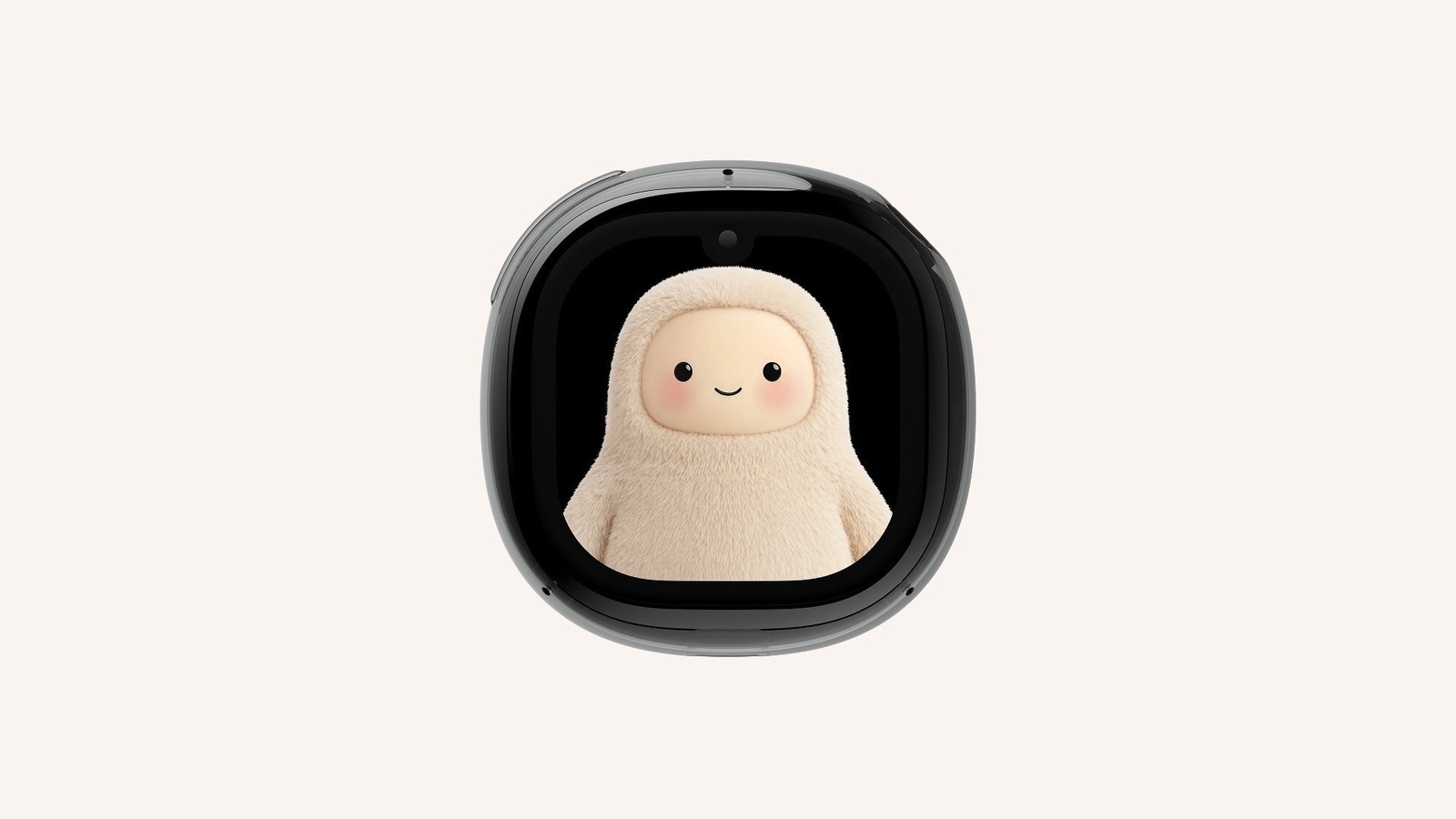
The animated avatar on the Muse Charm’s screen is another critical design element. Visual representation of AI can enhance user engagement and provide a sense of personality, making interactions feel less abstract and more human-like. The ability to interchange these avatars suggests personalization, allowing users to choose a visual style that resonates with them, further strengthening the perceived bond with the AI. This human-centered design approach is crucial for widespread adoption of AI companions, as users are more likely to integrate technology into their routines if it feels intuitive, personable, and adds tangible value.
Technical Hurdles and Development Status
Despite the ambitious vision, Meta has acknowledged that the Muse Charm is still in its early developmental stages. Mark Zuckerberg noted that the company is "still finalizing the Muse Charm’s components and design and has only built a few units so far." This candid admission highlights the significant engineering challenges inherent in developing such a device. Miniaturizing the "whole Muse experience," including real-time voice processing, natural language understanding, and avatar rendering, into a power-efficient, keychain-sized device is a formidable technical feat.
Key challenges likely include:
- Edge AI Processing: Determining how much of the AI processing occurs on the device itself (edge AI) versus relying on cloud-based servers. Edge processing offers lower latency and better privacy but requires powerful, yet efficient, embedded chipsets. Cloud reliance offers greater computational power but introduces latency and requires constant connectivity. The phrase "real-time voice and avatar stack" suggests a significant portion of the processing is intended to be on-device for a seamless experience.
- Battery Life: Maintaining sufficient battery life in a tiny form factor, especially for a device designed to be "always available," is a common hurdle for wearable electronics.
- Thermal Management: Packing powerful processors into a small enclosure can lead to heat dissipation issues, potentially affecting performance and user comfort.
- Component Sourcing and Manufacturing: Scaling production for a new, complex device from "a few units" to mass market availability by the holiday season in December presents significant supply chain and manufacturing challenges. This timeline suggests an aggressive development and production schedule.
- Data Privacy and Security: As an "always-on" listening device, the Muse Charm will inevitably raise questions about data privacy and how user conversations are processed, stored, and secured. Meta will need to articulate clear policies and build robust security features to earn user trust.
The company’s plan to ship the device in time for the December holidays indicates a strong strategic imperative to bring this product to market quickly, potentially to capitalize on early adopter enthusiasm and establish a foothold in the wearable AI segment. However, rushing development could also introduce risks related to product stability, user experience, and long-term viability.
Broader Impact and Strategic Implications for Meta
The Muse Charm represents more than just a new gadget; it signifies Meta’s evolving strategy and its ambition to redefine human-computer interaction. By placing its advanced AI into a dedicated, personal device, Meta is aiming to:
- Diversify Hardware Portfolio: Reduce reliance on third-party hardware platforms (like smartphones) and create direct channels for its AI services, similar to how Amazon developed Alexa-enabled devices or Google launched its smart home ecosystem.
- Deepen User Engagement: Provide an accessible, non-intrusive way for users to engage with AI, potentially leading to more frequent and natural interactions than app-based assistants.
- Data Collection and AI Improvement: Each interaction with the Muse Charm will likely contribute to Meta’s vast datasets, enabling further refinement and improvement of its underlying Muse AI models. This feedback loop is crucial for the continuous evolution of conversational AI.
- Ecosystem Integration: While details are sparse, it is reasonable to infer that the Muse Charm will eventually integrate with Meta’s broader ecosystem, including its social media platforms, VR/AR offerings, and smart glasses. This could create a cohesive, interconnected experience across Meta’s various products.
- Competitive Advantage in AI: In a fiercely competitive AI landscape dominated by giants like Google, OpenAI, and Microsoft, a distinctive hardware offering like the Muse Charm could provide Meta with a unique differentiator, showcasing its innovative capabilities in both software and hardware.
Industry analysts are likely to view the Muse Charm as a bold, albeit speculative, move by Meta. On one hand, it demonstrates the company’s commitment to pushing the boundaries of AI and hardware integration. On the other hand, the market for dedicated AI wearables is still nascent, and consumer adoption remains unproven. Success will hinge on several factors, including the actual utility and reliability of the Muse AI, the device’s battery life, its price point, and Meta’s ability to market it effectively as an essential companion rather than a novelty.
Future Outlook and Unanswered Questions
As Meta prepares for the Muse Charm’s holiday release, many details remain undisclosed. Critical information regarding pricing, specific functionalities beyond basic conversation, privacy features, and potential integrations with other Meta services will be eagerly awaited. Zuckerberg’s promise to "share more details about it soon" suggests a staggered information release, building anticipation ahead of the product launch.
The long-term success of the Muse Charm will depend not only on its technical capabilities but also on Meta’s ability to build consumer trust, especially concerning data privacy for an always-on listening device. Clear communication about data handling, user controls, and transparency in AI operations will be paramount. Furthermore, the device’s ability to evolve and adapt to user needs, perhaps through software updates and expanded functionalities, will be crucial for sustained engagement in a rapidly changing technological landscape.
In conclusion, the Muse Charm represents a significant stride in Meta’s journey to embed artificial intelligence more deeply and tangibly into daily life. By blending a nostalgic form factor with cutting-edge AI capabilities, Meta is poised to explore new frontiers in human-AI interaction. While challenges remain in development, manufacturing, and market adoption, the Muse Charm underscores Meta’s unwavering commitment to AI as a transformative technology, potentially heralding a new era of personal, always-on AI companions.