Vera Intan Clara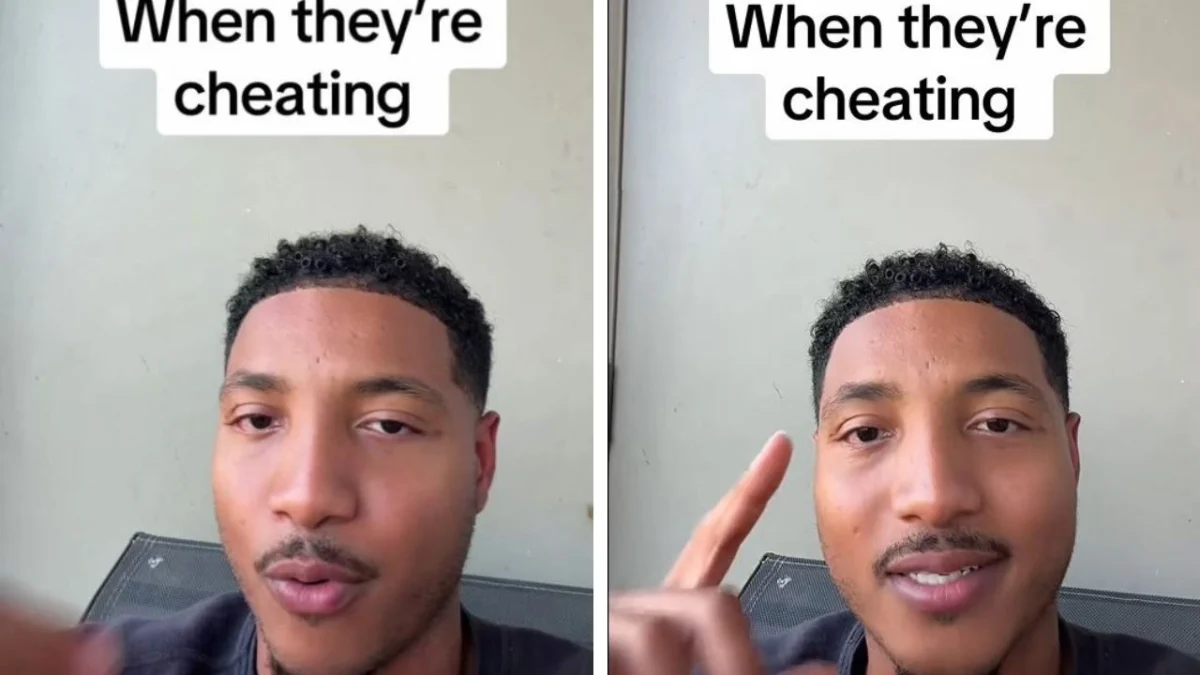
A TikTok video posted on September 19, 2026, by creator @bustuh ignited a significant online discussion, detailing four specific behavioral patterns he posited were common to men engaged in infidelity. The video rapidly gained traction, accumulating over 25,000 likes and nearly 500 comments as of its publication, underscoring the widespread public interest and personal resonance of the topic. The creator initiated his discourse by asserting a person could be "meeting every need" within a relationship and still fall victim to cheating, further suggesting that most individuals experience an "intuitive itch" — a vague sense of unease — prior to discovering infidelity, without being able to precisely articulate its source. This viral content piece tapped into a deeply personal and often painful experience for many, offering a framework for understanding behaviors that can precede the revelation of a partner’s unfaithfulness.
The Rise of Relationship Red Flags on Social Media
The proliferation of platforms like TikTok has transformed the landscape of relationship advice and shared experiences. In an era where personal narratives and anecdotal observations can reach millions instantaneously, discussions around "red flags" in relationships, toxic dynamics, and infidelity have found a massive audience. These videos often serve as both a source of validation for those who have undergone similar experiences and a cautionary guide for others. The virality of @bustuh’s video is indicative of a broader societal trend where individuals turn to social media for insights into complex interpersonal issues, seeking patterns and explanations for events that often leave them feeling blindsided and confused. While offering a sense of community and shared understanding, such content also necessitates critical consumption, as the insights provided are largely observational and not substitutes for professional psychological or relationship counseling.
Unpacking the Four Behavioral Patterns of Infidelity
The core of @bustuh’s video revolved around four distinct behaviors, each presented as a potential indicator of a partner’s infidelity. These patterns, while anecdotal, resonate with common observations in relationship psychology and the narratives of individuals who have experienced betrayal.
1. Flaw-Finding: The Justification Mechanism
The first behavioral pattern identified by @bustuh was termed "flaw-finding." This behavior manifests as a sudden and repeated tendency for a partner to highlight perceived differences or shortcomings in someone they previously treated with patience, understanding, and affection. The creator described this as a "cowardly way of proving to themselves that their decision is justified." From a psychological perspective, this behavior aligns with the concept of cognitive dissonance. When an individual engages in an action that conflicts with their self-perception or moral code (such as cheating), they experience psychological discomfort. To alleviate this dissonance, they may subconsciously or consciously seek to rationalize their behavior. By magnifying the flaws of their partner, they create an internal narrative that paints the partner as "deserving" of the betrayal or the relationship as "unworthy" of fidelity. This self-deceptive mechanism allows the cheater to reduce their own guilt and maintain a positive self-image, even while acting in ways contrary to it. For the unsuspecting partner, this sudden shift can be profoundly confusing and damaging, eroding their self-esteem and creating a sense of inadequacy that is entirely unwarranted.
2. Increased Effort with Decreased Intention: The Image Management Tactic
The second pattern described was an apparent increase in the time and attention a cheating partner dedicates to the relationship, paradoxically coupled with a noticeable drop in the quality of that attention. @bustuh characterized this as "more effort with less intention." He explained that while the sheer quantity of time spent together might rise, the gestures become less thoughtful, less genuine, and more performative. This behavior, he suggested, functions as a form of "image management" aimed at reassuring the unsuspecting partner that nothing is amiss. Psychologically, this can be understood as an attempt to overcompensate. The cheater, burdened by guilt or the fear of discovery, might increase their visible investment in the relationship as a smokescreen. The "effort" is transactional rather than emotional, designed to deflect suspicion rather than foster genuine intimacy. Such gestures might include buying gifts without real thought behind them, agreeing to spend more time together but being emotionally distant during that time, or engaging in superficial displays of affection. For the partner on the receiving end, this can lead to a sense of emotional void despite physical presence, a feeling that something is fundamentally "off" even if the visible signs suggest increased engagement.
3. Projection: The Guilt-Driven Accusation
The third behavior, labeled "projection," involves cheaters accusing their partners of the very same infidelity they are engaged in themselves. The TikToker attributed this pattern to deep-seated guilt, drawing parallels to emotions like jealousy and pride, suggesting that guilt "rots the beholder over time" and eventually surfaces as baseless accusations directed at the innocent partner. Projection is a well-documented psychological defense mechanism where individuals unconsciously attribute their own unacceptable thoughts, feelings, or impulses to another person. In the context of infidelity, a cheater’s guilt and shame can be so overwhelming that they project their own transgressions onto their partner. This serves multiple purposes: it deflects attention from their own actions, attempts to normalize their behavior by suggesting the partner is doing the same, and can even be an unconscious cry for help or a form of self-punishment. The impact on the accused partner can be devastating, leading to gaslighting, self-doubt, and a breakdown of trust, even when they are entirely innocent. They might find themselves constantly defending their loyalty against accusations that have no basis in reality, further isolating them and making them question their own sanity.
4. Abrupt Isolation: The Facilitator of Secrecy
The final behavioral pattern highlighted was an abrupt and significant shift toward wanting more time alone, distinctly different from a normal desire for personal space. @bustuh contended that this kind of isolation "is just being able to cheat in a safer way." He advised that a sudden change in a partner’s desire for solitude, unaccompanied by any tangible shifts in their job, friend group, or personal circumstances, should not be disregarded. This desire for isolation serves practical purposes for a cheater, providing the necessary time and privacy to engage in illicit activities without immediate oversight. Beyond the practical, it can also reflect a growing emotional distance from the primary relationship. The cheater may be investing their emotional energy elsewhere, leading to a diminished desire for intimacy or connection with their established partner. For the partner, this sudden withdrawal can feel like a profound rejection, leading to feelings of loneliness, confusion, and suspicion. The creator concluded this point by stating that he believes depression and cheating are the only two reasons a man would isolate from a partner he otherwise trusts, urging viewers not to feel foolish for noticing these signs.
Broader Context: Infidelity Statistics and Psychological Underpinnings
While @bustuh’s video provides anecdotal observations, the phenomenon of infidelity is a complex and extensively studied area in relationship psychology. General statistics on infidelity vary widely depending on methodology, definition, and demographics, but studies often suggest that a significant percentage of relationships are affected by it. For instance, research indicates that between 20% to 40% of married individuals engage in extramarital affairs, with similar or higher rates observed in cohabiting or dating relationships.
The reasons for infidelity are multifaceted, ranging from unmet emotional or sexual needs within the primary relationship, individual psychological vulnerabilities (e.g., low self-esteem, thrill-seeking, attachment issues), situational opportunities, to revenge or a desire to end the relationship. The behaviors described in the TikTok video can be seen as symptomatic of these underlying motivations and the internal conflict experienced by individuals who choose to be unfaithful. Psychologists often point to factors such as a decline in relationship satisfaction, poor communication, lack of commitment, and individual predispositions as contributors to infidelity. The patterns of flaw-finding, performative effort, projection, and isolation are consistent with the psychological maneuvers individuals employ to manage guilt, secrecy, and the cognitive dissonance that arises from their actions.
The Impact on Victims: Echoes of Shared Pain
The comments section of @bustuh’s video became a powerful testament to the emotional devastation caused by infidelity, with viewers sharing their own raw and painful experiences. One commenter described discovering "over 5 women" after checking her partner’s phone, leading her to immediately leave the relationship without further conversation. This account highlights the abrupt and undeniable nature of such discoveries, often leaving no room for discussion or reconciliation. Another viewer recounted being "blindsided" after eight years in a relationship, leading to a profound loss of trust in future partners. This illustrates the long-term psychological scarring that infidelity can inflict, eroding one’s capacity for vulnerability and belief in fidelity. A particularly poignant comment came from a woman five months postpartum who found messages between her partner and someone else, expressing the crushing feeling of being "discarded me like I was nothing." This narrative underscores the heightened vulnerability individuals often experience during significant life transitions, making betrayal feel even more cruel and impactful.
These shared experiences underscore the severe psychological trauma inflicted upon victims of infidelity, which can include feelings of shock, anger, grief, betrayal, anxiety, depression, and a significant blow to self-esteem. The loss of trust extends beyond the unfaithful partner, often permeating future relationships and impacting one’s overall sense of security and well-being. The comments section, therefore, served as a crucial space for collective validation and catharsis, offering a sense of not being alone in such a deeply personal ordeal.
Implications and Critical Considerations
The viral dissemination of content like @bustuh’s video has several important implications. On one hand, it raises public awareness of potential indicators of infidelity, potentially empowering individuals to trust their intuition and address issues in their relationships. The creator’s encouragement not to feel foolish for noticing signs, even if worried about being perceived as controlling, speaks directly to a common dilemma faced by those who suspect betrayal.
However, it also presents challenges. The generalized nature of social media advice risks fostering paranoia or suspicion in otherwise healthy relationships. While the patterns described may be present in cases of infidelity, they can also, in isolation, be indicative of other issues such as stress, depression, or personal struggles unrelated to cheating. For instance, a desire for more alone time could genuinely stem from a demanding job or personal mental health challenges. Therefore, interpreting these "red flags" requires careful consideration and, ideally, open communication within the relationship, rather than immediate condemnation.
The Daily Dot’s disclaimer, stating an inability to independently verify the commenters’ experiences and clarifying that the details reflect the creator’s stated views and individual accounts, is crucial. It highlights the imperative for media outlets and consumers alike to approach such content with a critical lens. While social media provides a platform for sharing valuable lived experiences and observations, it is not a substitute for professional relationship counseling, psychological assessment, or evidence-based research.
Conclusion: Navigating Relationships in the Digital Age
The viral success of @bustuh’s TikTok video on September 19, 2026, serves as a powerful illustration of how social media has become a significant arena for discussing complex, sensitive, and deeply personal relationship issues. By articulating four specific behavioral patterns — flaw-finding, increased effort with decreased intention, projection, and abrupt isolation — the creator provided a framework that resonated with thousands. The subsequent outpouring of personal stories in the comments section underscored the profound and often devastating impact of infidelity on individuals’ lives and their capacity for trust.
While such content offers validation and raises awareness, it also necessitates a balanced perspective. Recognizing potential red flags can be empowering, but it is equally important to avoid jumping to conclusions based solely on anecdotal observations. Healthy relationships thrive on communication, trust, and mutual respect. When suspicions arise or behavioral changes are observed, open dialogue, coupled with professional guidance if needed, remains the most constructive path forward. The conversation sparked by @bustuh’s video highlights an enduring human need to understand, process, and heal from the pain of betrayal, even as the medium for that conversation evolves with the digital age.