Garick Elordi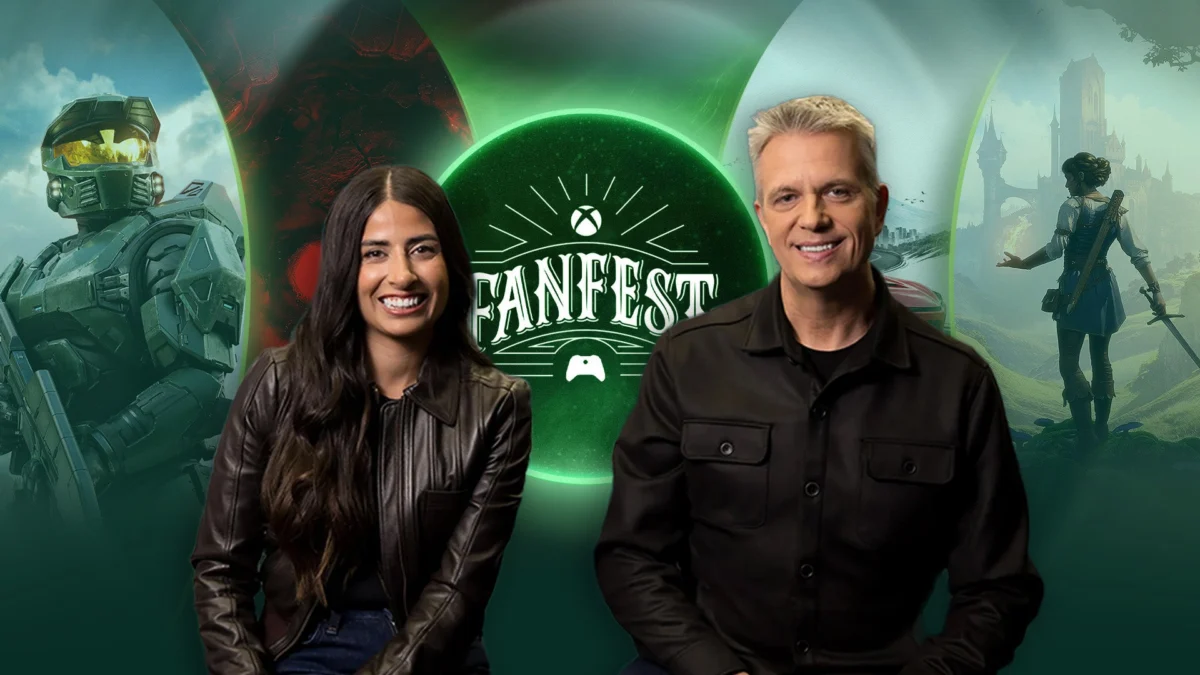
The global gaming landscape is currently navigating a period of profound instability, and Microsoft’s Xbox division remains at the center of the volatility. This week, the company initiated a second major wave of layoffs and a fundamental corporate restructuring that has sent shockwaves through its internal development community. This latest series of cuts follows an earlier reduction of nearly 1,900 employees in early 2024, signaling a broader strategy of consolidation and cost-cutting following the massive $68.7 billion acquisition of Activision Blizzard. Beyond the immediate loss of personnel, the restructuring marks a significant shift in administrative oversight, with several high-profile studios being moved from direct Xbox management to the supervision of either Bethesda Softworks or Activision.
The Dissolution of Ninja Theory and Studio Closures
The most immediate and poignant impact of this restructuring is the announced closure of Ninja Theory. Based in Cambridge, UK, Ninja Theory has long been regarded as a premier "arthouse" developer within the Triple-A space, known for its focus on high-fidelity performance capture and psychological narratives. The studio’s most recent project, Senua’s Saga: Hellblade II, was a centerpiece of Xbox’s marketing efforts as recently as June 2026, where it was showcased during the Xbox Games Showcase.
The decision to shutter the studio so soon after a major marketing push has led to significant criticism from both industry analysts and fans. Public sentiment on platforms such as Reddit and various gaming forums suggests a deep sense of "whiplash," with observers questioning the logic of promoting a studio’s creative output while simultaneously planning its dissolution. Some analysts suggest that the high-profile showcase may have been an attempt to inflate the studio’s perceived value for a potential sale that ultimately did not materialize, or a final effort to recoup development costs before a predetermined exit.
Ninja Theory’s history with Microsoft began in 2018 when it was acquired as part of a strategy to bolster Xbox Game Studios’ portfolio of narrative-driven, single-player experiences. The studio’s closure is seen by many as a signal that Microsoft is pivoting away from experimental, artistic titles in favor of franchises with more predictable, high-volume sales potential.
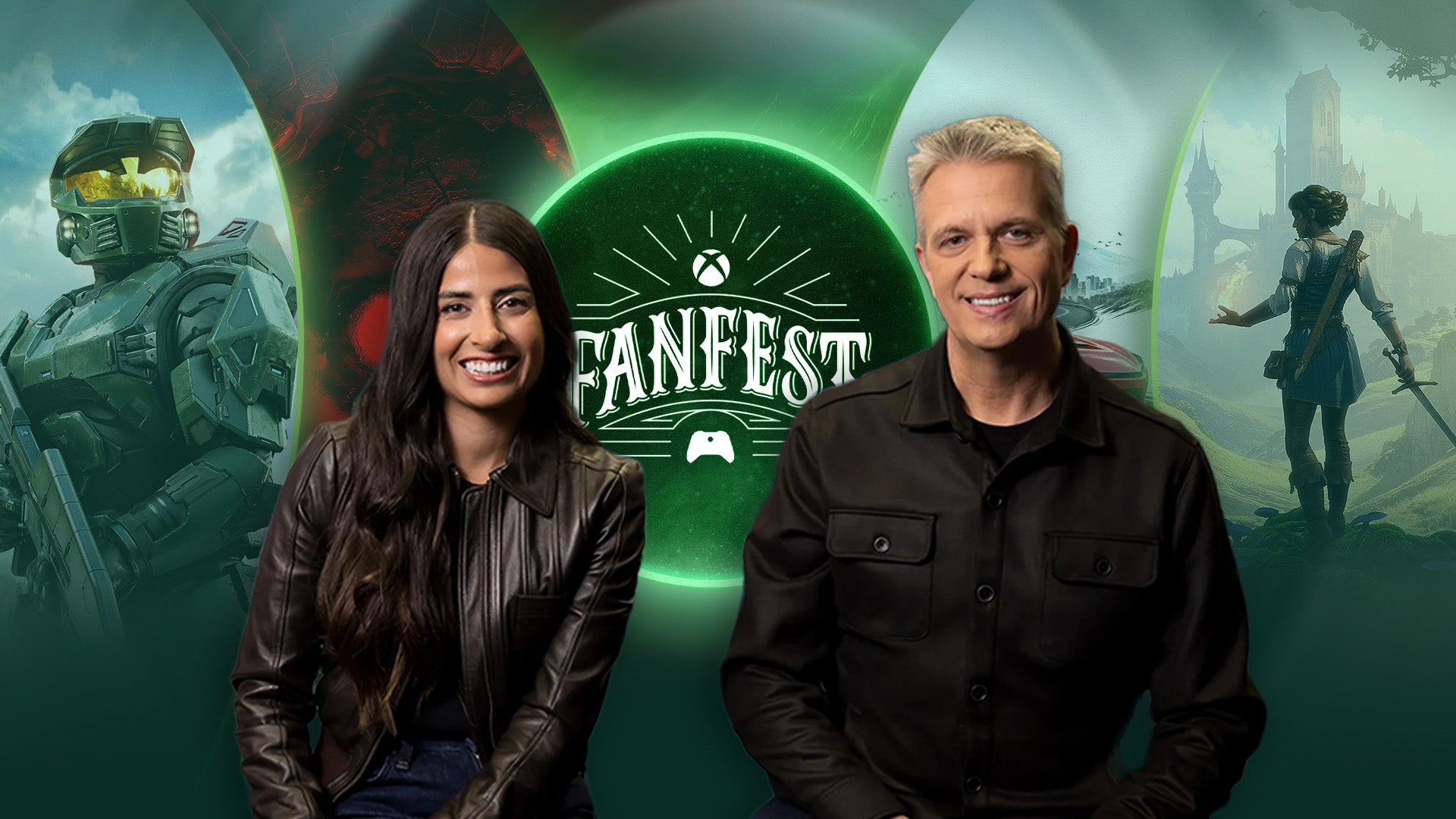
Strategic Realignment: The Activision and Bethesda Oversight Shift
The restructuring has introduced a new hierarchy within Microsoft’s gaming division. In a move that effectively decentralizes direct Xbox management, several studios have been placed under the "overlord" status of Activision and Bethesda. This realignment is intended to streamline operations and leverage the publishing expertise of these two massive entities, but it has raised concerns regarding the creative autonomy of the affected studios.
The realignment is structured as follows:
- Obsidian Entertainment has been moved under the management of Bethesda Softworks.
- Halo Studios (formerly 343 Industries), World’s Edge, and Rare have been moved under the management of Activision.
- Turn 10 Studios and Playground Games have been merged into a singular racing and open-world entity.
This shift represents a significant departure from the "hands-off" approach Microsoft previously touted when acquiring these studios. By placing Obsidian under Bethesda, Microsoft appears to be consolidating its Western RPG talent, potentially to accelerate the development of the Fallout and Elder Scrolls franchises. Conversely, placing legacy brands like Halo and Age of Empires under Activision suggests a move toward the live-service, high-monetization model that has defined Activision’s success with the Call of Duty franchise.
The Impact on Halo Studios and World’s Edge
The restructuring has been particularly harsh on the teams responsible for Microsoft’s most iconic franchises. Halo Studios, the entity that took over the Halo brand from Bungie, has been essentially dismantled in its previous form. This follows years of leadership turnover, including the departures of Kiki Wolfkill and Bonnie Ross. Under the new Activision-led structure, the future of the Master Chief remains uncertain. While Halo remains a flagship IP, the move to Activision oversight suggests that future entries may adopt a more aggressive seasonal content model similar to Warzone.
World’s Edge, the studio overseeing the Age of Empires franchise, has reportedly seen its workforce reduced by half. While Age of Empires II: Definitive Edition remains a staple of the real-time strategy (RTS) community, the layoffs have led to fears that long-term support for the title may be winding down. The community response has been somber, with many longtime players expressing concern that the specialized knowledge required to maintain a balanced, competitive RTS environment may be lost during the transition to Activision’s management.

Obsidian Entertainment and the Bethesda Integration
Obsidian Entertainment, the creators of Fallout: New Vegas and The Outer Worlds, now finds itself reporting to Bethesda. This move is logically consistent given that both entities specialize in large-scale RPGs, yet it poses questions for Obsidian’s unique creative identity. Bethesda leadership has publicly stated that Obsidian’s "creative identity and strengths" will be preserved, but the practicalities of corporate synergy often dictate otherwise.
Current projects at Obsidian include:
- Grounded 2: Currently in Early Access, this title appears to be safe due to its strong performance and community engagement. Xbox memos have explicitly stated that Obsidian will continue work on this franchise.
- The Outer Worlds 2: While a Premium Edition with a DLC pass has been sold, the lack of news regarding the promised expansions has left fans anxious about the sequel’s timeline.
- Avowed: Set in the Pillars of Eternity universe, Avowed is Obsidian’s most ambitious upcoming fantasy RPG. However, reports that the game missed internal sales targets or development milestones have led to speculation that Obsidian may eventually be repurposed as a support studio for Bethesda’s primary franchises, such as Fallout 5.
The Consolidation of Racing: Turn 10 and Playground Games
The racing genre, once a cornerstone of the Xbox identity, is also seeing a contraction. Turn 10 Studios, the developer of the Forza Motorsport series, is being integrated into Playground Games, the studio behind the highly successful Forza Horizon spin-offs. This move follows the lukewarm reception of the most recent Forza Motorsport, which struggled to maintain a player base compared to the more accessible, open-world Horizon series.
Industry insiders suggest that Turn 10 may no longer exist as a standalone entity in any meaningful capacity. The merger indicates that Microsoft is prioritizing the "Horizon" brand of racing, which offers more opportunities for live-service integration and broad-market appeal, over the niche, technical simulation market occupied by Motorsport.
Rare and the Sea of Thieves Dilemma
Rare, the legendary UK-based studio, has transitioned to Activision oversight without the same level of layoffs seen elsewhere. However, the move has sparked a debate within the Sea of Thieves community. The pirate-themed live-service game has been a consistent performer for Xbox, but recent player sentiment suggests a growing dissatisfaction with the game’s technical state and monetization strategies.

The prospect of Activision management has led to two distinct schools of thought among players. One group fears the "Call-of-Duty-fication" of the game, anticipating an influx of immersion-breaking skins and more aggressive microtransactions. The other group, frustrated by perceived stagnation under Rare’s independent management, wonders if Activision’s rigorous production schedules might actually improve the frequency and quality of content updates.
Furthermore, the cancellation of Rare’s experimental project, Everwild, and rumors of a Sea of Thieves sequel or spin-off suggest that Microsoft is narrowing Rare’s focus to proven commodities rather than new, unproven intellectual properties.
Broader Industry Implications and Financial Analysis
The restructuring at Xbox is reflective of a wider trend in the gaming industry, where massive conglomerates are struggling to balance the rising costs of Triple-A development with the demands of shareholders. Microsoft’s acquisition of Activision Blizzard was intended to make Xbox a dominant force in mobile gaming and live services, but the integration process has proven to be expensive and complex.
Key Data Points:
- Acquisition Cost: $68.7 billion for Activision Blizzard.
- Layoff Scale: Over 2,500 employees across 2024 and 2025 (estimated based on reported waves).
- Market Pressure: The slowing growth of the Xbox Game Pass subscription service has forced Microsoft to look for internal efficiencies and increased per-title revenue.
By delegating studio management to Activision and Bethesda, Xbox leadership—including Phil Spencer and Sarah Bond—appears to be moving toward a more traditional publishing model where internal studios must justify their existence through immediate financial viability rather than long-term brand building.

Conclusion: A Precarious Future for Xbox Studios
The second wave of layoffs and the subsequent restructuring mark the end of an era for Xbox’s "prestige" studio acquisitions. The closure of Ninja Theory and the downsizing of Halo and Age of Empires teams suggest that even the most storied franchises are not immune to the pressures of corporate consolidation. As Obsidian, Rare, and others adjust to their new management under Bethesda and Activision, the industry will be watching closely to see if Microsoft can maintain its creative diversity or if it will become a monolith focused solely on a handful of mega-franchises. For the hundreds of developers affected by these cuts, the week remains a somber reminder of the volatility inherent in the modern gaming industry.