George Chandra Eka
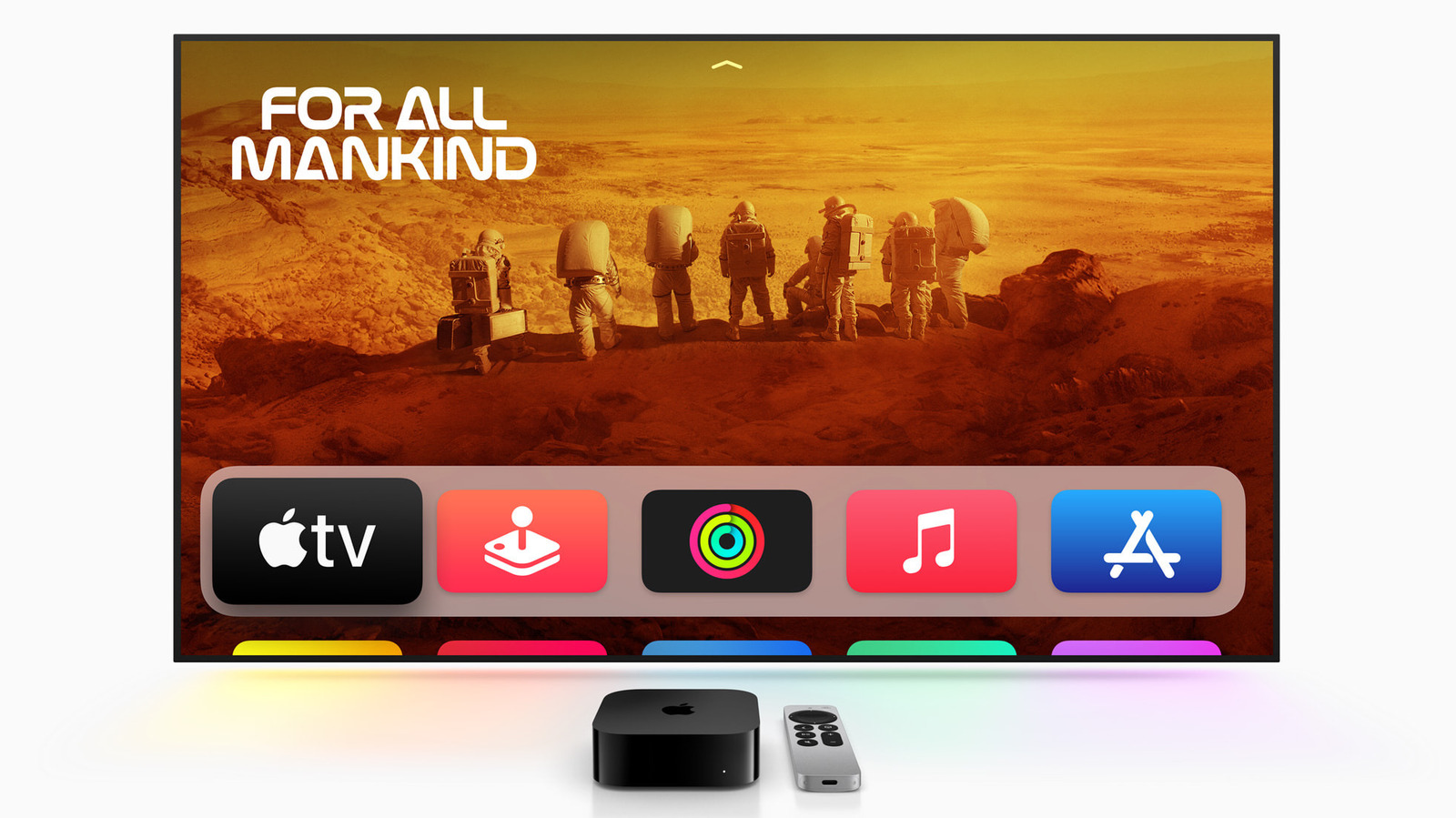
Subscribers to Apple’s streaming platform, Apple TV, have faced a significant and ongoing service disruption, rendering the platform inaccessible since the afternoon of September 30. The outage, which began around 4:43 PM ET, initially coincided with a broader series of technical issues that temporarily affected several other critical Apple services, including the iOS and Mac App Stores, Apple Music, Fitness+, and various subscription and AppleCare+ purchasing functionalities. While the majority of these related services were swiftly restored within a few hours, Apple TV has remained stubbornly offline, sparking concern among users and drawing attention to the complexities of managing vast digital ecosystems.
A Snapshot of Disruption: The Initial Hours
The first signs of trouble emerged on September 30, with user reports of difficulties accessing various Apple services beginning in the early afternoon. By 4:43 PM ET, Apple TV officially became unavailable, a status quickly confirmed by frustrated users attempting to stream content like the latest episodes of popular series such as Ted Lasso. Simultaneously, Apple’s System Status page, a public-facing dashboard detailing the operational health of its services, began reflecting widespread issues. Indicators turned yellow or red for a range of offerings, signaling performance degradation or complete outages.
For a period, the digital landscape for millions of Apple users was fragmented. The inability to download new applications from the App Stores, stream music through Apple Music, or engage with Fitness+ workouts underscored the interconnectedness and critical role these services play in daily digital life. However, Apple engineers appeared to rapidly address the issues affecting most services. Updates to the System Status page showed a gradual return to normal functionality for the App Stores, Music, and Fitness+ by late evening on September 30, with their statuses reverting to green and marked as "Resolved" or "Operating Normally."
The prolonged inaccessibility of Apple TV, however, stands in stark contrast to the swift resolution seen across its sibling services. As of the latest updates, the streaming platform continues to display an outage notice, leaving subscribers without access to their purchased content, rentals, or Apple TV+ subscriptions. This sustained downtime raises questions about the specific nature of the issue affecting Apple TV and why its recovery has proven more challenging than that of other, seemingly equally complex, services.
Apple’s Services Ecosystem: Scale and Stakes
The incident highlights the immense scale and strategic importance of Apple’s services division. Over the past decade, Apple has significantly diversified its revenue streams beyond hardware sales, with services emerging as a pivotal growth engine. The company’s quarterly earnings frequently showcase the robust performance of this segment, which includes everything from iCloud storage and Apple Pay to the App Store and its expanding suite of subscription offerings like Apple Music, Apple Arcade, Apple News+, Apple Fitness+, and, critically, Apple TV+.
Apple TV+, launched in November 2019, has aggressively pursued original content, investing billions into high-quality productions. Shows like the Emmy-winning Ted Lasso, the critically acclaimed Severance, and epic sagas such as Foundation have garnered significant viewership and critical praise, establishing Apple TV+ as a serious contender in the fiercely competitive streaming market. While Apple does not disclose specific subscriber numbers for Apple TV+, industry estimates place it in the tens of millions globally, contributing significantly to Apple’s overall services revenue, which surpassed $85 billion in the last fiscal year.
The platform’s appeal extends beyond original content to its broader role as a hub for accessing third-party streaming apps, purchasing and renting movies and TV shows, and even offering live sports packages. Consequently, an outage of this magnitude doesn’t just impact Apple TV+ subscribers but also disrupts the entertainment consumption habits of a much wider user base that relies on the Apple TV app for their primary viewing experience across various devices—from iPhones and iPads to Apple TV set-top boxes and smart TVs. The disruption therefore touches a critical nerve in Apple’s strategic expansion into the home entertainment sector and its commitment to providing a seamless, "it just works" experience across its ecosystem.
The Official Stance: "Scheduled Maintenance" and Its Ambiguity
Apple’s public communication regarding the outage has primarily been through its System Status page. For the initial broader disruptions, the notices stated that services "may be unavailable due to scheduled maintenance." This boilerplate explanation, while standard for many tech companies undergoing routine updates or infrastructure work, carries a degree of ambiguity when applied to an unexpected, widespread outage. For the Apple TV service, this same message has persisted for an extended period, leading to speculation about whether the issue is genuinely related to pre-planned maintenance that encountered unforeseen complications, or if "scheduled maintenance" serves as a general descriptor for internal system work that has gone awry.
Typically, "scheduled maintenance" implies a planned window of downtime, often occurring during off-peak hours, with advance notice provided to users. The sudden onset of the September 30 outage, combined with its widespread impact, suggests that if it was indeed scheduled maintenance, it either encountered a critical bug during deployment or was an emergency maintenance operation triggered by an underlying issue. The fact that other services were restored quickly while Apple TV remains offline further complicates this narrative, hinting at a unique and persistent problem specific to the streaming platform’s infrastructure or software stack.
Apple is known for its relatively reserved public statements regarding technical issues, often preferring to communicate through its System Status page rather than issuing detailed press releases for every service interruption. This approach, while maintaining a consistent message, can leave users and the media seeking more specific information, especially when an outage extends for a significant duration. The absence of a more detailed explanation fuels user frustration and highlights the tension between a company’s need for internal operational control and the public’s desire for transparency during service disruptions.
User Frustration Mounts Across Social Platforms
The prolonged Apple TV outage has not gone unnoticed by its user base, with social media platforms becoming a primary outlet for expressions of frustration, requests for information, and even humorous takes on the situation. Hashtags related to #AppleTVdown and #AppleOutage trended on platforms like X (formerly Twitter) and Reddit, as users shared their inability to access content.
Many subscribers voiced disappointment at missing new episodes of their favorite shows, particularly those who follow a weekly release schedule. The cultural impact of Ted Lasso, for instance, meant that many users were specifically trying to catch up on or rewatch episodes, only to be met with error messages. For those who had rented or purchased movies, the inability to access their paid content was particularly galling, raising questions about potential compensation or extensions for affected rentals.
Beyond individual viewing habits, the disruption also impacted families and individuals who rely on Apple TV as a central entertainment hub. The convenience of a unified platform for streaming, gaming, and accessing digital libraries is a key selling point for Apple, and its unavailability undermines that promise. User comments ranged from polite inquiries to more pointed criticisms of Apple’s perceived lack of communication and the unexpected duration of the downtime. The incident serves as a stark reminder of how deeply integrated streaming services have become into daily routines and how quickly user satisfaction can erode when these services falter.
Broader Implications for Trust and Competition
A prolonged service outage, particularly for a high-profile platform like Apple TV, carries broader implications beyond immediate user inconvenience. It can subtly erode the perception of reliability that Apple has meticulously built over decades. The company’s "it just works" mantra is a cornerstone of its brand identity, and disruptions to core services challenge this fundamental promise. While occasional outages are an unavoidable reality for any large-scale tech operation, extended downtime for a premium service can lead to a questioning of system robustness and infrastructure resilience.
In the highly competitive streaming landscape, reliability is a critical differentiator. Subscribers have a plethora of choices, from Netflix and Disney+ to Amazon Prime Video and Max. While many users are deeply embedded in the Apple ecosystem, a prolonged outage might prompt some to consider alternative platforms for their primary entertainment needs, especially if they perceive Apple’s services as less dependable. The barrier to switching between streaming services is relatively low, making consistent performance paramount.
Furthermore, the incident underscores the inherent challenges in managing vast, global cloud infrastructure. Apple’s services are supported by a complex network of data centers, servers, and software systems designed to handle billions of requests daily. Even with extensive redundancy and fail-safes, a single point of failure or a cascading software bug during a maintenance operation can have widespread effects. The differentiation between the quick recovery of services like the App Store and the persistent issue with Apple TV suggests a more intricate problem within the latter’s architecture, possibly related to content delivery networks (CDNs), database management, or specific application-level components.
Understanding Service Interruptions in the Digital Age
Service interruptions in the digital age are multifaceted and can stem from a variety of causes, even during planned "scheduled maintenance." While the term often suggests a smooth, controlled upgrade, real-world deployments of new software or infrastructure changes can sometimes uncover unforeseen incompatibilities or bugs. Common causes for such outages include:
- Software Bugs: A new code deployment or an update to an existing system can introduce errors that destabilize the service.
- Hardware Failures: Critical server components, network equipment, or storage systems can fail, requiring complex recovery procedures.
- Network Issues: Problems with internal routing, external internet service providers, or content delivery networks (CDNs) can prevent users from accessing services.
- Database Problems: Corruption, overload, or synchronization issues within critical databases can render services inoperable.
- Configuration Errors: Incorrect settings applied during maintenance or system updates can inadvertently break functionality.
- Cascading Failures: A seemingly minor issue in one part of a distributed system can trigger a chain reaction, leading to broader outages.
Given Apple’s "scheduled maintenance" notice, the most plausible scenario involves an unforeseen complication arising during a planned update or system upgrade specific to Apple TV’s infrastructure. The prolonged nature of the outage indicates that engineers are likely grappling with a particularly stubborn or complex problem that is preventing a straightforward rollback or fix. This could involve data integrity checks, rebuilding critical components, or isolating a deeply embedded software issue. The company’s standard operating procedure would involve a dedicated team of engineers working around the clock to diagnose, troubleshoot, and restore functionality, prioritizing stability and data integrity above all else.
Looking Ahead: Resolution and Reassurance
As the Apple TV outage extends, all eyes remain on Apple’s System Status page for updates. The immediate priority for Apple’s engineering teams is undoubtedly the full restoration of service, ensuring that all subscribers can access their content without further disruption. Once the service is back online, the focus will likely shift to a thorough internal post-mortem analysis to understand the root cause of the prolonged downtime and implement measures to prevent similar occurrences in the future.
From a user perspective, transparency, even if delayed, will be key to rebuilding confidence. While Apple rarely issues public apologies for service outages, a clear explanation (even if high-level) once the issue is resolved, or perhaps a gesture of goodwill such as extended subscription periods for affected users, could go a long way in reassuring its subscriber base. For a company that prides itself on delivering a premium, seamless user experience, the prolonged Apple TV outage serves as a critical test of its operational resilience and its commitment to its vast ecosystem of services. The resolution of this incident will be closely watched by both industry analysts and, more importantly, the millions of users eagerly awaiting the return of their favorite shows.