Vera Intan Clara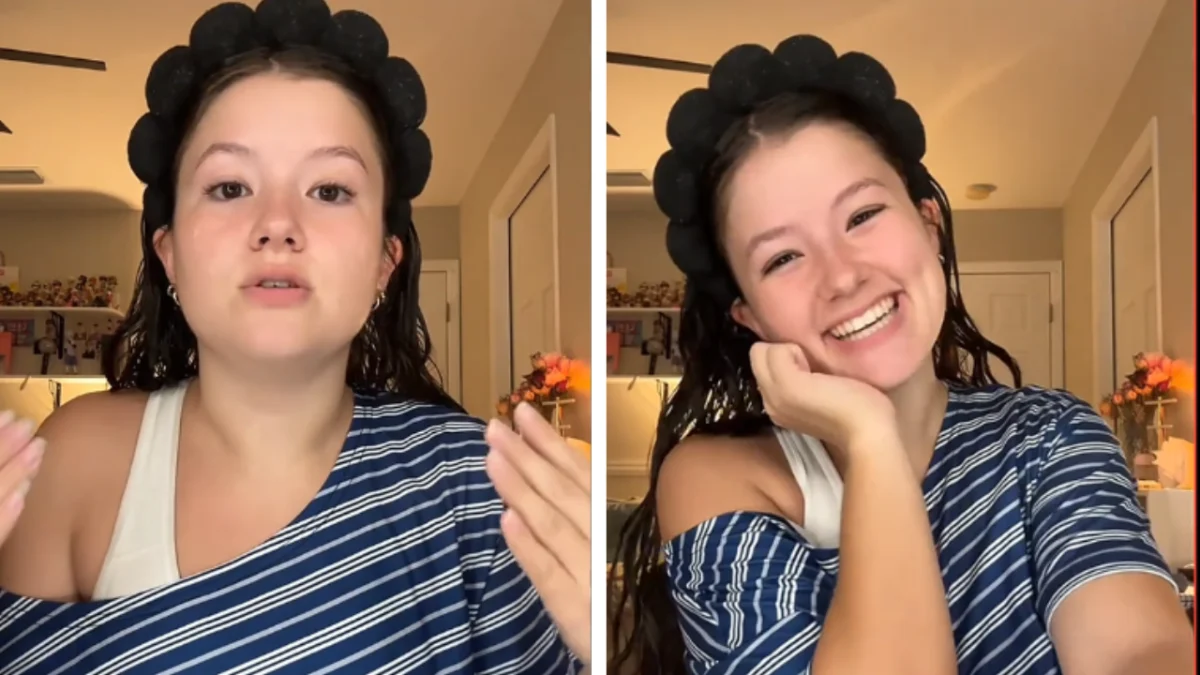
The landscape of modern romance, increasingly shaped by digital platforms, often presents a paradox of expanded opportunity alongside heightened vulnerability. In a recent and widely resonant instance, TikTok user Grace Michelle, known as @.grace.michelle, posted a video chronicling a series of unsettling and demeaning encounters with men she met through dating applications and subsequent dates. Her candid revelations quickly struck a chord across social media, garnering significant attention and sparking a broader conversation about the challenges and frustrations inherent in contemporary dating. At the time of this report’s initial observation, the video had amassed 73,500 likes and 464 comments, signaling a deep vein of shared experience among viewers.
The Digital Dating Arena: A Double-Edged Sword
The advent of online dating over the past two decades has profoundly transformed how individuals seek companionship, partnership, and romance. What began as niche websites has evolved into a multi-billion-dollar industry dominated by sophisticated applications like Tinder, Bumble, Hinge, and countless others, boasting hundreds of millions of users worldwide. These platforms promise efficiency, expanded choices, and the ability to connect with individuals one might never encounter in daily life. Data from the Pew Research Center consistently shows that a significant percentage of adults, particularly younger demographics, have used dating apps, with a notable portion reporting successful relationships stemming from these digital introductions. In 2023, approximately 30% of U.S. adults reported having used a dating site or app, a figure that rises to 50% for those under 30.
However, this digital convenience often comes with a darker underbelly. The anonymity, perceived distance, and rapid-fire nature of online interactions can, for some, erode conventional social etiquette and embolden behaviors that would be deemed unacceptable in face-to-face settings. Studies and user reports frequently highlight issues such as ghosting, catfishing, harassment, and, as Grace Michelle’s account illustrates, a pervasive sense of disrespect and objectification. While dating apps strive to create safe environments through reporting mechanisms and community guidelines, the sheer volume of interactions makes comprehensive oversight a formidable challenge.
Grace Michelle’s Account: A Chronology of Disrespect
Grace Michelle’s viral TikTok video provided a chronological, albeit anecdotal, sequence of her personal frustrations. Her stories underscored several recurring themes: sexually inappropriate comments, a lack of genuine interest in reciprocal communication, and a general disregard for her boundaries and preferences.
One of the initial incidents detailed involved a man she matched with on a dating application. Despite having never met in person or established any foundational rapport, this individual promptly requested explicit images be sent to his phone. This immediate leap to an intensely personal and unsolicited demand highlights a concerning trend where some users bypass the conventional stages of courtship, prioritizing gratification over connection. Such requests not only create an uncomfortable and potentially unsafe environment but also demonstrate a fundamental misinterpretation of the purpose of dating platforms for many users seeking genuine relationships.
Another encounter involved a planned outing to stargaze. What should have been an opportunity for shared experience and budding connection quickly devolved into an uncomfortable situation as the man focused his attention almost exclusively on commenting on Grace’s physical appearance, specifically her chest, rather than engaging in meaningful conversation or appreciating the intended activity. This incident vividly illustrates the pervasive issue of objectification, where an individual’s worth is reduced to their physical attributes, diminishing their personhood and capacity for intellectual or emotional engagement.
Grace also shared an experience highlighting a profound lack of attentiveness and respect for her time and schedule. Having decided to step out of her comfort zone and agree to a date, she encountered a man who, despite initiating the meetup, demonstrated an inability or unwillingness to listen to her communication. Grace, working nights over the weekends, explicitly stated her availability. Yet, when her proposed Friday night date didn’t work for him, he suggested Saturday night – a time she had already indicated was unsuitable due to her work commitments. This specific instance, while seemingly minor, encapsulates a broader problem of selective listening and self-centeredness that can permeate dating interactions, signaling a lack of genuine interest in understanding or accommodating a potential partner’s life.
Grace’s overarching conclusion from these experiences was that these men were not aligned with her desire for a long-term, respectful relationship, a sentiment widely shared by individuals navigating the contemporary dating scene.
The Echo Chamber of Shared Frustration: Commenters Weigh In
The immediate and widespread resonance of Grace Michelle’s video was evident in its comment section, which transformed into a digital forum where hundreds of individuals, predominantly women, shared their own similar experiences. This collective outpouring underscored that Grace’s encounters were not isolated incidents but rather reflective of a systemic issue within the dating culture.
Many commenters expressed a mixture of frustration, disbelief, and, in some cases, a dark humor born of shared adversity. One particularly stark example detailed a jarring encounter at school: "I had some cuts on my face during wrestling season and this guy came up to me the next day at school and said, ‘Did you get tired of cutting your wrists so you started cutting ur face?’ Like what in actual hell is wrong with men." This comment, beyond its specific insensitivity, highlights the shocking lack of empathy and boundaries that some individuals exhibit, even in non-dating contexts, reinforcing the pervasive nature of problematic behavior.
Others voiced general exasperation over the time and emotional energy wasted on unproductive and disrespectful interactions. The sentiment "I wish we could leave public reviews of the people we match with so they wouldn’t have to deal with that bullsh*t" encapsulated a widespread desire for greater accountability and transparency within dating platforms. This idea, while presenting logistical and privacy challenges, reflects users’ longing for mechanisms to warn others about problematic individuals, thereby fostering safer and more respectful communities. Another commenter echoed this frustration, stating, "Damn I’m shocked how disrespectful people can be," while some, in the throes of their own negative experiences, expressed a complete disillusionment with men altogether.
The comment section served as a powerful testament to the fact that countless women have navigated, and continue to navigate, a challenging dating landscape rife with uncomfortable, frustrating, and often demeaning encounters.
Sociological and Psychological Underpinnings of Dating Misconduct
The patterns of behavior described by Grace Michelle and her commenters are not merely individual aberrations but are often rooted in broader sociological and psychological phenomena.
- Objectification Theory: As witnessed in the stargazing incident, objectification—the act of treating a person as a commodity or an object, primarily for sexual gratification—is a significant driver of disrespectful behavior. In a culture saturated with media that often reduces women to their physical attributes, some individuals may internalize and externalize this view, particularly in contexts where superficial judgment is common, such as initial interactions on dating apps.
- Deindividuation and the Online Disinhibition Effect: The relative anonymity and perceived distance offered by online platforms can lead to a phenomenon known as deindividuation, where individuals feel less accountable for their actions. This, combined with the "online disinhibition effect," can embolden some users to say or do things they would never consider in person, including making inappropriate comments or aggressive advances.
- Communication Breakdown and Misaligned Expectations: Digital communication, while convenient, lacks many of the non-verbal cues crucial for nuanced human interaction. This can lead to misinterpretations, but it also allows some individuals to bypass genuine communication, focusing solely on their own desires. Furthermore, a significant disconnect often exists between users’ intentions on dating apps: while many seek serious relationships, others are solely interested in casual encounters, and a lack of clear communication about these expectations can lead to frustration and disrespectful interactions.
- Gendered Power Dynamics: Societal power imbalances between genders can manifest in dating scenarios. Women disproportionately report experiencing online harassment and unwanted sexual advances, reflecting broader patterns of gender-based violence and discrimination. Research from organizations like the Pew Research Center and numerous academic studies consistently highlight that women using dating apps are far more likely than men to report receiving sexually explicit messages or images they didn’t ask for, or being called offensive names.
- Entitlement: Some of the behaviors described, such as the persistent disregard for Grace’s availability or the immediate demand for explicit photos, can stem from a sense of entitlement, where individuals believe their desires should take precedence over another person’s comfort, boundaries, or schedule.
The Role and Responsibilities of Dating Platforms
Dating app companies are acutely aware of the challenges of user safety and respectful interaction. Major platforms universally implement robust community guidelines that prohibit harassment, hate speech, and unsolicited explicit content. They typically offer features such as blocking, reporting mechanisms, and often employ AI and human moderators to review reported content. Many also provide safety tips, encourage users to meet in public places, and integrate photo verification features to combat catfishing.
However, the scale of user interaction—billions of messages and swipes daily across global platforms—makes complete moderation an impossibility. Dating app companies, while committed to fostering safe environments, often find themselves in a reactive position, addressing issues after they have occurred. The ongoing dialogue sparked by accounts like Grace Michelle’s serves as a critical feedback loop, urging platforms to continuously refine their algorithms, enhance safety features, and promote a culture of respect through in-app messaging and public campaigns. While no platform can entirely eliminate problematic behavior, their continuous evolution is essential for user trust and safety.
Broader Implications and The Path Forward
Grace Michelle’s viral TikTok video is more than just a personal anecdote; it serves as a powerful catalyst for a necessary societal dialogue. Her experiences, echoed by countless others, highlight several critical implications:
- Impact on Mental Health and Well-being: The cumulative effect of repeated disrespectful and demeaning encounters can lead to dating fatigue, anxiety, disillusionment, and a reluctance to engage in new relationships. This takes a significant toll on individuals’ mental health and self-esteem.
- Shifting Dating Norms: The digital age has undeniably altered dating norms, sometimes for the worse. The discussion ignited by Grace’s video contributes to a wider cultural reassessment of what constitutes acceptable behavior in online and offline dating contexts, pushing for a return to fundamental principles of respect, empathy, and consent.
- Accountability and Education: The collective sharing of such stories fosters a sense of solidarity among those who have experienced similar issues and places increased pressure on both individuals and platforms to cultivate more responsible behaviors. It underscores the urgent need for comprehensive education on consent, respectful communication, and digital etiquette, not just for dating app users but across all age groups.
- The Future of Dating Platforms: The ongoing scrutiny prompted by user experiences will likely drive further innovation in dating app design, focusing on features that proactively discourage problematic behavior, enhance user safety, and promote more meaningful connections. This could include improved AI for detecting harassment, more transparent user rating systems (if privacy concerns can be adequately addressed), and greater emphasis on profile content that encourages deeper engagement over superficial judgment.
In conclusion, Grace Michelle’s TikTok video, while recounting personal frustrations, has tapped into a universal experience for many navigating the complexities of modern dating. Her story, and the overwhelming response it garnered, underscores the persistent challenges of disrespect, objectification, and miscommunication in the digital romantic sphere. As technology continues to mediate our social interactions, the onus remains on individuals to cultivate empathy and respect, and on platforms to innovate in ways that prioritize user safety and foster genuine human connection over fleeting, often demeaning, encounters. The conversation sparked by Grace Michelle is not merely about bad dates; it is about defining the boundaries of respect and human decency in an increasingly interconnected, yet sometimes isolating, world.
The Daily Dot was unable to independently verify the experiences described in the video, which are based solely on TikTok user @.grace.michelle’s account of her encounters with men on dating apps and during dates.