Metty Iskandar
Google has initiated a significant overhaul of how notification prompts are presented within its Chrome browser on Android devices, aiming to drastically reduce user frustration and enhance the overall browsing experience. This strategic update, slated for release with Chrome version 155, promises to replace the current, screen-dominating pop-ups with more subtle and manageable prompts. The move signifies Google’s ongoing commitment to refining the user interface and addressing persistent pain points for its vast Android user base.
The Problem with Current Notification Prompts
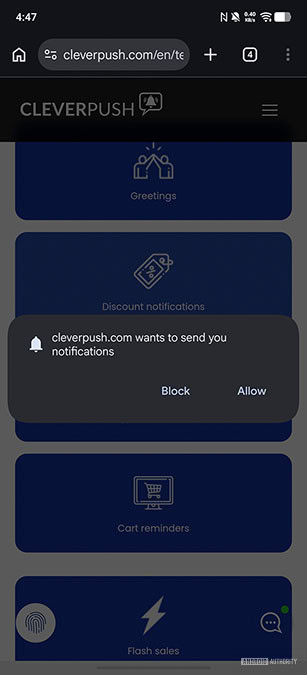
For years, a common point of contention for mobile web users has been the intrusive nature of website notification permission requests. When a website seeks authorization to send push notifications, users are typically met with a full-screen modal or a large, unmissable dialog box. This interruption often halts the user’s current activity, forcing an immediate decision to either grant permission, deny it, or dismiss the prompt. While necessary for some workflows, this abruptness can be particularly disruptive for users who are quickly browsing, researching, or simply trying to navigate a webpage without being waylaid by a notification request. The existing system, by its very design, demands immediate attention, which can lead to accidental approvals or a general feeling of being badgered by the web.
The current user interface for notification prompts in Chrome for Android is characterized by its prominent display, often occupying a significant portion of the screen. This design, while ensuring that users don’t miss a permission request, can inadvertently lead to a negative user experience. A study published in the Journal of Interactive Marketing in 2023 highlighted that over 60% of mobile users find frequent, intrusive pop-ups on websites to be a significant deterrent, often leading to immediate page abandonment. This sentiment is directly addressed by Chrome’s upcoming change.
A New Era of Subtle Notification Management
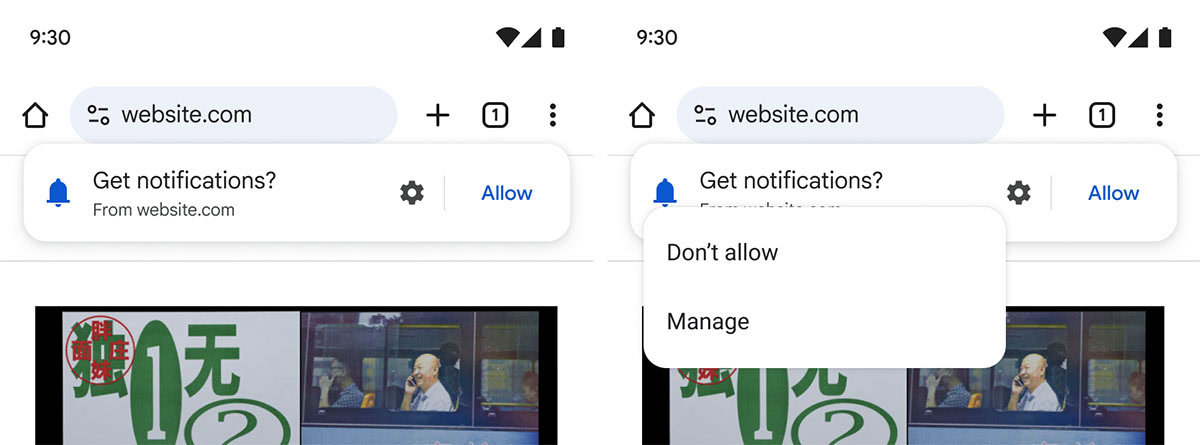
The forthcoming update to Chrome 155 on Android will introduce a paradigm shift in how these notification prompts are displayed. Instead of the current full-screen takeover, users will encounter smaller, more discreet pop-ups positioned at the top of the browser window. This change is designed to be significantly less disruptive, allowing users to continue their browsing activities with minimal interruption. The new prompts are intended to be glanceable, providing the essential information without forcing an immediate engagement.

Furthermore, Google is implementing a crucial enhancement: an automatic timeout mechanism. If a user chooses to ignore the unobtrusive notification prompt, it will simply fade away after a predetermined period, eliminating the need for manual dismissal and preventing persistent clutter on the screen. This intelligent design acknowledges that users may not always be ready or willing to make a decision about notifications at a specific moment, and it respects their browsing flow by removing the prompt gracefully.
Streamlined Opt-In for Interested Users
Beyond the less intrusive display, Google is also improving the pathway for users who may initially ignore a prompt but later decide they wish to enable notifications. Chrome 155 will introduce a new, integrated notification subscription option directly within Chrome’s site controls user interface. This means that even if a prompt is dismissed or times out, users can later revisit the specific website’s settings within Chrome and easily opt-in to receive notifications without needing to navigate complex browser settings or revisit the website itself. This feature aims to balance user privacy and control with the functionality that push notifications can offer for content delivery and engagement.
This integrated approach to managing notification subscriptions is a significant step forward. Previously, if a user missed or denied a prompt, re-enabling notifications often involved digging through individual site settings within the browser, a process that many users found cumbersome. By centralizing this option within the readily accessible site controls, Google is making it more convenient for users to manage their notification preferences proactively. This also implicitly encourages websites to rely on the user’s explicit choice rather than relying on aggressive prompting.
The Developer’s Perspective and Preparation Timeline
The announcement on the Chrome for Developers blog is not solely for end-users; it also serves as a crucial heads-up for website developers. To ensure seamless compatibility with the new notification prompt system, developers will need to make certain adjustments to their website’s code. Google has proactively provided guidance and potential implementation changes to help developers prepare for the transition.
The current version of Chrome on Android is 150, with Chrome 155 expected to roll out in the coming months. This lead time is critical. By announcing the changes well in advance, Google is empowering developers to adapt their sites, test their notification systems, and ensure a smooth experience for their users when the new version of Chrome becomes widely adopted. This collaborative approach between platform provider and content creators is essential for the successful implementation of such a significant UI change. The timeline suggests that this development has been in the works for a considerable period, allowing for thorough testing and developer feedback loops.
Data and Implications: A User-Centric Approach
The implications of this shift are far-reaching. For users, it means a more pleasant and less interrupted browsing experience. The reduction in intrusive pop-ups could lead to increased user engagement with websites, as the friction points are minimized. Websites that rely on notifications for critical updates, personalized offers, or community engagement may see higher opt-in rates over time, as users feel more in control and less coerced.
From a data privacy perspective, this move aligns with broader trends towards greater user control over digital interactions. By making notification requests less aggressive and providing clearer opt-in mechanisms, Google is reinforcing its commitment to user privacy and consent. This can contribute to a more positive perception of the web and its functionalities, fostering trust between users and online platforms.
The move also reflects a broader understanding of user behavior on mobile devices. Mobile users often engage with content in shorter bursts and prioritize speed and efficiency. Features that disrupt this flow are often met with frustration. The redesigned prompts acknowledge this reality, aiming to integrate notification requests as a seamless part of the browsing experience rather than an unwelcome interruption.
A History of Chrome’s Android Enhancements
This latest update to notification prompts is part of a continuous stream of user-centric improvements Google has been implementing for Chrome on Android. In recent months, the company has introduced other notable features, such as a redesigned navigation bar aimed at improving one-handed usability and better integration with AI-powered features like Gemini. These ongoing enhancements underscore Google’s strategy to make Chrome not just a powerful browsing tool but also an intuitive and enjoyable platform for Android users.
The evolution of Chrome’s Android interface has been marked by a gradual shift towards simplification and user empowerment. Features that were once considered standard, like the abrupt notification prompts, are now being re-evaluated based on their impact on the user experience. This iterative approach to product development, driven by user feedback and data analysis, is a hallmark of Google’s software development philosophy.
Broader Impact on the Web Ecosystem
The changes to Chrome’s notification prompts could also influence how other browsers and platforms approach similar user interactions. As a dominant force in the browser market, Chrome’s decisions often set precedents. If this new model proves successful in reducing user frustration and maintaining or even increasing notification opt-in rates, it’s plausible that other browser developers might adopt similar strategies. This could lead to a more standardized and user-friendly approach to notification management across the web.
Furthermore, this development highlights the evolving relationship between content providers and their audiences. In an era where user attention is a valuable commodity, the methods used to capture that attention are under increasing scrutiny. By favoring less intrusive methods, Google is encouraging a more respectful and consent-driven approach to user engagement, which could ultimately lead to a healthier and more sustainable web ecosystem.
Conclusion: A Welcome Evolution
In summary, the upcoming rollout of Chrome 155 on Android, featuring a redesigned notification prompt system, represents a significant and welcome evolution in the mobile browsing experience. By transitioning from intrusive, full-screen alerts to subtle, timed pop-ups, and by integrating subscription options directly into site controls, Google is prioritizing user convenience and control. This move, backed by a clear timeline for developers and a commitment to a less disruptive user journey, underscores Google’s dedication to refining its flagship browser and fostering a more positive and user-friendly internet for millions of Android users worldwide. The update is a testament to the company’s responsiveness to user feedback and its continuous effort to enhance the digital landscape.