
 George Chandra Eka
Amplification is the unsung hero of virtually every audible sound system, a fundamental component often overlooked by casual listeners yet pivotal to audio fidelity. While the market is awash with various accessories promising sonic enhancements, many of which offer negligible real-world benefits—such as the oft-debated efficacy of gold-plated audio cables for digital signals—the amplifier stands as a cornerstone technology. Its ubiquitous presence, often integrated into devices we use daily, underscores its indispensable nature in transforming weak electrical signals into robust sound waves capable of driving speakers. Understanding the amplifier’s function, its impact on sound quality, and whether a standalone unit is truly necessary is crucial for anyone looking to optimize their listening experience, from building an immersive home theater to cultivating a private music sanctuary.
The Fundamental Imperative of Audio Amplification
At its core, an audio amplifier serves a singular, critical purpose: to take a low-power electronic audio signal and boost it to a level sufficient to drive loudspeakers or headphones. Without this process, the delicate electrical impulses generated by audio sources—be it a turntable stylus tracing vinyl grooves, a digital audio converter processing a stream, or a microphone capturing sound waves—would be far too faint to produce discernible sound through conventional transducers. Consider the phenomenon of "needle talk" from an unamplified turntable: the faint scratching sound of the stylus in the groove is a direct demonstration of an audio signal before amplification, barely distinguishable as music.
The journey of an audio signal typically begins at a source component (e.g., a CD player, streaming device, turntable). This source produces a low-level electrical signal, often measured in millivolts. This signal then enters a preamplifier stage, which performs crucial signal conditioning, including input selection, volume control, and boosting the signal to a standard "line level" (typically around 0.3 to 1 volt). From there, the line-level signal proceeds to the power amplifier, which significantly increases its current and voltage to provide the substantial power (measured in watts) required to move the diaphragms of loudspeakers. Speakers, in essence, convert these amplified electrical signals back into audible sound waves.
The importance of matching an amplifier to the specific characteristics of speakers cannot be overstated. Key specifications include power handling (watts) and impedance (ohms). Speakers have a rated impedance, which represents their electrical resistance to the audio signal. Most consumer speakers range from 4 to 8 ohms. An amplifier must be capable of delivering stable power into the speaker’s impedance. Mismatched impedance or insufficient power can lead to poor sound quality, amplifier strain, overheating, and even damage to both the amplifier and speakers. For instance, an amplifier designed for an 8-ohm load may struggle or clip when driving 4-ohm speakers, potentially leading to distortion or thermal shutdown. Conversely, an underpowered amplifier pushed to its limits to drive demanding speakers can also introduce clipping, a form of waveform distortion that is particularly harmful to speaker tweeters.
Beyond merely increasing volume, a quality amplifier provides critical control over the sound. Gain adjustment allows users to precisely match the input sensitivity of the amplifier to the output level of the source component, ensuring optimal signal-to-noise ratio. Integrated equalizers (EQ) empower listeners to sculpt the sound profile to their preference, enhancing bass, clarifying vocals, or brightening treble. Mastering these settings is vital not only for achieving pleasing acoustics but also for preventing audio clipping, distortion, and potential hardware damage.
The Hidden World of Integrated Amplification
Many consumers are surprised to learn that they already possess multiple amplifiers within their homes, often integrated seamlessly into everyday devices. This widespread integration speaks volumes about the technology’s fundamental importance.
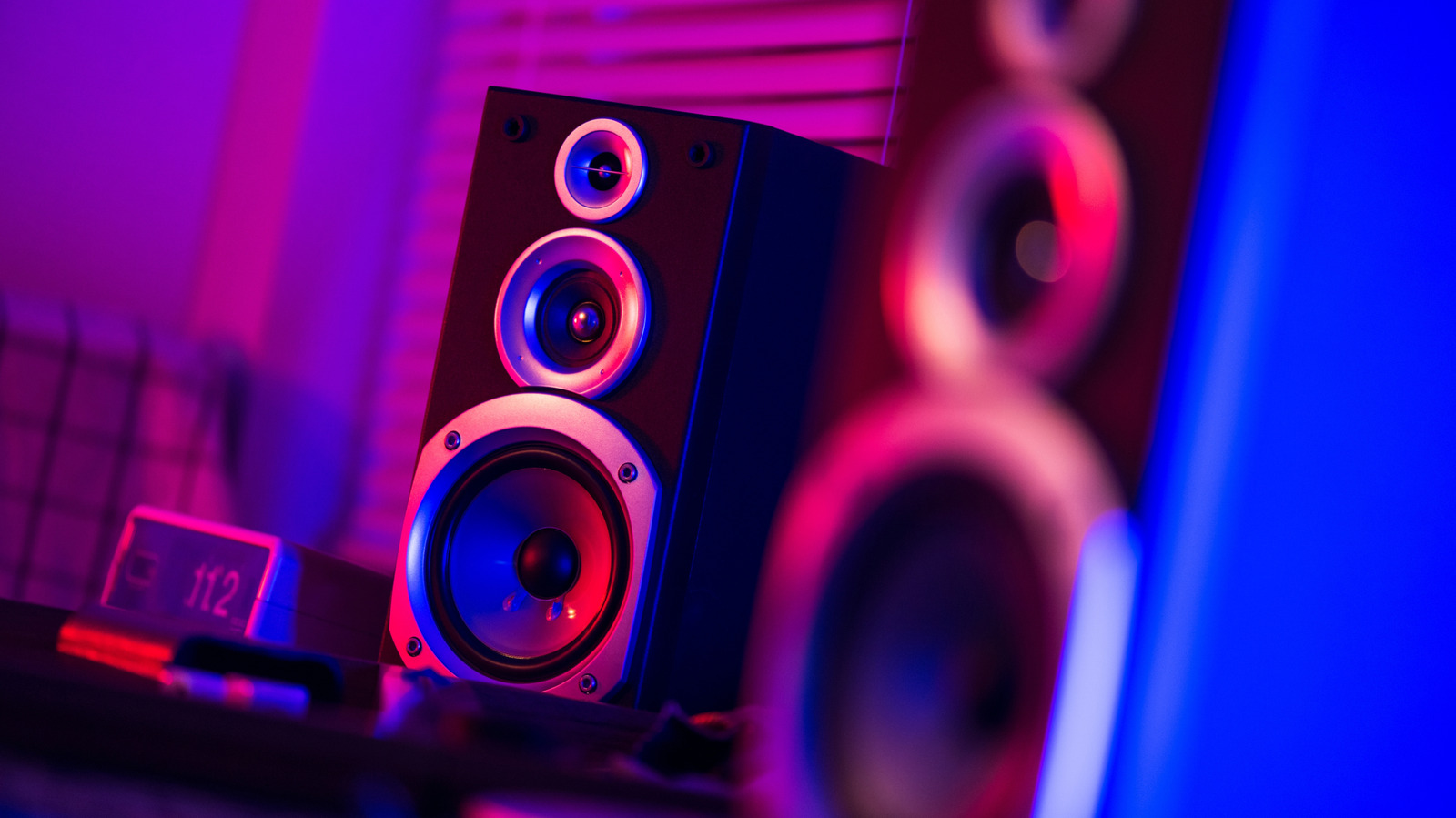
Active Speakers: A significant portion of modern consumer speakers, from desktop computer speakers to high-end wireless bookshelf units, are "active" speakers. This designation means they have built-in amplifiers, requiring only an audio signal input and a power cord to operate. Brands like Sonos, KEF, and Klipsch offer popular active speaker models that simplify setup and eliminate the need for external amplification.
Audio/Video Receivers (AVRs): These are the workhorses of most home theater systems, acting as a central hub for audio and video signals. AVRs typically combine a preamplifier (for input switching, volume, and processing), a power amplifier (often multi-channel to drive surround sound speakers), a radio tuner, and digital signal processing (DSP) capabilities for room correction and surround sound decoding (e.g., Dolby Atmos, DTS:X). An AVR is, in essence, an integrated amplifier on steroids, designed to handle multiple audio and video sources and distribute amplified sound to several speakers.
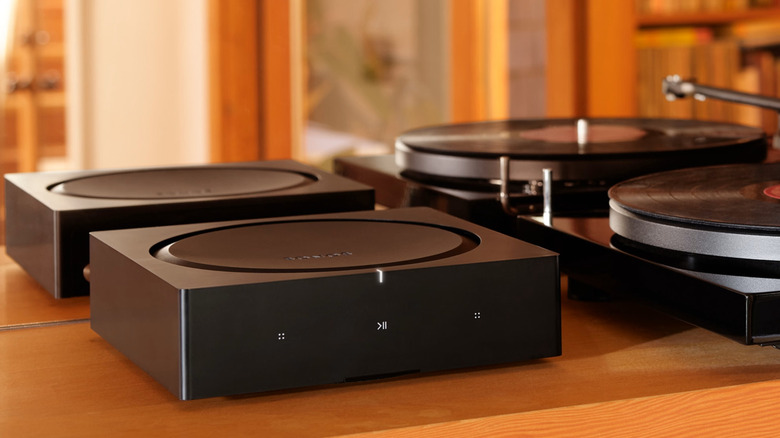
Integrated Amplifiers: For stereo music enthusiasts, an integrated amplifier offers a streamlined solution, combining both preamplifier and power amplifier stages into a single chassis. This simplifies cabling and often provides a cleaner aesthetic compared to separate components, while still offering robust amplification for a dedicated two-channel setup.
Headphone Amplifiers: Even personal audio relies heavily on amplification. While most smartphones and portable music players have tiny, integrated headphone amplifiers, dedicated headphone amps are popular among audiophiles. These external units can provide cleaner, more powerful amplification for high-impedance or low-sensitivity headphones, unlocking their full sonic potential and delivering a more dynamic and detailed listening experience than portable devices alone.
The existence of these integrated solutions means that for a vast majority of users, purchasing a separate, dedicated power amplifier is often redundant, especially if their existing active speakers or AVR adequately meet their power and channel requirements.
Solid-State vs. Tube Amplifiers: A Battle of Sonic Philosophies
The debate between solid-state and tube (or valve) amplifiers is one of the most enduring and passionate discussions within the audiophile community. Each technology offers distinct characteristics, both in terms of performance and sonic presentation.
Solid-State Amplifiers:
Emerging in the mid-20th century with the advent of transistors, solid-state amplifiers quickly gained dominance due to their efficiency, reliability, and ability to deliver high power output in a compact form factor.
- Technical Characteristics: They use transistors as their primary amplification components. Modern solid-state designs are highly efficient, produce minimal heat compared to tubes, and offer incredibly low levels of harmonic distortion, aiming for a transparent and accurate reproduction of the original audio signal. They are generally more robust, require less maintenance, and offer consistent performance over long periods. Different classes (Class A, AB, D) denote varying levels of efficiency and sound characteristics, with Class D becoming increasingly popular for its high efficiency and compact size.
- Sound Signature: Often described as "clean," "accurate," "neutral," and "powerful." They excel at detail retrieval, tight bass response, and precise imaging, making them ideal for critical listening and complex, multi-channel home theater systems where clarity and dynamics are paramount.
- Practicality: Durable, energy-efficient, require minimal warm-up time, and are available across a vast price range, from budget-friendly options to ultra high-end audiophile gear.
Tube (Valve) Amplifiers:
Predating solid-state technology, vacuum tubes were the original amplification devices. Despite their age, they retain a devoted following for their unique sonic qualities.
- Technical Characteristics: Tubes are glass envelopes containing electrodes in a vacuum, which control electron flow to amplify signals. They are less efficient than transistors, generating significant heat, and are physically more delicate. Tubes have a finite lifespan and require periodic replacement, adding to maintenance costs. Their amplification characteristics naturally introduce certain types of harmonic distortion, primarily even-order harmonics.
- Sound Signature: Revered for their "warm," "rich," "organic," and "musical" sound. Proponents describe a more holographic soundstage, smoother highs, and a pleasing sense of "bloom" or "body" to instruments and vocals. The harmonic distortion, while technically a deviation from the original signal, is often perceived as subjectively pleasing, adding a certain character and naturalness to the sound, particularly with genres like jazz, blues, and classical music. This "warmth" is famously associated with the retrofuturistic aesthetic of games like Fallout.
- Practicality: Typically lower power output (often 50W or less per channel), making them less suitable for large rooms or demanding speakers in multi-channel configurations without significant investment in multiple units. They are more expensive to own and operate due to tube costs and heat generation.
For most listeners, especially those building a multi-channel home theater system, solid-state amplification offers superior practicality, power, and cost-effectiveness. A home theater based on tube amps would be an extraordinarily expensive and maintenance-intensive undertaking, primarily suitable for very specific niche audiophile applications.
Optimizing Your Audio Experience: Beyond the Amplifier
While amplifiers are crucial, they are but one link in the audio chain. Often, other components or environmental factors present more significant opportunities for sonic improvement, particularly for those not yet operating at the high-end audiophile level.
Speaker Quality: The Foremost Upgrade:
The single most impactful component in any audio system is arguably the speakers themselves. A top-tier amplifier cannot magically transform mediocre speakers into high-fidelity transducers. If your current setup involves a basic stereo soundbar or entry-level speaker pair, upgrading to a higher-quality system—such as an advanced all-in-one Dolby Atmos soundbar, or a well-regarded set of bookshelf or floorstanding speakers—will yield a far more noticeable improvement than investing in a standalone amplifier. Expanding a basic stereo setup to include dedicated rear and side channels, or even adding ceiling-mounted speakers for a full Dolby Atmos experience, dramatically enhances immersion and sound separation, fundamentally altering the listening experience. While ceiling channels represent the audiophile’s endgame for spatial audio, their installation often involves complex wiring and mounting, making them a significant undertaking.
Room Acoustics: The Unseen Equalizer:
The listening room itself plays a profound role in how sound is perceived. Reflections off walls, ceilings, and floors, along with standing waves and excessive reverberation, can severely degrade sound quality, leading to muddy bass, harsh highs, and poor imaging.
- Acoustic Treatment: Simple, cost-effective solutions include strategically placed acoustic panels to absorb reflections, diffusers to scatter sound waves, and bass traps to manage low-frequency issues. Even soft furnishings, carpets, and bookshelves can contribute to a more balanced acoustic environment.
- Speaker Placement: The positioning of speakers within a room is critical. For stereo, the "stereo triangle" principle—where the listener and speakers form an equilateral triangle—is a common starting point. Moving speakers away from walls can often alleviate boomy or muddy bass, while adjusting toe-in (angling speakers inward) can refine imaging. For surround sound, specific guidelines exist for optimal placement of each channel to maximize the effect of multi-dimensional audio formats.
- Room Calibration: Many modern smart speakers and AV receivers include automatic room calibration systems (e.g., Audyssey, Dirac Live, Sonos Trueplay). These systems use a microphone to analyze the room’s acoustics and apply digital equalization to correct frequency response anomalies and optimize speaker output. Running this process whenever significant changes are made to speaker placement or room furnishings can yield substantial improvements.
Source Quality and Digital-to-Analog Conversion:
Even with the best amplification and speakers, a poor-quality audio source will always limit the system’s potential.
- High-Resolution Audio: Moving from compressed MP3s to lossless formats like FLAC, ALAC, or DSD, or subscribing to high-fidelity streaming services like Tidal HiFi or Qobuz, can unlock greater detail and dynamic range.
- Digital-to-Analog Converters (DACs): For digital sources, the quality of the DAC is paramount. While most devices have integrated DACs, an external, high-quality DAC can provide a cleaner, more accurate conversion of digital data into an analog audio signal, enhancing clarity and reducing noise.
Cabling and Accessories:
While audiophile-grade cables can be expensive, their impact on sound quality is often minimal, especially for digital signals where data integrity is the primary concern (it either arrives cleanly or it doesn’t). Focus instead on using appropriately gauged speaker wire for the length of the run and ensuring secure, clean connections. Addressing unwanted mechanical vibrations with isolation platforms, speaker stands, or anti-resonance mats can also provide subtle but tangible improvements by reducing sympathetic rattling.
When a Dedicated Amplifier Becomes Essential: A Newsroom Analysis
The decision to invest in a standalone amplifier should be driven by specific needs rather than a generalized assumption of immediate improvement. For the average consumer with active speakers or a modern AV receiver, a separate power amplifier is generally redundant. However, there are distinct scenarios where a dedicated amplifier transitions from a luxury to a necessity:
- Driving Demanding Speakers: Some high-end passive speakers have very low sensitivity (meaning they require more power to produce a given volume level) or complex impedance curves that demand significant current from an amplifier. In such cases, a dedicated, high-current power amplifier is essential to drive them effectively without clipping or distortion, allowing them to perform to their full potential.
- Expanding Multi-Channel Home Theaters: While most AV receivers offer 5 to 9 channels of amplification, elaborate home theater setups, particularly those aiming for immersive Dolby Atmos or DTS:X configurations (e.g., 7.2.4 or 9.2.6 channels), often exceed the integrated amplification capabilities of a single receiver. In these instances, a dedicated multi-channel amplifier or multiple stereo power amplifiers can be used to power the additional height or surround channels, offloading the receiver and ensuring ample power delivery to all speakers simultaneously.
- Bi-Amping or Tri-Amping: For advanced audiophiles, bi-amping (using separate amplifier channels for a speaker’s woofer and tweeter sections) or tri-amping (adding a third channel for the midrange) can offer improved dynamics and control, particularly with high-end passive speakers designed for this configuration. This requires additional amplification channels beyond what most receivers provide.
- Audiophile Separates for Purity: Purists often prefer separate preamplifiers and power amplifiers (or monoblock power amplifiers, one for each speaker) to minimize interference, maximize signal purity, and achieve the highest possible fidelity. This modular approach allows for greater flexibility in system matching and future upgrades.
- Specific Phono Stage Requirements: While many integrated amplifiers and receivers include phono preamplifiers for turntables, dedicated external phono stages can offer superior performance, especially for high-end moving coil cartridges that require extremely low noise and precise gain.
In conclusion, amplification is a non-negotiable component of any functional sound system. However, the form it takes—whether integrated into active speakers, an AV receiver, or a separate component—varies widely based on user needs and aspirations. For the vast majority of listeners, a well-chosen set of active speakers or a capable AV receiver will provide excellent sound quality without the need for additional amplification. It is typically only when delving into the realm of demanding passive speakers, complex multi-channel home theater layouts, or the meticulous pursuit of ultimate audiophile fidelity that a dedicated power amplifier becomes a truly worthwhile and often necessary investment. Prioritizing speaker quality, optimizing room acoustics, and ensuring high-quality source material will, in most cases, offer more cost-effective and impactful upgrades than prematurely adding a standalone amplifier to an otherwise modest system.







