Garick Elordi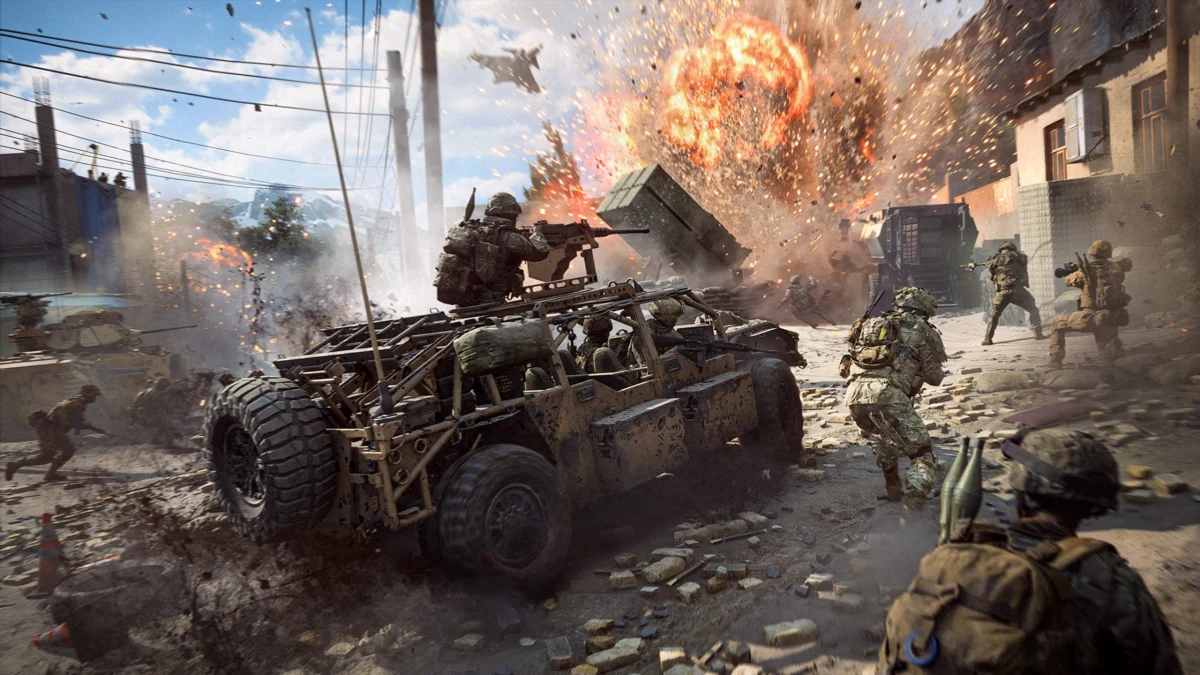
Sony Pictures is reportedly in the final stages of negotiations to acquire the film rights for a big-screen adaptation of Electronic Arts’ blockbuster video game franchise, Battlefield. The project, which has sparked a significant bidding war among major Hollywood studios, is set to feature a powerhouse creative team led by Academy Award-winning filmmaker Christopher McQuarrie, who is attached to write, direct, and produce the feature. Joining him in a production capacity is Michael B. Jordan, the acclaimed actor and director fresh off a Best Actor Oscar win, whose production banner, Outlier Society, will play a central role in the development of the military epic.
While Sony has declined to offer an official comment on the ongoing negotiations, industry insiders suggest that the deal represents one of the most ambitious video game-to-film transitions in recent years. The news follows a period of intense competition where multiple streaming platforms and traditional studios vied for the intellectual property, signaling a continued and growing appetite for high-budget adaptations of established gaming brands.
A Creative Powerhouse at the Helm
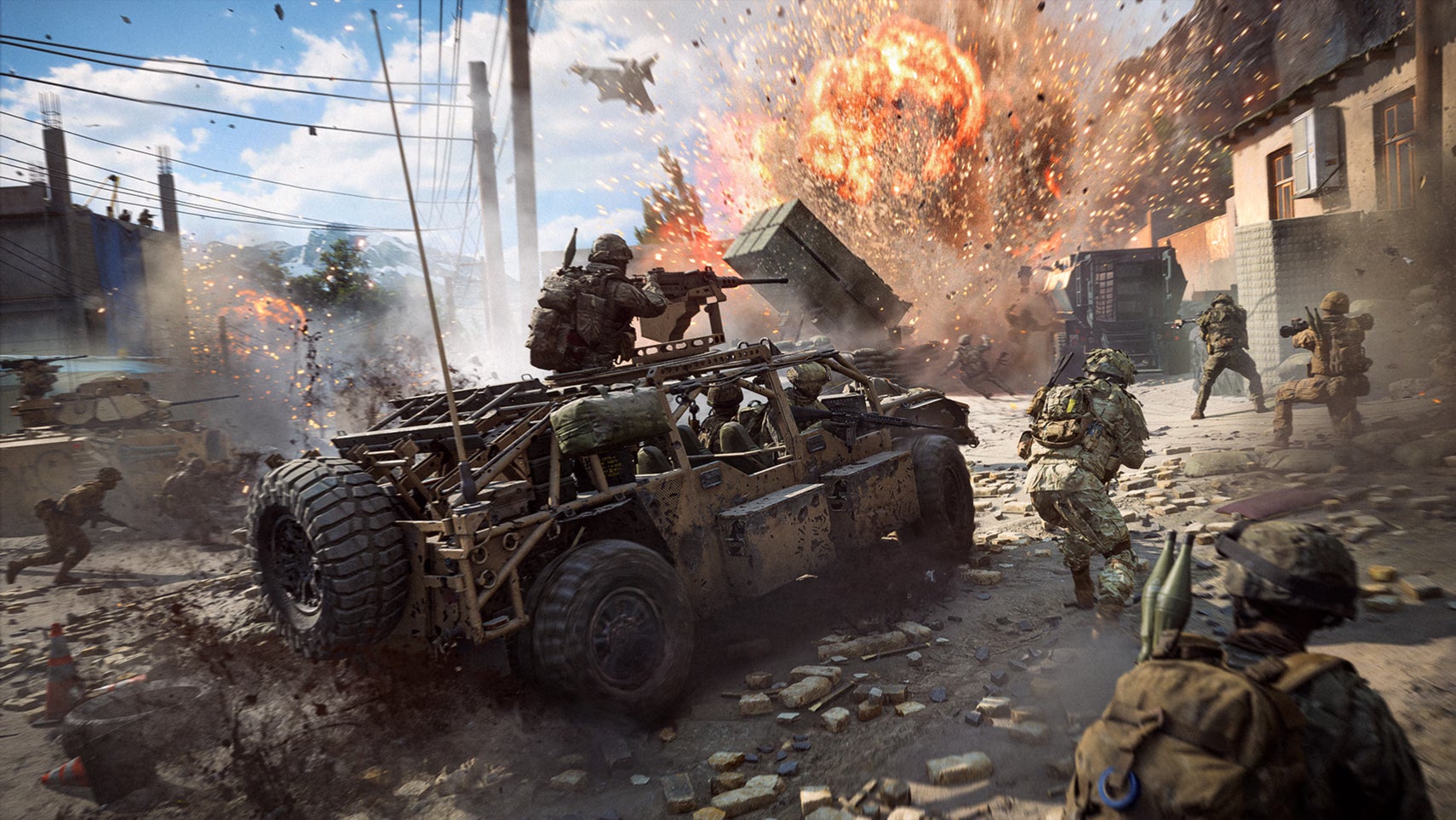
The involvement of Christopher McQuarrie marks a significant vote of confidence in the project’s cinematic potential. McQuarrie, best known for his transformative work on the Mission: Impossible franchise and his Oscar-winning screenplay for The Usual Suspects, is widely regarded as a master of high-stakes action and intricate plotting. His reputation for prioritizing practical effects and grounded, visceral storytelling aligns closely with the Battlefield franchise’s identity, which has long distinguished itself through large-scale environmental destruction and authentic military atmosphere.
Michael B. Jordan’s involvement further elevates the project’s profile. Having recently secured the Academy Award for Best Actor, Jordan has transitioned into a formidable producer and director, most notably with the success of the Creed franchise. While Jordan is currently confirmed as a producer via Outlier Society, sources indicate that he may also take on a starring role in the film. However, such a commitment remains contingent on the final script and scheduling alignments. Jordan’s history with high-intensity roles and his personal interest in the gaming medium—having previously collaborated with various gaming entities—makes him a natural fit for the Battlefield universe.
The production team is rounded out by a roster of veteran industry figures. Jesse Stern, a writer and producer with deep ties to Electronic Arts and the Titanfall series, will produce alongside Emerald Neon’s Carter Swan. Vertigo’s Roy Lee and Miri Yoon, known for their work on high-concept genre films, are also attached, with Elizabeth Raposo representing Outlier Society.
The Evolution of the Battlefield Franchise
The Battlefield series first debuted in 2002 with Battlefield 1942, developed by Digital Illusions CE (DICE). Over the last two decades, the franchise has evolved through 18 mainline installments, moving from historical theaters of war to modern-day conflicts and near-future scenarios. The series has consistently pushed the boundaries of technical achievement in gaming, particularly through its proprietary Frostbite engine, which allows for unprecedented levels of environmental destruction and large-scale player interactions.
The most recent entry, Battlefield 6, released last year to record-breaking commercial success. Despite a crowded marketplace for first-person shooters, Battlefield 6 emerged as the bestselling title in the franchise’s history and the top-selling shooter of the year. Industry analysts noted that the game’s performance was particularly notable for reportedly outselling its long-term rival, Call of Duty. This commercial momentum has provided Electronic Arts with significant leverage in Hollywood, as the brand’s global footprint and active player base offer a built-in audience for a theatrical release.
In recent months, the game has continued to maintain its relevance through innovative content updates, such as the introduction of "Rapid Royale." Developed by Redsec, this mode serves as a high-speed alternative to traditional battle royale formats, mirroring the "Resurgence" style seen in competitors like Warzone. By focusing on smaller, dedicated maps and frequent respawns, Rapid Royale has successfully captured a segment of the audience looking for faster pacing and more immediate combat, further diversifying the IP’s appeal.
The Broader Context of Video Game Adaptations
The pursuit of a Battlefield movie comes at a time when the "video game curse"—a long-held industry belief that games cannot be successfully adapted into quality films—has been decisively broken. The success of projects such as The Last of Us, Fallout, and The Super Mario Bros. Movie has demonstrated that with the right creative leadership and respect for the source material, gaming IPs can achieve both critical acclaim and massive box-office returns.
Sony Pictures, in particular, has been aggressive in its pursuit of gaming-related content. Through its PlayStation Productions arm, the studio has already successfully adapted Uncharted into a box-office hit and is currently developing several other titles from its internal catalog. Acquiring Battlefield, an EA property, represents a strategic expansion beyond Sony’s own software ecosystem, allowing the studio to tap into a multi-platform audience that spans PlayStation, Xbox, and PC.
Rivalry on the Big Screen: Battlefield vs. Call of Duty
The development of a Battlefield film inevitably draws comparisons to the long-standing rivalry between Battlefield and Activision’s Call of Duty. The latter is also currently in the process of receiving a high-profile film adaptation. Paramount Pictures is moving forward with a Call of Duty project directed by Peter Berg, featuring a script by Taylor Sheridan, the creator of Yellowstone. That film is currently slated for a June 30, 2028, release.

The "arms race" between these two franchises is now shifting from gaming consoles to cinema screens. While Call of Duty has often focused on scripted, cinematic "set-piece" campaigns, Battlefield has traditionally leaned into the "sandbox" nature of war, emphasizing player agency and emergent chaos. How McQuarrie chooses to translate that sandbox feeling into a linear narrative will be a point of significant interest for fans and critics alike.
Potential Implications for Electronic Arts
For Electronic Arts, a successful Battlefield movie would serve as a cornerstone of a broader transmedia strategy. By establishing the IP in Hollywood, EA can ensure the longevity of the brand even during the gaps between major game releases. The involvement of Jesse Stern suggests that the film will maintain a strong connection to the game’s lore and mechanical identity, avoiding the pitfalls of previous adaptations that strayed too far from their origins.
Furthermore, the collaboration with high-tier talent like McQuarrie and Jordan suggests that EA is no longer looking for mere "tie-in" products, but rather prestige cinematic experiences. This shift in strategy reflects a broader trend among major game publishers who are increasingly acting as co-producers on their own adaptations to maintain creative control and brand integrity.
Timeline and Future Outlook
While the negotiations between Sony and EA are reportedly in advanced stages, a formal production timeline has yet to be established. Given Christopher McQuarrie’s current commitments and the complexity of a project of this scale, industry observers anticipate a lengthy pre-production phase. If the deal closes in the coming weeks, a script could be finalized by mid-next year, potentially putting the film on track for a 2027 or 2028 release window—placing it in direct competition with the Call of Duty film.
The technical requirements for a Battlefield movie are expected to be immense. To capture the "Only in Battlefield" moments that fans expect—such as collapsing skyscrapers, mid-air vehicle hijacks, and massive terrestrial combat—the production will likely require a substantial budget, potentially exceeding $200 million. However, with Sony’s backing and the star power of Michael B. Jordan, the project is well-positioned to secure the necessary resources.
As the boundary between interactive entertainment and traditional cinema continues to blur, the Battlefield adaptation stands as a testament to the cultural weight of gaming. Should Sony successfully finalize the acquisition, the partnership between McQuarrie, Jordan, and EA could result in one of the most significant military action films of the decade, redefining how large-scale warfare is depicted on the silver screen.