George Chandra Eka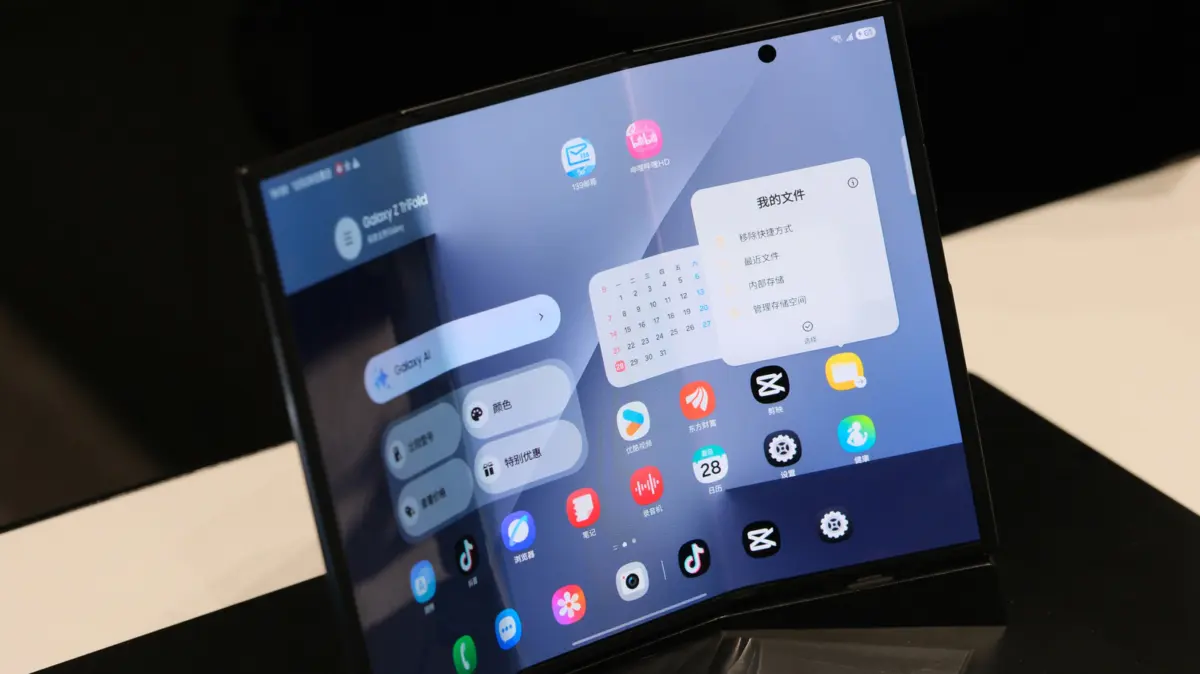
The burgeoning market for foldable smartphones represents a significant leap in mobile technology, offering users unprecedented screen real estate in a compact form factor. However, this innovative design introduces unique vulnerabilities and care requirements that differ markedly from traditional slab phones. Understanding and adhering to specific maintenance protocols is crucial for maximizing the lifespan and preserving the functionality of these sophisticated devices. Unlike conventional handsets, the delicate nature of a foldable screen and its intricate hinge mechanism necessitates a more thoughtful approach to daily use, particularly concerning foreign objects, environmental exposure, and physical interaction.
The Evolution and Intricacies of Foldable Design
The journey of foldable smartphones from futuristic concept to consumer reality has been marked by rapid innovation and overcoming significant engineering challenges. Early prototypes hinted at the potential, but the commercial launch of devices like the Royole FlexPai in late 2018 and the original Samsung Galaxy Fold in 2019 brought these devices into the hands of consumers. These initial iterations, while groundbreaking, also exposed durability concerns, particularly with screen longevity and hinge robustness. Samsung, for instance, faced a public relations challenge with the original Galaxy Fold’s early review units encountering screen failures, leading to a significant delay and redesign before its broader release. This early stumble underscored the inherent complexities of flexible display technology and the need for robust user education.
Since then, manufacturers have invested heavily in refining the core components. Display technology has evolved from early reliance on Colorless Polyimide (CPI) films to more durable Ultra-Thin Glass (UTG) overlays, offering enhanced scratch resistance and a more premium feel, though still not matching the hardness of traditional smartphone glass. Hinge designs have also seen significant advancements, moving from simpler U-shaped hinges that allowed for dust ingress to more complex "waterdrop" or "teardrop" designs. These newer hinges create a larger, gentler curve for the display when folded, reducing stress on the screen and often minimizing the visible crease, while also allowing for a gapless or near-gapless fold that better protects the inner display from debris.
The design philosophy behind foldables prioritizes an expansive internal screen, but this flexibility comes at a cost. The inner display, typically protected by a thin layer of flexible glass or plastic, is inherently softer and more susceptible to damage from concentrated pressure or foreign objects than the rigid Gorilla Glass found on the exterior of most smartphones. This fundamental difference dictates a revised set of best practices for ownership.
Safeguarding the Inner Display: A Primary Concern
The primary vulnerability of a foldable phone lies within its expansive, flexible inner screen. Unlike the robust outer displays of traditional smartphones, which are designed to withstand significant direct pressure and minor impacts, the internal folding screen requires a gentler touch. A critical mistake, and one that can lead to immediate and severe damage, is closing the device on foreign objects. Samsung’s comprehensive care guidelines, echoed by other manufacturers, explicitly warn against allowing items such as credit cards, coins, or keys to become trapped between the folding halves. Even seemingly innocuous items can exert sufficient pressure upon closure to scratch, dent, or even puncture the delicate display layers, resulting in costly and often irreparable damage. The soft nature of the screen means that even a small, sharp object can leave a permanent mark or cause pixel degradation, compromising the visual integrity and touch functionality of the device.
Beyond larger objects, microscopic particles pose an equally insidious threat. Dirt, dust, and especially fine sand can infiltrate the hinge mechanism or become lodged between the screen halves. When the phone is subsequently folded, these abrasive particles can grind against the display, creating micro-scratches or even larger gouges over time. For individuals working in environments prone to dust or those who frequently visit beaches, this risk is significantly elevated. The fine, crystalline structure of beach sand, in particular, is notorious for its ability to penetrate even tightly sealed enclosures and cause abrasive damage. Regular inspection and gentle cleaning of the screen and hinge area are therefore paramount, especially after exposure to such environments.
Understanding Ingress Protection (IP) Ratings
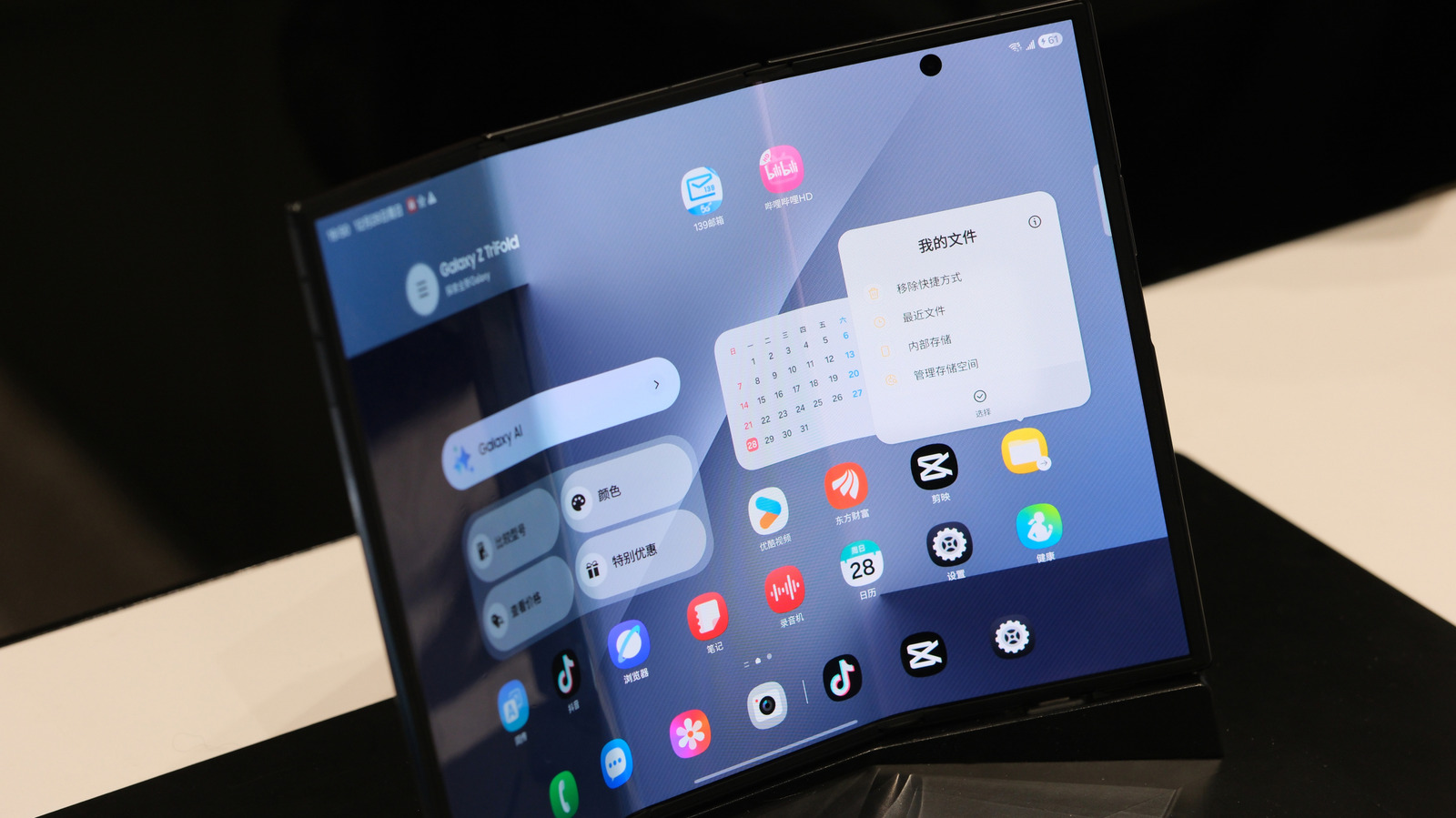
The industry’s efforts to enhance durability are often reflected in a device’s Ingress Protection (IP) rating, which quantifies its resistance to solids and liquids. However, it is essential to understand that not all foldables offer the same level of protection. An IP rating consists of two digits: the first indicates protection against solid objects (like dust), and the second indicates protection against liquids (like water).
For example, a device with an IP48 rating, as seen in some models like the Galaxy Z Fold8 and Fold8 Ultra, signifies a moderate level of protection. The ‘4’ in IP48 means the device is protected against solid objects larger than 1 millimeter, such as most wires, screws, or large grains of sand. While this offers a degree of protection, it does not guarantee a dust-tight seal. Finer particles, like airborne dust or very fine sand, could still potentially enter the device, particularly the hinge mechanism. The ‘8’ in IP48 denotes protection against continuous immersion in water under specified conditions, typically up to 1.5 meters for 30 minutes, indicating excellent water resistance.
In contrast, an IP68 rating, achieved by some leading traditional smartphones and a growing number of newer foldable models, offers a higher standard of defense. The ‘6’ indicates that the device is "dust-tight," meaning no ingress of dust is possible, providing comprehensive protection against solid particles. Combined with the ‘8’ for water resistance, an IP68 rating represents the highest level of consumer-grade protection against both dust and water currently available. This distinction is critical for users in challenging environments, as a dust-tight seal significantly mitigates the risk of abrasive damage from internal debris. Manufacturers are continuously striving to achieve higher IP ratings for foldables, recognizing dust resistance as a key factor in improving their overall longevity and user confidence. However, even with improved ratings, manufacturers often include disclaimers that water and dust resistance may diminish over time with normal wear and tear, emphasizing that these ratings are based on controlled lab conditions, not indefinite immunity.
Treating the Inner Screen with Utmost Care
Beyond the threats of foreign objects and environmental ingress, the tactile interaction with a foldable’s inner screen demands a revised user approach. The inherent flexibility of the display means it cannot withstand the same concentrated pressure as a rigid glass slab. Actions that are second nature on traditional phones, such as firmly pressing on the screen or attempting to scratch off a speck of dirt with a fingernail, can cause permanent indentations, dead pixels, or even cracks on a foldable display. Instead, users should employ a light touch, similar to how one might interact with a delicate tablet screen. For cleaning, a soft, lint-free microfiber cloth is recommended, gently wiping away smudges or dust rather than applying abrasive force.
Another critical aspect of care involves factory-applied screen protectors. Many foldable phones come with a pre-installed, non-removable protective film on the inner display. In the early days of foldable technology, some users mistakenly peeled off these films, assuming they were merely disposable shipping protection, only to discover they were integral to the screen’s structural integrity and warranty. Modern foldables have largely addressed this by integrating the films more seamlessly and providing clearer warnings. However, the rule remains: never attempt to peel off any factory-applied film from the inner screen unless explicitly instructed by the manufacturer. Doing so can void the warranty and lead to immediate display failure.
Conversely, the temptation to apply an aftermarket screen protector must also be approached with caution. Unlike traditional phones where a generic screen protector might suffice, foldable displays have specific requirements due to their bending nature and often unique material compositions. Using an unapproved screen protector can interfere with the hinge mechanism, create bubbles that damage the screen, or even apply undue stress that leads to cracking. Similarly, if a foldable phone supports stylus input, users must only employ styluses specifically designed and approved for that particular model. Generic styluses or those with hard tips can easily scratch or damage the softer flexible display. Adhering to manufacturer guidelines for accessories is not merely a recommendation but a safeguard against potential damage and warranty invalidation.
The Lifespan of a Foldable Phone: Expectations vs. Reality
A frequently asked question among prospective buyers is about the actual lifespan of a foldable phone. While there is no definitive answer that applies universally, manufacturers provide indicative figures based on rigorous lab testing. These tests typically involve automated machines repeatedly folding and unfolding the device’s hinge and screen hundreds of thousands of times. Common claims range from 200,000 to 500,000 folds. If a user opens their phone an average of 100 times per day, 200,000 folds would equate to approximately 5.5 years of use, while 500,000 folds would extend that to over 13 years.
However, it is crucial to interpret these figures as general benchmarks and marketing numbers rather than absolute guarantees. Lab conditions are highly controlled, free from environmental contaminants, accidental drops, or inconsistent user interaction. The real world presents a myriad of variables that can accelerate wear and tear. For instance, Samsung’s initial claim of 200,000 folds for the original Galaxy Fold was widely tested by tech reviewers, with some units failing well before reaching that threshold under less controlled conditions, primarily due to dust ingress or screen issues. Subsequent generations have shown significant improvements, but the principle remains: real-world usage is far more demanding than a sterile lab environment.
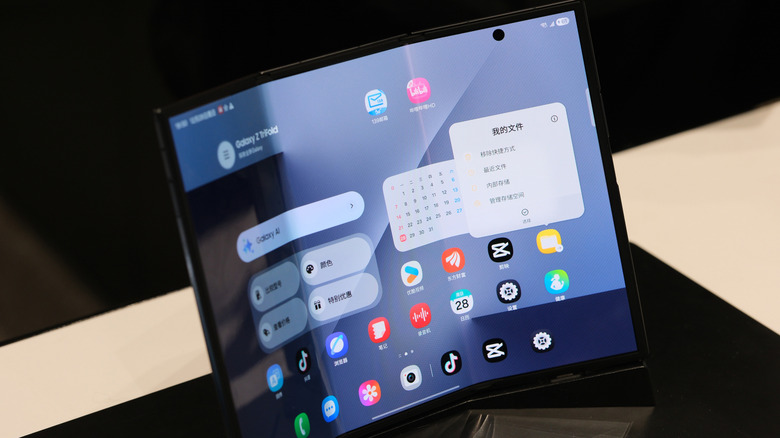
Factors influencing a foldable’s lifespan extend beyond just the hinge and screen. The battery, like in any smartphone, will degrade over time, affecting daily usability. Software updates, or the lack thereof, can also dictate a device’s functional lifespan, as older models may eventually lose compatibility with newer applications or security patches. Moreover, the physical wear on moving parts, such as the hinge, can lead to increased crease visibility, changes in the feel of the fold, or even diminished water and dust resistance over time, as seals and moving components naturally degrade.
Economic and Environmental Implications of Foldable Durability
The durability of foldable phones carries significant economic and environmental implications. From an economic standpoint, the advanced technology and intricate engineering behind foldables translate to higher repair costs, particularly for screen replacements. A damaged inner display on a foldable can often cost hundreds of dollars to replace, sometimes nearing the price of a mid-range traditional smartphone. This high repair cost can be a deterrent for consumers, influencing their purchasing decisions and potentially leading to devices being replaced rather than repaired, especially outside of warranty. Manufacturer warranties and optional extended care plans become critical considerations for owners of these premium devices.
Environmentally, the longevity of electronic devices is a growing concern. Shorter lifespans due to durability issues contribute to electronic waste (e-waste), a significant global environmental problem. The desire for longer-lasting, more repairable devices aligns with sustainability goals. As foldables become more common, their design and repairability will increasingly impact their environmental footprint. Manufacturers are under pressure to not only improve durability but also to design devices that are easier and more cost-effective to repair, promoting a circular economy approach rather than a disposable one.
Industry Responses and Future Outlook
The industry is keenly aware of the durability challenges facing foldable technology. Manufacturers like Samsung, Huawei, Google, and Oppo are continuously investing in research and development to enhance the resilience of their foldable devices. This includes exploring new, even more robust flexible display materials, developing advanced hinge designs that are resistant to dust and offer smoother folding mechanisms, and improving internal sealing techniques to achieve higher IP ratings. There is also a growing emphasis on user education, with manufacturers providing detailed care guides and sometimes even offering specialized support programs for foldable owners.
The future of foldables is likely to see further convergence towards the durability standards of traditional smartphones. As manufacturing processes mature and materials science advances, the gap in robustness between folding and non-folding devices is expected to narrow. The integration of more resilient UTG, innovative dust-resistant hinge mechanisms, and perhaps even self-healing screen technologies could eventually make foldable phones as robust as their slab counterparts. However, for the foreseeable future, owners of foldable devices must remain vigilant and proactive in their care.
Conclusion: A Mindful Approach to Cutting-Edge Technology
Foldable smartphones represent the cutting edge of mobile innovation, offering compelling new form factors and user experiences. However, their sophisticated design necessitates a mindful approach to ownership. Avoiding common pitfalls such as trapping foreign objects, understanding the nuances of IP ratings, and exercising care when interacting with the delicate inner screen are paramount to preserving the device’s functionality and extending its lifespan. While manufacturers continue to push the boundaries of durability, the responsibility for day-to-day care ultimately rests with the user. By adhering to best practices and treating these devices with the consideration they demand, consumers can fully enjoy the transformative potential of foldable technology for years to come, ensuring their high-value investment remains functional and aesthetically pleasing. The future of mobile computing is unfolding, and with careful handling, foldable phones are poised to become an enduring fixture in the technological landscape.