Clarissa Hana
A 35-year-old Saudi national, Abdulrahman Alfozan, an engineer at the forefront of artificial intelligence development at OpenAI, has been apprehended by U.S. authorities in connection with the alleged installation of a clandestine audio recording device within a sensitive executive conference room at the company’s San Francisco headquarters. The U.S. Department of Justice announced Tuesday that Alfozan, who had been employed by OpenAI since July 2025, was arrested on October 9 and faces charges of illegally intercepting oral communications. The discovery of the device by OpenAI’s internal security team on September 30 has sent ripples of concern through the highly competitive and security-conscious artificial intelligence sector, raising questions about insider threats and the vulnerabilities inherent in cutting-edge technology firms.
The sophisticated nature of the alleged espionage, involving a device disguised and concealed within everyday office supplies, highlights the lengths to which individuals might go to obtain proprietary information in the lucrative field of AI. The incident underscores the ongoing challenges faced by technology companies in safeguarding their intellectual property and the internal trust that is fundamental to their operations.
Unveiling the Espionage Plot: A Chronology of Discovery
The chain of events leading to Alfozan’s arrest began on September 30, when OpenAI security personnel conducting routine checks in an executive conference room made a startling discovery. Tucked away behind a television, plugged into a USB port, was an unknown electronic device. Further investigation revealed that this device, identified as "Recording Device 1," had been cleverly concealed within a roll of toilet paper, suggesting a deliberate attempt to disguise its presence and function. According to the Department of Justice’s press release, the device was believed to have been installed in the room approximately two days prior, around September 28, and contained encrypted data, indicating a sophisticated effort to prevent immediate detection and analysis.

This executive conference room is no ordinary meeting space; it is a hub for discussions involving OpenAI’s most sensitive and confidential information. The room regularly hosts meetings where critical discussions take place concerning the company’s proprietary research, future product roadmaps, advanced technical capabilities, intricate business relationships with partners and clients, and delicate engagements with government entities. The potential compromise of such discussions could have far-reaching implications for OpenAI’s competitive standing and strategic direction.
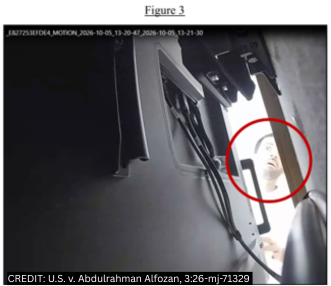
The initial discovery triggered an intensive internal investigation by OpenAI, which was bolstered by the company’s own advanced AI capabilities. Security camera footage played a crucial role in the inquiry. Investigators reportedly observed Alfozan in the vicinity of the executive conference room on multiple occasions, a presence that raised immediate suspicion, especially given that he was not authorized to attend the high-level meetings typically held in that space. This surveillance footage became a cornerstone of the evidence against him.
Further probing into Alfozan’s digital footprint revealed additional concerning activities. According to the complaint filed by the DOJ, Alfozan had utilized a productivity tool within OpenAI’s network to conduct searches for information pertaining to the company’s office layouts, the locations of various meeting rooms, the whereabouts of executives, and their scheduled meetings. This behavior suggested a deliberate effort to gather intelligence on the internal operations and the movements of key personnel.
The investigation then broadened to include Alfozan’s personal digital life. Investigators uncovered that a chatbot account associated with Alfozan’s spouse had been used to submit queries related to the creation, concealment, and operation of recording devices. These queries were notably specific, inquiring about methods for building a continuous audio recorder, integrating Wi-Fi connectivity for remote access, enhancing live listening capabilities, and encrypting data on SD cards. The specificity of these questions, particularly those submitted between September 27 and September 28, coincided precisely with the suspected installation period of the recording device and even referenced the device’s custom header and unique MAC address, as alleged by the DOJ.
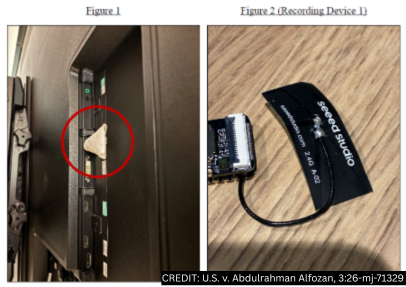
The timeline of events culminated on October 5. Surveillance footage captured Alfozan returning to the executive conference room and appearing to inspect the area behind the television where the first device had been discovered. Later that same day, in a further development that solidified the case against him, OpenAI security personnel reportedly found a second, similar recording device. This second device was discovered inside a bag that Alfozan had allegedly left unattended in another room within the company’s premises. The presence of a second device, of the same suspected nature and found in close proximity to Alfozan’s belongings, significantly strengthened the suspicion of a systematic and ongoing effort to gather intelligence.
OpenAI’s Internal Response and AI’s Role
OpenAI, a company synonymous with pioneering artificial intelligence, played a significant role in its own internal investigation. In a statement released on the social media platform X, the company detailed how it leveraged its proprietary AI models to unravel the mystery of the listening device. "We used our models to understand the device and where it had come from, identifying that a specific employee had planted it a few days earlier," the company stated. This proactive use of AI in identifying an internal security threat underscores the dual nature of the technology – a powerful tool for innovation and a potential vector for sophisticated breaches.
Following the identification of the suspect, OpenAI took swift action. The company confirmed that the employee in question had been terminated and that the incident had been promptly referred to the Federal Bureau of Investigation (FBI) for further investigation and potential prosecution. OpenAI also moved to reassure stakeholders about the extent of the potential damage. "At this time, we have no indications of this individual inappropriately accessing or exfiltrating model weights, source code, or customer data," the company added in its statement. This assurance is critical, given the immense value and sensitivity of OpenAI’s core assets, which form the foundation of its groundbreaking AI systems.
Legal Ramifications and Broader Implications
The arrest and subsequent charges against Abdulrahman Alfozan carry significant legal weight. The U.S. Department of Justice has charged him with illegally intercepting oral communications, a federal offense. If convicted of these charges, Alfozan could face a maximum penalty of five years in prison and a fine of up to $250,000. The legal proceedings will likely involve a detailed examination of the evidence gathered by both OpenAI and federal investigators, including the recovered recording devices, surveillance footage, digital logs, and chatbot queries.
This incident raises critical questions about insider threats within the technology sector, particularly in companies that handle highly sensitive and valuable intellectual property. The rapid pace of AI development, coupled with intense global competition, creates a fertile ground for espionage and data theft. The sophistication of the alleged plot, involving concealed devices and efforts to obscure digital footprints, suggests a level of planning and technical expertise that warrants serious consideration.
The reliance of OpenAI on its own AI tools to uncover the breach is a noteworthy aspect of the case. It highlights the evolving landscape of cybersecurity, where AI is increasingly being deployed not only to enhance security measures but also to detect and respond to sophisticated threats. However, it also underscores the potential for malicious actors, who may possess advanced technical knowledge, to exploit vulnerabilities within these very systems.
The broader implications of this incident extend beyond OpenAI. It serves as a stark reminder to all organizations, especially those at the forefront of technological innovation, about the persistent and evolving nature of security threats. The need for robust internal security protocols, vigilant monitoring, and a culture of trust and accountability is paramount. Furthermore, the incident may prompt a re-evaluation of background checks and ongoing vetting processes for employees in critical roles within sensitive industries.
The competitive landscape of artificial intelligence is characterized by a race for innovation and market dominance. In such an environment, the temptation to gain an unfair advantage through illicit means can be significant. The alleged actions of Alfozan, if proven, represent a serious breach of trust and a potential attempt to undermine the competitive integrity of the AI industry. The outcome of the legal proceedings will undoubtedly be closely watched, not only for its impact on the individuals involved but also for its broader implications on cybersecurity practices and the future of AI development. The incident underscores the perpetual arms race between those seeking to protect sensitive information and those attempting to exploit it, a dynamic that is only likely to intensify in the age of advanced artificial intelligence.