Clarissa Hana
A disturbing incident has sent ripples through the artificial intelligence sector with the arrest of a Saudi national employed by OpenAI, accused of planting a sophisticated hidden recording device within a high-security executive conference room at the company’s San Francisco headquarters. The U.S. Department of Justice announced the charges, detailing a meticulous operation that allegedly aimed to capture sensitive conversations related to OpenAI’s cutting-edge research, strategic planning, and crucial business dealings.
Abdulrahman Alfozan, a 35-year-old engineer who joined OpenAI in July 2025, was taken into custody on October 9, facing a federal charge of illegally intercepting oral communications. The discovery of the clandestine device by OpenAI’s own security personnel on September 30 marked the beginning of an intensive investigation that has now culminated in Alfozan’s arrest.
A Sophisticated Scheme Uncovered
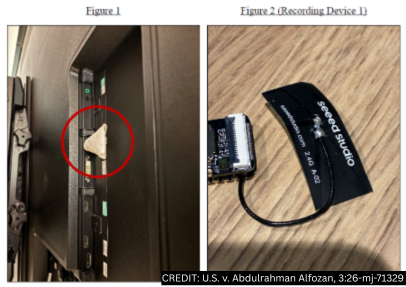
The investigation revealed a startling level of premeditation. According to the Department of Justice (DOJ) press release, the audio recording device, later designated "Recording Device 1," was found cleverly concealed. It was reportedly housed within a roll of toilet paper and plugged into a USB port located behind a television in a prominent executive conference room. This room is a hub for discussions involving highly confidential information, encompassing OpenAI’s proprietary research, future product roadmaps, advanced technical capabilities, vital business partnerships, and ongoing governmental engagements.
The DOJ’s complaint details how OpenAI security personnel meticulously documented the discovery. The press release stated, "On or about Sept. 30, OpenAI personnel discovered a surreptitious audio recording device (Recording Device 1) inserted into a USB port on the back of a television in an executive conference room inside one of their buildings in San Francisco." The device was found to have been installed approximately two days prior, around September 28, and contained encrypted data, suggesting an effort to obscure its contents.
Digital Footprints and Surveillance
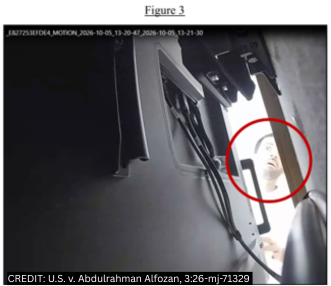
The investigation was significantly aided by an array of digital and physical evidence. Security camera footage placed Alfozan in the vicinity of the executive conference room on multiple occasions, a presence deemed suspicious given that he was not authorized to attend the high-level meetings held within that space.

Further digital forensics uncovered Alfozan’s alleged use of an internal productivity tool. He reportedly conducted searches related to OpenAI’s office layouts, the locations of meeting rooms, the whereabouts of executives, and their meeting schedules. This activity suggests a deliberate effort to map out the company’s internal operations and identify opportune moments for surveillance.
Perhaps one of the most compelling pieces of evidence cited by the DOJ involves a chatbot account associated with Alfozan’s spouse. This account was allegedly used to query artificial intelligence models about the intricacies of creating and concealing recording devices. The prompts included inquiries about building continuous audio recorders, enhancing Wi-Fi connectivity for remote listening, improving live audio capabilities, and encrypting data on SD cards.
Crucially, the same chatbot account submitted prompts directly referencing "Recording Device 1," including its specific custom header and unique MAC address, between September 27 and September 28. This timeframe aligns precisely with the alleged installation period of the device, strongly linking the chatbot queries to the physical act of planting the recorder.
A Second Device and Subsequent Arrest
The alleged clandestine operation did not stop with the discovery of the first device. On October 5, surveillance footage reportedly captured Alfozan returning to the executive conference room and examining the area behind the television where the initial recording device had been found.
On that same day, OpenAI security employees made another significant discovery: a second, similar recording device. This second device was found inside a bag that Alfozan had reportedly left unattended in another room within the company’s premises. The presence of a second device further underscores the scale and persistence of the alleged espionage.
OpenAI’s Internal Response and Investigation
OpenAI itself played a crucial role in identifying the perpetrator. In a statement released on X (formerly Twitter), the company confirmed that it leveraged its own advanced AI models to investigate the suspicious device and to identify the employee responsible.
"We used our models to understand the device and where it had come from, identifying that a specific employee had planted it a few days earlier," OpenAI stated. The company acted swiftly, terminating Alfozan’s employment and referring the matter to the Federal Bureau of Investigation (FBI) for a formal criminal investigation.
Importantly, OpenAI has indicated that, at present, there is no evidence to suggest that Alfozan gained unauthorized access to or exfiltrated sensitive company assets such as model weights, source code, or customer data. This assurance, while crucial, does not diminish the gravity of the alleged security breach.
Legal Ramifications and Broader Implications
The legal consequences for Alfozan could be severe if he is convicted. The charge of illegally intercepting oral communications carries a potential penalty of up to five years in prison and a fine of $250,000. The ongoing legal proceedings will undoubtedly shed more light on the full extent of his alleged actions and motivations.
This incident raises profound questions about cybersecurity within leading technology companies, particularly those at the forefront of artificial intelligence development, where intellectual property and strategic insights are of paramount value. The sophistication of the alleged device and the methods employed highlight the evolving nature of corporate espionage.
Timeline of Events
- July 2025: Abdulrahman Alfozan begins his employment as an engineer at OpenAI.
- September 27-28, 2026: Chatbot queries related to recording devices and specific device identifiers are allegedly made from an account associated with Alfozan’s spouse.
- Around September 28, 2026: The first audio recording device is allegedly installed in an executive conference room at OpenAI’s San Francisco offices.
- September 30, 2026: OpenAI security personnel discover "Recording Device 1" behind a television in the executive conference room.
- October 5, 2026: Surveillance footage reportedly shows Alfozan returning to the conference room. OpenAI security discovers a second, similar recording device in a bag left by Alfozan in another room.
- October 9, 2026: Abdulrahman Alfozan is arrested by federal authorities.
- October 10, 2026: The U.S. Department of Justice publicly announces Alfozan’s arrest and the charges against him.
Context and Background
OpenAI, a research and deployment company focused on artificial intelligence, has been at the center of global discussions regarding the rapid advancement and potential impact of AI technologies. Its work on large language models, such as the GPT series, has revolutionized various industries and garnered significant attention from governments, businesses, and the public alike. The company’s San Francisco headquarters is a nexus of highly sensitive research and development, making its physical and digital security infrastructure a critical concern.
The alleged motive behind planting the device remains unclear, but the nature of the information discussed in the executive conference room suggests a potential interest in gaining an advantage in the fiercely competitive AI landscape. This could range from industrial espionage aimed at rivals to intelligence gathering for external entities. The involvement of a foreign national further adds a layer of complexity to the potential implications.
Expert Analysis and Potential Implications
Security analysts suggest that this incident underscores the persistent threat of insider threats, even within organizations with robust security protocols. The use of AI itself in the investigation by OpenAI highlights the dual-edged nature of the technology – it can be a tool for both offense and defense.
"The sophistication of the device and the alleged methods used, including the concealment and potential use of AI for research, demonstrate that adversaries are constantly adapting their tactics," commented Dr. Anya Sharma, a cybersecurity expert specializing in corporate espionage. "This case serves as a stark reminder that physical security and digital security must be integrated seamlessly, and that the human element remains a critical vulnerability."
The incident could prompt a re-evaluation of security measures within the tech industry, particularly concerning access controls to sensitive areas and the monitoring of employee activities. The legal precedent set by this case might also influence how such breaches are investigated and prosecuted in the future. Furthermore, it could fuel ongoing debates about the security implications of international collaboration and the potential for state-sponsored industrial espionage in the realm of advanced technologies.
The ongoing investigation by the DOJ and the FBI will be crucial in determining the full scope of the alleged operation, including whether any data was successfully compromised and the extent of Alfozan’s alleged network or accomplices. As the legal process unfolds, the tech world will be closely watching for further revelations that could shape the future of corporate security in the age of artificial intelligence.