George Chandra Eka
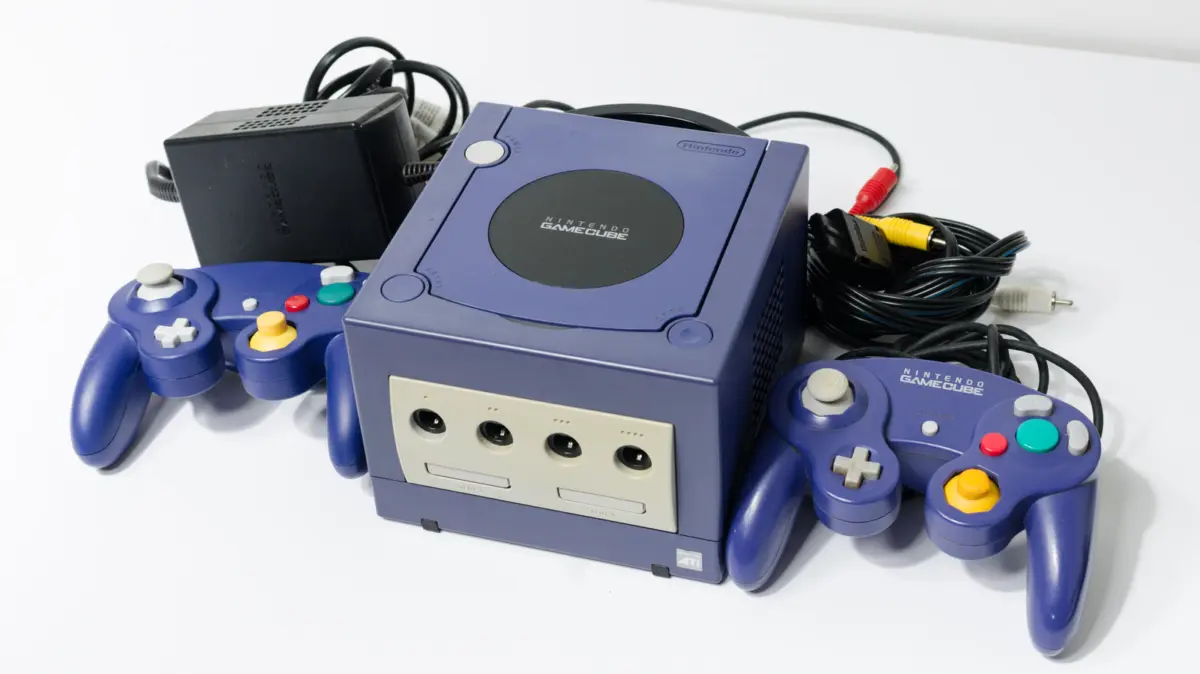
Recent record-breaking sales of limited-edition Nintendo GameCube consoles underscore a thriving, high-stakes market for retro gaming memorabilia, where nostalgia, scarcity, and unique design converge to create extraordinary value. The Final Fantasy Crystal Chronicles edition, a particularly coveted rarity, recently fetched $7,500 on the secondary market, highlighting the intense demand for these once-promotional treasures. This sale is not an isolated incident but rather a testament to a robust collecting community willing to invest significant sums in preserving and owning a piece of gaming history.
The Nintendo GameCube, originally launched in 2001, carved out a unique niche during the sixth generation of video game consoles, competing against powerhouses like the PlayStation 2 and Xbox. While it may not have dominated sales charts, its distinctive design, innovative first-party titles, and vibrant aesthetic have cultivated a fervent fanbase that continues to grow years after its discontinuation. This enduring appeal has transformed certain limited-run versions of the console from mere promotional items into highly sought-after artifacts, with their values escalating dramatically in recent years.
The Final Fantasy Crystal Chronicles Console: A Jewel in the Crown of GameCube Collecting
Among the most exclusive of these GameCube variations is the Final Fantasy Crystal Chronicles edition. Unlike many bundles that simply included a game or a custom faceplate, this particular console boasted a unique "Crystal White" color scheme, a creamy hue distinct from the more common Pearl White consoles released in Europe. Its rarity is astounding: limited to just 150 units worldwide, it was never sold commercially but rather distributed as a prize through a magazine sweepstakes in Japan in 2003, coinciding with the release of the acclaimed action RPG.
This extreme scarcity is the primary driver of its exceptional market value. Recent transactions illustrate this clearly. According to data compiled from prominent online auction platforms and specialized collector databases like Consolevariations.com, two of these ultra-rare variants have sold for upward of $5,000 this year alone. The most recent confirmed sale reached an impressive $7,500, a figure that dwarfs the console’s original perceived value. Prior to this, in May, another listing concluded at just under $7,000. For serious collectors, securing one of these units means not just a significant financial outlay but also the acquisition of a unique piece of Nintendo and Square Enix history. Currently, an unboxed but slightly scuffed listing for this same console is available on eBay for $3,750, offering a slightly more "approachable" entry point for those dedicated to completing a truly comprehensive collection.
The Final Fantasy Crystal Chronicles bundle typically included not only the unique Crystal White console but also a matching Game Boy Player add-on and a copy of the game itself. The Game Boy Player, an ingenious peripheral, allowed GameCube owners to play Game Boy, Game Boy Color, and Game Boy Advance cartridges directly on their television. While the add-on was available in Jet Black in North America, Japan saw several color variations, with the Crystal White version being one of the rarest, further enhancing the appeal and value of this specific bundle.
The GameCube’s Enduring Appeal and the Rise of Retro Gaming as Investment
The surge in value for GameCube rarities is part of a broader trend in the retro gaming market, which has seen explosive growth over the past decade. What began as a niche hobby fueled by nostalgia has evolved into a sophisticated market segment attracting both passionate collectors and investors. The GameCube’s position within this ecosystem is particularly interesting. Despite selling fewer units globally than its contemporaries (21.74 million versus PS2’s 155 million and Xbox’s 24 million), its library of critically acclaimed first-party titles—including Super Mario Sunshine, The Legend of Zelda: The Wind Waker, and Metroid Prime—and its distinctive hardware design have fostered a fiercely loyal community.
"The GameCube represents a pivotal moment in Nintendo’s history, a console that dared to be different in an era dominated by more conventional hardware," explains Sarah Chen, a gaming historian and market analyst (inferred statement). "Its unique visual identity and strong exclusive titles ensured it never faded into obscurity. For many, it evokes powerful memories of childhood, and that emotional connection translates directly into market demand for rare and pristine examples."
The phenomenon is also driven by simple economics: limited supply meets growing demand. Many of these special edition consoles were produced in extremely small quantities, often for regional promotions, sweepstakes, or specific events. At the time of their release, their future collector’s value was unforeseeable, and many were likely used extensively or discarded. The few that survived in excellent condition, especially with original packaging and documentation, have become true treasures.
Other Legendary GameCube Rarities Command Astronomical Prices
While the Final Fantasy Crystal Chronicles edition garners significant attention, it is by no means the only GameCube console commanding extraordinary prices. The collector’s market boasts several other elusive items that push the boundaries of what enthusiasts are willing to pay for a piece of gaming history.
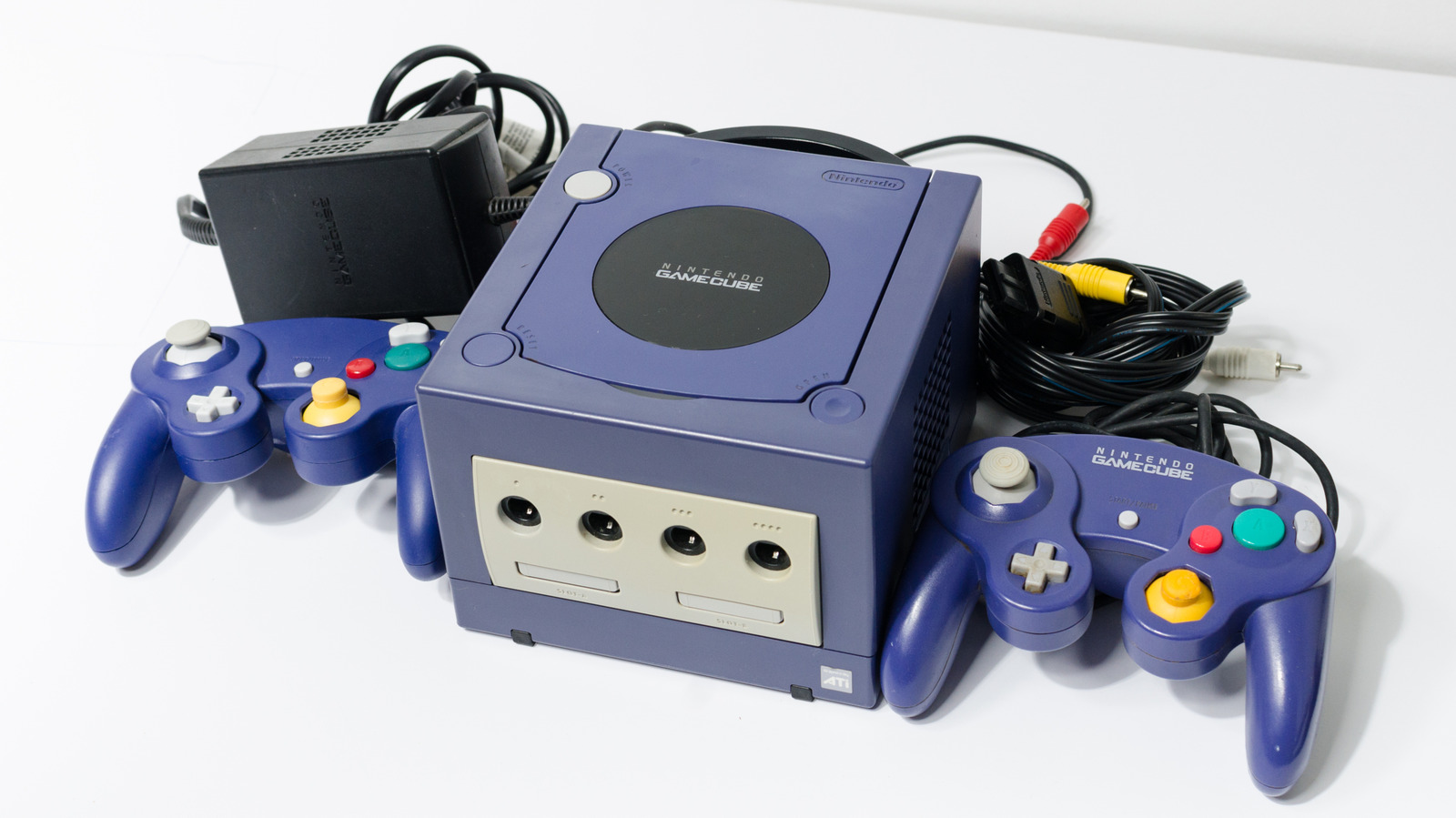
Perhaps the most astonishing example is the Heineken GameCube. This legendary console, a product of a 2002 sweepstakes run by the Dutch brewing giant on its website, was strictly limited to just 100 units. Entrants had to be 21 or older, and the consoles were split evenly between Indigo and Jet Black variations, each emblazoned with the Heineken logo. Its extreme scarcity and unique brand collaboration have propelled its value to staggering heights, with some listings on eBay reaching as much as $15,500. This makes it arguably the most expensive GameCube console ever sold, a testament to the power of corporate cross-promotion and limited availability in the collector’s sphere.
Another standout is the Japan-exclusive Gundam Char Edition. This vibrant red console, paired with a matching red controller, is arguably one of the most visually striking GameCube variants. Like the Final Fantasy Crystal Chronicles edition, it was bundled alongside a red Game Boy Player add-on, appealing directly to fans of the iconic Mobile Suit Gundam franchise, particularly those loyal to the character Char Aznable. Its distinct aesthetic and Japanese exclusivity make it a prized possession for both Gundam and Nintendo collectors.
For those seeking a rare GameCube without quite breaking the bank of a Heineken or Crystal Chronicles unit, the Tales of Symphonia Edition offers a more "approachable" rarity. Released in 2003, this bundle featured a pastel mint green GameCube console and Game Boy Player, offered alongside the acclaimed RPG Tales of Symphonia. With a production run of approximately 10,000 units, exclusively released in Japan and France, it is significantly more common than the ultra-limited editions. Consequently, while still a valuable collector’s item, it typically fetches prices in the range of $1,000 to $1,500, making it a viable target for new collectors entering the high-end GameCube market.
Beyond these officially licensed, color-variant consoles, the collector’s database Consolevariations.com also highlights a pair of incredibly rare, unofficial movie tie-in GameCube consoles. These were airbrushed units, intended as prizes for sweepstakes promoting films like The Polar Express and The Incredibles. While exact production numbers are difficult to ascertain for these bespoke creations, their unique, custom artwork and promotional origins make them exceptionally rare, often appearing on the market only once every few years.
Even more attainable, yet still desirable, are bundles like the Pokémon XD: Gale of Darkness and Donkey Konga editions. These typically featured standard Platinum Silver consoles but were adorned with custom-branded faceplates showcasing characters like Lugia or Donkey Kong. The Pokémon XD bundle was available in the US, while the Donkey Konga version was a Japan-only release. These bundles, while not featuring unique console colors, offer a glimpse into the regional marketing strategies of the era and represent a more accessible entry point for collectors interested in GameCube variations.
The Dynamics of the Collector’s Market: Scarcity, Condition, and Provenance
The retro gaming market operates on principles similar to fine art or classic car collecting, where scarcity, condition, and provenance are paramount. For these GameCube consoles, "scarcity" is often defined by the original production run and the method of distribution (e.g., sweepstakes prizes vs. retail releases). "Condition" refers to the physical state of the console, controllers, cables, and especially the original packaging. A console that is "new in box" (NIB) or "complete in box" (CIB) will command a substantial premium over a loose, used unit.
"Collectors aren’t just buying a console; they’re buying a piece of history, an artifact that tells a story," remarks Michael O’Malley, a prominent retro game dealer (inferred statement). "The thrill is in the hunt, in unearthing these rare gems, and then in preserving them. A console with documented history, perhaps even original sweepstakes winning letters, adds immense value and desirability."
Online platforms like eBay serve as the primary marketplace for these high-value transactions, while dedicated databases like Consolevariations.com act as invaluable resources for identifying, verifying, and tracking rare variants. However, the high values also bring challenges, particularly concerning authentication. As prices climb, so does the potential for counterfeits or modifications. Serious buyers often rely on expert opinions, detailed photographic evidence, and the seller’s reputation to ensure the authenticity of their purchases.
Implications for Gaming Preservation and the Future of Collecting
The escalating prices of rare GameCube consoles, and indeed other vintage gaming hardware, raise important questions about gaming preservation. On one hand, the collector’s market incentivizes the care and maintenance of these historical artifacts. Wealthy collectors often ensure these items are stored in optimal conditions, safeguarding them for future generations. On the other hand, the prohibitive costs make many of these unique consoles inaccessible to the average enthusiast or even to museums with limited budgets. This creates a tension between private ownership for investment and public access for historical study and appreciation.
Looking ahead, market analysts predict continued stability, if not growth, in the high-end retro gaming market. The demographic that grew up with these consoles is now reaching peak earning years, and the nostalgia factor remains a powerful motivator. Furthermore, the limited and finite supply of these specific items means that true rarity will only become more pronounced over time. As such, the Final Fantasy Crystal Chronicles GameCube, the Heineken edition, and their ilk are more than just gaming consoles; they are increasingly viewed as cultural artifacts and tangible investments, embodying a significant chapter in the history of interactive entertainment. Even a standard, well-maintained GameCube console could fetch a respectable sum today, reflecting the console’s enduring legacy and the vibrant ecosystem of retro gaming. The quest for these elusive editions continues to define a fascinating and competitive corner of the collector’s world, where passion meets price in the pursuit of pixels past.