Garick Elordi
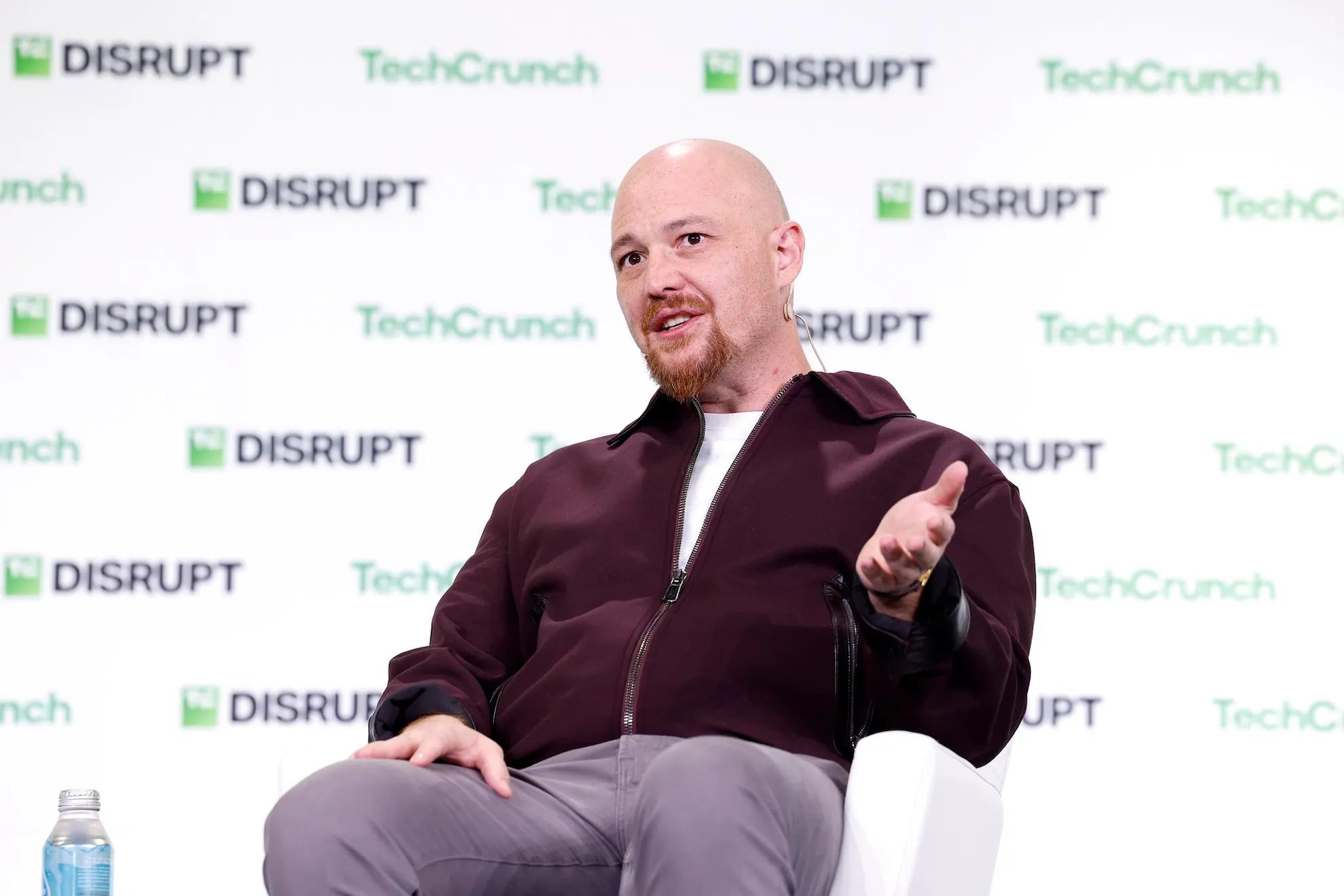
Steven Sharif, the creator and primary visionary behind the ambitious MMORPG Ashes of Creation, has initiated high-stakes legal action against the Board of Directors of his own company, Intrepid Studios. The lawsuit, filed in federal court in San Diego, marks a dramatic escalation in a corporate conflict that has already resulted in mass layoffs and the temporary cessation of development activities. Sharif’s legal team successfully secured a temporary restraining order (TRO) against Board Chair Rob Dawson and the affiliated entity TFE Games Holdings LLC, effectively freezing the company’s intellectual property and preventing what Sharif describes as a "manufactured insider foreclosure."
The legal battle comes at a critical juncture for the project, which gained international prominence in 2017 after securing $3.2 million in funding from nearly 20,000 backers on Kickstarter. For years, Ashes of Creation was viewed as a beacon of hope for the MMORPG genre, promising a player-driven "sandpark" experience where world-building and destruction were dictated by community actions. However, the recent internal strife has cast a shadow over the game’s future, leaving thousands of investors and players questioning the stability of Intrepid Studios.
The Resignation and Allegations of Fiduciary Breach
The conflict became public last month when Sharif abruptly resigned from his position as Director. At the time, Sharif stated he was quitting "in protest" of board decisions that he claimed he could not ethically support. Shortly after his departure, the board moved forward with a sweeping workforce reduction, terminating the majority of the leadership team and development staff. A scheduled community livestream intended for mid-February was subsequently canceled, signaling a total breakdown in operations.
In a detailed statement released via the game’s official Discord channel on March 6, Sharif broke his silence regarding the motivations behind his legal filing. He alleges that the board, led by Rob Dawson, engaged in a calculated effort to dismantle Intrepid Studios and repurpose its assets for personal gain. According to the complaint, the board attempted to orchestrate an "unlawful and manufactured insider foreclosure" to transfer the Ashes of Creation intellectual property to TFE Games Holdings LLC.
Sharif’s claims include breaches of fiduciary duty, violations of federal and state trade secret laws, and wrongful efforts to seize company assets. He asserts that the board’s strategy was designed to "cut out Intrepid’s long-term shareholders, lenders, employees, and community" while shifting the blame for the company’s potential collapse onto him through a public misinformation campaign.
A History of Crowdfunded Ambition
To understand the weight of this legal battle, one must look at the unique trajectory of Ashes of Creation. Founded by Sharif with the goal of creating the "ultimate" MMORPG, Intrepid Studios bypassed traditional publisher models to maintain creative independence. The 2017 Kickstarter campaign remains one of the most successful in gaming history, reflecting a deep-seated desire among players for a return to complex, social-driven online worlds.
Sharif, a former high-ranking player in games like ArcheAge, famously pledged millions of his own personal wealth to fund the project alongside the community. In his recent statement, he reiterated that he had poured his "resources, millions of dollars, health, and sole focus" into the game. He maintains that much of the company’s capital was secured through lenders who provided financing based on his personal guarantees and the collateralization of his own equity.
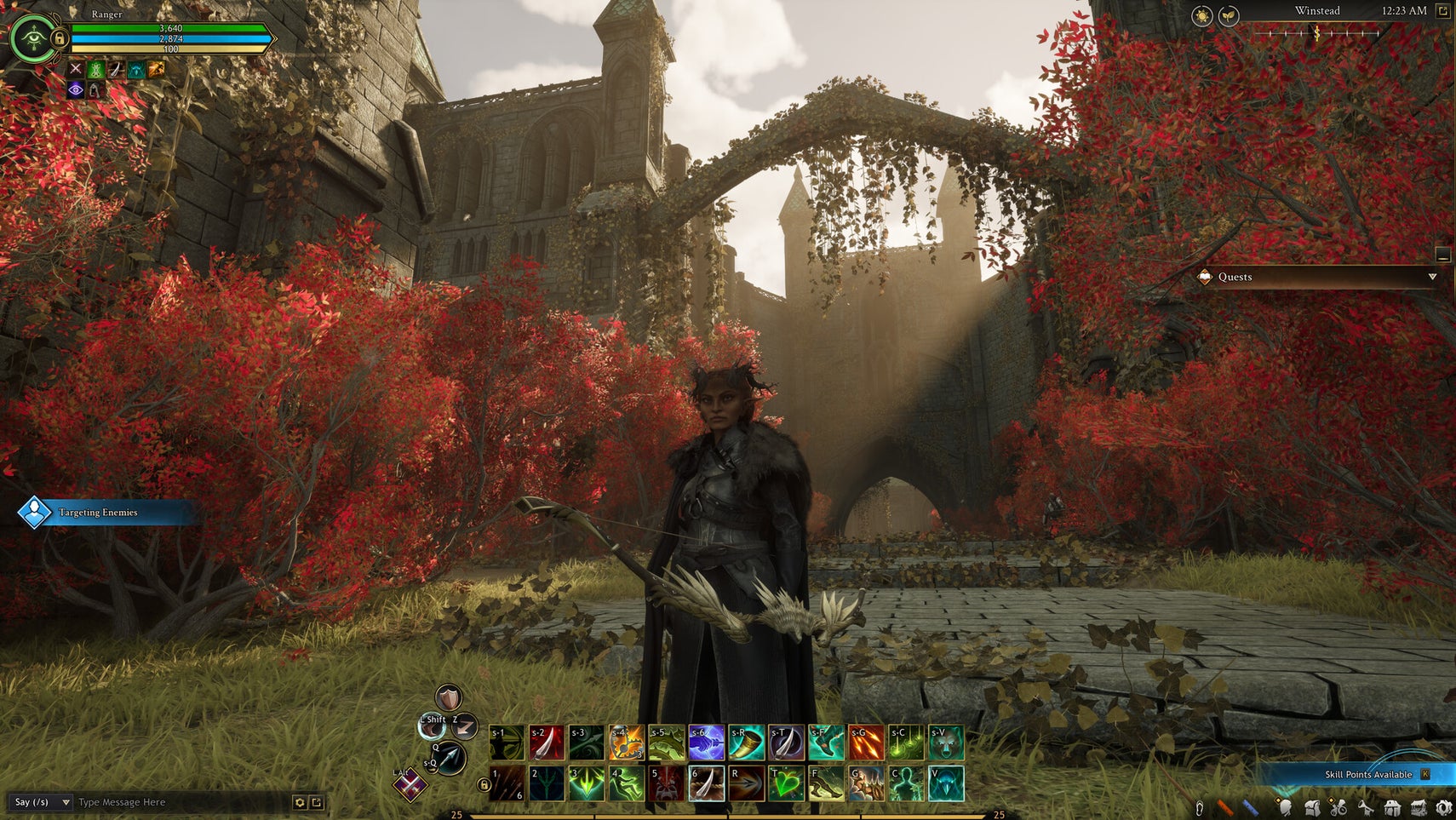
Despite the project’s high profile, development has been long and fraught with the typical challenges of the genre. The game is currently in an Alpha phase, and while it has generated significant interest, it has also faced criticism for its protracted timeline and the sale of high-priced cosmetic packages during its development phase.
Performance Metrics and Market Value
A central component of Sharif’s legal argument involves the inherent value of the Ashes of Creation IP, which he claims the board sought to misappropriate. Despite recent "Overwhelmingly Negative" reviews on Steam—largely attributed to community backlash regarding the corporate instability—Sharif provided data suggesting the project was a financial and engagement success prior to the board’s intervention.
According to internal figures cited in the litigation:
- Gross Sales: The project has generated approximately £6.7 million ($9 million) in gross sales.
- Player Base: The game reached roughly 300,000 monthly active players during its testing phases.
- Wishlist Interest: Approximately 400,000 additional players have the game on their Steam wishlists, with millions of registered accounts on the official website.
- Retention Rates: Sharif claims a 76 percent peak concurrent user retention rate at the 30-day mark. In the MMORPG industry, such a figure is considered extraordinarily high, particularly for a title still in an early access or testing environment.
Sharif argues that these metrics are precisely why TFE Games Holdings LLC sought to seize the project. By forcing a foreclosure, the board could theoretically wipe out existing debt and shareholder obligations while retaining a highly valuable, revenue-generating asset.
The Temporary Restraining Order and Court Findings
The San Diego court’s decision to grant a temporary restraining order represents a significant preliminary victory for Sharif. The court found that the "balance of hardships tips sharply" in Sharif’s favor, noting that Intrepid Studios has already suffered reputational and business harm from the "likely unlawful foreclosure."
Under the terms of the TRO, Rob Dawson and any agents working for him are strictly prohibited from:
- Accessing, using, selling, or distributing the trade secrets of Intrepid Studios.
- Causing any third party to access or distribute the Ashes of Creation intellectual property.
- Moving forward with any sale of the game’s assets to TFE Games or other entities.
The court’s ruling emphasized that if the board were allowed to continue its current course, Intrepid would lose its primary valuable asset, effectively ending any chance of the company bringing Ashes of Creation to market independently. This legal "freeze" ensures that the status quo is maintained while the broader claims of fiduciary breach and trade secret theft are litigated.
The Human Impact and Corporate Fallout
Beyond the legal and financial implications, the internal collapse of Intrepid Studios has had a devastating impact on its workforce. Sharif alleges that his resignation on January 19 was driven by his inability to stop the board from firing employees "without their legally entitled pay."

The mass layoffs have left hundreds of developers, many of whom had dedicated years to the project, without employment or benefits. Sharif described the impact on these individuals as "overstated," noting that a decade of collective work was thrown into uncertainty in a matter of weeks. The "Mostly Negative" sentiment on platforms like Steam reflects not just frustration with the game’s progress, but a growing sense of betrayal among the backers who funded the project under the premise of a developer-first, community-driven studio.
Sharif has categorically denied accusations of mismanagement or financial misconduct, framing his legal action as a fight for the rights of developers and shareholders alike. He expressed confidence that the discovery process—which will include internal communications, board records, and financial documentation—will provide a "far more complete picture" of the events that led to the shutdown.
Analysis of Implications for the MMORPG Industry
The situation at Intrepid Studios serves as a cautionary tale for the burgeoning world of large-scale crowdfunded development. While the model allows for creative freedom, it also places immense pressure on founders to navigate complex corporate governance structures as their projects scale.
If Sharif is successful in his lawsuit, it could set a precedent for how "founder-led" crowdfunded companies protect their intellectual property from hostile board actions. Conversely, if the board’s actions are eventually upheld, it may signal a shift in how distressed gaming assets are handled, potentially making investors more wary of projects where the IP is tied heavily to a single individual’s personal guarantees.
For the 20,000 original backers and the hundreds of thousands of registered users, the immediate future of Ashes of Creation remains in limbo. While the restraining order prevents the immediate sale of the game, it does not restart the development engines. The path to "The Return to Verra"—the game’s promised world—now leads through a federal courtroom in San Diego.
As the litigation progresses, the gaming community remains watchful. The outcome will determine whether Ashes of Creation becomes a landmark success for independent development or one of the most expensive and high-profile failures in the history of the genre. For now, Steven Sharif maintains that the game was "never just a corporate asset to flip," but a decade-long labor of love that he intends to protect at all costs.