Metty Iskandar
A significant security vulnerability has emerged, impacting Qualcomm’s latest Snapdragon 8 Elite Gen 5 system-on-chip (SoC) and potentially jeopardizing the bootloader security of numerous high-end Android smartphones. This exploit, dubbed the "Qualcomm GBL Exploit," circumvents previously stringent bootloader unlock restrictions, raising concerns among security researchers and device manufacturers alike. The ramifications extend beyond simple device customization, touching upon the fundamental security architecture of modern mobile devices.
The Genesis of the Qualcomm GBL Exploit
The exploit targets a critical oversight in the implementation of the Generic Bootloader Library (GBL) on Android devices running Android 16 and powered by Qualcomm chipsets. The GBL is a crucial component in the secure booting process, ensuring the integrity of the software loaded onto a device from the moment it powers on. Qualcomm’s vendor-specific Android Bootloader (ABL) is designed to load the GBL from a partition known as "efisp." However, the exploit leverages a flaw in how the ABL verifies the GBL. Instead of performing a robust authenticity check, the Qualcomm ABL merely checks for the presence of a UEFI application within the efisp partition. This allows for the loading of unsigned, potentially malicious code onto this critical partition, which is then executed without proper validation.
This vulnerability creates a pathway for attackers or unauthorized users to inject custom code during the boot process, effectively bypassing security checks that are designed to prevent unauthorized modifications to the device’s core software. The implications of such an exploit are far-reaching, as it could enable persistent malware, data theft, or even the complete compromise of a device’s operating system.
Chaining Vulnerabilities: The Key to Bootloader Unlocking
The direct exploitation of the GBL vulnerability alone is not sufficient to unlock the bootloader. This is primarily due to the presence of SELinux (Security-Enhanced Linux), which operates in "Enforcing" mode by default. SELinux acts as a mandatory access control system, preventing unauthorized actions, including writing to the efisp partition. To write to efisp, SELinux must be in "Permissive" mode, which allows all operations that would have been denied by SELinux. However, achieving Permissive SELinux typically requires root access, creating a Catch-22 situation: root access is needed to enable Permissive SELinux, but Permissive SELinux is needed to gain root access via the GBL exploit.
This is where a secondary vulnerability comes into play, forming a crucial link in the exploit chain. Qualcomm’s ABL accepts a fastboot command, "fastboot oem set-gpu-preemption," which is intended to manage GPU preemption settings and accepts either "0" or "1" as its primary argument. However, this command exhibits a critical flaw: it does not adequately sanitize or check additional input arguments. This allows for the arbitrary addition of custom parameters to the command line.
By chaining this command with the GBL exploit, attackers can inject the parameter "androidboot.selinux=permissive." When this modified command is executed, it effectively flips SELinux from its default Enforcing state to Permissive mode. This bypasses the primary security restriction that would otherwise prevent access to the efisp partition.
The sequence of operations is as follows:

- Initial Exploitation: The GBL vulnerability allows for the loading of a custom UEFI application.
- SELinux Permissive: The custom UEFI application, loaded through the GBL exploit, is used to trigger the "fastboot oem set-gpu-preemption" command with the added "androidboot.selinux=permissive" parameter. This effectively puts SELinux into Permissive mode.
- efisp Partition Modification: With SELinux in Permissive mode, the system can now write to the efisp partition.
- Bootloader Unlocking: A modified UEFI application is then written to the efisp partition. Upon the next boot, the ABL loads this custom UEFI application without verification. This application then proceeds to unlock the bootloader by setting the internal flags "is_unlocked" and "is_unlocked_critical" to "1," mirroring the actions of a legitimate "fastboot oem unlock" command.
This intricate chain of exploits allows users to bypass the security measures put in place by device manufacturers and Qualcomm, granting them unrestricted access to the device’s bootloader.
Real-World Impact: The Xiaomi 17 Series Case Study
The implications of this exploit are particularly significant for devices that have historically had very restrictive bootloader unlock policies. Xiaomi, for instance, has implemented stringent, multi-layered unlock processes for its devices, especially those intended for the Chinese market. These processes often involve time-based waiting periods, mandatory questionnaires, and device-specific limitations, making bootloader unlocking a considerable hurdle for enthusiasts and developers.
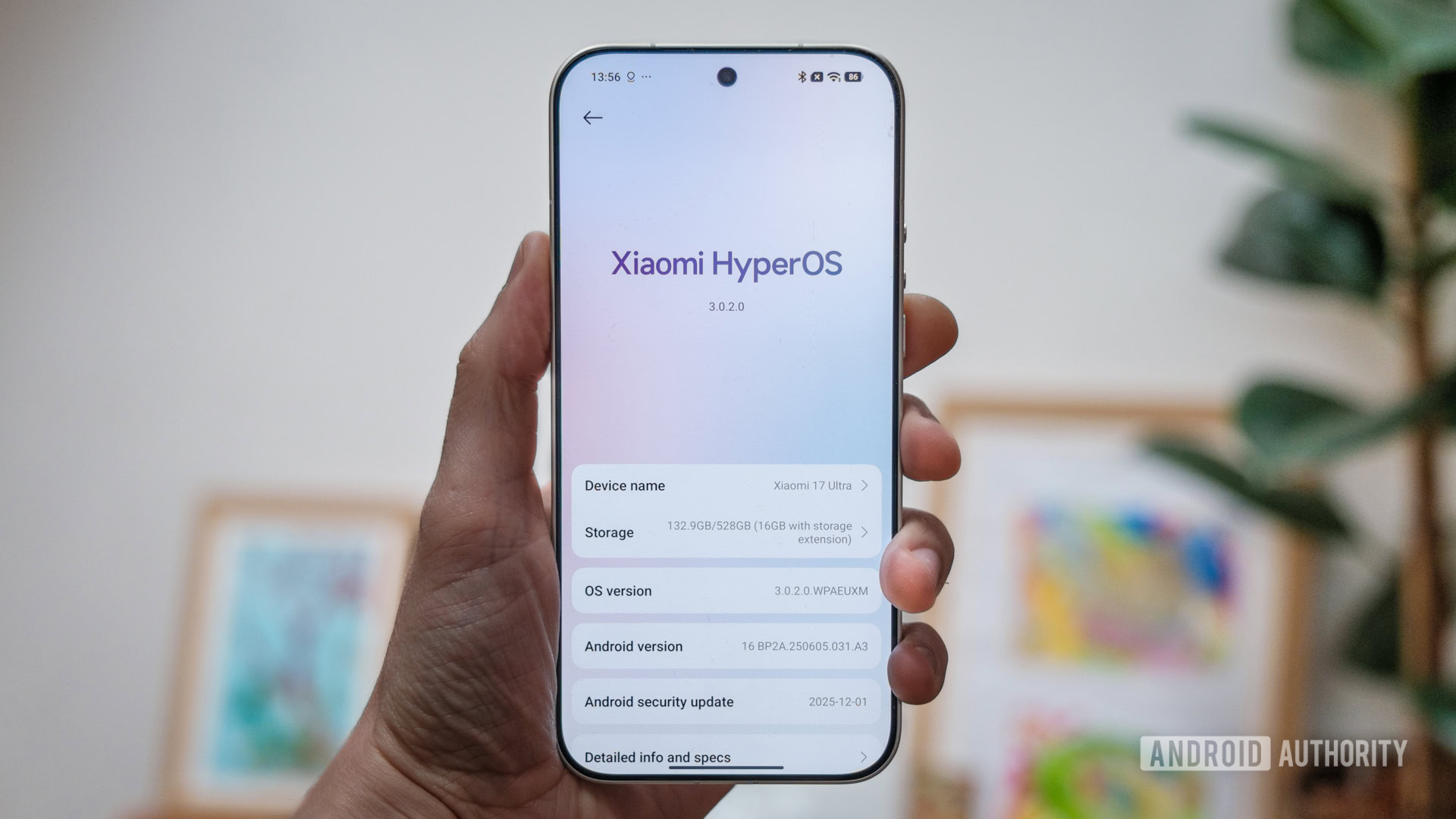
Reports have emerged indicating that the Qualcomm GBL exploit has been successfully demonstrated on the Xiaomi 17 series, a flagship line featuring the Snapdragon 8 Elite Gen 5 SoC. This exploit chain effectively bypasses Xiaomi’s carefully constructed barriers, offering a seemingly straightforward method for unlocking the bootloader.
The exploit chain has been observed to work as follows on the Xiaomi 17 series:
- Initial Setup: The user initiates the process, likely requiring the device to be in a specific state or connected to a computer.
- Fastboot Command Execution: The modified "fastboot oem set-gpu-preemption 0 androidboot.selinux=permissive" command is executed, placing SELinux into Permissive mode.
- GBL Exploit Application: A custom UEFI application is deployed to the efisp partition, leveraging the GBL vulnerability.
- Bootloader Unlock: Upon reboot, the custom UEFI application executed via the GBL exploit directly modifies the bootloader state to "unlocked."
This development is particularly noteworthy given Xiaomi’s reputation for strict bootloader policies. The ability to bypass these restrictions could significantly empower custom ROM developers and power users who seek greater control over their devices.
Broader Implications and Potential Reach
While the exploit has been prominently demonstrated on the Xiaomi 17 series, its potential reach extends to any device employing Qualcomm’s Snapdragon 8 Elite Gen 5 SoC and running Android 16. The GBL is a relatively new component introduced with Android 16, suggesting that devices running older Android versions may not be vulnerable to this specific GBL exploit, although other vulnerabilities could still exist.
It is important to note that Samsung devices are generally not affected by this particular exploit because they utilize their proprietary S-Bootloader instead of Qualcomm’s ABL. However, other Original Equipment Manufacturers (OEMs) that rely on Qualcomm’s bootloader infrastructure could be susceptible. The exact vulnerability chaining and specific steps required might differ slightly across various OEMs, but the core exploit targeting the GBL verification and the fastboot command parameter sanitization remains the central mechanism.
Qualcomm has acknowledged the existence of vulnerabilities in their bootloader implementation. Publicly available commit logs from Qualcomm indicate that they have already addressed the security flaws related to the "fastboot oem set-gpu-preemption" command and other similar commands like "fastboot oem set-hw-fence-value." These fixes aim to prevent the arbitrary injection of parameters that were crucial for enabling Permissive SELinux.
However, the critical question remains whether the base GBL exploit, which allows for the loading of unsigned code onto the efisp partition, has also been patched. Furthermore, even if Qualcomm has released fixes, their propagation to end-user devices depends on OEMs integrating these patches into their firmware updates and subsequently distributing them to consumers.
Timeline of Events and Official Responses
The timeline of this vulnerability’s discovery and disclosure is crucial for understanding the response from industry stakeholders. While the exact date of the initial discovery by researchers at the Xiaomi ShadowBlade Security Lab is not publicly specified, the exploit gained significant traction and visibility around early March 2026.
On March 12, 2026, initial reports detailing the Qualcomm GBL Exploit and its application on the Xiaomi 17 series began to surface. This brought the vulnerability to the forefront of the Android development community.
In response to these developments, a Qualcomm spokesperson provided a statement on March 14, 2026, acknowledging the research and the exploit. The statement confirmed that fixes for the GBL-related research were made available to their customers (Android brands) in early March 2026. Qualcomm also commended the researchers for using coordinated disclosure practices, a standard procedure for responsibly reporting security vulnerabilities. The company’s statement strongly encouraged end-users to apply security updates provided by their device makers.
It is important to interpret Qualcomm’s statement carefully. While they confirm that fixes for "GBL-related research" were provided, this does not explicitly confirm that the underlying GBL vulnerability itself has been fully patched or that all chains of exploitation are now closed. The mention of encouraging users to apply updates is significant, as applying these updates will likely close the loophole used for bootloader unlocking, effectively rendering the exploit inoperable.
Reports also suggest that Xiaomi may be moving quickly to patch the exploit. Some speculation indicates that recent HyperOS builds released in China (such as version 3.0.304.0) might already contain patches to address the vulnerability exploited in the Xiaomi 17 series. This has led to advice for users attempting to exploit the vulnerability to disconnect their devices from the internet and avoid updating their firmware to preserve the exploit’s functionality.
Analysis of Implications and Future Outlook
The Qualcomm GBL Exploit highlights a persistent challenge in the mobile security landscape: the constant cat-and-mouse game between security researchers and chip manufacturers. While Qualcomm has a history of robust security measures, the discovery of such a fundamental flaw in its bootloader implementation is concerning. The ability to bypass bootloader locks has profound implications:
- Security Risks: An unlocked bootloader significantly weakens a device’s security posture. It allows for the installation of custom firmware that may lack security patches, could contain malware, or could be manipulated to exfiltrate sensitive user data. This is particularly critical for users who handle financial transactions or store personal information on their devices.
- Device Customization and Innovation: For enthusiasts and developers, an unlocked bootloader is a gateway to innovation. It allows for the installation of custom ROMs, kernels, and other system-level modifications, fostering a vibrant ecosystem of alternative software experiences. The exploit, therefore, presents an opportunity for greater user freedom and customization.
- Manufacturer Control vs. User Freedom: This incident reignites the debate between manufacturers’ desire to maintain control over their devices for security and warranty reasons, and users’ desire for open access and customization. The exploit offers a way to reclaim that control, albeit through potentially risky means.
- The Importance of Updates: Qualcomm’s emphasis on applying security updates underscores the critical role of timely software patching. As OEMs integrate Qualcomm’s fixes, the exploit will become obsolete. However, the fragmented nature of Android updates means that many devices may remain vulnerable for an extended period.
The long-term impact of this exploit will depend on how effectively and rapidly Qualcomm’s fixes are deployed across the Android ecosystem. The vulnerability serves as a stark reminder that even the most advanced SoCs can harbor exploitable weaknesses, and continuous vigilance and proactive security measures are paramount in protecting user data and device integrity. The coordinated disclosure and the subsequent swift response from Qualcomm suggest a commitment to addressing these issues, but the ongoing challenge lies in ensuring these fixes reach all affected devices promptly.