Garick Elordi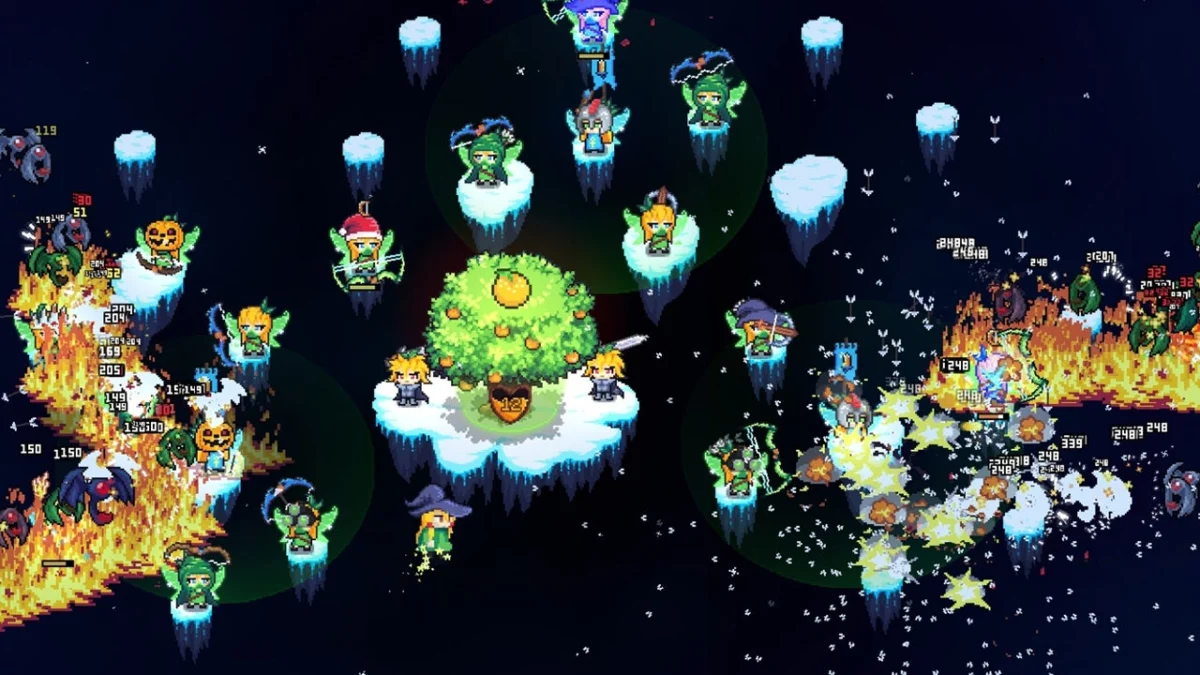
The landscape of the modern video game industry is frequently defined by large-scale corporate restructuring, significant workforce reductions at major studios, and a shift toward automated content generation. However, the recent commercial performance of the independent title Tangy TD serves as a counter-narrative to these prevailing trends. Developed over a period of four years by a lone creator known as Cakez, the tower defense strategy game has achieved a significant financial milestone, generating over $250,000 in gross revenue within its first seven days on the Steam platform. This success highlights the enduring viability of solo development and the power of community-driven marketing in an increasingly crowded digital marketplace.
The Launch and Immediate Financial Performance
Tangy TD was released on Steam in early March, entering a market where discoverability is often cited as the primary hurdle for independent creators. Despite these challenges, the game saw an immediate surge in interest. Within the first 24 hours of availability, the title generated approximately $30,000 in revenue. This initial figure was significant enough to prompt an emotional response from the developer, who has documented his journey as a content creator and programmer on platforms such as YouTube and Twitch.
The momentum did not stall after the first day. By March 17, reports indicated that the game had sold 28,078 units, resulting in net revenue of $197,847. When accounting for the platform’s 30% cut and regional pricing variations, the gross sales figure surpassed the $250,000 mark shortly thereafter. This rapid scaling of revenue is a rarity for solo-developed projects, which often struggle to gain traction beyond a niche audience without the backing of a major publisher.
Development History and Genre Roots
The development of Tangy TD spanned four years, during which Cakez balanced the roles of programmer, artist, designer, and community manager. The game is rooted in the tower defense (TD) genre, a format that gained significant popularity in the early 2000s through custom maps in titles like Warcraft III: Reign of Chaos. The genre focuses on strategic placement of defensive structures to prevent waves of enemies from reaching a specific goal.
Tangy TD distinguishes itself through a blend of traditional TD mechanics and modern "roguelite" elements. Players control a witch-themed protagonist and must deploy "class-based towers" that can be upgraded and synergized. The game’s structure emphasizes experimentation with different "builds," a feature common in successful indie titles like Vampire Survivors or Slay the Spire. By keeping the gameplay loop concise and focused, the developer addressed a common criticism of the genre—repetitive or overly long sessions—by ensuring the game "doesn’t go on for longer than it needs to," according to early player feedback.
The Role of Content Creation in Discoverability
The success of Tangy TD cannot be analyzed without considering the developer’s background as a YouTuber and streamer. Unlike many independent developers who release games into a vacuum, Cakez had spent years building a community by reviewing other indie games and sharing the progress of his own project. This "devlog" style of content creation provides a transparent look at the difficulties of game design, fostering a sense of investment among viewers.
When the game launched, this pre-established audience acted as a catalyst for the Steam algorithm. Steam’s internal discovery queues prioritize games with high initial engagement and positive review ratios. Because Cakez’s community purchased the game immediately and provided feedback, the title was pushed to a wider audience who had no prior knowledge of the developer. This phenomenon, often referred to as a "community-led launch," has become a vital strategy for solo developers looking to bypass the need for expensive traditional advertising campaigns.
Market Context and Industry Challenges
The financial success of Tangy TD arrives during a period of volatility for the broader gaming industry. Major corporations, including Warner Bros. Discovery’s gaming division and various Embracer Group subsidiaries, have reported significant layoffs throughout 2023 and 2024. Furthermore, the industry is currently debating the ethics and utility of AI-generated content, with some players expressing fatigue over "AI slop" or low-effort assets in digital storefronts.
In this context, Tangy TD represents a return to "artisanal" game development. The fact that the game holds an 89% "Very Positive" rating on Steam suggests that consumers are increasingly valuing projects with a clear authorial voice and polished, albeit smaller, scopes. The "Very Positive" designation is a critical metric on Steam; it requires a high volume of reviews with a vast majority being favorable, which in turn increases the game’s visibility in "Recommended for You" sections and "New and Trending" lists.
Technical Structure and Gameplay Mechanics
Tangy TD utilizes a stylized, vibrant art direction that contrasts with the often grim aesthetics of modern strategy games. Mechanically, it employs a system of tower synergies that encourages players to think about the layout of their defenses in three dimensions of strategy: placement, upgrade paths, and elemental combinations.
- Class-Based Towers: Instead of generic turrets, the game uses towers with specific identities and roles, allowing for specialized defense strategies (e.g., area-of-effect damage versus high-velocity single-target fire).
- Roguelite Progression: Each "run" provides different opportunities for upgrades, meaning no two playthroughs are identical. This adds significant replay value, a key metric for Steam’s player retention statistics.
- Optimized Loop: Reviews frequently highlight the game’s pacing. By avoiding the "feature creep" that often plagues solo projects, the developer delivered a tight, functional experience that respects the player’s time.
Analysis of the Financial Implications
For a solo developer, a $250,000 revenue milestone is life-changing. After accounting for Steam’s platform fees, taxes, and initial development costs (software licenses, hardware, and four years of living expenses), the remaining profit provides a significant runway for future projects. This level of success allows a developer to transition from a hobbyist or a struggling independent to a sustainable small business owner.
Moreover, the success of Tangy TD provides a data point for the "Middle Class" of gaming. While the industry is often seen as a binary between multi-billion-dollar AAA blockbusters and "starving artist" indies, Tangy TD proves there is a lucrative middle ground for high-quality, mid-priced titles ($5 to $15 range) that focus on depth of mechanics rather than graphical fidelity.
Community and Developer Reaction
The human element of this story gained widespread attention when clips of Cakez reacting to his sales figures went viral on social media. In one broadcast, the developer was seen visibly moved to tears while viewing his Steam dashboard alongside his wife. These moments of vulnerability have historically resonated with the gaming public, who often feel disconnected from the corporate entities that dominate the industry.
The developer’s public statements reflected a sense of humility and disbelief. In a reaction shared by outlets such as GamesRadar and Dexerto, Cakez expressed a feeling of not "deserving" the level of success achieved, a sentiment common among creators experiencing rapid, unexpected growth. However, the player base has largely countered this narrative in the review sections, pointing to the four years of labor and the quality of the final product as justification for the commercial reward.
Future Outlook for Tangy TD and Solo Development
As Tangy TD continues to circulate through Steam’s recommendation engines, its sales are expected to maintain a steady baseline. The developer has indicated that the current version of the game is a complete experience, though the influx of capital may allow for post-launch content updates, ports to other platforms, or the commencement of a new project with a higher budget.
The broader implication for the industry is a reinforcement of the "Direct-to-Consumer" model. When developers engage directly with their audience through transparent development cycles, they build a level of brand loyalty that can withstand the noise of a crowded market. Tangy TD stands as a testament to the fact that even in an era of corporate consolidation and technological shifts, a well-executed idea from a single dedicated individual can still find a global audience and achieve substantial commercial success.
The story of Cakez and Tangy TD serves as a case study for aspiring developers. It illustrates that while the barriers to entry in the gaming market are low, the barriers to success remain high, requiring a combination of mechanical polish, community engagement, and a deep understanding of platform algorithms. As the game enters its second week of sales, it remains a prominent example of the potential for independent creators to thrive in the modern digital economy.