Garick Elordi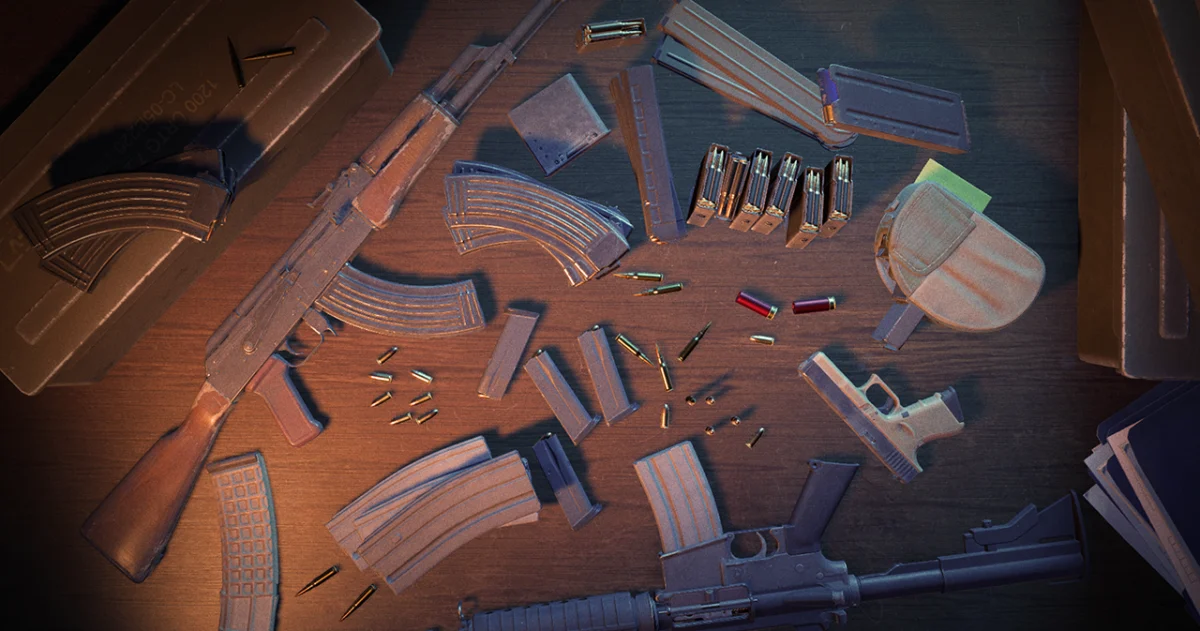
Valve has officially implemented a fundamental shift in the mechanical landscape of Counter-Strike 2 with its latest major update, titled "Guns, Guides, and Games." The update introduces a rigorous new approach to ammunition management that departs from the series’ long-standing "ammo pool" system, opting instead for a realistic magazine-discard mechanic. This change, while seemingly subtle to the uninitiated, represents one of the most significant adjustments to the tactical shooter’s gameplay loop in over a decade, forcing players to reconsider habits formed over thousands of hours of play.
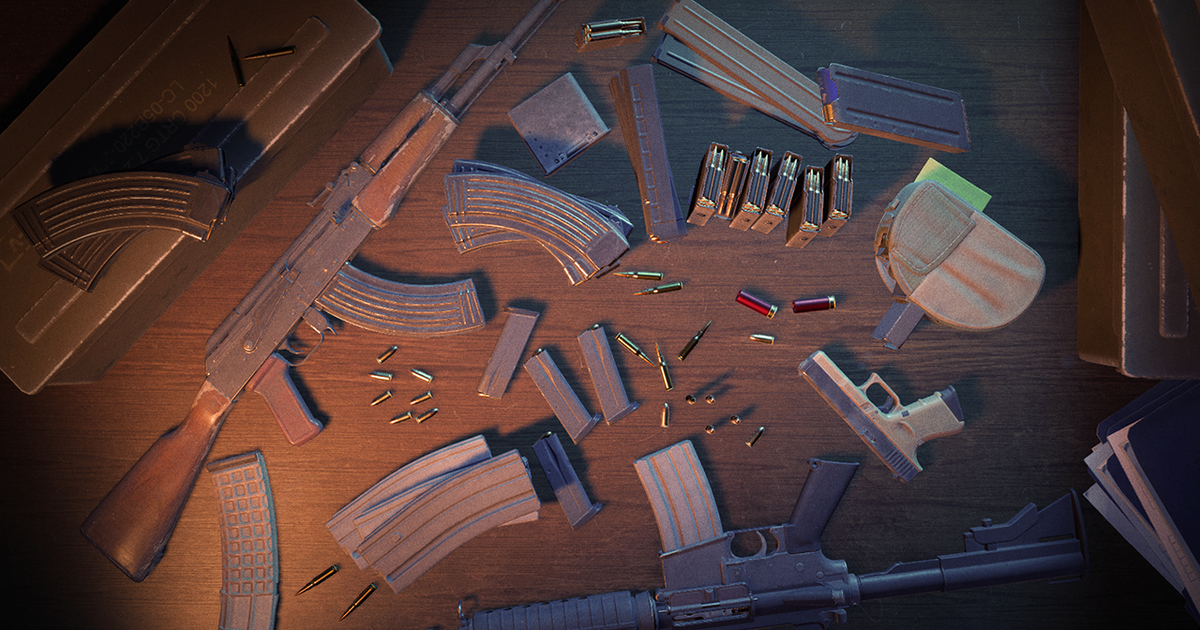
Under the previous system, which persisted through Counter-Strike: Global Offensive and the early stages of Counter-Strike 2, reloading a weapon would simply subtract the necessary bullets from a global reserve and add them to the current magazine. In the new "Guns, Guides, and Games" framework, Valve has established that the decision to reload should carry "higher stakes." When a player initiates a reload, the magazine currently in the weapon is dropped to the ground, and any remaining cartridges within that magazine are lost permanently for the duration of the round.
The Shift from Ammo Pooling to Magazine Scarcity
The core of this update lies in the transition from abstract ammunition counts to physical magazine management. For decades, Counter-Strike players have practiced the "tactical reload"—the habit of reloading after firing only a few shots to ensure a full magazine is available for the next engagement. In the high-stakes environment of a tactical shooter where a single bullet can determine the outcome of a round, having 30 rounds instead of 25 was often seen as an essential safety net.
With the new update, this habit has become a liability. If a player fires five rounds from a thirty-round magazine and reloads, they effectively throw away twenty-five bullets. Valve’s developer notes clarify the intent behind this change, stating that the goal is to "reward efficiency and precision" while simultaneously penalizing the excessive use of suppressive fire. This change moves Counter-Strike 2 closer to the "hardcore" tactical shooters like Squad or Insurgency, though it retains the fast-paced arcade-style movement and gunplay the series is known for.
To complement this mechanical change, Valve has adjusted the reserve ammunition counts for nearly every weapon in the game. Most firearms have been standardized to a "three clips" reserve system. However, specific weapons have been tuned individually to balance their roles within the competitive meta.
Quantitative Adjustments to Weapon Reserves
The impact of the update is most visible in the data regarding specific weapon profiles. The Glock-18, the standard-issue sidearm for the Terrorist faction, has seen its total ammunition capacity reduced from 140 rounds to 80 rounds. This 43% reduction in total availability, combined with the risk of losing partial magazines, fundamentally alters how Terrorist players approach the "pistol round" and subsequent eco-rounds.
Other weapons have been adjusted to either encourage or discourage specific playstyles:
- Precision Weapons: Rifles like the M4A1-S and the AK-47 now require much more disciplined trigger control. With fewer reserves, players can no longer afford to "pre-fire" common corners or suppress angles without a calculated risk of running dry before the round concludes.
- Support Weapons: Some light machine guns and high-capacity SMGs have retained larger reserves to "encourage spamming through walls and smokes," according to Valve. This maintains the utility of these weapons as tools for area denial, even as the broader rifle meta shifts toward conservation.
- Entry Sidearms: Weapons like the P250 and Desert Eagle, which already possessed limited reserves, now require players to be hyper-aware of their magazine state, as a single ill-timed reload can leave a player with only a handful of shots for the remainder of a site take.
Chronology of Counter-Strike Ammunition Systems
To understand the weight of this change, one must look at the history of the franchise. In the original Counter-Strike 1.6, ammunition was a resource that had to be purchased manually at the start of each round. Players had to manage their economy not just for rifles and armor, but for the very bullets they intended to fire.
When Counter-Strike: Global Offensive (CS:GO) launched, Valve streamlined this by making ammunition free and automatically refilling it at the start of each round. This led to a decade-long meta where ammunition management was rarely a primary concern for professional players, outside of specific low-capacity weapons like the CZ75-Auto or the M4A1-S during its 20-round magazine era.
The transition to Counter-Strike 2 in 2023 initially maintained the CS:GO model. However, the "Guns, Guides, and Games" update marks a return to the more punishing resource management of the early 2000s, albeit with a modern twist. By focusing on magazine retention rather than just purchase costs, Valve is emphasizing the "tactical" element of the tactical shooter.
Strategic Implications for Competitive Play
The strategic ripple effects of this update are expected to be felt immediately in both matchmaking and professional tournament play. One of the most common tactics in high-level Counter-Strike is "smoke spamming." Players often fire full magazines through volumetric smoke clouds to catch opponents repositioning or defusing the bomb.
Under the new rules, smoke spamming becomes a double-edged sword. A player who empties two magazines into a smoke cloud may find themselves with only one magazine left for the final 45 seconds of a round. If they attempt to "top off" their weapon after a short burst, they risk depleting their reserves entirely. This creates a new layer of "information play," where an attacking team might try to bait out defensive fire specifically to drain the defenders’ ammunition reserves.
Furthermore, the "clutch" factor—the ability for a single player to win against multiple opponents—is now tied directly to magazine discipline. A player in a 1v3 situation must now decide if the five bullets missing from their magazine are worth the cost of an entire spare magazine. In the past, the answer was always "yes." Now, the answer requires a split-second calculation of remaining reserves versus the likelihood of needing those extra five bullets in the next engagement.
Community and Professional Reaction
The reaction from the Counter-Strike community has been sharply divided, reflecting the tension between players who value realism and those who prioritize the established competitive flow.
Proponents of the change argue that it increases the skill ceiling of the game. On social media platform X, a user known as Webster suggested that the update brings the game closer to the revered mechanics of Counter-Strike 1.6. "So it becomes more like 1.6 where you should be aware of the ammo? That’s a W change," he noted, suggesting that awareness of one’s resources is a hallmark of a high-level player.
Conversely, a segment of the player base remains skeptical of the necessity of such a drastic overhaul. MissiaCS, a prominent voice in the community, expressed confusion regarding the timing and intent of the update. "I’m just struggling to understand why this new ammo feature has been rolled out when there was no apparent need for it to exist in the game," they commented. This sentiment reflects a common critique of Valve’s development philosophy for CS2, which has seen several experimental changes to core mechanics that some purists feel were already perfected in CS:GO.
Broader Impact on the CS2 Ecosystem
Beyond the reloading mechanics, the "Guns, Guides, and Games" update is part of Valve’s broader effort to refine Counter-Strike 2 following its somewhat turbulent launch. By introducing "Guides" and other features alongside the gunplay changes, Valve is attempting to bridge the gap between casual players and the highly technical requirements of professional play.
The implementation of the magazine-discard system also carries technical implications for the game’s engine. The physical magazines dropped on the floor are now networked objects, meaning players can theoretically see the discarded magazines of their opponents, potentially gaining intelligence on whether an enemy is low on ammo or has recently reloaded. This adds a minor but tangible element of environmental storytelling to every firefight.
As the competitive season progresses, analysts will be watching closely to see how professional teams adjust their "buy scripts" and round-start routines. It is possible that we will see a shift in weapon preference, with players favoring high-capacity weapons or those with more forgiving reserve counts in certain defensive positions.
Conclusion: A New Era of Tactical Discipline
Valve’s decision to overhaul reloading in Counter-Strike 2 is a bold statement on the future of the franchise. By forcing players to break a twenty-year-old habit of constant reloading, the developers are signaling a move toward a more deliberate, thoughtful style of play. While the initial period of adjustment may be frustrating for veterans who find themselves running out of bullets in crucial moments, the long-term goal is clear: to make every shot, and every magazine, count.
Whether this change will be embraced as a masterstroke of tactical depth or rejected as an unnecessary complication remains to be seen. However, for now, the message to the Counter-Strike 2 community is clear: watch your reserves, count your shots, and think twice before hitting the reload key. The stakes of the firefight have officially been raised.