Garick Elordi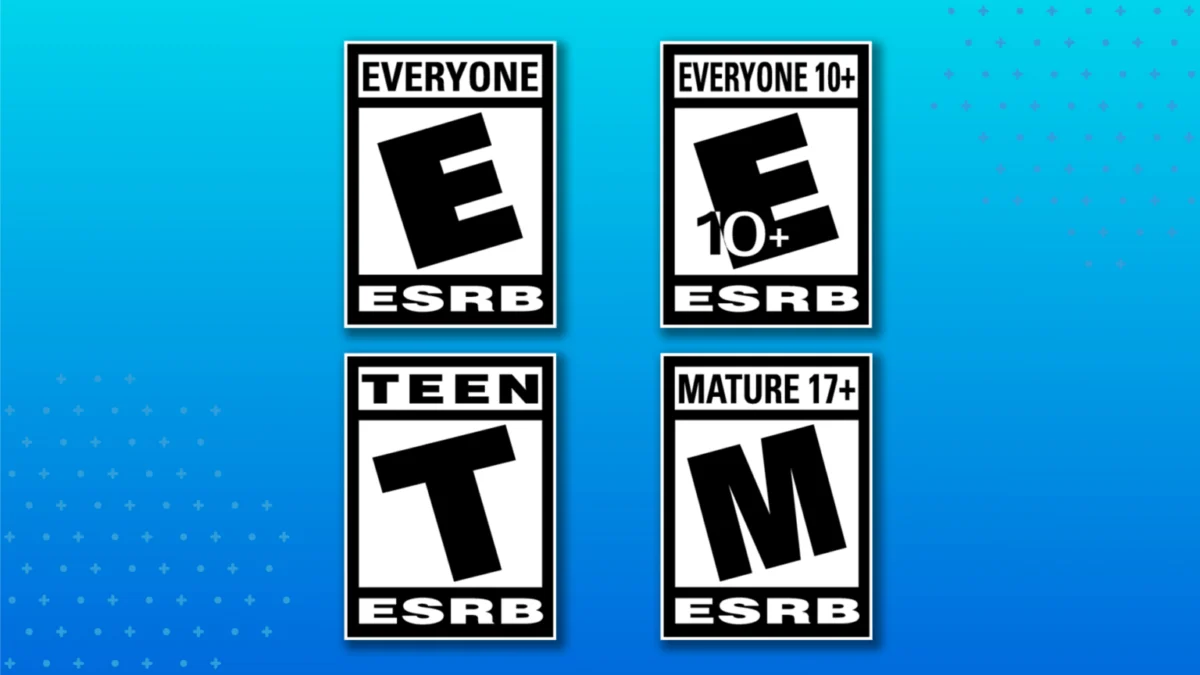
The Entertainment Software Rating Board (ESRB), the primary regulatory body for video game age ratings in North America, has formally announced that it will not adopt the aggressive new rating criteria recently established by its European counterpart, Pan European Game Information (PEGI). This decision marks a significant divergence in how the two most influential global rating systems address the growing controversy surrounding in-game monetization, specifically paid random items—commonly known as loot boxes—and the mechanics of live service "play-by-appointment" designs. While PEGI is moving toward a system where these business models directly influence a game’s age rating, the ESRB maintains that such factors should remain separate from content-based classifications to avoid consumer confusion.
The Philosophical Divide: Content vs. Context
At the heart of the disagreement is a fundamental difference in regulatory philosophy. The ESRB has long operated on the principle that an age rating should reflect the inherent content of a game—such as violence, sexual themes, profanity, and drug use—rather than the financial or social mechanics that facilitate the experience. In a statement provided to industry analysts, an ESRB spokesperson emphasized that their research indicates parents prefer clear, distinct labels for different types of information.
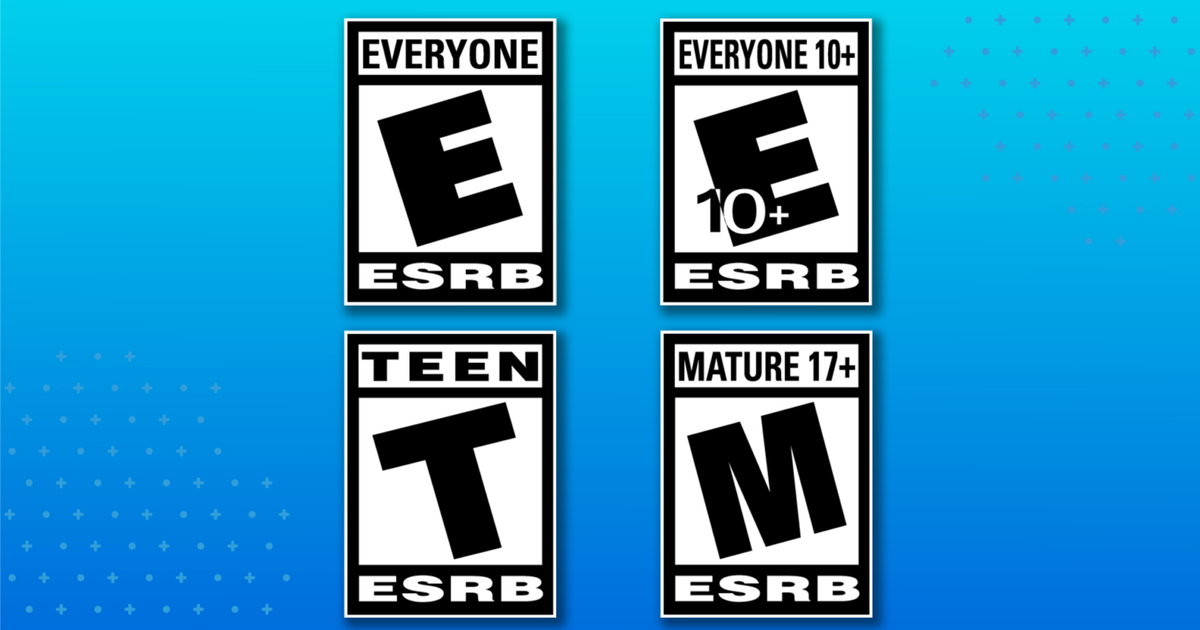
The ESRB’s current system utilizes "Interactive Elements" notices, which appear alongside the traditional age rating (E, T, M, etc.). These notices inform parents if a game allows for online communication with other players or includes the ability to spend real-world money on digital goods. The board argues that if these non-content features were to trigger a higher age rating, it would dilute the meaning of the rating itself. For example, a non-violent puzzle game might receive a "Mature" or "Teen" rating simply because it contains a loot box mechanic, potentially misleading parents into thinking the game contains graphic violence or adult themes.
Conversely, PEGI is pivoting toward an integrated approach. Starting in June 2024, PEGI will implement four new criteria that can fundamentally shift a game’s age bracket. The most notable change involves "paid random items." Under the new rules, the inclusion of loot boxes or card packs could see a game previously rated PEGI 3 (suitable for all ages) jump to a PEGI 16 or even PEGI 18 rating. This move is a response to mounting pressure from European consumer advocacy groups and government regulators who equate loot box mechanics with unregulated gambling.
Chronology of the Loot Box Controversy
The tension between ratings boards and monetization mechanics has been building for nearly a decade. To understand the current landscape, it is necessary to look at the timeline of events that led to this regulatory schism:
- 2017: The release of Star Wars Battlefront II sparks global outrage over its progression system, which was heavily tied to paid loot boxes. This event serves as the catalyst for government inquiries in the US, UK, Belgium, and the Netherlands.
- 2018: The Belgian Gaming Commission and the Netherlands Gaming Authority declare certain types of loot boxes to be in violation of gambling laws. Several publishers, including Valve and EA, are forced to disable loot box purchases in these regions.
- 2020: In a compromise move, the ESRB and PEGI both introduce a specific label for "In-Game Purchases (Includes Random Items)." This was intended to provide transparency without altering the age rating itself.
- 2023: The European Parliament adopts a report calling for stricter consumer protection in online games, specifically highlighting the predatory nature of "pay-to-win" and "loot box" mechanics.
- Early 2024: PEGI announces its most radical overhaul to date, confirming that from June 2024, the presence of these mechanics will be a primary factor in determining age suitability.
- Present Day: The ESRB clarifies that it will stick to its current labeling system, creating a significant discrepancy between North American and European game boxes.
Supporting Data and the Impact on Major Franchises
The divergence in these standards will have immediate and tangible effects on the global gaming market. One of the most prominent examples is the EA Sports FC franchise (formerly FIFA). Traditionally, these games have enjoyed a PEGI 3 rating in Europe and an E for Everyone rating in North America. However, the "Ultimate Team" mode, which relies heavily on randomized player packs, is exactly the type of mechanic targeted by PEGI’s new rules.
Industry analysts predict that if PEGI follows through with its new criteria, the next installment of EA Sports FC could see its rating rise to PEGI 16. This change would not only impact marketing and shelf placement in European retail stores but could also trigger parental control blocks on consoles that are set to restrict content based on age ratings. In North America, the same game would likely retain its E rating, creating a situation where a game deemed "Mature" or "Near-Mature" in London is considered "suitable for all ages" in New York.
Another area of concern is the "play-by-appointment" category. This refers to games that utilize FOMO (fear of missing out) mechanics, such as daily login bonuses or timed events that encourage habitual, repetitive play. PEGI has indicated that these designs may also lead to stricter ratings. For instance, the Pokémon spin-off Pokémon Pokopia may see its rating rise from PEGI 3 to PEGI 7 due to its emphasis on returning to the game at specific times.
Official Responses and Industry Reactions
The response from PEGI’s leadership highlights the difficulty of balancing information density with clarity. Dirk Bosmans, Director General of PEGI, acknowledged the ESRB’s concerns regarding parent confusion. "We’re conscious of the concerns that ESRB voices," Bosmans stated. "If we add this, are parents losing information? You do want to inform them both about the content, and the context, of video games. But by integrating them both into an age rating, you have to be mindful that you may not be able to give all the levels of detail that you gave beforehand. This is a difficult exercise."

Despite these challenges, PEGI maintains that the "context" of how a game is played and paid for has become just as important to child safety as the "content" shown on screen. Bosmans reiterated that the changes coming in June are just the beginning, as the board begins the massive task of reappraising live service games that are constantly being updated with new monetization features.
On the other side of the Atlantic, the Entertainment Software Association (ESA), which oversees the ESRB, remains firm. The US industry’s stance is that the current labeling system is sufficient and that the responsibility for managing spending lies with parental control tools provided by platform holders like Sony, Microsoft, and Nintendo. The ESRB’s refusal to change reflects a broader US regulatory environment that has been more hesitant than Europe to classify loot boxes as gambling or to restrict their availability to minors.
Broader Implications for the Global Gaming Industry
The split between the ESRB and PEGI creates a complex landscape for game developers and publishers. Companies that operate on a global scale will now have to navigate two very different sets of requirements for their product packaging and digital storefronts.
- Fragmentation of Marketing: Publishers may find it difficult to maintain a unified global brand image for a game that is rated for all ages in one territory but restricted to teenagers or adults in another. This could lead to regional variations in game design, where "loot boxes" are removed from European versions to maintain a lower age rating while remaining in the North American version.
- Increased Scrutiny on Live Services: With PEGI’s commitment to reappraising legacy products and ongoing live service updates, games like Fortnite, Roblox, and Genshin Impact could face retroactive rating hikes. This would force developers to constantly monitor their monetization strategies to ensure they don’t inadvertently trigger a rating change that could lock out a significant portion of their player base.
- Parental Control Challenges: Modern consoles utilize age ratings to automate parental restrictions. A PEGI 16 rating for a sports game would automatically prevent many children in Europe from playing, even if their parents are comfortable with the content. This could lead to a surge in parents manually overriding system settings, potentially undermining the effectiveness of the rating system as a whole.
- Legal and Regulatory Precedent: The ESRB’s stance may provide a temporary shield for publishers in the North American market, but the PEGI shift could embolden US-based advocacy groups and lawmakers to push for similar changes. If the European model proves successful in reducing predatory spending among minors, the ESRB may eventually face irresistible pressure to follow suit.
As the June implementation date for PEGI’s new criteria approaches, the industry remains in a state of watchful transition. The ESRB’s decision to stand its ground highlights a significant cultural and regulatory divide: one side sees monetization as a neutral business mechanic to be labeled, while the other sees it as a psychological factor that is inseparable from the age-appropriateness of the experience. How parents and the market respond to these diverging paths will likely determine the future of video game regulation for the next decade.