admin
admin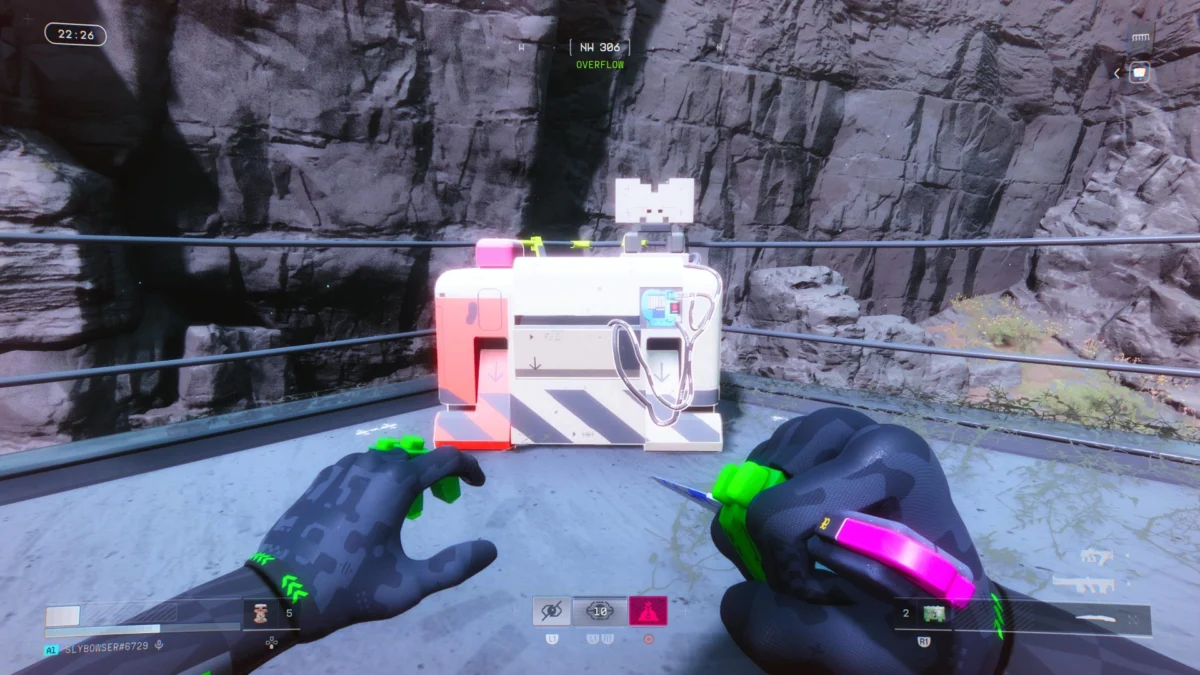
Bungie’s pivot into the extraction shooter genre with Marathon represents a significant evolution for the studio, moving away from the shared-world shooter mechanics of Destiny and returning to the roots of its 1994 classic IP. Central to the gameplay experience on the hostile world of Tau Ceti IV is the acquisition and secure delivery of salvage. In Marathon, players—known as Runners—are frequently tasked with completing contracts for various orbital factions. These contracts often necessitate the use of DCONs (Deconstruction and Orbital Navigation units), specialized devices designed to transport physical matter from the planet’s surface to orbiting stations. Understanding the placement and operational nuances of these DCONs is essential for survival and progression, as they serve as high-traffic hubs for both resource management and intense player-versus-player (PvP) engagements.
The Role of DCONs in the Marathon Ecosystem
In the context of Marathon’s gameplay loop, a DCON is not merely a quest objective but a critical tactical utility. Unlike extraction points, which remove the player from the match entirely, DCONs allow Runners to deposit specific mission-critical items or high-value salvage while remaining in the zone. This "matter-imbedding" process effectively secures the loot for the player’s account, mitigating the risk of losing those specific items should the player be defeated before reaching an Exfil point.
The mechanical implementation of DCONs is designed to encourage exploration and risk-taking. Upon entering a map, DCON locations are not immediately visible on the player’s Heads-Up Display (HUD). They must be discovered through manual exploration. Once a Runner has physically located a DCON, it remains permanently marked on their tactical map for future deployments, provided they have an active contract requiring its use. This system rewards map knowledge and persistence, creating a distinction between novice players and veteran Runners who have mapped the intricacies of Tau Ceti IV.

Detailed Geographic Breakdown: Perimeter
The Perimeter map serves as an urbanized gateway into the deeper mysteries of Tau Ceti IV. It is characterized by industrial architecture, verticality, and tight sightlines. For Runners operating in this sector, vertical movement is a prerequisite for success, as all four DCON units located here are situated on the rooftops of major structures.
- North Relay DCON: Located at the northernmost point of the industrial complex, this unit is perched atop a communications array. It offers a commanding view of the surrounding approach paths, making it a "sniper’s nest" for players looking to secure their salvage while keeping an eye on potential interceptors.
- South Relay DCON: Mirroring its northern counterpart, the South Relay unit is found on a heavily fortified roof near the southern boundary. The approach requires navigating through a series of internal stairwells or using external jump pads, exposing the player to fire from the ground.
- Station DCON: Positioned centrally on the map, the Station DCON is perhaps the most contested point in Perimeter. Situated on the roof of the primary transit hub, it is accessible from multiple angles, leading to frequent multi-team skirmishes.
- Overflow DCON: Located near the water processing wing, the Overflow unit is tucked away on a lower-tier roof. While slightly more obscured than the Relay units, it remains a high-risk area due to its proximity to several popular loot spawns.
Detailed Geographic Breakdown: Dire Marsh
In stark contrast to the metallic rigidity of Perimeter, Dire Marsh offers a treacherous organic environment filled with thick vegetation, stagnant water, and low visibility. The tactical layout here shifts from verticality to ground-level navigation. In Dire Marsh, DCONs are located on the ground, typically positioned directly in front of or adjacent to the primary facilities they serve.
- Greenhouse DCON: Found at the entrance of the sprawling botanical research wing. The surrounding foliage provides ample cover for Runners to sneak in, but it also offers concealment for "DCON campers"—players who wait near deposit points to ambush distracted Runners.
- Algae Ponds DCON: This unit is located in a relatively open area between the primary filtration vats. The lack of immediate cover makes it one of the most dangerous DCONs to use, as players are visible from long distances while performing the deposit animation.
- Complex DCON: Positioned near the main administrative building of the marsh, this DCON is surrounded by crates and industrial debris. It offers more tactical options for defense than the Algae Ponds but is a frequent site for high-tier AI patrols.
Detailed Geographic Breakdown: Outpost
The Outpost map is a massive, tripartite facility consisting of an airfield, a flight control center, and the Pinwheel Base. The DCONs here are strategically placed to ensure that players in any of the three major regions have a viable deposit point within a reasonable distance, though the scale of the map makes travel between them a significant undertaking.
- Airfield DCON: Located near the hangars, this unit is essential for Runners who spend their time looting the high-value tech crates found within the grounded spacecraft.
- Flight Control DCON: Situated at the base of the central tower, this DCON is a focal point for players moving between the northern and southern sectors of the map.
- Pinwheel Base DCON: Located within the fortified perimeter of the base, this unit is often guarded by high-level "Sentinels" (AI enemies), requiring players to clear the area or use stealth before they can successfully deposit their salvage.
Tactical Analysis: The High-Risk Nature of Deposits
The act of using a DCON is one of the most vulnerable moments for a Runner. The "deposit" animation typically takes several seconds, during which the player’s movement is restricted and they are unable to defend themselves effectively. In a game like Marathon, where the "Time-to-Kill" (TTK) can be incredibly short, these seconds are a lifetime.

Industry analysts and early playtesters have noted that Bungie has intentionally designed these locations to be "friction points." By placing DCONs in visible or central locations, the game forces players to make a choice: do they risk carrying their salvage to a distant, potentially safer DCON, or do they attempt to use the nearest one, knowing that other players are likely watching? This psychological tension is the cornerstone of the extraction shooter genre.
Furthermore, the "Exfils Loading" timer—visible in many of the mission interfaces—adds an extra layer of pressure. As the match nears its end and the extraction windows begin to open, the traffic around DCONs often increases as players scramble to secure their last-minute loot before heading to an extraction zone.
Background: Bungie’s Reimagining of Marathon
The development of the new Marathon has been a subject of intense scrutiny within the gaming industry. Originally announced during the 2023 PlayStation Showcase, the game represents Bungie’s first major project as a subsidiary of Sony Interactive Entertainment. Unlike the original trilogy, which was a narrative-heavy single-player experience, this iteration is a "service-based" title designed for longevity through seasonal updates and evolving world-states.
The setting of Tau Ceti IV is steeped in the lore of the original 1990s games, featuring references to the UESC (United Earth Space Council) and the rogue AI Durandal. However, the aesthetic has been completely overhauled, moving toward a "cyber-neon" visual style that emphasizes high-contrast colors and clean, futuristic lines. This visual clarity is not just an artistic choice but a gameplay necessity, allowing players to identify threats and points of interest—like DCONs—amidst the chaotic environments.

Technical State and Community Feedback
Based on technical data from the PlayStation 5 version of the game (as of the March 2026 update), Marathon utilizes a sophisticated matchmaking system designed to balance lobby skill levels. This is particularly important for DCON interactions; if a lobby is filled with high-skill "predator" teams, the DCON locations essentially become kill zones.
Early feedback from the community has been polarized regarding the DCON mechanic. Some players praise the tension it creates, while others have called for "safe zones" or shorter deposit times. Bungie’s history with Destiny suggests that they will likely iterate on these mechanics based on player telemetry, potentially adding "DCON Shielding" consumables or other tactical gear to help solo players navigate these dangerous landmarks.
The Broader Impact on the Extraction Genre
Marathon’s approach to loot security through DCONs could influence the broader extraction shooter market, which is currently dominated by titles like Escape from Tarkov and Hunt: Showdown. By providing a mid-match way to "save progress" without leaving the game, Bungie is attempting to lower the barrier to entry for more casual players while maintaining the high-stakes environment that veterans of the genre crave.
As Runners continue to descend upon Tau Ceti IV, the mastery of these DCON locations will separate the successful salvagers from those who merely become part of the planet’s growing debris field. Whether perched on a rain-slicked roof in Perimeter or hidden in the neon-lit mists of Dire Marsh, the DCON remains the most vital tool in a Runner’s arsenal, representing the thin line between a successful haul and a total loss.