Galang Taruna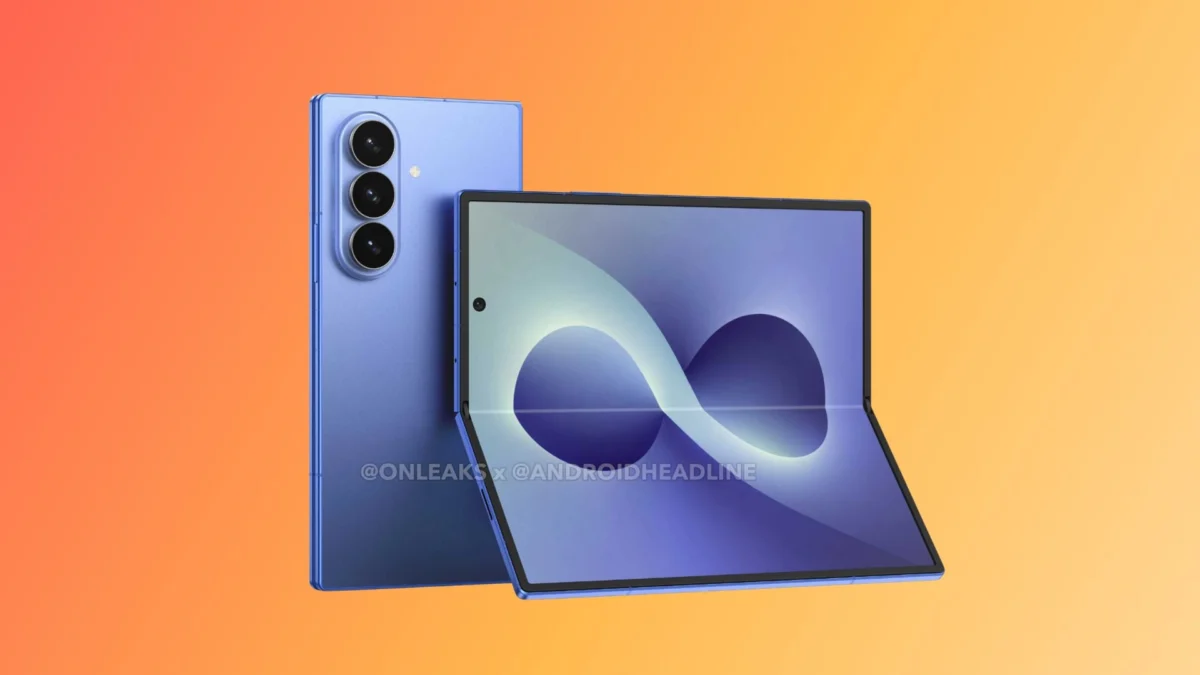
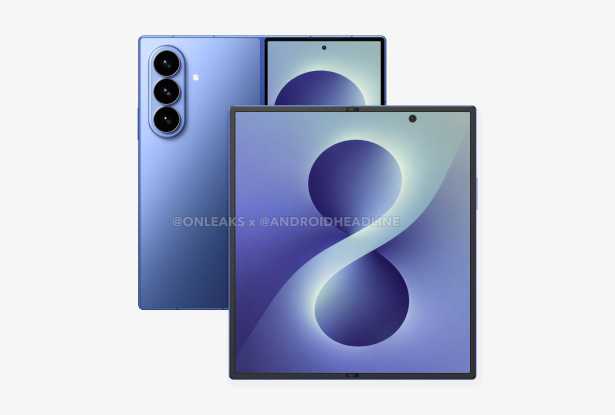
Anticipation for Samsung’s next-generation foldable flagship, the Galaxy Z Fold 8, has reached a fever pitch following the release of detailed renders by the acclaimed leaker OnLeaks, in collaboration with the American tech publication Android Headlines. These early visualizations, emerging months ahead of the device’s expected summer launch, offer a compelling glimpse into what could be one of the most significant foldable smartphone releases of the year. While the renders suggest a design that largely builds upon its predecessors, a crucial detail—the device’s potential thickness—has ignited considerable discussion among industry observers, raising questions about Samsung’s design priorities and the delicate balance between form and function in the evolving foldable market.
A Legacy of Thinness: The Z Fold Evolution and Current Debates
Since its inception, Samsung’s Galaxy Z Fold series has been at the forefront of foldable technology, consistently pushing boundaries in design, durability, and user experience. A central pillar of this evolution has been the relentless pursuit of a thinner, more pocketable device. Each iteration, from the original Galaxy Fold to the current Galaxy Z Fold 5 (which measures approximately 6.1mm when unfolded at its slimmest point), has seen incremental improvements in hinge mechanisms and display technology aimed at reducing bulk and enhancing portability. The forthcoming Galaxy Z Fold 6, expected to launch prior to the Z Fold 8 (or perhaps the Z Fold 8 is the next iteration after the Z Fold 5, with "Z Fold 7" being an internal designation or an error in the original source’s reference), is already rumored to achieve an even slimmer profile, potentially around 5.6mm unfolded. This established trajectory makes the newly leaked dimensions for the Galaxy Z Fold 8 particularly intriguing.
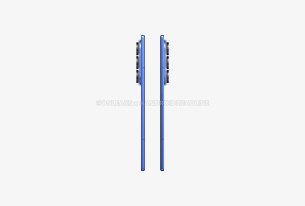
The renders indicate an unfolded thickness of approximately 4.5mm. This figure, while impressively thin, has prompted a wave of speculation. If accurate, and depending on how it compares to the actual unfolded thickness of the Z Fold 6 (which has yet to be officially revealed), it could represent a slight increase in thickness compared to the immediate predecessor’s most svelte sections, or a deviation from the aggressive thinning trend observed in the series. Industry watchers are keen to understand if this dimension is indicative of the entire device or merely a specific measurement point, and more importantly, what potential design trade-offs Samsung might be making to arrive at this figure. The discussion underscores the critical challenge for manufacturers: how to integrate advanced components, larger batteries, and improved durability features without compromising the ergonomic appeal of a thin, elegant foldable form factor.
Dissecting the Leaked Design and Dimensions
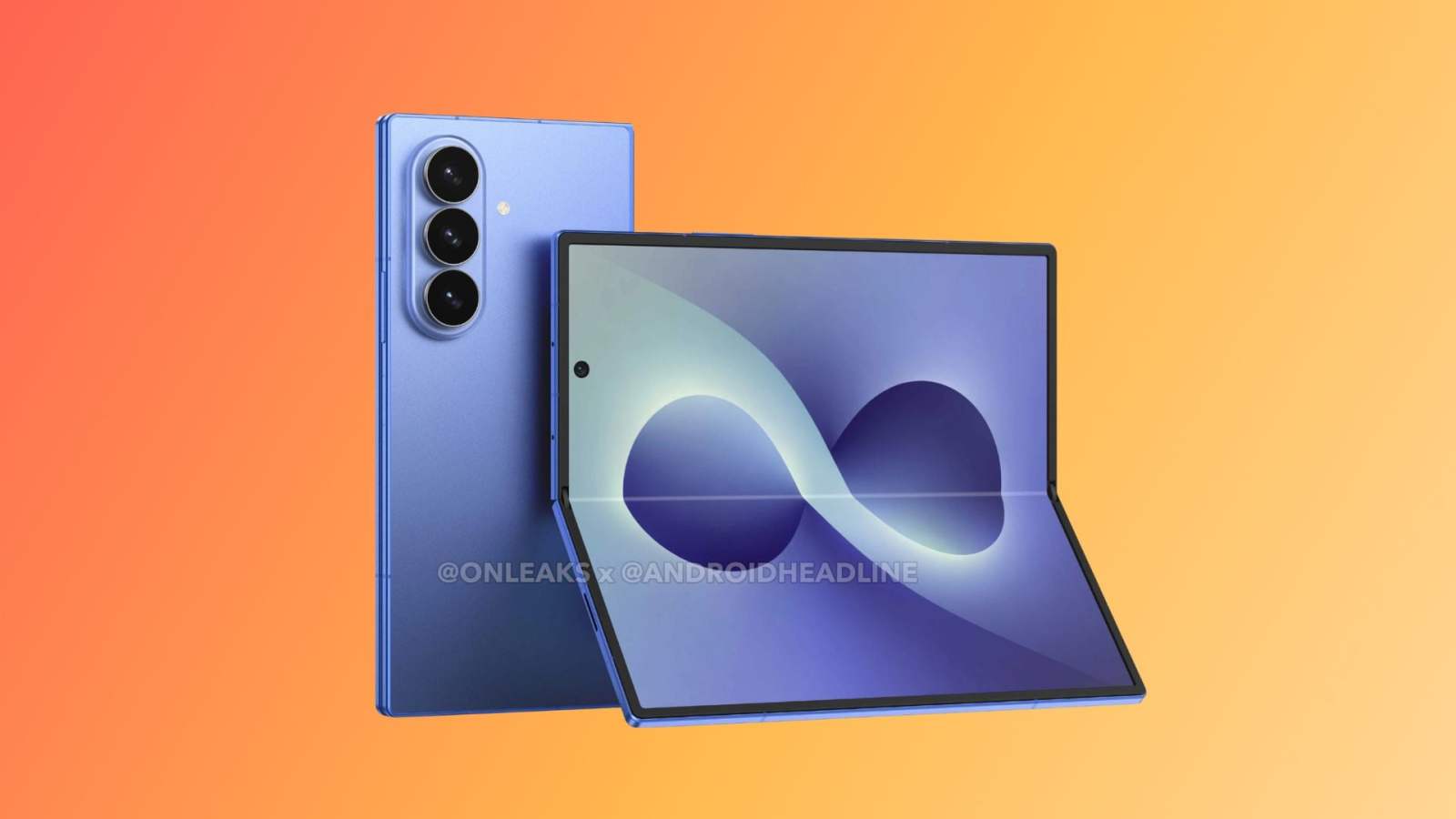
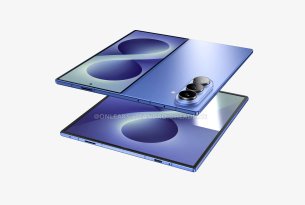
The renders themselves, shared widely across tech media, paint a picture of a device that adheres closely to the established aesthetic of the Z Fold line. The overall silhouette appears familiar, maintaining the book-like folding mechanism that defines the series. The camera module on the rear, a significant design element, appears to be refined, potentially signaling upgrades to the imaging system. The frame, likely constructed from a premium aluminum alloy, shows subtle contours, suggesting a comfortable grip despite its expansive display.
According to the OnLeaks report, the unfolded dimensions of the Galaxy Z Fold 8 are roughly 158.4 x 143.2 x 4.5 mm. To put this into perspective, the Galaxy Z Fold 5, the most recent commercially available model, measures 154.9 x 129.9 x 6.1 mm when unfolded. The rumored 4.5mm thickness for the Z Fold 8 would indeed represent a significant reduction from the Z Fold 5’s overall unfolded profile. However, the original source’s mention of a "Z Fold 7" achieving 4.2mm in the same format is anomalous, as no Z Fold model has publicly achieved such a thinness across its entire unfolded body. It’s plausible this 4.2mm refers to a specific, perhaps hypothetical, target or a measurement at an extreme edge. Regardless, the 4.5mm figure for the Z Fold 8 maintains the impression of a device that continues to strive for a sleek profile.
In terms of display, the Z Fold 8 is expected to retain the dual-screen configuration, featuring an external cover display measuring approximately 6.5 inches and a larger, internal foldable screen of around 8 inches. These dimensions align with the current generation of Z Fold devices, suggesting Samsung finds this screen real estate optimal for multitasking and immersive content consumption. The continuity in screen size indicates a focus on refining the display technology itself, rather than drastically altering the fundamental user interface.
The Thicker Phone Conundrum: A Strategic Trade-off for Enhanced Performance
The debate surrounding the Z Fold 8’s thickness is not merely about millimeters; it’s about Samsung’s strategic decisions in a highly competitive market. If the 4.5mm unfolded thickness, or any perceived increase over an imagined Z Fold 7, were to materialize, it would imply a deliberate choice by Samsung. Such a decision would invariably be driven by the need to accommodate other significant hardware enhancements. For foldable phones, every millimeter of internal space is precious, influencing everything from battery capacity to camera sensor size, and the integration of advanced haptic motors or cooling systems.
One of the most persistent criticisms leveled against early foldable smartphones, including previous Z Fold models, has been their relatively modest battery life and slower charging speeds compared to conventional slab phones. This is a direct consequence of the physical constraints imposed by the foldable design, which limits the volumetric space available for battery cells. However, recent rumors surrounding the Z Fold 8 suggest Samsung is poised to address these concerns head-on.
Addressing Core Criticisms: Battery Life and Charging Speed
According to leaked information, the Galaxy Z Fold 8 could feature a substantial 5000 mAh battery. This would mark a significant upgrade from the 4400 mAh battery found in the Galaxy Z Fold 5. An increase of 600 mAh could translate to noticeably longer screen-on time, alleviating range anxiety for power users who frequently utilize the larger internal display. This enhancement is crucial for a device positioned as a premium productivity and entertainment hub.
Complementing the larger battery, the Z Fold 8 is also rumored to support 45W fast charging. This is a substantial leap from the 25W charging capability of the Z Fold 5. Faster charging would allow users to quickly top up their device, minimizing downtime and further enhancing the user experience. For a device that commands a premium price, these improvements in battery endurance and charging speed are not just desirable; they are becoming essential expectations for consumers.
The potential increase in overall thickness, even if marginal, can be logically linked to these battery and charging upgrades. A larger battery cell requires more physical volume, and faster charging often necessitates more robust thermal management systems, which can also contribute to device thickness. If Samsung has indeed opted for a slightly less aggressive thinning strategy to integrate these much-requested features, it signals a pragmatic approach: prioritizing user experience improvements (battery life, charging) that directly impact daily usability, even if it means a fractional compromise on the absolute thinnest possible form factor. This trade-off could be well-received by consumers who value sustained performance over extreme thinness.
The Quest for the Invisible Crease: A Breakthrough in Display Technology
Beyond battery and charging, another groundbreaking rumor pertains to the Z Fold 8’s display itself: Samsung may have finally found a solution to eliminate the visible crease that has plagued foldable screens since their inception. The crease, a subtle but often noticeable line along the fold, has been a persistent aesthetic and tactile imperfection. Its elimination would represent a monumental achievement in display engineering and a significant enhancement to the user experience.
An "invisible crease" would not only improve the visual integrity of the internal display, making content appear seamless and uninterrupted, but it could also enhance the durability of the screen over prolonged use. The continuous flexing at the crease point is a mechanical stressor, and a redesigned hinge and display structure that minimizes or eliminates the crease would undoubtedly contribute to the longevity and perceived quality of the device. This innovation, if confirmed, would solidify Samsung’s position as a leader in foldable display technology and could set a new benchmark for the entire industry.
Competitive Landscape and Market Implications
Samsung has historically dominated the foldable smartphone market, thanks to its early entry and continuous innovation. However, the competitive landscape is rapidly evolving. Brands like Google with its Pixel Fold, OnePlus with the OnePlus Open, and numerous Chinese manufacturers such as Huawei, Xiaomi, and Honor are increasingly offering compelling foldable alternatives. Many of these competitors have already made strides in reducing the visible crease and offering competitive battery and charging solutions.
The rumored features of the Galaxy Z Fold 8 – a larger battery, faster charging, and especially an invisible crease – are critical for Samsung to maintain its market leadership. These are areas where competitors have either matched or, in some cases, surpassed Samsung’s current offerings. By addressing these pain points, the Z Fold 8 aims to reclaim its undisputed premium status and offer a truly refined foldable experience. The ability to offer a device that is thin, powerful, and crease-free could be a potent combination to attract new users and encourage upgrades from existing foldable owners.
OnLeaks’ Credibility and the Nature of Pre-Release Information
It is important to contextualize these leaks within the broader ecosystem of pre-release information. OnLeaks, whose real name is Steve Hemmerstoffer, has built an unparalleled reputation for accuracy over many years, consistently publishing highly reliable renders and specifications for upcoming devices across various brands. His renders are typically based on CAD (Computer-Aided Design) files obtained from sources within the manufacturing supply chain, making them remarkably close to the final product.
However, despite OnLeaks’ stellar track record, it is crucial for consumers and industry analysts to remember that these are still leaks and rumors. Specifications and design elements can change during the device’s development cycle, even in advanced stages. Samsung, like all major manufacturers, often tests multiple prototypes with varying configurations before finalizing a design. Therefore, while these renders provide a strong indication of the Z Fold 8’s probable appearance and key features, the definitive details will only be confirmed at Samsung’s official launch event.
Anticipating the Unpacked Event
Samsung typically unveils its new Galaxy Z Fold and Z Flip series at a major "Unpacked" event held in late summer, usually in July or August. This timing allows the company to capitalize on the back-to-school and holiday shopping seasons. The upcoming Unpacked event is expected to be a pivotal moment, not just for the Z Fold 8, but for Samsung’s broader foldable strategy. The company will likely showcase these rumored advancements, alongside potential improvements in processor performance, camera capabilities, and software optimizations designed to leverage the unique foldable form factor.
Beyond the hardware, Samsung’s presentation will also likely focus on the refined user experience, particularly how the device’s enhanced durability and display technology contribute to seamless multitasking and immersive entertainment. The potential for further integration with Samsung’s ecosystem, including S Pen functionality and connectivity with other Galaxy devices, will also be a key highlight.
In conclusion, the leaked renders and specifications of the Samsung Galaxy Z Fold 8 paint a compelling picture of a device poised to deliver significant advancements. While the discussion around its thickness indicates a careful balancing act, the rumored upgrades in battery capacity, charging speed, and especially the potential elimination of the visible crease suggest that Samsung is diligently addressing long-standing user feedback and pushing the boundaries of foldable technology. As the summer launch approaches, all eyes will be on Samsung to see if the Galaxy Z Fold 8 can truly deliver on the promise of a perfected foldable experience, solidifying its position at the pinnacle of mobile innovation.