Galang Taruna
Samsung has officially unveiled its latest additions to the popular Galaxy A-series, the Galaxy A37 and Galaxy A57, positioning them as formidable contenders in the increasingly competitive mid-range smartphone segment. These new devices, which were presented to select media for initial hands-on impressions, demonstrate Samsung’s commitment to delivering advanced features and refined aesthetics to a broader audience, albeit with a notable adjustment in pricing strategy. The introduction of these models on April 10, 2026, signals a continued evolution of the A-series, blending premium design cues with robust performance and cutting-edge software enhancements.
A Strategic Refresh for the Mid-Range
The Galaxy A-series has long been a cornerstone of Samsung’s global smartphone strategy, bridging the gap between its flagship S-series and the more budget-oriented M-series. The A37 and A57 arrive at a critical juncture, where consumer expectations for mid-range devices are higher than ever, demanding a balance of sophisticated design, capable cameras, reliable performance, and extended software support. Samsung’s decision to launch these two models concurrently allows for a nuanced appeal: the A57 targeting users seeking a near-premium experience without the flagship price tag, and the A37 offering a more accessible entry point into the advanced Galaxy ecosystem. This dual-pronged approach reflects Samsung’s understanding of diverse market needs, aiming to capture various segments within the expansive mid-range category.

Elevated Design Language: A57 Leads with Premium Finishes
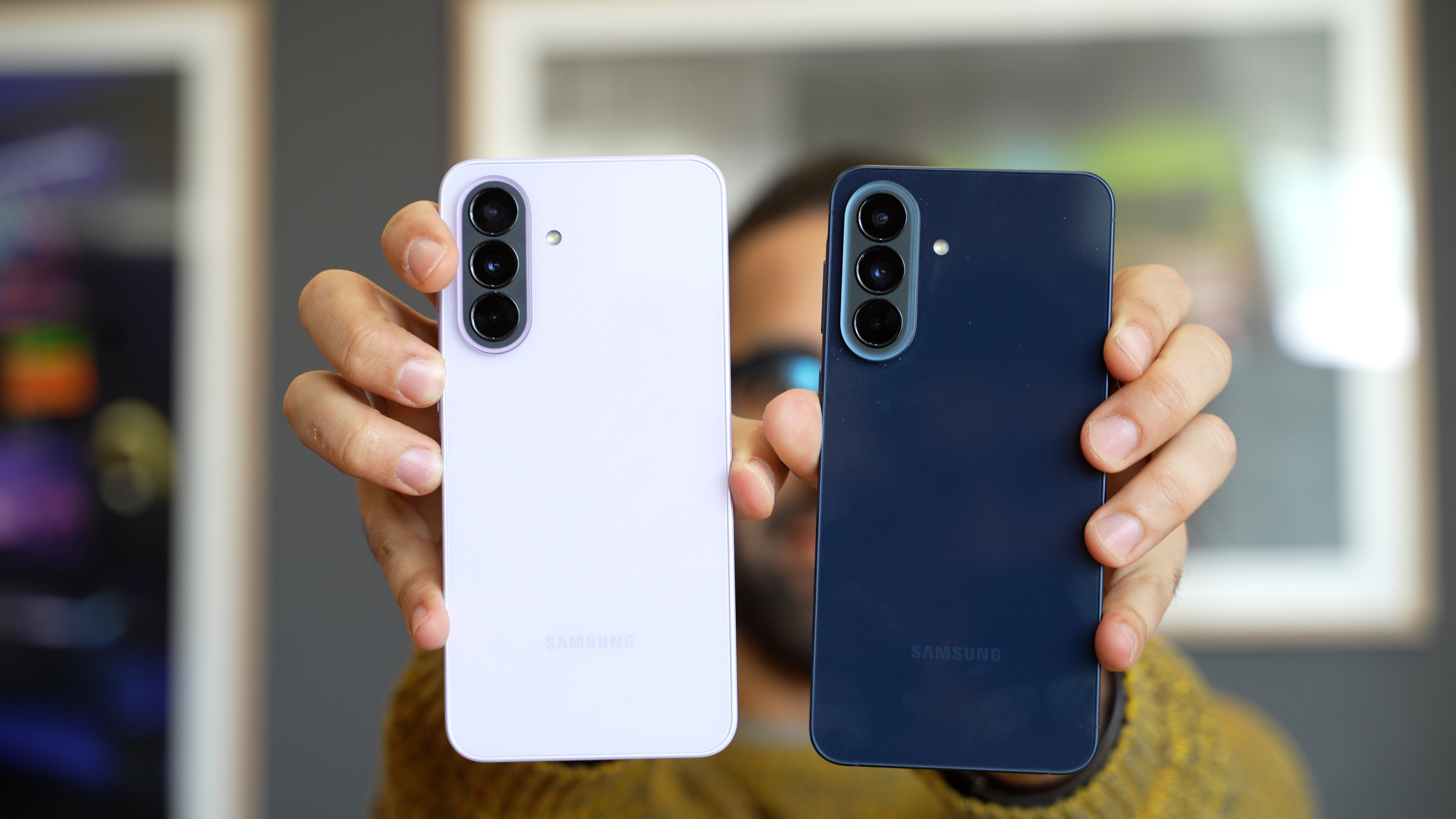
From a design perspective, the Samsung Galaxy A57 stands out, showcasing a deliberate effort to elevate the aesthetic and tactile experience for a mid-range device. Drawing inspiration from its more expensive siblings, the A57 boasts several enhancements that collectively contribute to a more premium feel. These include noticeably thinner screen bezels, a more compact footprint with reduced thickness and weight (179 grams and 6.9 mm), and a refined flat-edge design that enhances grip and visual appeal. Crucially, the A57 features an aluminum chassis, lending it a robust and high-quality feel that distinguishes it from many plastic-clad competitors in its price bracket. This meticulous attention to detail on the A57 aims to blur the lines between mid-range and premium segments, offering a sophisticated user experience.

In contrast, the Galaxy A37, while sharing a similar overall aesthetic, adopts a more utilitarian approach. Its design incorporates thicker screen bezels, a slightly heavier build at 196 grams, and a marginally thicker profile of 7.4 mm. The chassis is constructed from plastic, a common material choice for devices positioned at a more accessible price point. While these differences are subtle when viewed from the rear, holding the devices or observing their front panels with the screen active quickly reveals the distinction in their respective build qualities and target price segments. Both models, however, feature a glossy glass finish on the rear, which, while visually appealing, is prone to fingerprints – a minor trade-off for the aesthetic uniformity with higher-end models.
Shared Visual Excellence: The Display and Durability Factor

Both the Galaxy A37 and A57 are equipped with identical 6.7-inch AMOLED displays, offering a Full HD+ resolution and a smooth 120 Hz refresh rate. This commitment to high-quality display technology across both models underscores Samsung’s strength in screen manufacturing. A significant improvement noted is the increased peak brightness, now reaching 1900 nits. While this still falls short of the 2600 nits promised on the flagship Galaxy S26 series, it represents a substantial leap for the A-series, promising excellent outdoor visibility and a more immersive viewing experience for HDR content. The vibrant colors, deep blacks, and fluid scrolling characteristic of AMOLED panels are expected to be key selling points for both devices.
Furthermore, Samsung has prioritized durability, incorporating Gorilla Glass Victus Plus on both the front and rear panels of both models. This advanced glass protection offers enhanced resistance against scratches and drops, providing users with a greater sense of security. Complementing this, both the A37 and A57 carry an IP68 certification for dust and water resistance, a feature typically reserved for more premium devices. This level of durability ensures the phones can withstand everyday mishaps, making them reliable companions for active users. The inclusion of these features across both models demonstrates a consistent baseline for quality and resilience within the new A-series lineup.

Software Evolution: One UI 8.5 with Enhanced AI Capabilities
Powering the new Galaxy A37 and A57 is Android 16, overlaid with Samsung’s latest custom interface, One UI 8.5. This software iteration brings a host of new features and refinements, with a particular emphasis on Artificial Intelligence (AI) capabilities. Samsung is heavily promoting the integration of Google’s Gemini AI, which promises to streamline user interactions by automating tasks across various applications. This proactive AI assistant aims to save users time and effort by intelligently anticipating needs and executing commands within the phone’s ecosystem.

One UI 8.5 introduces several AI functionalities that users may find familiar from other platforms or premium Samsung devices. These include advanced voice transcription, intelligent AI selection for text and images, and a seamless drag-and-drop feature for transferring content between applications. Photo retouching, a particularly popular AI application, receives significant attention. Users can leverage AI suggestions for remastering images or adjusting background blur, with initial impressions indicating generally good performance in these areas. The AI effectively analyzes images to enhance clarity, correct imperfections, and create professional-looking depth-of-field effects.
However, the AI’s performance in more complex tasks, such as object erasure, appears to be less refined on the A-series compared to its flagship counterparts. While the feature allows users to remove unwanted objects or people from photos, the results can be somewhat "messy," with noticeable artifacts or inconsistencies in the background where the object was removed. This stands in contrast to the impeccable results often seen on devices like the Galaxy S26 Ultra, which leverage more powerful processing and potentially more sophisticated AI algorithms. The disparity is surprising given that the underlying AI models are ostensibly similar and much of the processing occurs in the cloud, requiring an internet connection. This suggests potential optimizations specific to flagship hardware or differing levels of AI model deployment for the mid-range.

A significant advantage for both the Galaxy A37 and A57 is Samsung’s commitment to extended software support. Both devices are guaranteed to receive six years of major Android operating system updates and security patches. This long-term support policy is a crucial selling point, offering users peace of mind regarding the longevity and security of their investment. In an era where smartphone lifecycles are extending, this commitment sets Samsung apart and adds substantial value to its mid-range offerings.
Core Performance and Connectivity

Beneath the surface, the Galaxy A37 and A57 differentiate themselves through their processing power and connectivity options. The Galaxy A37 is equipped with the Exynos 1480 chipset, an octa-core processor designed to deliver efficient performance for everyday tasks and moderate gaming. It comes with a choice of 6 GB or 8 GB of RAM, allowing consumers to select a configuration that best suits their multitasking needs and budget. For wireless connectivity, the A37 supports Wi-Fi 6, ensuring fast and reliable internet access in compatible environments.
The Galaxy A57, positioned as the more capable of the two, features the more powerful Exynos 1680 chipset. This enhanced processor is expected to offer a noticeable boost in overall performance, particularly in demanding applications, graphic-intensive games, and complex AI computations. It is exclusively offered with 8 GB of RAM, reflecting its higher-tier positioning and ensuring smooth multitasking and application handling. In terms of connectivity, the A57 takes a step further by supporting both Wi-Fi 6 and Wi-Fi 6E. The inclusion of Wi-Fi 6E, which operates on the less congested 6 GHz band, provides access to even faster wireless speeds and lower latency, future-proofing the device for next-generation network infrastructures. This distinction in chipsets and Wi-Fi capabilities serves as a key performance differentiator between the two models.

Unified Camera System and Robust Battery Life
Despite their differences in design and core processing, both the Galaxy A37 and A57 share an identical and robust camera system. Each device features a versatile triple-camera array on the rear, vertically aligned in a distinctive Samsung aesthetic that harmonizes with the broader Galaxy design language, though clearly distinct from the S-series flagships. The primary sensor is a 50-megapixel lens, equipped with optical image stabilization (OIS), promising sharp, detailed photos even in challenging lighting conditions. This is complemented by a 12-megapixel ultrawide lens, ideal for capturing expansive landscapes and group shots, and a 5-megapixel macro lens for close-up photography, allowing users to explore intricate details.

Samsung highlights several improvements to the camera experience, including enhanced HDR video capabilities for more dynamic range, superior noise reduction for cleaner images in low light, and more efficient autofocus for quick and precise subject tracking. For selfies and video calls, both models feature a 12-megapixel front-facing camera, ensuring high-quality self-portraits and clear communication. The consistent camera hardware across both models ensures that users, regardless of their chosen A-series device, can expect a strong photographic experience.
Battery performance is another area of strong commonality. Both the Galaxy A37 and A57 are powered by a substantial 5000 mAh battery. This large capacity is expected to deliver excellent all-day battery life, even with heavy usage and the 120 Hz display. Furthermore, both devices support fast charging at up to 45W. While the charger itself is typically sold separately, this fast-charging capability allows for rapid replenishment of the battery, minimizing downtime and ensuring users can quickly get back to their activities. This unified approach to battery and charging underscores Samsung’s focus on delivering consistent, long-lasting power across its new mid-range offerings.

Pricing and Market Implications
The official launch date for both the Samsung Galaxy A37 and Galaxy A57 is set for April 10, 2026. However, prospective buyers should note a significant trend: a price increase of approximately 50 euros compared to their predecessors. This upward adjustment reflects not only the enhanced features and more premium materials but also broader market dynamics and inflationary pressures in the technology sector.

The Samsung Galaxy A37 will be available in four distinct color options: graphite, dark green, white, and lavender. It offers two configurations:
- 128 GB storage with 6 GB RAM: 449 euros
- 256 GB storage with 8 GB RAM: 499 euros
The Samsung Galaxy A57, aiming for a more refined appeal, will also come in four colors: blue, grey, lavender, and light blue. It offers two configurations, both featuring 8 GB of RAM:

- 128 GB storage with 8 GB RAM: 549 euros
- 256 GB storage with 8 GB RAM: 599 euros
This pricing strategy places the A37 firmly in the competitive sub-500 euro category, while the A57 pushes into the 500-600 euro bracket, traditionally a battleground for devices from various manufacturers. The price increase, while reflecting feature upgrades like the brighter display, improved durability, and enhanced AI, could impact consumer perception, especially in markets sensitive to value propositions. Samsung’s challenge will be to clearly articulate the added value these new features bring to justify the higher cost in a segment where competition on price is fierce. The long-term software support and IP68 rating, previously rare at these price points, will be crucial in demonstrating this value.
The launch of the Galaxy A37 and A57 represents Samsung’s continued strategic investment in the mid-range market. By refining design, integrating advanced display technology, bolstering durability, and extending software support, Samsung aims to maintain its strong position. The emphasis on AI, particularly through One UI 8.5 and Gemini, positions these devices as intelligent companions ready for the demands of 2026 and beyond. While the price adjustment is a factor, the comprehensive package of features, coupled with Samsung’s brand reputation and extensive ecosystem, is designed to appeal to a broad spectrum of consumers looking for reliable and feature-rich smartphones that offer a taste of premium without the full flagship expenditure.