Galang Taruna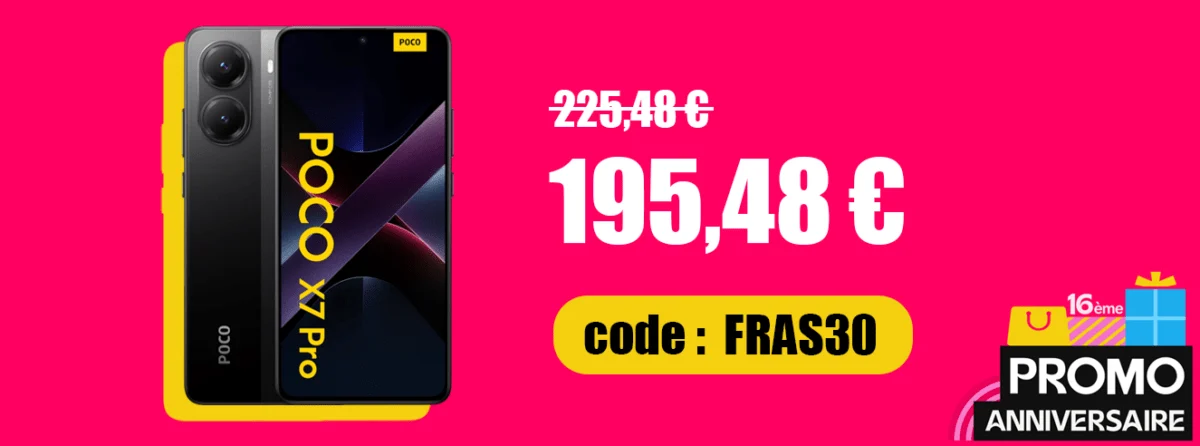
The smartphone market, a fiercely competitive arena, has long been segmented by price, with premium features typically reserved for flagship devices. However, a new contender, the Nothing Phone (4a) Pro, is poised to disrupt this established order, offering a compelling blend of atypical design, advanced features, and an attractive price point below 500 euros. This device, a potential "coup de cœur" for many tech enthusiasts and budget-conscious consumers alike, signals a strategic move by Nothing to bring high-end innovations to a more accessible segment, challenging perceptions of what a mid-range smartphone can truly deliver.
Nothing’s Vision: Design-First Innovation at Accessible Prices
The brand Nothing, founded by OnePlus co-founder Carl Pei, emerged with a clear philosophy: to inject creativity, transparency, and user-centric design into a tech landscape often criticized for its homogeneity. Since its inception, Nothing has consistently aimed to differentiate itself through distinctive aesthetics and a focus on user experience, starting with its audio products and then moving into smartphones with the Nothing Phone (1) and Phone (2). The introduction of the Nothing Phone (4a) Pro, while potentially a new nomenclature or a specific regional variant, aligns perfectly with this brand ethos. It represents an evolution of Nothing’s commitment to making innovative technology available to a broader audience without compromising on the brand’s unique identity.
Nothing’s journey began with a promise to create "tech that’s fun again," a sentiment often lost amidst the iterative updates of established players. The company’s initial products, like the Nothing Ear (1) and later the Nothing Phone (1), garnered significant attention for their transparent designs and the innovative Glyph Interface – a series of customizable LED strips on the back of the phone that served as a visual notification system. This approach resonated with consumers tired of generic black slabs, establishing Nothing as a brand that prioritizes both form and function. The (4a) Pro appears to be a direct continuation of this strategy, aiming to deliver a complete and engaging user experience that stands out in a crowded market, particularly within the crucial sub-€500 category. This segment is vital for market penetration, as it caters to a vast demographic seeking value without sacrificing core functionalities and a touch of uniqueness.
Unpacking the Atypical Design: Beyond the Glyph
The original report highlights the Nothing Phone (4a) Pro’s "design atypique" (atypical design) and the integration of an "affichage au dos" (rear display). While specific details of this rear display remain to be fully unveiled, it represents a significant evolution from the original Glyph Interface. The Glyph Interface, with its intricate LED patterns, offered a novel way to receive notifications and understand phone status without constantly looking at the main screen. A fully functional rear display, however, opens up a new realm of possibilities for interaction and personalization.
Such a secondary screen could serve multiple practical purposes. Imagine quickly checking notifications, battery status, or incoming calls without needing to flip the phone over. It could act as a sophisticated viewfinder for the main camera, allowing for higher-quality selfies using the primary sensors, a feature typically found on specialized photography phones or very high-end flagships. Furthermore, it could display custom widgets, weather information, or even act as a dynamic background, further enhancing the phone’s aesthetic appeal and user engagement. This commitment to design innovation is not merely cosmetic; it aims to enhance daily usability and provide a distinct identity that sets the Nothing Phone (4a) Pro apart from its competitors. In a market where many devices share similar front-facing aesthetics, a distinctive and functional rear design can be a powerful differentiator. The emphasis on unique design elements underscores Nothing’s intent to build a brand identity that is immediately recognizable and associated with thoughtful innovation.
Performance Under the Hood: A Balanced Approach
While the primary focus of the initial announcement is on design and photographic innovation, a device vying for the "best smartphone under €500" title must also deliver robust performance. Although specific hardware specifications for the Nothing Phone (4a) Pro were not detailed, one can infer the likely configuration based on market trends and Nothing’s previous offerings. To achieve a smooth and responsive user experience within this price bracket, the phone would likely be powered by a capable mid-range chipset, such as a Qualcomm Snapdragon 7-series processor or a MediaTek Dimensity equivalent. These chipsets offer an excellent balance of power efficiency and performance, capable of handling daily tasks, multitasking, and even demanding mobile gaming with commendable fluidity.
Complementing the processor, the device would typically feature ample RAM, likely ranging from 6GB to 12GB, to ensure seamless app switching and background process management. Storage options would probably start at 128GB or 256GB, providing sufficient space for applications, photos, and videos. The software experience is equally crucial, and Nothing’s custom Android skin, Nothing OS, is renowned for its clean, minimalist interface, free from bloatware and unnecessary customizations. This streamlined approach not only contributes to better performance by reducing system overhead but also aligns with Nothing’s transparent design philosophy, offering a near-stock Android experience with unique visual flair and bespoke widgets. The synergy between optimized hardware and a lean, intuitive software layer is paramount to delivering a "very complete experience" without breaking the budget, as highlighted in the initial review.
Redefining Photography: The Periscopic Advantage in the Mid-Range
Perhaps the most striking technical innovation highlighted for the Nothing Phone (4a) Pro is the inclusion of a "téléobjectif périscopique" (periscopic telephoto lens) for photography. This feature is almost exclusively found in premium flagship smartphones costing upwards of €800-€1000. Its presence in a sub-€500 device is a significant game-changer and a testament to Nothing’s ambition to democratize advanced mobile photography.
A periscopic telephoto lens uses a prism to bend light 90 degrees, allowing for the inclusion of multiple lens elements horizontally within the phone’s body. This ingenious design enables significantly greater optical zoom capabilities (typically 3x, 5x, or even 10x) compared to traditional telephoto lenses, which are limited by the phone’s thickness. For consumers, this translates into the ability to capture distant subjects with incredible detail, without resorting to pixelated digital zoom. Imagine photographing wildlife, architectural details, or concert stages with clarity previously unattainable on a mid-range device. This feature alone could elevate the Nothing Phone (4a) Pro’s camera system above virtually all its direct competitors, offering a level of versatility and quality that truly sets it apart.
Beyond the periscopic lens, the phone would likely feature a robust main sensor (e.g., 50MP or higher with OIS for stable shots), and potentially an ultra-wide-angle lens to cover various photographic scenarios. Nothing’s software processing, combined with these advanced optics, would be crucial in maximizing image quality across different lighting conditions. The video review, as mentioned, would undoubtedly delve into the practical benefits and performance of this periscopic lens in everyday usage, demonstrating its "bluffant" (stunning) capabilities for its price. This strategic inclusion of a premium camera component underscores Nothing’s aggressive push to deliver high-value features, forcing competitors in the mid-range segment to re-evaluate their own product roadmaps.
Immersive Display and Multimedia Experience
A smartphone’s display is the primary window to its digital world, and for a device aiming to offer a "complete experience," a high-quality screen is non-negotiable. Given Nothing’s track record and the competitive nature of the sub-€500 market, the Nothing Phone (4a) Pro is highly likely to feature a vibrant AMOLED display. AMOLED technology offers deep blacks, excellent contrast, and vivid colors, providing an immersive visual experience for everything from browsing social media to streaming high-definition content.
In line with modern expectations, the display would probably boast a high refresh rate, possibly 90Hz or 120Hz, ensuring buttery-smooth scrolling and a more responsive touch experience. A typical resolution would be Full HD+ (1080p), offering crisp visuals. Furthermore, peak brightness levels would need to be sufficient for comfortable outdoor visibility. Paired with a decent audio setup, perhaps stereo speakers with support for high-resolution audio codecs, the Nothing Phone (4a) Pro would aim to deliver a compelling multimedia experience, making it an excellent device for entertainment consumption. The combination of a visually stunning screen and rich audio would complement the phone’s overall premium feel, further justifying its position as a top contender in its price category.
Powering Through the Day: Battery and Charging Innovations
Battery life remains a critical concern for smartphone users, and a "complete experience" requires a device that can last through a full day of heavy use. The Nothing Phone (4a) Pro would likely incorporate a substantial battery capacity, typically in the range of 4,500mAh to 5,000mAh, to ensure endurance. Coupled with the power efficiency of its mid-range processor and Nothing OS’s optimized software, users could expect reliable all-day performance.
Fast charging technology is now standard across most price segments, and the Nothing Phone (4a) Pro would undoubtedly support rapid charging speeds, allowing users to quickly top up their device when needed. While wireless charging is less common in the sub-€500 segment, its inclusion would be another premium feature differentiating the (4a) Pro. Even without wireless charging, competitive wired fast charging (e.g., 33W, 45W, or even higher) would ensure minimal downtime, reflecting Nothing’s understanding of contemporary user demands for convenience and efficiency.
Strategic Market Positioning and Competitive Landscape
The sub-€500 smartphone market is one of the most hotly contested segments, populated by formidable players like Xiaomi (with its Redmi and POCO sub-brands), Samsung’s Galaxy A-series, Google’s Pixel ‘a’ line, and OnePlus’s Nord series. Each of these brands offers compelling devices with strong specifications and established ecosystems. For the Nothing Phone (4a) Pro to carve out a significant niche, its unique combination of design, software experience, and premium features must truly resonate with consumers.
The strategic pricing of "less than 500 euros" positions the (4a) Pro as a direct competitor to these market giants. Its differentiating factors – the distinctive rear display, the clean and stylish Nothing OS, and especially the periscopic telephoto lens – provide a strong value proposition that can sway potential buyers. While brands like POCO focus heavily on raw performance for gaming (as seen in the accompanying ad for the POCO X7 Pro), Nothing seems to be targeting a more holistic appeal: a device that looks good, feels good, performs well, and excels in areas like photography where its peers often compromise. This approach aims to attract users who are looking for more than just specifications; they desire a phone with character and unique capabilities.
Broader Implications for the Smartphone Industry
The arrival of the Nothing Phone (4a) Pro, particularly with its advanced photographic capabilities at an aggressive price point, carries significant implications for the broader smartphone industry. Historically, premium features like periscopic lenses have been used by manufacturers to justify the higher price tags of their flagship devices. Nothing’s decision to bring such technology to the mid-range effectively raises the bar for what consumers can expect from more affordable smartphones.
This move could trigger a ripple effect across the industry. Competitors might be compelled to accelerate their own research and development efforts to integrate similar advanced features into their mid-range offerings, leading to a more competitive and innovative market overall. For consumers, this translates into greater choice and better value for money, as the line between mid-range and high-end features becomes increasingly blurred. Furthermore, Nothing’s success in this segment would validate its unique brand strategy, encouraging other smaller or newer players to innovate boldly rather than simply mimic established trends. It reinforces the idea that design and thoughtful feature integration can be as powerful a differentiator as raw processing power.
Conclusion: A Bold Statement in Affordability and Innovation
The Nothing Phone (4a) Pro emerges as a compelling and audacious entry into the mid-range smartphone market. By combining Nothing’s signature atypical design, exemplified by a potentially functional rear display, with a truly groundbreaking periscopic telephoto lens typically reserved for premium flagships, the device promises a "very complete experience" without sacrificing the budget. Its strategic pricing below 500 euros, coupled with a clean software experience and a focus on unique user interaction, positions it as a formidable challenger to established players.
This smartphone is more than just another device; it’s a statement. It embodies Nothing’s philosophy of making innovative, well-designed technology accessible to a wider audience, pushing the boundaries of what consumers can expect from a mid-range phone. As the comprehensive video review from Frandroid suggests, the Nothing Phone (4a) Pro has the potential to become a "coup de cœur," not just for its affordability, but for its ability to deliver a truly differentiated and feature-rich experience that stands out in a crowded and often uninspired market. Its introduction marks a significant moment, promising to reshape expectations and ignite further innovation within the highly dynamic smartphone industry.