Clarissa Hana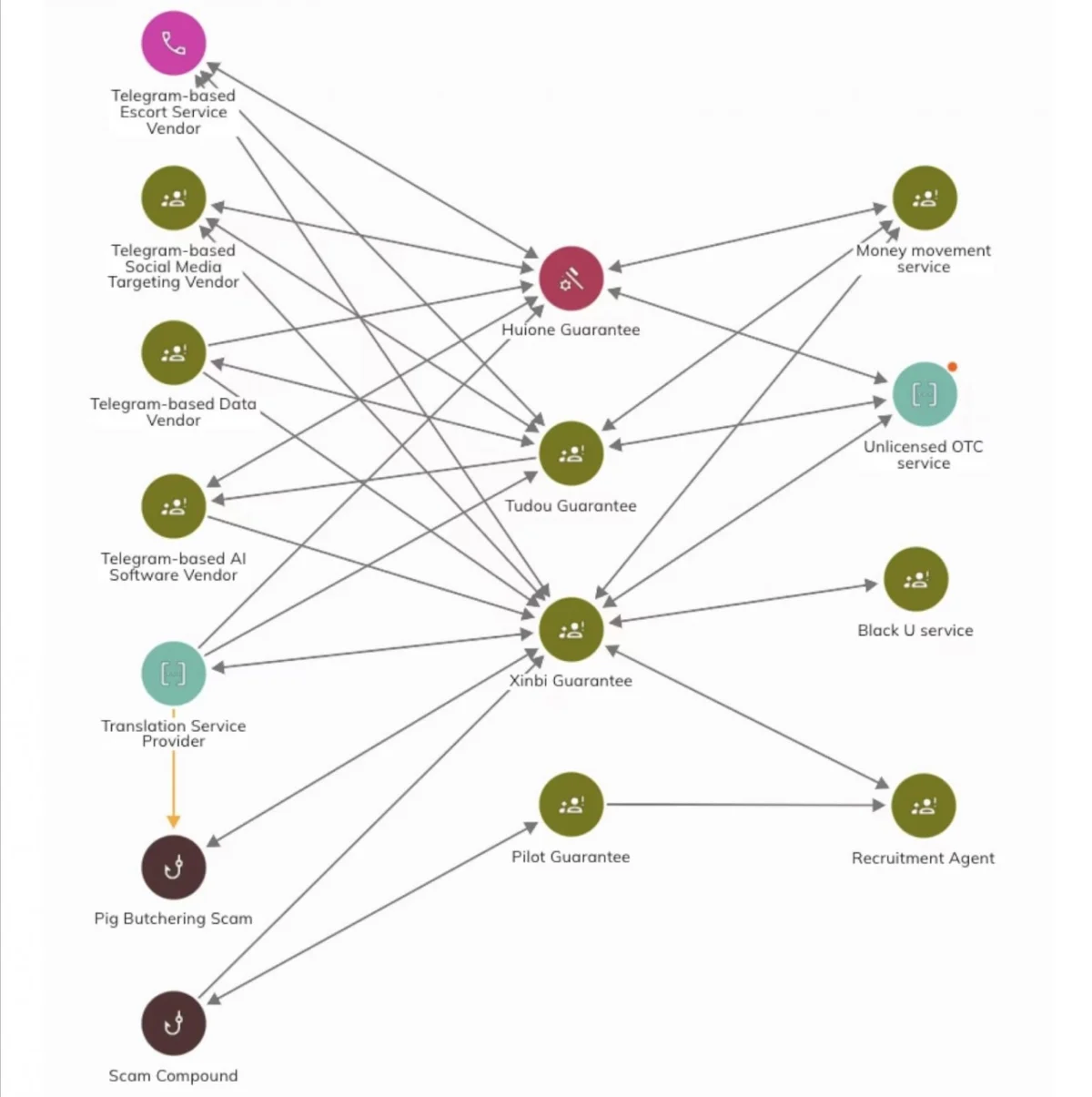
The United Kingdom’s Foreign, Commonwealth and Development Office (FCDO) has imposed significant sanctions on Xinbi, a sophisticated Chinese-language online marketplace facilitating the trade of stolen data and crucial satellite internet equipment to widespread scam networks operating across Southeast Asia. This decisive action, announced on Thursday, marks a significant escalation in the UK’s commitment to disrupting the financial arteries of organized crime and protecting citizens from increasingly prevalent digital threats. Xinbi’s operations are intrinsically linked to the funding and operational capacity of large-scale cybercriminal enterprises, including those suspected of aiding North Korean threat actors in laundering substantial amounts of cryptocurrency illicitly obtained from victims globally.
The Telegram-based marketplace Xinbi has emerged as a critical nexus for illicit activities, enabling the flow of both stolen personal information and the infrastructure necessary for advanced cyber-enabled fraud. Blockchain analysis conducted by Chainalysis, a leading firm in the field, reveals the staggering scale of Xinbi’s operations. Between 2021 and an projected endpoint in 2025, the platform is estimated to have processed over $19.9 billion in transactions. This vast financial throughput has been instrumental in a wide array of illegal activities, ranging from unlicensed over-the-counter (OTC) cryptocurrency trades and complex money laundering schemes to the direct sale of stolen personal databases, a fundamental commodity for sophisticated phishing and social engineering attacks.
In tandem with the sanctions against Xinbi, the FCDO has also targeted #8 Park, a sprawling, large-scale scam compound identified as a major hub for criminal operations in Southeast Asia. Blockchain analytics firm Elliptic has previously linked #8 Park to the Prince Group crime ring, a notorious criminal syndicate implicated in a wide range of illicit activities. Legend Innovation Co., the alleged operator of #8 Park, has also been brought under sanctions. The FCDO’s announcement explicitly states that #8 Park is believed to be Cambodia’s largest scam compound, with an estimated capacity to house and operate services for up to 20,000 trafficked individuals. These individuals are often coerced into participating in criminal activities against their will, highlighting the severe human rights abuses intertwined with these illicit operations.
Dissecting the Xinbi Ecosystem and its Criminal Reach
Xinbi’s operational model appears to be multifaceted, serving as a critical infrastructure provider for a variety of cybercriminal endeavors. Its role in supplying stolen data, such as personal identification information, financial credentials, and login details, directly fuels the efficacy of "pig butchering" scams, also known as romance baiting. These scams typically begin with a seemingly innocuous online interaction, often initiated through social media, messaging apps, or dating platforms. Scammers, armed with detailed personal information acquired from marketplaces like Xinbi, establish trust and rapport with their targets, often over extended periods. This psychological manipulation culminates in luring victims into investing in fraudulent cryptocurrency schemes, promising exceptionally high returns. The essence of the scam lies in the eventual absconding with the invested funds, which are then laundered through complex cryptocurrency transactions, often facilitated by platforms like Xinbi.
The satellite internet equipment allegedly supplied by Xinbi is another crucial element, potentially enabling scam operations to maintain secure and untraceable communication channels, even in remote or heavily monitored regions. This aspect of Xinbi’s illicit trade underscores the sophisticated logistical support it provides to transnational criminal organizations.
A Chronology of Disruption: From Prince Group to Xinbi
The sanctions announced today are not an isolated event but represent a continuing and intensifying effort by the UK government, in coordination with international partners, to dismantle sophisticated criminal networks. This latest action follows a significant joint operation in October 2025, where the FCDO and the U.S. Department of the Treasury’s Office of Foreign Assets Control (OFAC) imposed coordinated sanctions on the Cambodian Prince Group crime ring and its leader, Chen Zhi. That operation resulted in asset freezes and the shutdown of hundreds of scam centers.

The U.S. Department of Justice also played a pivotal role in the October 2025 action, seizing an estimated $15 billion in Bitcoin linked to Chen Zhi, although he remains at large. The current sanctions against Xinbi and #8 Park build directly upon the intelligence and operational insights gained from these previous disruptions. By targeting the financial and logistical enablers of these scam operations, the UK aims to create a ripple effect that cripples their ability to function and expand.
The FCDO’s statement on Thursday emphasized the UK’s pioneering role in sanctioning Xinbi, positioning it as the first country to take such a direct measure against one of Southeast Asia’s largest illicit marketplaces for cryptocurrency-based services. This strategic move underscores the UK’s commitment to leading international efforts against cybercrime and financial illicit finance.
Financial Footprint and Blockchain Analysis
The financial scale of Xinbi’s operations, as detailed by Chainalysis, provides a stark quantitative overview of the problem. The $19.9 billion figure, representing transactions between 2021 and 2025, signifies a substantial flow of illicit capital. This amount not only highlights the profitability of the criminal enterprises utilizing Xinbi but also the immense challenge in tracing and recovering these funds. The firm’s analysis further indicates that Xinbi has facilitated a spectrum of illicit financial activities, from the relatively opaque world of unregulated OTC crypto trading, which can obscure the origins of funds, to outright money laundering and the sale of compromised personal data.
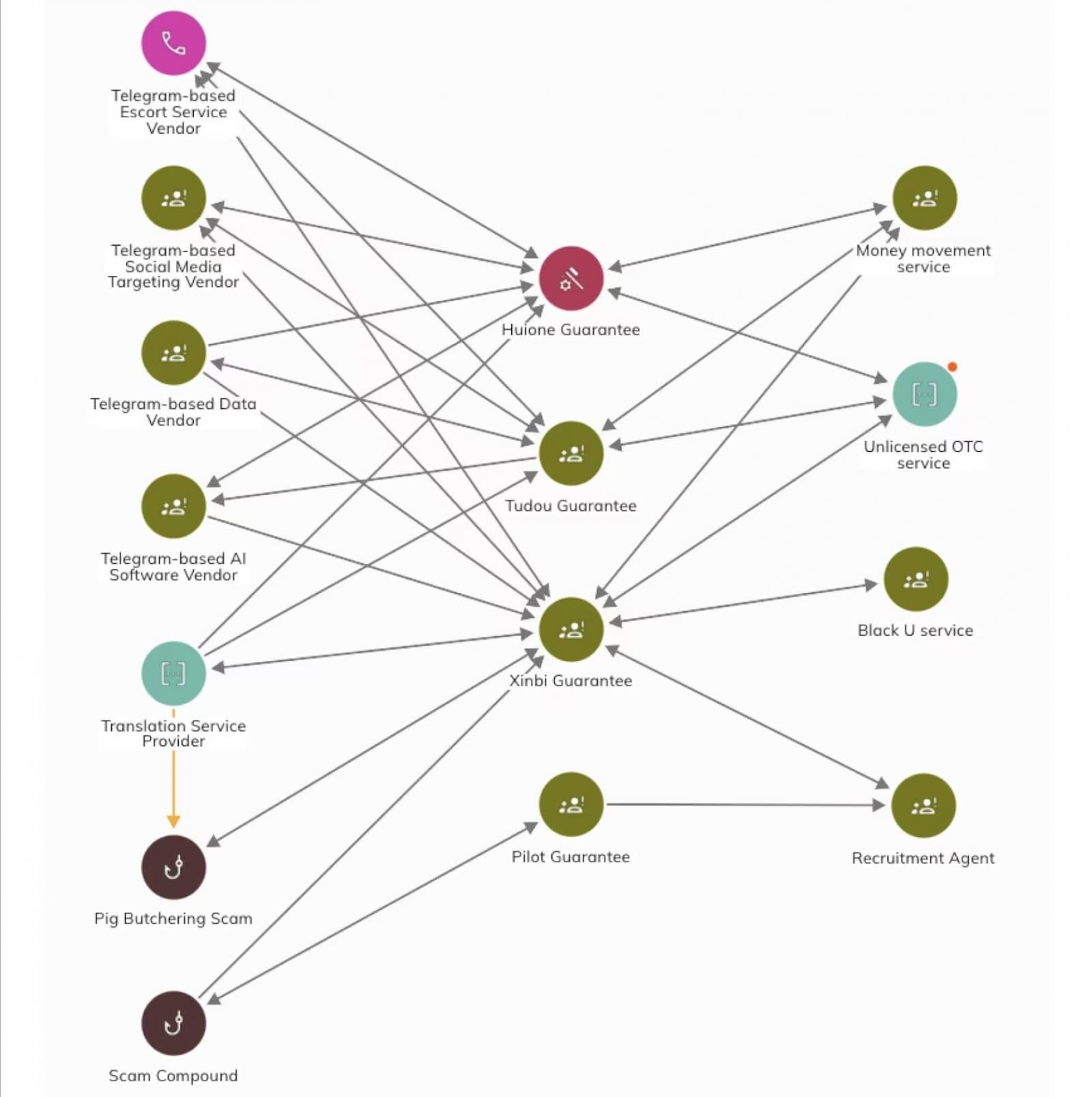
The interconnectedness of these illicit platforms is visually represented in Chainalysis’s accompanying data, which illustrates Xinbi’s links to other criminal services and platforms. This network analysis is crucial for law enforcement and intelligence agencies to map out the entire ecosystem of cybercrime, identifying not just individual actors but the underlying infrastructure that supports their operations.
Official Responses and Diplomatic Stance
The FCDO’s announcement was accompanied by strong statements from government officials, underscoring the seriousness with which the UK views these transnational criminal threats. Stephen Doughty, the U.K.’s Minister of State for Europe, North America and Overseas Territories, articulated the government’s firm stance: "Our sanctions today send a clear message: We will not allow British people to become victims of these dreadful scams or tolerate the awful human rights abuses perpetrated in these scam centres."
The Minister’s statement directly addresses the dual impact of these criminal networks: the financial exploitation of victims and the severe human rights violations, particularly the trafficking and coercion of individuals into participating in these schemes. This framing highlights the comprehensive approach the UK is adopting, tackling both the financial and humanitarian dimensions of cybercrime.
Furthermore, Minister Doughty emphasized the UK’s ongoing commitment to international cooperation and action. He stated, "We must keep up the pressure on dirty money and those who benefit from it. At the Illicit Finance Summit in June, the UK will drive international action to tackle the ways in which ill-gotten profits are laundered and moved around the world." This indicates that the current sanctions are part of a broader, sustained international strategy to combat financial crime and will be a key focus for diplomatic engagement in the near future.
Implications and Broader Impact
The UK’s sanctions against Xinbi and #8 Park have several significant implications for the global fight against cybercrime. Firstly, by targeting a prominent marketplace like Xinbi, the UK aims to disrupt the supply chain of stolen data and essential tools for scam operations. This makes it more difficult and expensive for criminals to acquire the resources they need, potentially leading to a reduction in the volume and sophistication of attacks.
Secondly, the sanctions are designed to isolate Xinbi from the legitimate cryptocurrency ecosystem. By making it impossible for the platform to engage in cryptocurrency transactions, the UK is effectively cutting off its access to global financial networks. This mirrors the impact seen with the Byex Exchange, which ceased operations after being sanctioned by the UK last year. Such actions demonstrate the effectiveness of targeted financial sanctions in crippling illicit operations.
Thirdly, the focus on #8 Park and its associated crime ring underscores the UK’s commitment to tackling the physical infrastructure of cybercrime. Scam compounds are not just digital entities; they are often large, physical operations that rely on exploited human labor and significant logistical support. By sanctioning these compounds and their operators, the UK is attacking the problem at its root.
The broader impact of these sanctions extends to investor confidence and the integrity of the cryptocurrency market. By actively targeting illicit marketplaces and their facilitators, governments like the UK are working to create a safer and more regulated environment for legitimate cryptocurrency adoption. This can help to build trust and encourage responsible innovation within the digital asset space.
The interconnectedness of global cybercrime means that actions taken by one nation can have far-reaching effects. The UK’s proactive stance, particularly its willingness to be the first to sanction Xinbi, signals a strong leadership role in international efforts to combat these evolving threats. The upcoming Illicit Finance Summit in June will be a critical platform for solidifying these international collaborations and ensuring a coordinated global response to the challenges posed by illicit finance and cybercrime. The continued pressure on criminal networks and their enablers, as exemplified by today’s sanctions, is vital in protecting individuals and economies from the pervasive and damaging effects of digital criminal enterprises.