Galang Taruna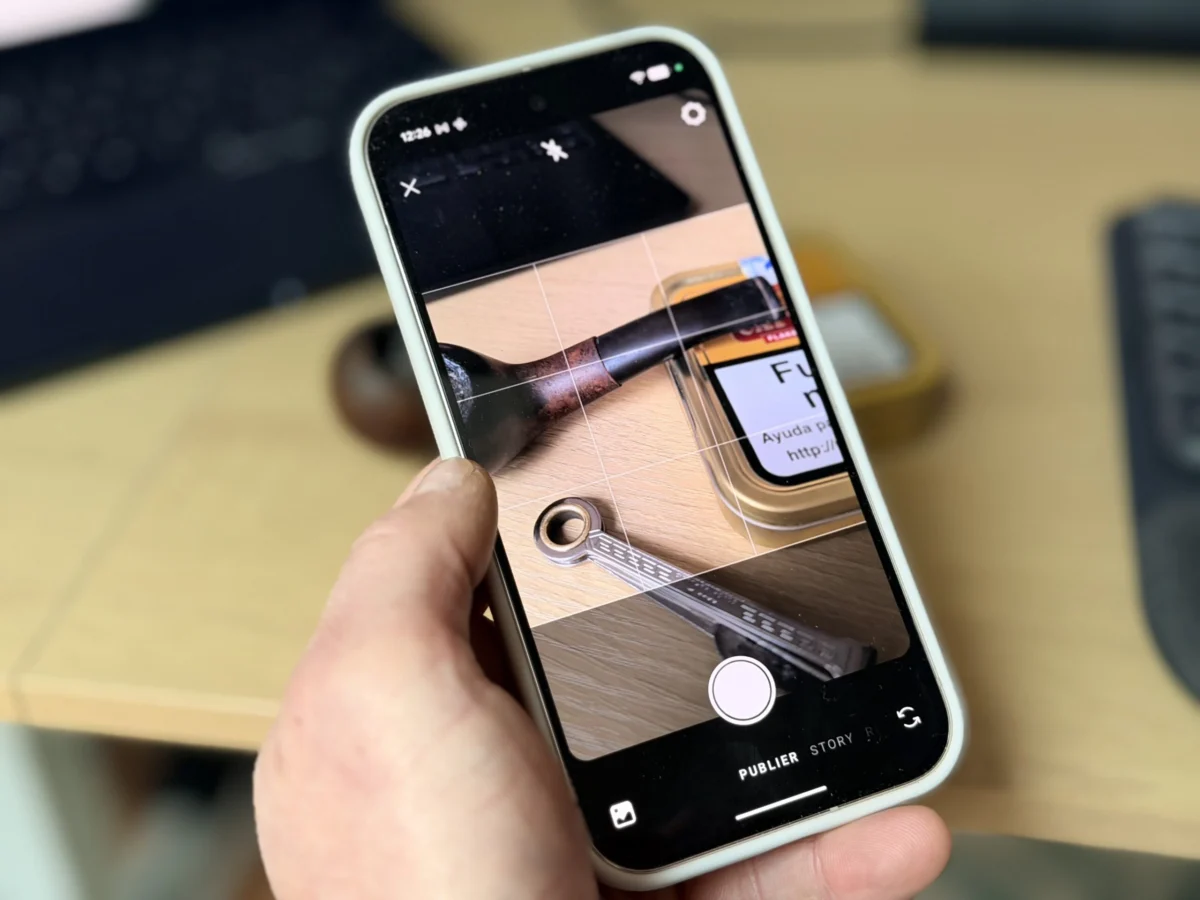
Google has officially rolled out the third beta of Android 17, a pivotal release that introduces a transformative feature poised to revolutionize mobile photography: the ability for third-party applications to fully leverage the advanced functionalities of a device’s native camera hardware and software. This significant update, detailed in Google’s recent developer blog, addresses a long-standing limitation in the Android ecosystem, promising a seamless and high-quality imaging experience across all applications.
For years, smartphone users have grappled with a frustrating dichotomy in mobile photography. While native camera applications developed by device manufacturers boast sophisticated features like advanced HDR, dedicated night modes, optical zoom, and complex computational photography algorithms, the camera interfaces integrated into popular third-party applications—such as WhatsApp, Instagram, TikTok, and Twitter—have often been rudimentary. These in-app cameras typically offer limited controls, inferior image processing, and a noticeable drop in quality compared to their native counterparts. This discrepancy has compelled millions of users to adopt a cumbersome workaround: capturing photos with the superior native camera app, then manually importing and sharing them within social media platforms. This multi-step process disrupts user flow and undermines the potential of modern smartphone cameras.
The Genesis of a Solution: Unlocking Native Camera Power
The core of Android 17’s innovation lies in its enhanced support for "vendor-defined camera extensions." This architectural improvement allows hardware partners—the smartphone manufacturers themselves—to expose their unique and often proprietary camera capabilities directly to Android applications. As Google elucidated in its blog post, "Android 17 adds support for vendor-defined camera extensions, allowing hardware partners to provide Android apps access to camera features such as ‘super resolution’ or cutting-edge AI-based enhancements." This is a monumental shift from previous iterations, where third-party apps were largely restricted to a more generic, standardized camera interface that could not tap into the full spectrum of device-specific optimizations.
While Android has previously offered some basic sharing of camera features, such as limited HDR or night mode access, these implementations were often partial and lacked the depth to truly replicate the native camera experience. Modern smartphones, especially those in the premium segment, integrate a vast array of technologies beyond basic image capture. This includes advanced multi-frame processing, machine learning-driven scene recognition, specialized lens arrays, and sophisticated algorithms for noise reduction, dynamic range enhancement, and color accuracy. These algorithmic treatments, often powered by dedicated neural processing units (NPUs) or custom image signal processors (ISPs), have been the exclusive domain of the native camera app. With Android 17, these powerful computational photography pipelines are now within reach of third-party developers.
A Deep Dive into the Technical Underpinnings
The introduction of vendor-defined camera extensions builds upon Google’s ongoing efforts to standardize and enhance camera access on Android. The Camera2 API, introduced with Android 5.0 Lollipop, provided developers with granular control over camera hardware, but still required significant effort to integrate manufacturer-specific features. Later, CameraX, a Jetpack library, aimed to simplify camera development by offering a unified API that works across various Android versions and devices, abstracting away some of the hardware-specific complexities. However, even CameraX couldn’t fully bridge the gap for highly proprietary computational photography features.
Android 17’s approach appears to be a more direct conduit. By defining a framework for "vendor-defined extensions," Google is creating a standardized pathway for OEMs to package and expose their unique camera algorithms and hardware capabilities. This could include:
- Super Resolution: Advanced zoom capabilities that use software interpolation and multiple frames to create higher-detail images.
- AI-based Enhancements: Real-time scene optimization, subject tracking, improved portrait mode bokeh, and facial enhancements.
- Advanced HDR/Night Mode: Full access to the manufacturer’s proprietary algorithms that combine multiple exposures to produce images with wider dynamic range or better low-light performance.
- Specialized Sensor Access: Potential for apps to leverage unique sensors like depth sensors (ToF), ultrawide lenses, or telephoto lenses with their full computational processing.
For developers, this means a significant reduction in the effort required to implement high-quality camera functionality. Instead of attempting to reverse-engineer or re-implement complex image processing, they can now call upon the device’s native capabilities through a standardized API. This frees them to focus on unique application features, filters, and user experiences, knowing that the underlying image quality is consistent with the device’s best performance.
Chronology of Android 17 Development and Mobile Photography Milestones
The journey to Android 17 (expected stable release in Fall 2026, aligning with the image date 2026/03) has been a methodical progression.
- Early 2026: Google typically releases the first Developer Preview (DP1) of the next Android version, outlining core changes and new APIs.
- March 2026: Developer Preview 2 (DP2) often follows, refining initial features and adding more developer-focused tools.
- April-May 2026: Beta 1 is usually launched, opening up the new Android version to a broader public testing audience. This is where features begin to stabilize.
- June-July 2026: Beta 2 and Beta 3 are released, focusing on bug fixes, performance improvements, and final API stability. The announcement of the camera extensions in Beta 3 signals a mature and refined implementation of this crucial feature.
- August-September 2026: Typically, the stable version of Android is released, initially to Google Pixel devices, followed by other OEMs.
This development cycle highlights Google’s iterative approach, building on years of camera API evolution. Prior Android versions have gradually introduced more camera capabilities, from the basic Camera API 1 to the more powerful Camera2 API, and then the developer-friendly CameraX. Android 17 represents the culmination of these efforts, finally addressing the quality disparity in third-party camera integration.
Statements, Reactions, and Broader Implications
The unveiling of this feature in Android 17 Beta 3 is expected to elicit strong reactions across the mobile ecosystem.
- Google’s Vision: Google’s commitment is clear: to provide a consistent, high-quality user experience across all applications on Android. By enabling this deep camera integration, they are not only improving the user experience but also fostering innovation within the developer community. It reinforces Android’s position as a powerful and flexible platform.
- Smartphone Manufacturers (OEMs): This is where the primary challenge and opportunity lie. As the original article noted, Google cannot force OEMs to adopt this gateway. Manufacturers must choose to implement the necessary permissions and expose their proprietary camera extensions.
- Incentives: OEMs that embrace this will offer a superior user experience, potentially attracting users who prioritize seamless social sharing. It could also reduce customer support issues related to "poor camera quality" in social apps. Furthermore, it allows them to showcase their cutting-edge camera technology more broadly.
- Hesitations: Some OEMs might be reluctant to expose their proprietary algorithms, viewing their camera software as a key differentiator. There could be concerns about the development effort, potential for bugs, or maintaining control over their brand’s specific "look" in photos. However, the overwhelming user demand for better in-app camera quality is a powerful motivator. Leading manufacturers like Samsung, Xiaomi, and OnePlus, which heavily invest in camera technology, will likely be among the first to adopt these extensions to maintain their competitive edge. Google’s own Pixel line, known for its computational photography, will undoubtedly be a prime example of this feature’s potential.
- Third-Party App Developers: Applications like Instagram, Snapchat, TikTok, and WhatsApp are expected to welcome this change enthusiastically. For years, these platforms have invested significant resources in developing their own in-app camera filters and effects, often constrained by the quality of the underlying capture. With access to native camera capabilities, they can dramatically enhance the baseline image quality, allowing their creative tools and filters to shine on a much richer canvas. This will enable a new wave of innovative photo and video features within these apps.
- End-Users: For the average user, the impact will be immediate and highly positive. The frustration of taking a perfect shot with the native camera only to see its quality degrade when uploaded via a social app’s camera interface will largely become a thing of the past. Users can expect higher fidelity, better dynamic range, and more accurate colors in their shared content, regardless of the app used for posting. This means less friction, more spontaneity, and a generally more satisfying mobile photography experience.
Broader Impact and Future Outlook
This move by Google represents a significant step towards the democratization of advanced computational photography. It shifts the paradigm from proprietary, walled-garden camera experiences to a more open and integrated ecosystem.
- Enhanced Innovation: By providing a robust framework, Google empowers developers to innovate further, building richer experiences that truly leverage the powerful hardware in modern smartphones.
- Reduced Fragmentation: If widely adopted by OEMs, this feature could significantly reduce the fragmentation in camera quality across Android devices and applications, bringing a more consistent experience to users.
- New Revenue Streams: For developers, this could open up new possibilities for premium camera-centric features or integrations within their apps.
- Security and Privacy: Google will undoubtedly implement stringent permission models to ensure that users retain control over which applications can access these advanced camera features, adhering to its robust privacy standards.
Looking ahead, Android 17’s camera extensions set a precedent for how other specialized hardware components might be integrated into third-party applications. As smartphones evolve with even more advanced sensors—such as LiDAR, specialized spectrometers, or micro-lenses—Google’s framework could provide the means for developers to tap into these capabilities, fostering innovation beyond traditional photography. This release is not just about better photos in social apps; it’s about cementing Android’s role as a platform that consistently pushes the boundaries of what mobile technology can achieve, ensuring that the incredible power of modern smartphone cameras is accessible to everyone, everywhere, and in every app. The era of compromise in in-app photography is drawing to a close, ushering in a new chapter of seamless, high-quality visual communication.