Vera Intan Clara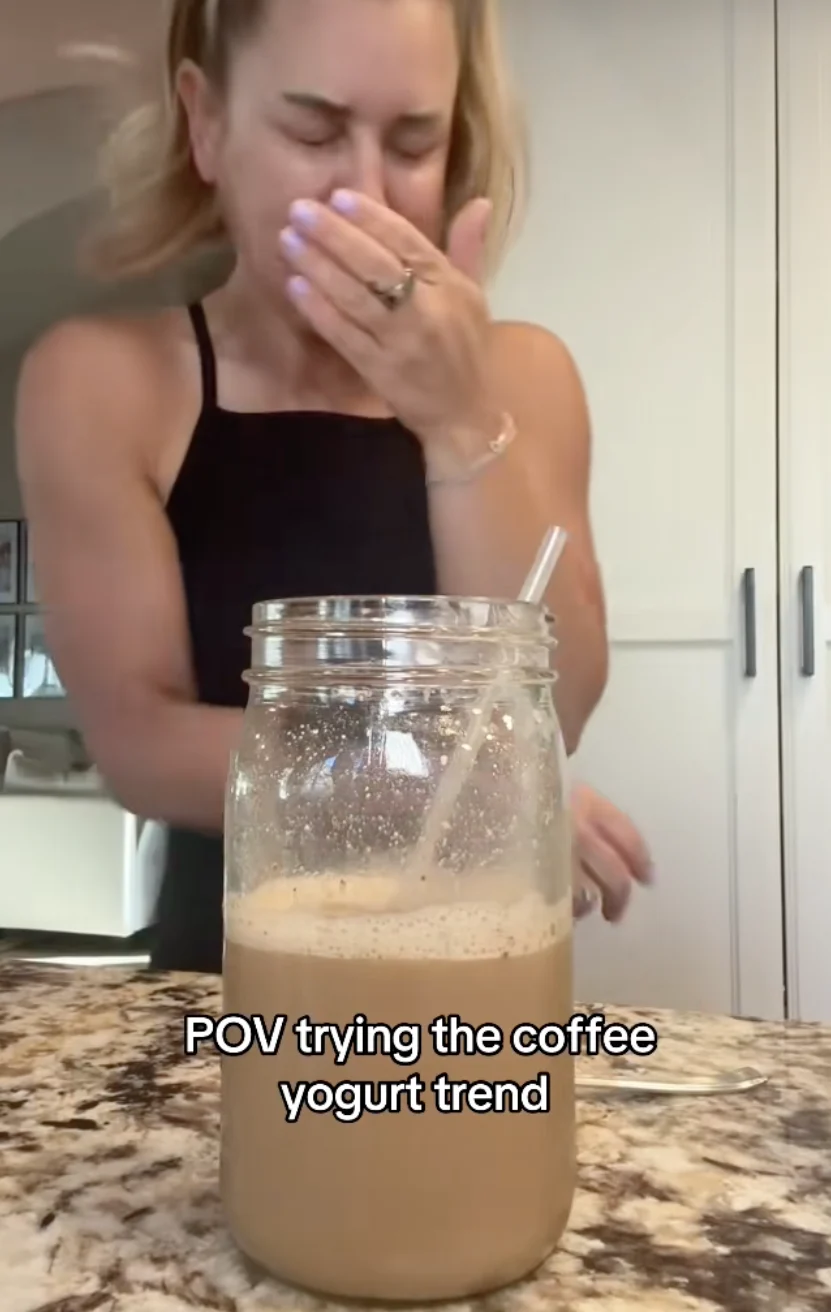
The culinary landscape of social media has once again produced a sensation, this time in the form of a highly controversial beverage blending cold brew coffee with Greek yogurt, a trend popularized by content creator Jordan Bernstein, widely known as "Coffee-yogurt boy." This unconventional drink has ignited fervent debate across platforms, captivating fitness enthusiasts and novelty-seeking foodies while simultaneously repulsing others with its unusual taste and texture profile.
The Genesis of a Viral Sensation: Jordan Bernstein’s "Coffee-Yogurt Boy"
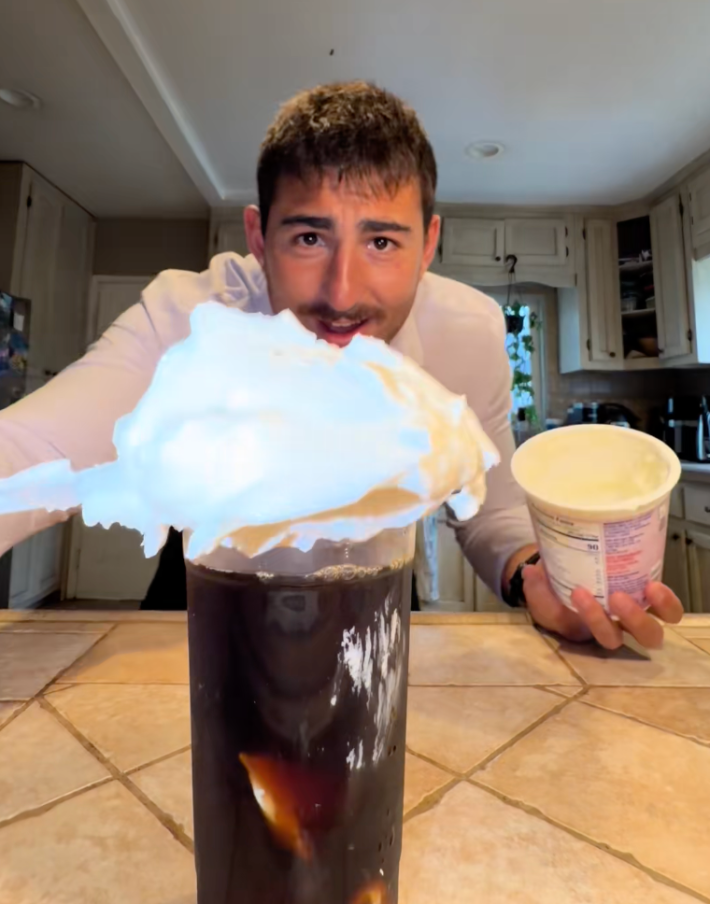
The genesis of the coffee-yogurt phenomenon can be traced back to November 2025, when content creator Jordan Bernstein first shared his unique recipe online. Bernstein, who quickly adopted the moniker "Coffee-yogurt boy," initially introduced a simple combination of cold brew coffee, Greek yogurt, and coconut water. Over subsequent months, as his videos gained traction, he refined the concoction, notably adding "12 shakes of cinnamon and a pinch of salt," a precise detail that became a hallmark of his viral recipe. His consistent presence and the iterative evolution of his drink, documented through numerous short-form videos, allowed the trend to organically grow, leveraging the immediate and shareable nature of platforms like TikTok.
Bernstein’s approach was not merely about the recipe; it was intrinsically tied to his persona. His repetitive chanting of "Coffee-yogurt boy, Coffee-yogurt boy" in quick-cut clips created an infectious, almost meme-like quality that resonated with a wide audience. This self-branding strategy was crucial in establishing him as an identifiable character, making him arguably as compelling as the drink itself. In an era where authenticity and relatability often drive online engagement, Bernstein’s dedicated, almost ritualistic preparation of his drink, coupled with his energetic delivery, fostered a strong connection with his growing fanbase, transforming a mere recipe into a lifestyle statement. The consistency of his content, often featuring him preparing the drink in various settings and circumstances, further solidified his brand and the trend’s visibility.
Nutritional Profile and Strategic Appeal: Why Athletes and Foodies Are Listening
The coffee-yogurt drink quickly garnered a significant following among the "gym rat crowd" and health-conscious individuals, primarily due to its perceived functional benefits as a pre-workout beverage. Each component of Bernstein’s recipe contributes to a profile that aligns with common fitness and nutritional goals:
- Caffeine from Cold Brew: Cold brew coffee, known for its lower acidity and smoother taste compared to hot-brewed coffee, provides a substantial dose of caffeine. Caffeine is a well-documented ergogenic aid, enhancing alertness, reducing perceived exertion, and improving athletic performance, making it a popular pre-workout stimulant. A typical 12-ounce cold brew can contain anywhere from 150 to 250 milligrams of caffeine, offering a significant energy boost.
- Protein from Greek Yogurt: Greek yogurt is a powerhouse of protein, often containing twice the amount found in regular yogurt. A standard serving can provide 15-20 grams of protein, essential for muscle repair, growth, and satiety. The protein content is particularly attractive to athletes seeking to optimize their protein intake for muscle synthesis and recovery, both before and after workouts.
- Electrolytes from Coconut Water and Salt: Coconut water is naturally rich in electrolytes, particularly potassium, which plays a crucial role in maintaining fluid balance, nerve function, and muscle contractions. The addition of a "pinch of salt" further augments the electrolyte profile, providing sodium, another vital electrolyte lost through sweat. This combination aids in hydration and helps prevent muscle cramps, making it beneficial for those engaging in physical activity.
- Cinnamon’s Potential Benefits: While less central to its functional appeal, cinnamon is recognized for its antioxidant properties and has been studied for its potential role in blood sugar regulation, adding a subtle health halo to the drink.
This combination of caffeine for energy, protein for muscle support, and electrolytes for hydration positions the coffee-yogurt drink as a convenient, all-in-one functional beverage. The appeal extends beyond athletes to "novelty-obsessed foodies" who are constantly seeking out unique culinary experiences. Social media platforms thrive on innovative and sometimes unconventional food trends, and the coffee-yogurt drink offered something genuinely different, prompting users to create their own taste-test videos and share their experiences, thus amplifying its reach through user-generated content (UGC). This engagement on platforms like TikTok’s "For Your Page" (FYP) algorithm drives rapid dissemination, turning niche interests into widespread phenomena.
The Brewing Controversy: A Divide in Taste and Texture
Despite its nutritional appeal and viral popularity, the coffee-yogurt trend is far from universally adored. In fact, it has ignited a significant culinary debate, with many users expressing outright repulsion at the concept. The core of the controversy lies in the inherent sensory clash between the ingredients: the tartness and tanginess of Greek yogurt combined with the often bitter or acidic notes of coffee.
From a culinary science perspective, combining dairy products with acidic beverages can be tricky. Yogurt, particularly Greek yogurt, is a fermented dairy product with a naturally low pH. When introduced to coffee, especially if the coffee is hot or if the ingredients are not properly emulsified, the proteins in the yogurt can curdle, leading to an unappetizing lumpy texture and an even more pronounced sour taste. Bernstein’s specific instruction to "shake, don’t stir" is a critical detail designed to mitigate this issue, promoting a smoother, more homogeneous mixture. However, many users attempting to replicate the recipe either overlook this crucial step or fail to achieve proper blending, resulting in the dreaded "sour drink full of clumps."
The reactions from critics have been vivid and uncompromising. TikTok user @janellerohner, for instance, shared a video where she visibly retched after trying the drink, encapsulating the visceral negative experience many have reported. Perhaps the most memorable critique came from @18hens, who, after a taste test, declared Coffee-yogurt boy a "menace to our society." Her description of the taste painted a truly repellent picture: "This tasted like taking your shoes off at the end of a workout and then walking around in your sweaty gym socks, only to step into a pool of old iced coffee, and then wringing the sock out into a cup and then drinking it." Such graphic descriptions underscore the intense aversion some consumers feel towards the drink, highlighting the stark division between its proponents and detractors. These strong negative reactions, ironically, often contribute to the trend’s virality, as viewers are drawn to witness the extreme outcomes of trying the controversial concoction.
A Historical Perspective: The Enduring Legacy of Coffee and Yogurt Blends
While Jordan Bernstein’s coffee-yogurt blend has emerged as a modern social media sensation, the concept of combining coffee with yogurt is not entirely novel. The drink has a rich, albeit often overlooked, lineage, particularly in Southeast Asian culinary traditions.
Perhaps the most prominent historical precedent is Cà Phê Sữa Chua, or Vietnamese yogurt coffee. This beloved beverage has been a staple in Vietnamese cafes for generations. Traditionally, Cà Phê Sữa Chua is made with strong, cold-brewed coffee, sweetened condensed milk, and a specific type of Vietnamese-style yogurt, which is often milder and sweeter than Western Greek yogurt. The key to its appeal lies in the delicate balance of flavors: the robust bitterness of the coffee, the creamy sweetness of the condensed milk, and the subtle tang of the yogurt create a harmonious and refreshing drink. The sweetened condensed milk plays a crucial role not only in adding sweetness but also in preventing the yogurt from curdling, contributing to its smooth and palatable texture.
Comparing Cà Phê Sữa Chua with Bernstein’s creation reveals both similarities and crucial differences. Both leverage the combination of coffee and yogurt for a unique taste experience. However, Bernstein’s recipe, with its emphasis on Greek yogurt, coconut water, and a pinch of salt (without an explicit sweetener like condensed milk in his core recipe), leans more towards a functional, low-sugar, and electrolyte-rich profile, aligning with contemporary fitness trends. The traditional Vietnamese version, on the other hand, is primarily a rich, sweet, and indulgent treat.
Bernstein’s coffee-yogurt trend also fits within a broader category of what has been dubbed "boy slop food trends" on social media. This term generally refers to simple, often unconventional, and sometimes seemingly unappetizing food combinations popularized by male content creators. These trends often prioritize convenience, perceived efficiency, or sheer novelty over traditional culinary finesse. By "putting the boy in coffee-yogurt," Bernstein successfully tapped into this existing cultural phenomenon, injecting his distinctive personality and health-oriented twist into a concept that, in various forms, has existed for decades or even centuries. This contextualization highlights how modern digital trends often draw from and reinterpret established culinary practices, repackaging them for a new generation and platform.
The "No Days Off" Mentality: A Glimpse into Content Creation
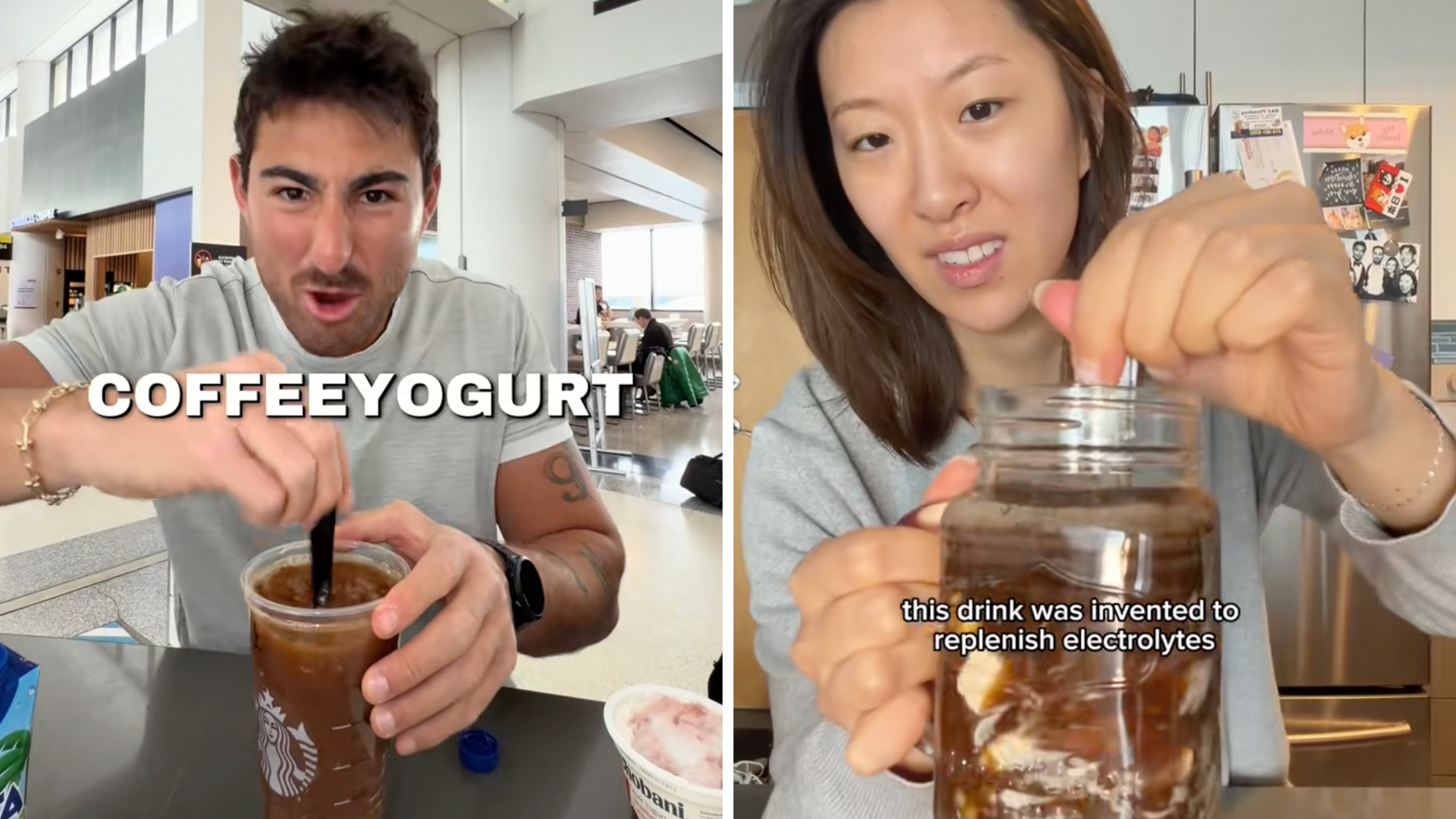
A pivotal moment that cemented Jordan Bernstein’s "Coffee-yogurt boy" persona and showcased his unwavering dedication to the trend occurred during a memorable airport incident. Bernstein, nearly missing a flight, documented himself meticulously preparing his signature drink in an airport terminal, declaring, "no days off." In the viral clip, he stated, "I’m gonna be so late for my flight… The fact that I went to get Starbucks, coconut water yogurt, brought my cinnamon, all of this—my flight takes off in three minutes—That’s dedication to the coffee-yogurt lifestyle."
This particular video, which quickly racked up nearly 100,000 views, perfectly encapsulated the "Coffee-yogurt boy" brand: an individual so committed to his unique concoction that he would risk practical inconveniences for its creation. The clip ignited further debate in the comments section, dividing TikTok users into staunch supporters and skeptical critics. Coffee-yogurt fans lauded Bernstein, thanking him for introducing them to the "lifestyle" and praising his dedication. Conversely, critics quickly pointed out the impracticality and exorbitant cost of assembling such a custom drink in an airport setting, estimating the total expenditure to be nearly $30 for the combined ingredients. One commenter concisely articulated the skepticism: "Just drink the coffee and have the yogurt on the side my guy."
This episode underscores a significant aspect of modern content creation: the performance of dedication and the cultivation of an aspirational "lifestyle." For many viewers, the spectacle of Bernstein’s commitment became as compelling as the drink itself. It highlights how content creators can leverage extreme scenarios and a strong personal brand to generate engagement and reinforce their unique identity, even if the product they promote remains polarizing. The narrative of "no days off" and the sacrifice for the "coffee-yogurt lifestyle" resonated with audiences who appreciate hustle culture and personal branding, transforming a simple beverage into a symbol of a larger ethos.
Broader Implications: Social Media, Food Innovation, and Consumer Trends
The coffee-yogurt phenomenon, spearheaded by Jordan Bernstein, offers valuable insights into the dynamic interplay between social media, food innovation, and evolving consumer trends.
Influence of TikTok and Short-Form Video: TikTok’s unparalleled ability to disseminate trends rapidly is evident here. The platform’s algorithm, which prioritizes engaging, short-form video content, allows creators like Bernstein to quickly reach massive audiences. This democratizes food creation, enabling individuals, not just established brands, to introduce and popularize new culinary concepts. The iterative nature of TikTok trends, where users replicate, review, and modify recipes, creates a self-sustaining cycle of content generation that amplifies visibility.
Rise of Functional Foods and Beverages: The trend aligns perfectly with the burgeoning market for functional foods and beverages – products that offer health benefits beyond basic nutrition. Consumers, particularly younger demographics, are increasingly seeking out foods that can boost energy, aid recovery, or provide specific nutritional advantages. The coffee-yogurt drink, with its blend of caffeine, protein, and electrolytes, taps directly into this demand, showcasing how grassroots innovations can reflect and even drive market shifts in the health and wellness sector. The global functional food market was valued at over $270 billion in 2023 and is projected to grow substantially, indicating a strong consumer appetite for such products.
Consumer Behavior and Experimentation: The coffee-yogurt trend illustrates consumers’ growing willingness to experiment with unconventional food combinations, often influenced by online recommendations. This experimentation is fueled by a desire for novelty, the pursuit of perceived health benefits, and the social currency gained from participating in viral trends. However, it also highlights the challenges of replicating complex recipes, leading to varied and sometimes disappointing outcomes, as evidenced by the divisive reactions.
Brand Opportunities and Challenges: For established food and beverage brands, trends like coffee-yogurt present both opportunities and challenges. They can serve as indicators of evolving consumer preferences, potentially inspiring new product development in areas like functional dairy or coffee blends. Conversely, brands must navigate the potential for misinformation or inconsistent quality that can arise from DIY viral trends, perhaps by offering their own carefully formulated versions or educational content.
Health and Safety Considerations: While less pronounced in this specific instance, any trend involving the mixing of diverse ingredients, particularly dairy, raises subtle considerations for food safety and proper handling. Ensuring ingredients are fresh, properly stored, and thoroughly mixed (as Bernstein emphasizes with "shake, don’t stir") is crucial for both taste and safety, especially when consumers are experimenting with homemade concoctions.
In conclusion, the coffee-yogurt trend is more than just a fleeting internet fad; it’s a microcosm of modern digital culture. It showcases the power of a charismatic creator to turn an unconventional idea into a viral sensation, driven by a strong personal brand and tapping into specific consumer needs for functional benefits and novel experiences. While it continues to divide palates, its journey from a content creator’s kitchen to a widespread social media phenomenon underscores the enduring influence of digital platforms in shaping culinary trends and consumer behavior in the 21st century.