Garick Elordi
The tech giant Google has officially delisted the critically acclaimed psychological horror title Doki Doki Literature Club from its Google Play Store, citing violations of the platform’s Terms of Service regarding the depiction of sensitive themes. The removal marks a significant shift in the mobile availability of the title, which has garnered a massive global following since its initial release nearly a decade ago. While the game remains available on the Apple App Store and various PC and console platforms, its disappearance from the Android ecosystem has sparked a broader conversation regarding content moderation, the depiction of mental health in digital media, and the challenges indie developers face when navigating the stringent guidelines of mobile marketplaces.
Background and the Subversive Nature of Doki Doki Literature Club
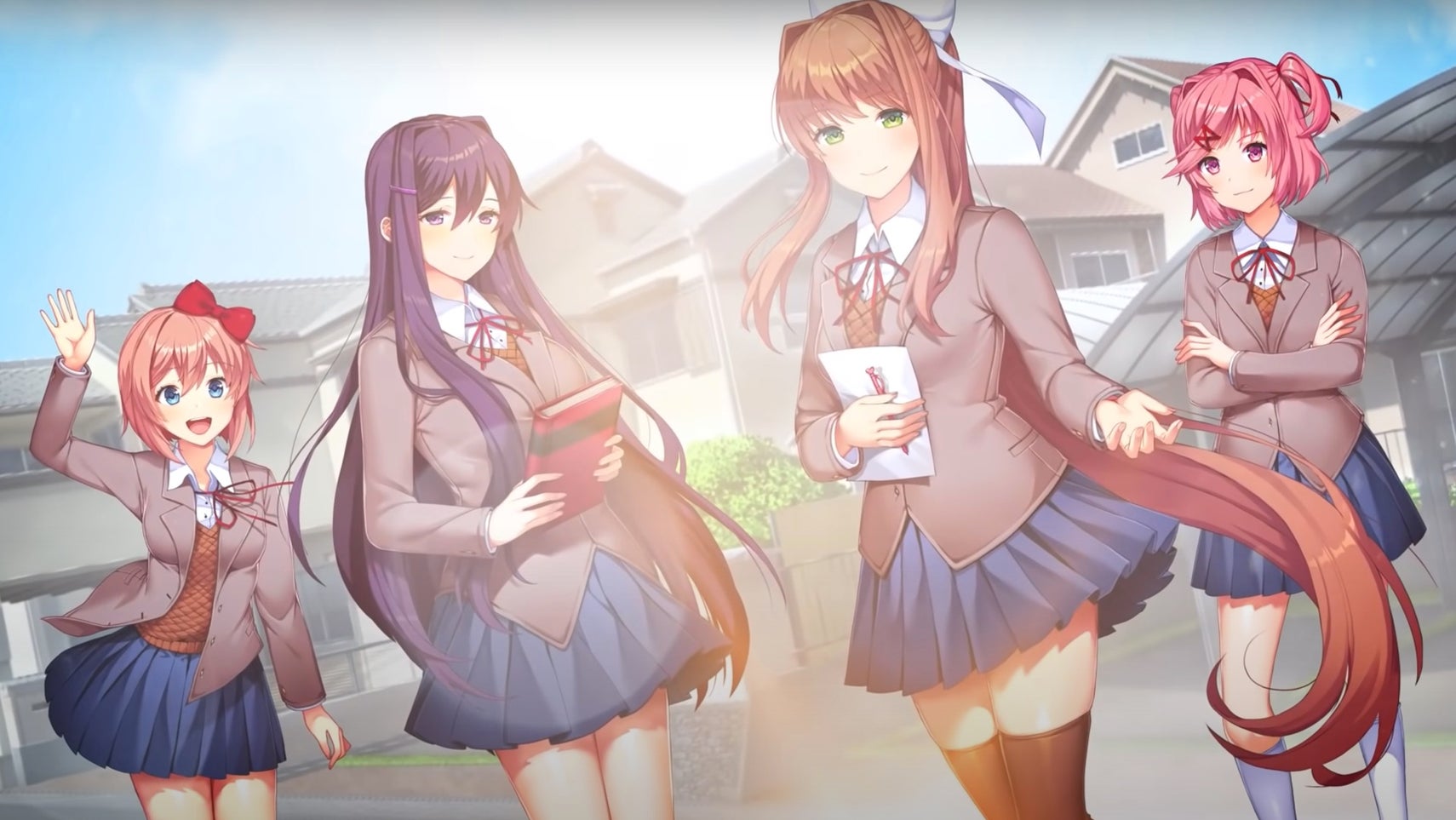
Developed by Team Salvato and published in collaboration with Serenity Forge, Doki Doki Literature Club (DDLC) first rose to prominence in 2017 as a free-to-play title on PC. On the surface, the game presents itself as a standard Japanese-style visual novel, featuring a colorful cast of four high school girls—Sayori, Natsuki, Yuri, and the club leader, Monika. The aesthetic is intentionally bright, utilizing "moe" tropes and upbeat music to lure players into a sense of security.
However, DDLC is widely recognized as a masterclass in psychological horror and meta-fiction. As the narrative progresses, the game subverts its dating-simulator facade, descending into a dark exploration of obsession, depression, self-harm, and existential dread. It is famous for "breaking the fourth wall," interacting with the player’s computer files, and simulating system crashes to heighten the sense of unease. Because of this duality, the developers have always maintained rigorous content warnings. The game’s official website, Steam page, and opening screens all feature prominent disclosures stating that the experience is "not suitable for children or those who are easily disturbed."
In 2021, an expanded version titled Doki Doki Literature Club Plus! was released for consoles and PC, further cementing the franchise’s legacy. It was not until December 2025, according to recent reports, that the title finally made its official debut on mobile platforms, aiming to reach a new demographic of handheld gamers.
Chronology of the Removal
The timeline of the game’s brief tenure on the Google Play Store highlights the speed at which platform holders can enact enforcement actions. Following its mobile porting in late 2025, DDLC enjoyed several months of strong performance on Android devices, supported by a community that had waited years for an official mobile version.
On April 9, 2026, Google initiated the removal of the title. In a joint statement issued shortly thereafter, Team Salvato and Serenity Forge confirmed the delisting, noting that Google’s primary justification centered on the game’s content. Specifically, the platform holder argued that the depiction of "sensitive themes" within the game violated the Google Play Developer Program Policies.
This decision was met with immediate concern from the developers, who emphasized that they had worked diligently to ensure the Android port met technical and safety standards while maintaining the artistic integrity of the original narrative. Despite these efforts, the game was scrubbed from the store, leaving existing Android users without a path for future updates and preventing new users from discovering the title through official channels.
Analysis of Google Play Content Policies
Google’s Developer Program Policies are notoriously complex, particularly concerning "Sensitive Events" and "User-Generated Content." While DDLC is a scripted narrative rather than user-generated content, it falls under the jurisdiction of Google’s "Inappropriate Content" guidelines. These guidelines prohibit apps that depict or promote self-harm, suicide, or "gratuitous" violence without educational or artistic context that meets Google’s specific thresholds.
The challenge for DDLC lies in its core narrative. The game utilizes depictions of mental health crises as a pivotal plot point. While the developers argue these depictions are handled with care to foster empathy and understanding, automated moderation systems or human reviewers at Google may view the same content as a violation of safety protocols designed to protect younger audiences.
Furthermore, the "bait and switch" nature of the game—where it starts as a "cute" game before turning into a horror experience—can be problematic for mobile storefronts that rely heavily on age ratings and category tags. If Google’s reviewers determined that the game’s marketing or initial presentation did not sufficiently align with its late-game horror elements, this discrepancy may have contributed to the violation notice.
Official Responses from Team Salvato and Serenity Forge
In their public statement, the developers expressed a mix of disappointment and resolve. Dan Salvato, the creator of the game, highlighted the positive impact DDLC has had on its audience over the years.
"DDLC is widely celebrated for portraying mental health in a way that meaningfully connects deeply with players around the world, helping them feel heard, understood, and less alone on their journey," the statement read. Salvato further noted that the team is "continuing to do everything we can to find a path forward for getting DDLC reinstated on the Google Play Store."
The publisher, Serenity Forge, echoed these sentiments, stressing the importance of the Android community. The team is currently exploring "potential options for alternate methods of distribution on Android devices." This could include hosting the APK (Android Package) file directly on their own website or utilizing third-party storefronts like Itch.io or the Epic Games Store, which often have more permissive content policies than Google.

Broader Implications for the Gaming Industry
The removal of Doki Doki Literature Club raises significant questions about the role of platform gatekeepers in the digital age. Unlike PC gaming, where users can easily install software from any source, the mobile ecosystem is largely controlled by two entities: Google and Apple. When one of these entities decides a piece of art is "inappropriate," it effectively cuts off access for billions of potential users.
- The "Sanitization" of App Stores: There is a growing concern among indie developers that mobile platforms are becoming increasingly "sanitized," favoring "safe" commercial content over subversive or challenging art. This creates a chilling effect, where developers may self-censor their work to ensure it remains eligible for mobile distribution.
- Inconsistency in Policy Enforcement: The fact that DDLC remains available on the Apple App Store—which is generally considered to have stricter review processes than Google—suggests an inconsistency in how "sensitive themes" are defined and enforced across the industry. This lack of a unified standard makes it difficult for developers to predict whether their content will be flagged.
- Digital Preservation: When a game is removed from a primary storefront, the issue of digital preservation comes to the forefront. Players who purchased or downloaded the game may lose access to it if they switch devices or if the game requires server-side authentication. For a title with over 30 million players worldwide, the loss of a major platform represents a significant blow to the game’s accessibility.
- Mental Health Representation: The debate also touches on how media handles mental health. While Google’s policies aim to prevent the glorification of self-harm, critics argue that blanket bans on "sensitive themes" can inadvertently stigmatize the very topics—like depression and anxiety—that need to be discussed openly. Team Salvato has long maintained that DDLC serves as a tool for connection for those struggling with these issues.
The Future of DDLC on Android
As of the latest updates, the future of Doki Doki Literature Club on the Google Play Store remains uncertain. The developers are reportedly in dialogue with Google to see if adjustments can be made—such as more prominent age gating or additional content warnings—to bring the app back into compliance.
In the interim, the situation serves as a reminder of the volatility of digital marketplaces. For fans of the series, the PC version remains the "definitive" way to experience the game’s file-manipulation mechanics, which are often diluted in mobile and console ports. However, for the millions of users who rely solely on mobile devices for gaming, the disappearance of DDLC is a stark example of how platform policies can override artistic expression.
Team Salvato has urged fans to remain patient as they navigate the legal and technical hurdles of reinstatement. "Thank you so much to the community for continuing to express your love and support for DDLC through the years," the team concluded. "We’ll keep you updated on the future of DDLC for Android."
For now, the literature club’s doors remain closed on Google Play, leaving a void in the store’s horror catalog and a lingering question about where the line should be drawn between protecting users and permitting provocative art.