Metty Iskandar
The Samsung Galaxy S26 and its larger sibling, the Galaxy S26 Ultra, represent distinct philosophies within the flagship smartphone market. While both are powered by the cutting-edge Snapdragon 8 Elite Gen 5 chipset and run Samsung’s refined One UI 8.5, their divergence in features and target audience has become more pronounced than ever. For years, the trend in premium smartphones has favored larger, more feature-rich "Ultra" or "Pro Max" variants. However, a common criticism has been that these larger devices often offer little more than an expanded screen size compared to their standard counterparts. This year, Samsung appears to have addressed that critique head-on, with the Galaxy S26 Ultra presenting a compelling argument for its premium positioning, a sentiment that is particularly noteworthy for a reviewer who historically favored more compact devices.
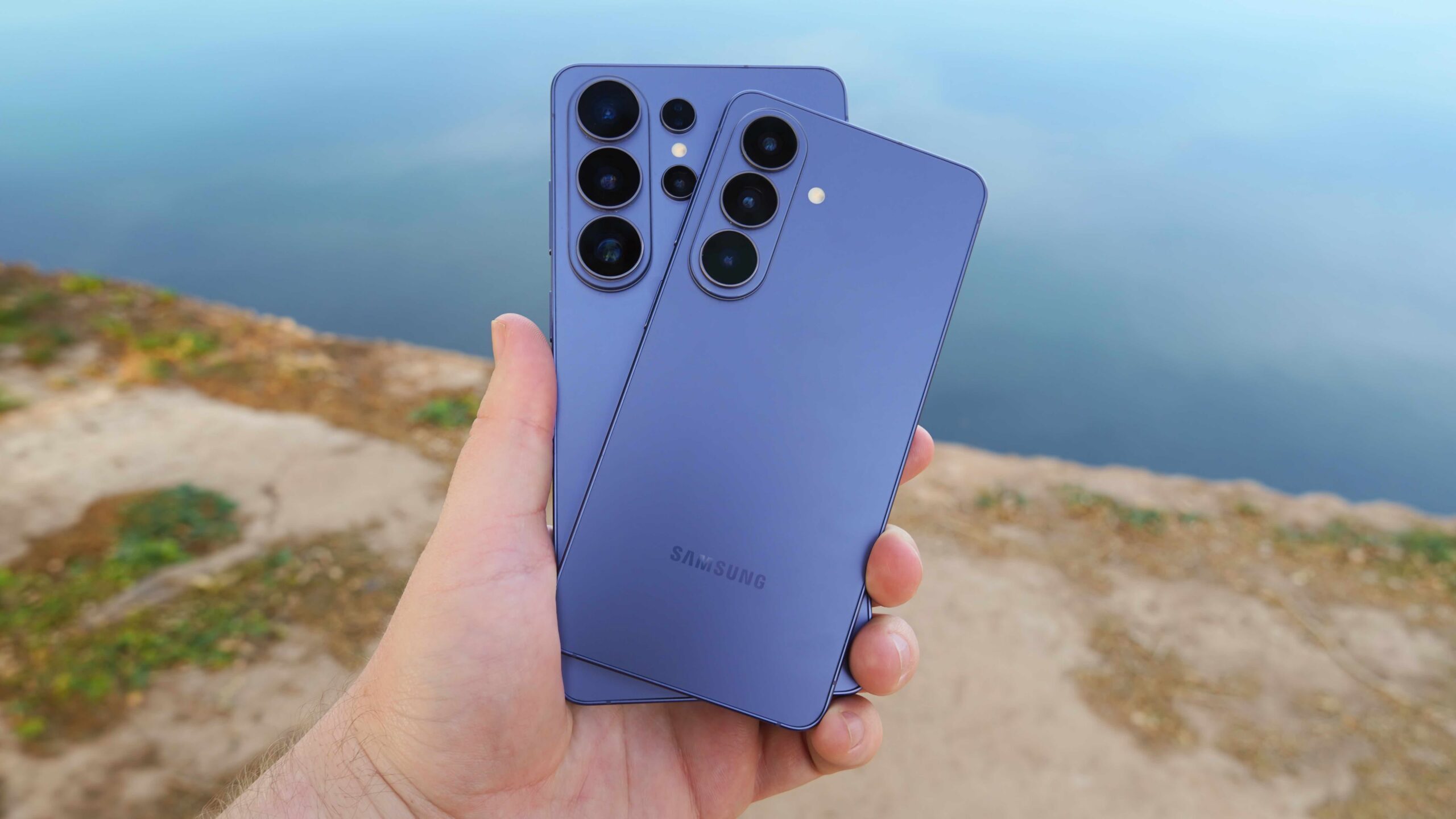
Having spent considerable time with both the 6.3-inch Galaxy S26 and the 6.9-inch Galaxy S26 Ultra, a direct side-by-side comparison reveals a significant shift in the product strategy. For the first time, the incremental cost and larger physical footprint of the S26 Ultra are demonstrably matched by a suite of substantial upgrades that genuinely enhance the user experience. While the $1,300 price point for the Galaxy S26 Ultra remains a significant investment, the evidence suggests that this year, Samsung has delivered a device where the premium price is, for once, genuinely justified by its feature set and capabilities. This stands in contrast to previous iterations where the value proposition of the higher-end models was often debatable for the average consumer.
The Ultra’s Display: More Than Just Size
Historically, the primary differentiator for larger flagship phones has been screen real estate. Devices like the hypothetical Google Pixel 10 Pro XL or the iPhone 17 Pro Max have often been criticized for offering minimal enhancements beyond a bigger display, while also presenting the user with a less manageable device. The perception of larger smartphones as being cumbersome, difficult to handle with one hand, and prone to pocket discomfort has been a persistent concern for many consumers, including those who have historically gravitated towards smaller, more ergonomic designs.
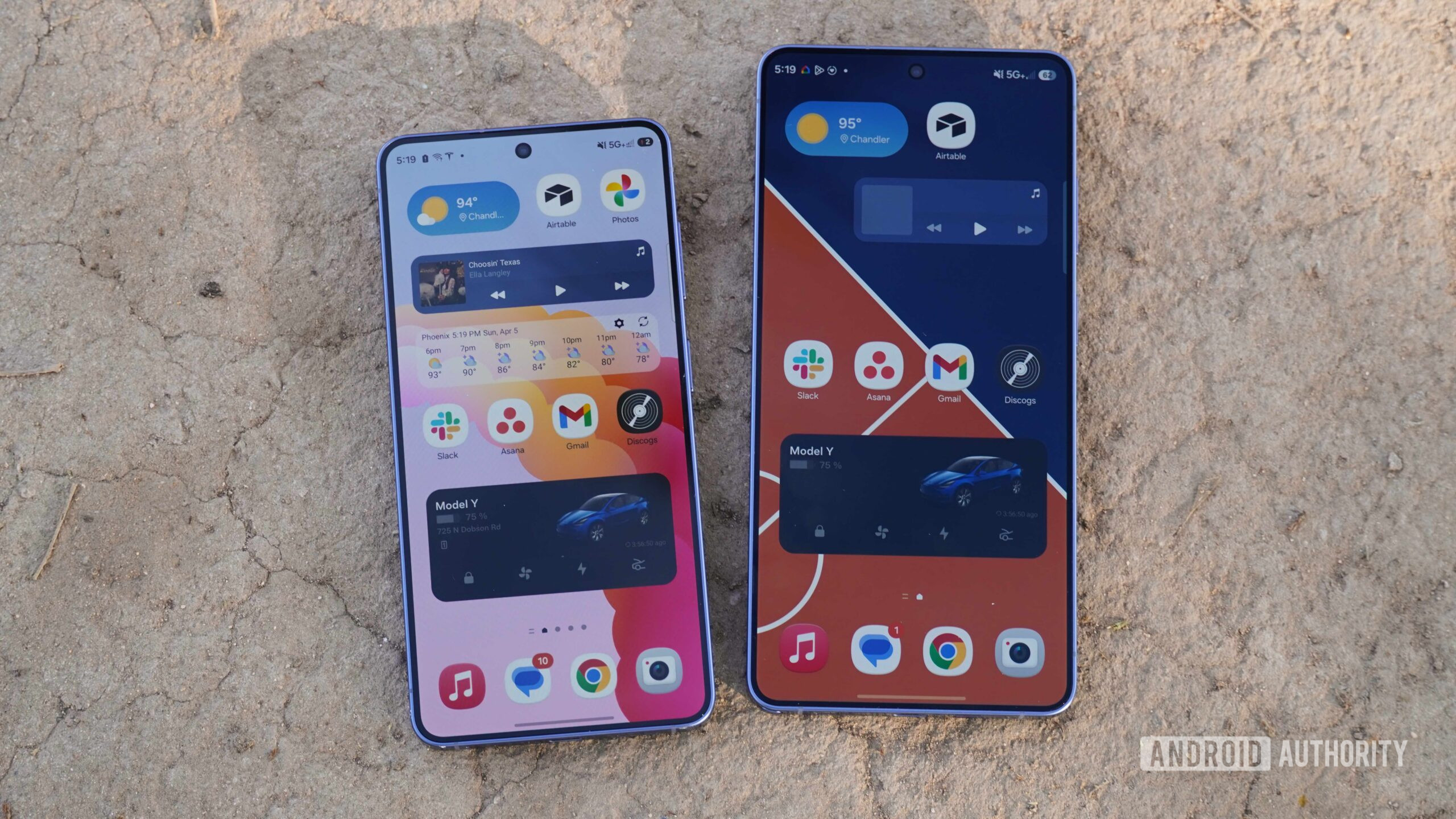
The Galaxy S26 Ultra, however, manages to mitigate some of these concerns. Despite its substantial 6.9-inch screen, it measures a remarkably thin 7.9mm and weighs in at a relatively light 214 grams. To put this into perspective, this makes it notably slimmer and lighter than comparable devices in the market, such as the Pixel 10 Pro XL (8.5mm, 232g) and the iPhone 17 Pro Max (8.8mm, 233g). This engineering feat allows for a more comfortable handling experience, even with a large display. While there were moments during extensive use where the sheer size of the Ultra was noticeable, it remained manageable for the vast majority of daily tasks.
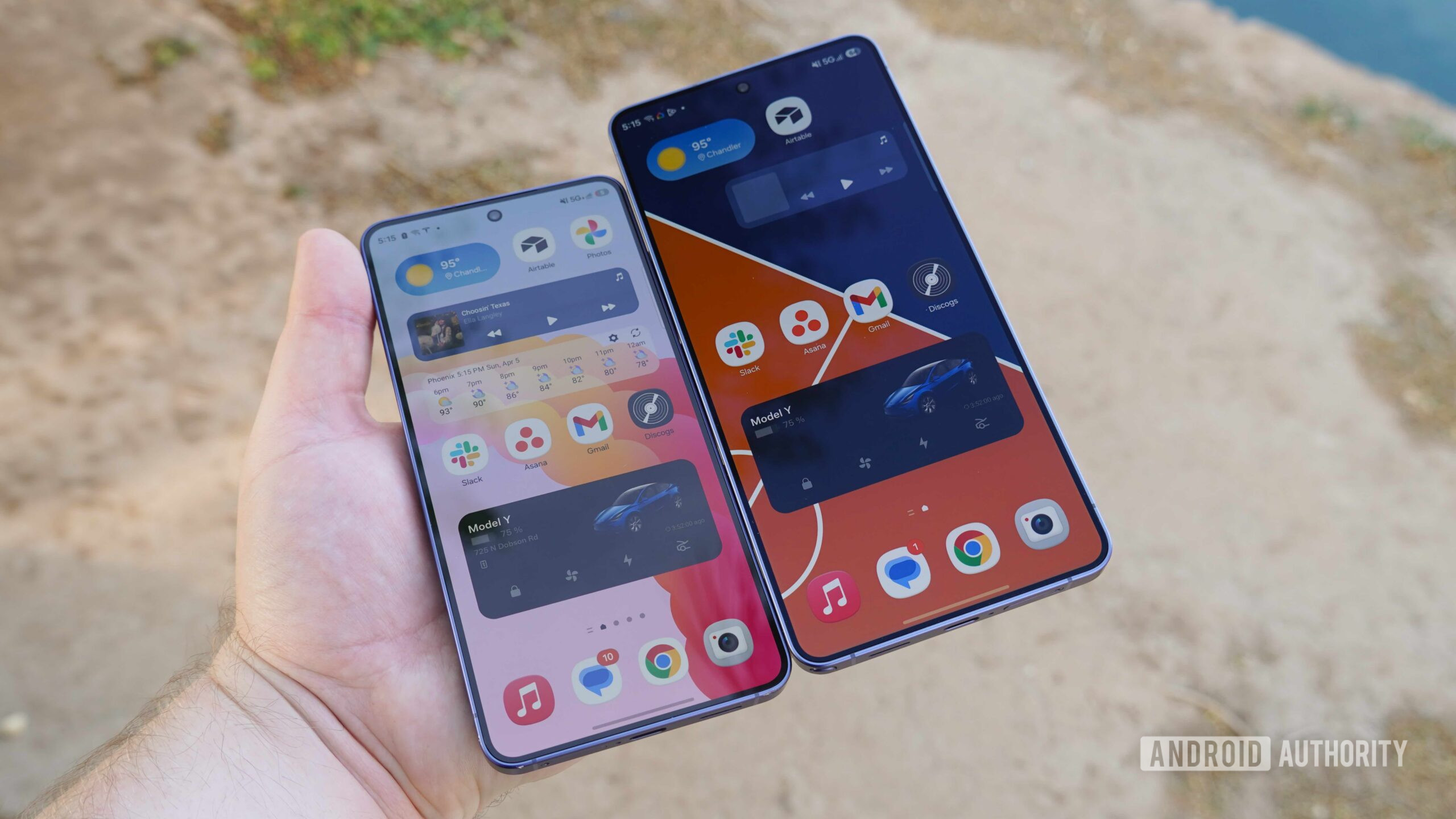
However, size alone is not enough to sway a discerning user. The true innovation that elevates the Galaxy S26 Ultra beyond mere physical expansion lies in its new Flex Magic Pixel OLED panel, which powers the groundbreaking Privacy Display feature. This technology, while perhaps a topic of repetitive discussion, has proven to be genuinely transformative. In various real-world scenarios, including crowded public transportation, air travel, and bustling sporting events, the Privacy Display has become an indispensable tool. The ability to control the viewing angles of one’s screen offers a level of privacy and security that is unparalleled in current smartphone technology. This feature alone is a significant differentiator, providing a tangible benefit that directly addresses user concerns about digital privacy in public spaces.
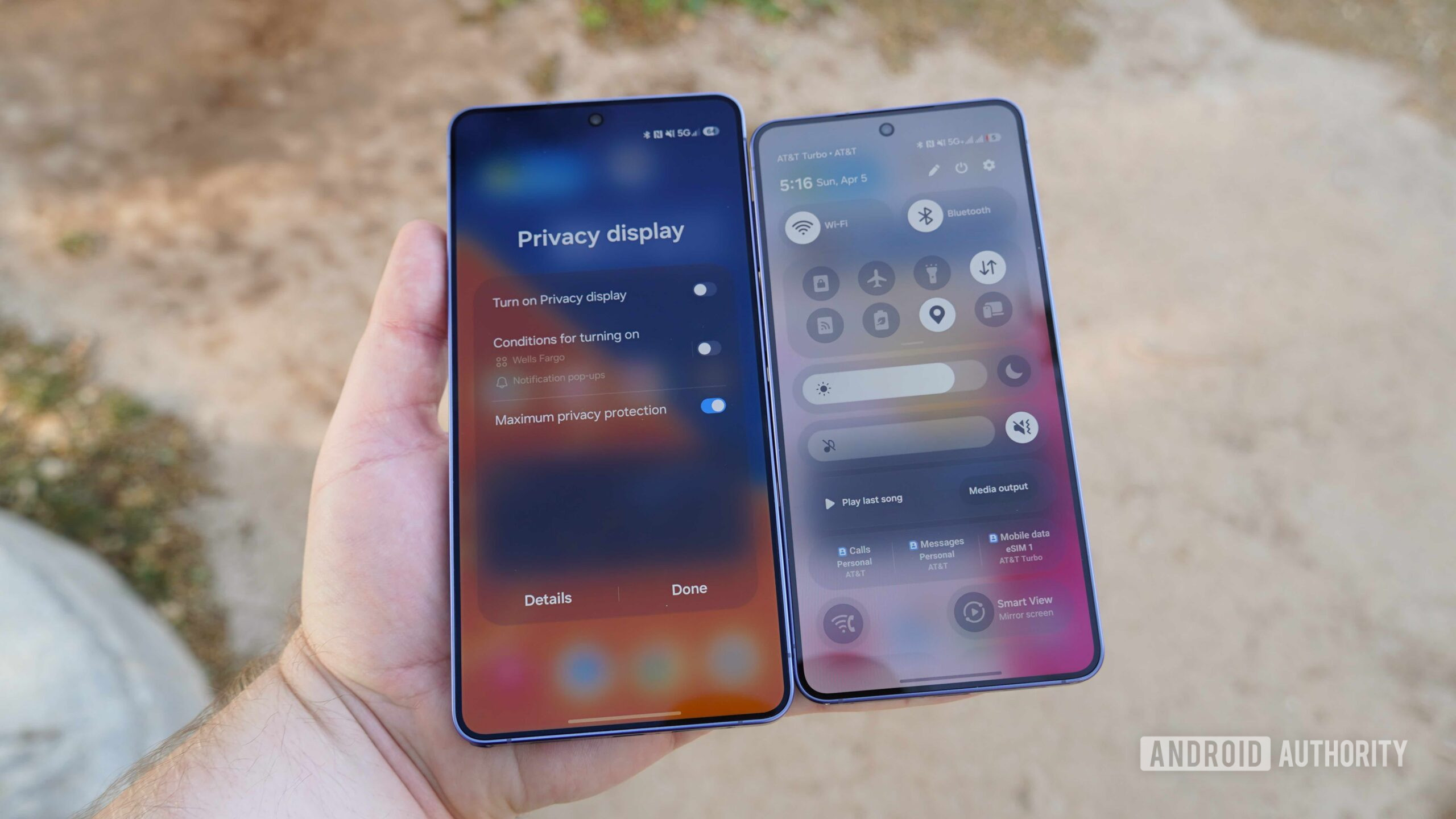
It is important to acknowledge that the Flex Magic Pixel OLED panel does come with certain trade-offs. Off-angle brightness and overall sharpness can be slightly diminished when compared to traditional OLED displays. During simultaneous testing of the Galaxy S26 Ultra and the standard S26, the regular S26 often appeared brighter, even with the Privacy Display feature deactivated on the Ultra. While this difference in peak brightness might be noticeable to some users, for many, the revolutionary privacy capabilities of the Ultra’s display will outweigh this minor concession. The innovation in privacy protection offered by the Privacy Display represents a more significant advancement than a marginal increase in screen brightness.
The Base Model’s Puzzling Downgrades
On the surface, the Galaxy S26 series might appear to present a cohesive lineup. However, a closer examination reveals a series of puzzling downgrades in the base Galaxy S26 model when compared to its Plus and Ultra siblings. These cost-saving measures, implemented across various aspects of the device, significantly diminish its long-term value and future-proofing.
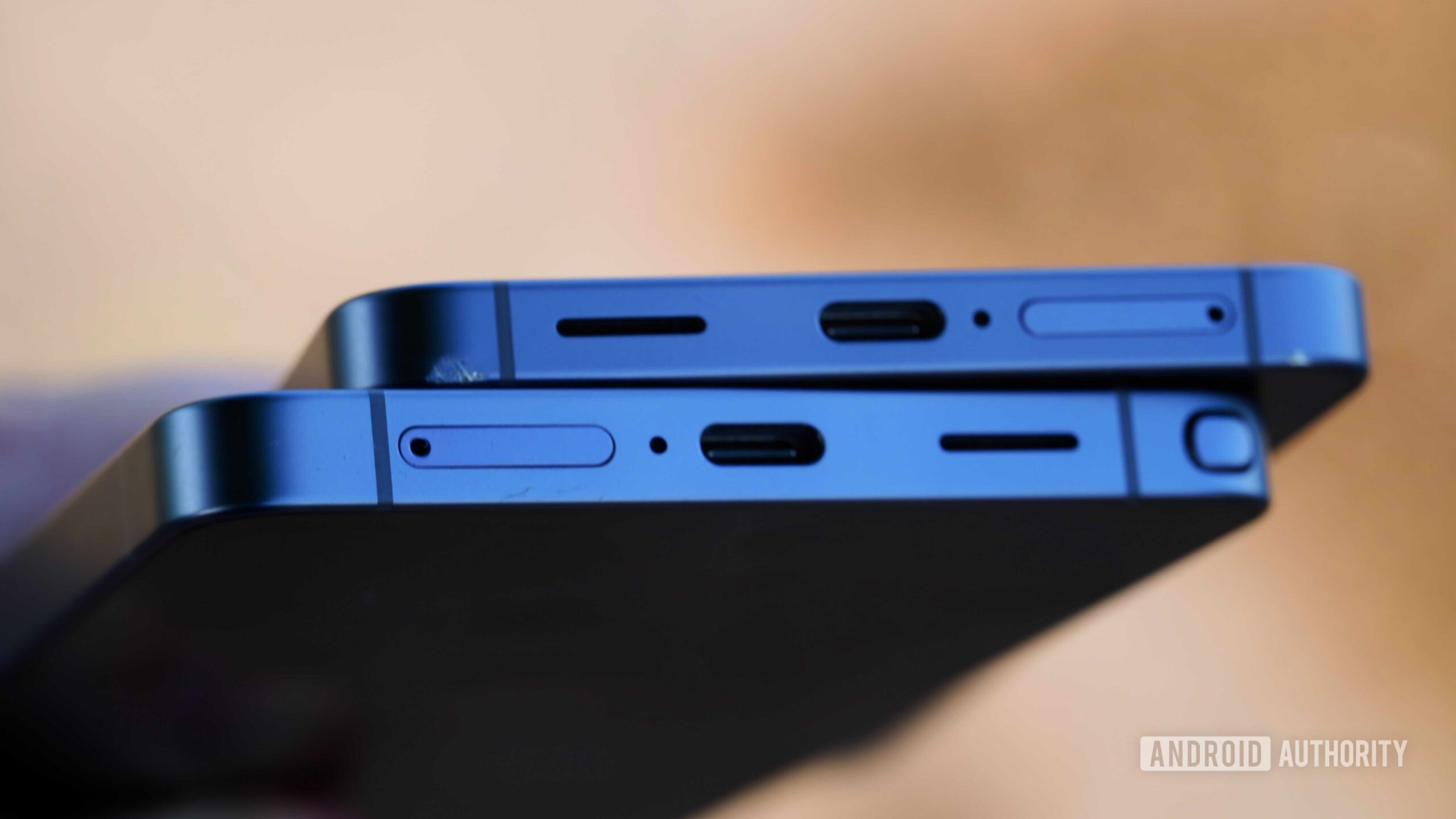
A primary area of concern is the display technology. The base Galaxy S26 screen omits the innovative Privacy Display feature found on the Ultra. More critically, it also lacks QHD+ resolution, opting instead for an FHD+ panel. This is the only model in the Galaxy S26 series to do so. The absence of higher resolution also means the device cannot support ProScaler, an AI-powered feature designed to upscale visual content, thereby reducing the overall clarity and detail of media consumption.
While both the Galaxy S26 and Galaxy S26 Ultra in North American markets share the same Snapdragon 8 Elite Gen 5 processor, the Ultra benefits from a redesigned, larger, and more efficient vapor chamber cooling system. Although the base model performs admirably in short bursts and can even outperform the Ultra in some synthetic benchmarks due to its lighter load, the Ultra’s superior cooling allows it to sustain peak performance for extended periods. This is a crucial distinction for users who engage in demanding tasks like prolonged gaming or video editing.
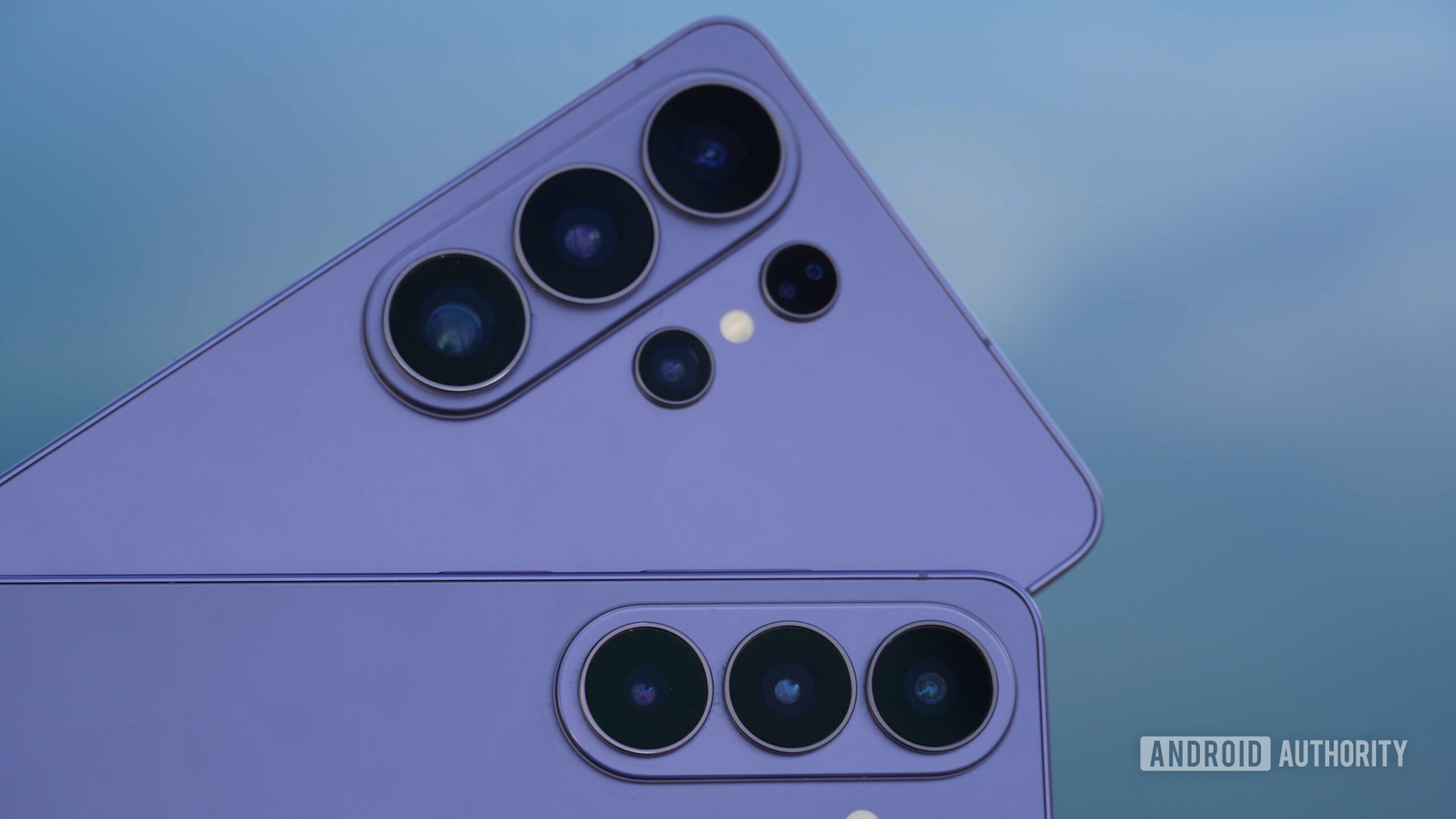
The most perplexing and potentially problematic downgrades, however, lie in the connectivity specifications. The Galaxy S26 has been stripped of its mmWave 5G antenna, a feature that was present in its predecessor, the Galaxy S25. This omission could limit its future-proofing for high-speed 5G networks in areas where mmWave is deployed. Furthermore, the base model lacks an ultra-wideband (UWB) chip, a technology increasingly vital for precise tracking of accessories and smart devices through features like enhanced "Find My" capabilities. Compounding these issues, the Galaxy S26 remains on Bluetooth 5.4, while the Ultra and presumably the Plus model adopt the newer Bluetooth 6 standard. While these may not be immediate deal-breakers for all users today, they represent significant limitations for a device marketed with a seven-year software support lifecycle. The absence of these cutting-edge specifications at launch raises questions about the S26’s ability to remain competitive and fully functional throughout its intended lifespan.
Camera Hardware: Missed Opportunities for Improvement
The Galaxy S26 Ultra benefits from significant camera hardware upgrades, most notably a new 200MP primary sensor and an enhanced 50MP telephoto lens. While Samsung did not alter the megapixel counts in previous generations, this year’s iteration features wider apertures and an innovative "All Lenses on Prism" (ALoP) telephoto design. These advancements result in superior image quality, capturing more detail and better low-light performance. These improvements solidify the Galaxy S26 Ultra’s position as a top contender in the premium smartphone camera segment, at least within the North American market.
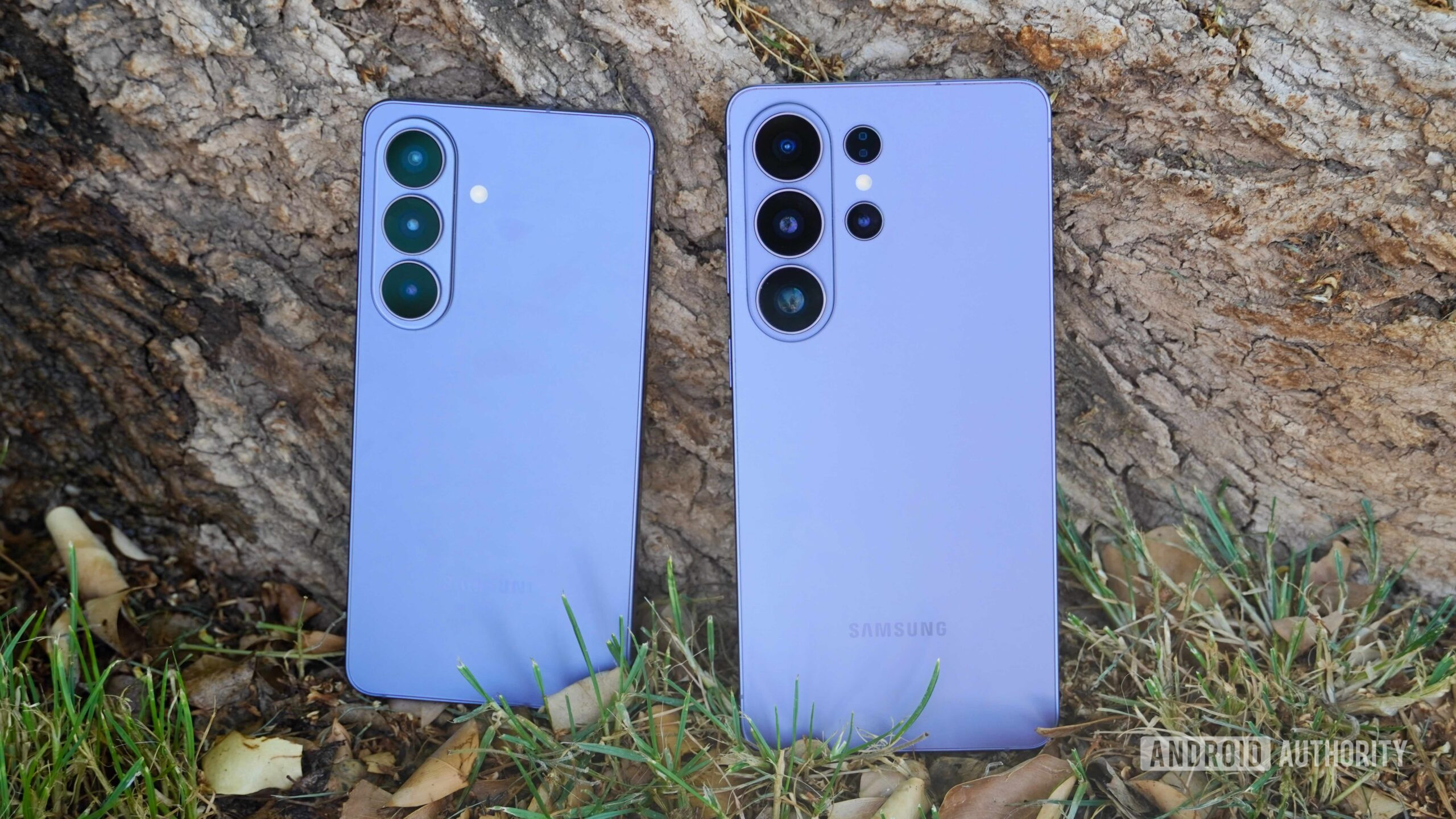
However, the contrast between the Ultra’s camera advancements and the stagnation in the standard Galaxy S26 models is stark. For the second consecutive year, the Galaxy S and Galaxy Plus variants have retained the same rear camera hardware as the Galaxy S22. This comprises a 50MP main sensor, a 10MP telephoto lens with 3x optical zoom, and a 12MP ultrawide lens. While it is true that Samsung’s computational photography and image signal processing have improved, allowing the Galaxy S26 to capture excellent images and introducing a new 24MP photo mode as an intermediate option, the underlying hardware limitations are undeniable. The 10MP telephoto lens, in particular, feels outdated in 2026, failing to offer the resolution or zoom capabilities found in competing flagship devices. This lack of hardware evolution in the base models, coupled with the outdated connectivity specifications, raises concerns about their longevity and ability to keep pace with technological advancements over the next half-decade.
The Ultra’s Charging Speed: A True Game-Changer
For consumers in North America, the slow wired charging speeds of flagship smartphones have been a long-standing point of contention. Samsung’s Galaxy S26 Ultra addresses this issue with a significant upgrade: 60W wired charging support. While the 5,000mAh battery capacity is not groundbreaking and the absence of Qi2 magnets is a disappointment, the rapid charging capability is a transformative improvement.
Testing has confirmed that the Galaxy S26 Ultra can achieve a full charge in approximately 42 minutes. This has translated into a noticeably improved daily user experience, where brief charging sessions during short breaks are sufficient to replenish the battery significantly. In stark contrast, the base Galaxy S26’s charging capabilities are considerably more pedestrian. It supports only 25W wired charging, with a 30-minute charge yielding only about 55% battery life. Furthermore, the S26’s smaller 4,300mAh battery necessitates more frequent charging sessions compared to its Ultra counterpart. This disparity in charging speed and battery management further solidifies the Ultra’s position as the more practical and user-friendly device for those who rely heavily on their smartphones throughout the day.
Value Proposition: Premium Price, Premium Features
While the $1,300 price tag for the Galaxy S26 Ultra is undeniably a premium one, and not a mandatory expense for every smartphone user, it is clear that this year, Samsung has finally delivered a device whose feature set genuinely warrants its cost. This is particularly significant given that the Galaxy S26 Ultra was the only model in the 2026 lineup to avoid a starting price increase. In fact, both the base Galaxy S26 and the mid-tier Galaxy S26 Plus saw their starting prices increase by $100. The fact that the Ultra not only maintained its price but also received the most substantial upgrades makes it the best value proposition among Samsung’s Ultra offerings in recent years.
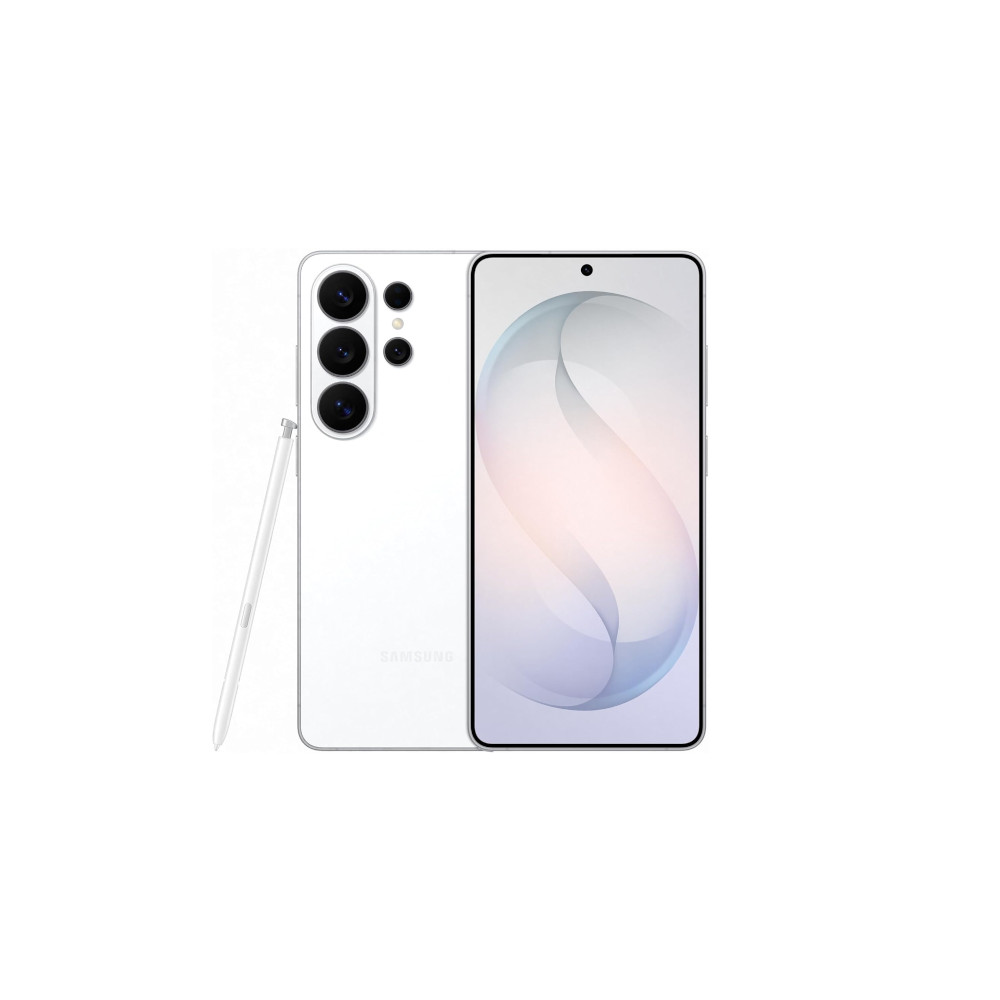
Conversely, the base Galaxy S26, with its outdated connectivity, older camera hardware, and significantly slower charging speeds, is unlikely to age well. For consumers seeking a smaller or more budget-friendly option, it would be prudent to wait for potential improvements in future generations, such as the anticipated Galaxy S27 lineup. This year, the choice appears to be clear: the Galaxy S26 Ultra represents the pinnacle of Samsung’s innovation, offering a comprehensive and compelling package that justifies its premium positioning.