Metty Iskandar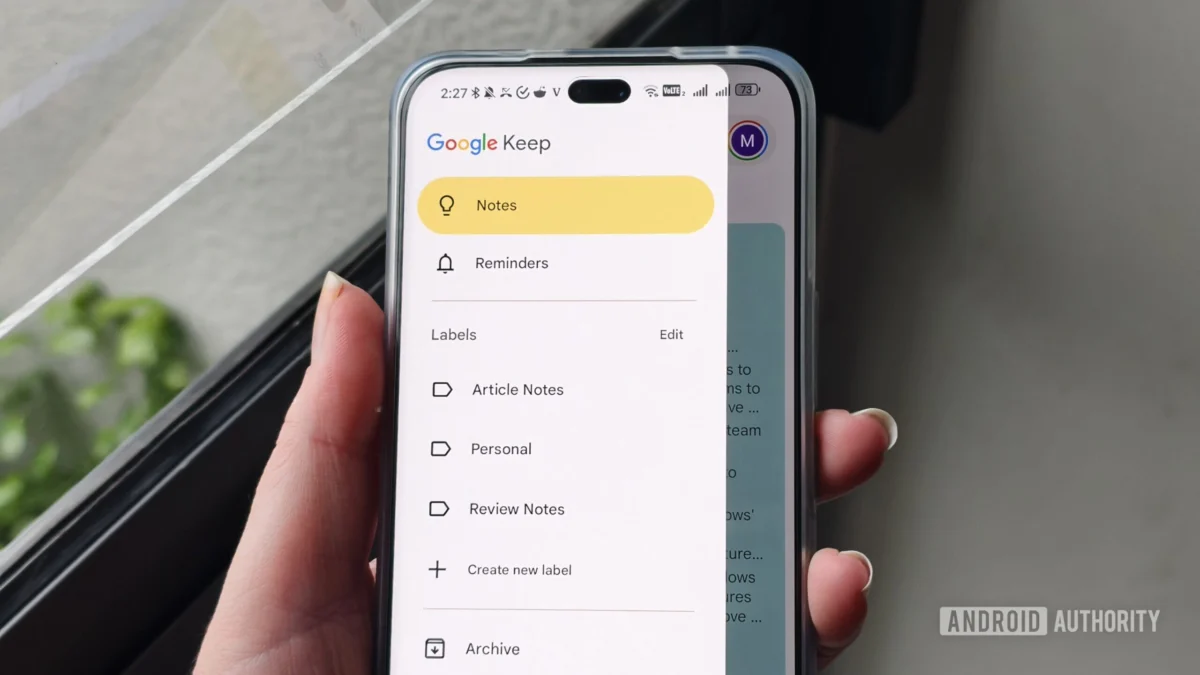
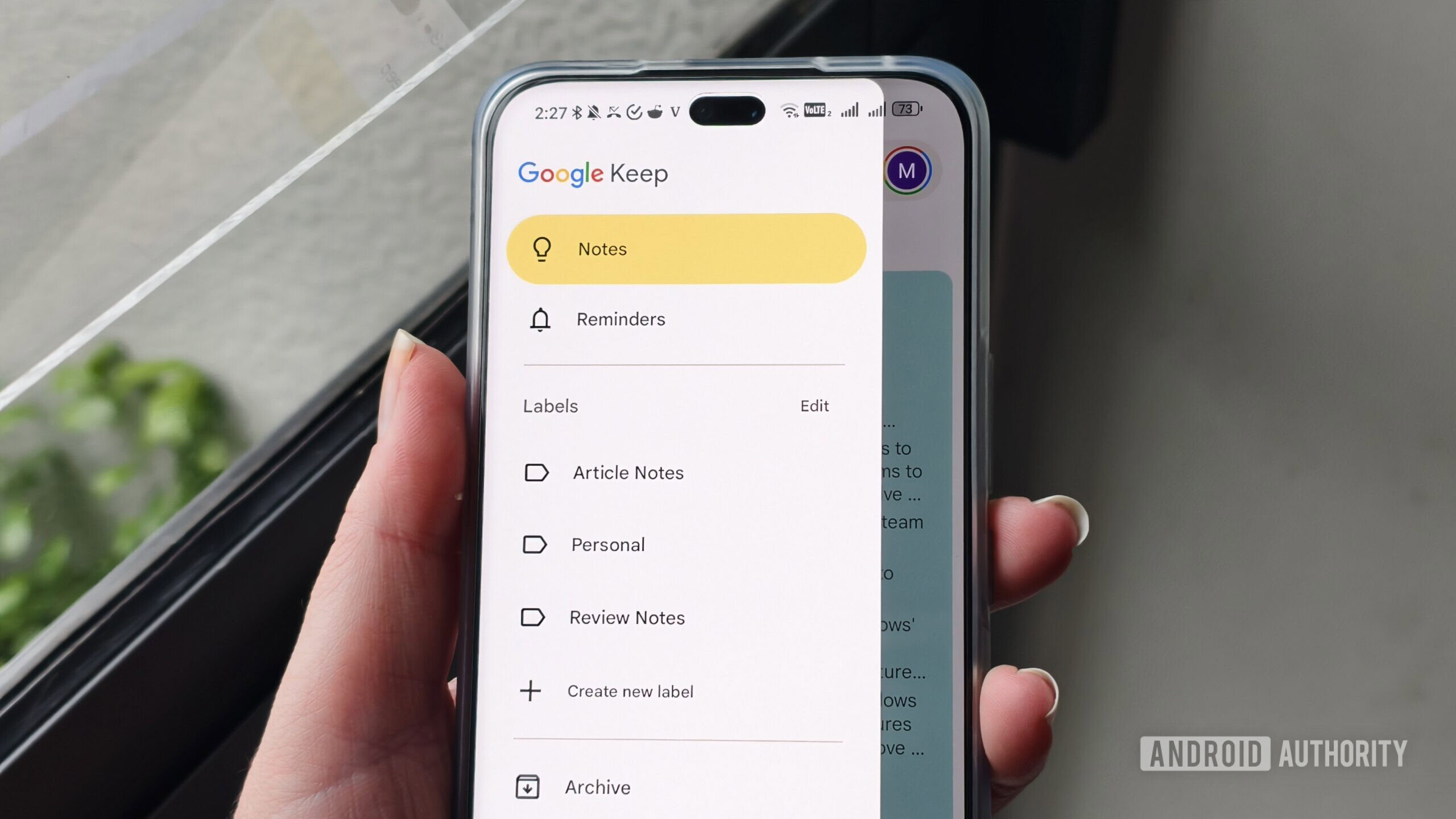
The perceived privacy shortcomings of Google Keep, a widely used note-taking application, are prompting a growing number of users to seek more secure and privacy-focused alternatives. While Google Keep offers convenience and seamless integration within the Google ecosystem, its fundamental architecture allows Google to access user data, a fact that has become a significant concern for individuals prioritizing digital privacy. This has led to an exploration of several robust alternatives, each offering distinct features and varying levels of privacy protection, catering to a diverse range of user needs, from simple note-taking to complex knowledge management.
The core of the privacy debate surrounding Google Keep lies in its data handling practices. Unlike applications designed with a "local-first" approach, where data resides primarily on the user’s device, Google Keep stores its information on Google’s servers. While Google employs stringent security measures, including two-factor authentication (2FA) to prevent unauthorized account access, the company itself retains the ability to access the content of user accounts. This access, though governed by privacy policies, raises questions for users who prefer absolute control over their personal information, particularly sensitive data such as financial records or medical information. Although Google asserts that employee access is limited and governed by strict guidelines, the potential for data access, especially in response to legal requests like subpoenas, remains a critical consideration for privacy-conscious individuals.
This ongoing discussion about data ownership and accessibility has fueled a discernible trend: users are actively migrating away from Google’s suite of applications, including Keep, in favor of services that offer stronger privacy assurances. This shift is not merely anecdotal; it reflects a broader societal awareness and concern regarding digital privacy in an increasingly interconnected world. As a result, the market for note-taking applications has seen innovation, with developers focusing on features like end-to-end encryption, local data storage, and open-source development to attract users disillusioned with the data practices of tech giants.
Understanding the Privacy Landscape of Note-Taking Apps
The value proposition of a note-taking application often hinges on its ability to securely store and organize information. However, the methods by which this information is managed can vary dramatically. At one end of the spectrum are cloud-based services, which offer accessibility across multiple devices and ease of sharing, but typically involve data being stored on the provider’s servers. This model, exemplified by Google Keep, relies on the provider’s security infrastructure and privacy policies to safeguard user data. While convenient, it introduces a degree of trust in the provider’s commitment to data protection.
Conversely, "local-first" applications prioritize storing data directly on the user’s device. This approach inherently enhances privacy by minimizing the provider’s access to user information. However, it can present challenges in cross-device synchronization and backup unless supplementary services are employed. Many modern privacy-focused applications attempt to bridge this gap by offering optional, end-to-end encrypted cloud synchronization services, allowing users to choose their preferred balance between accessibility and privacy.
End-to-end encryption (E2EE) is a critical feature in this context. It ensures that data is encrypted on the sender’s device and can only be decrypted by the intended recipient’s device. This means that even the service provider cannot access the content of the encrypted data, providing a significant layer of privacy. Applications that implement E2EE often build trust by being transparent about their encryption protocols and, in some cases, by being open-source, allowing for community scrutiny and verification of their security claims.
Top Google Keep Alternatives for Enhanced Privacy
The increasing demand for privacy-centric note-taking solutions has led to the emergence of several compelling alternatives to Google Keep. These applications cater to different user preferences, ranging from minimalist interfaces to feature-rich personal knowledge management systems.
Obsidian: The Powerhouse for Connected Thought
Obsidian stands out as a powerful, local-first note-taking application that prioritizes user privacy and data ownership. Developed with a focus on building a "second brain," Obsidian allows users to create interconnected notes using a plain text Markdown format. This approach ensures that notes are future-proof and easily transferable, independent of any specific application.
Key Privacy Features:
- Local-First Storage: All notes are stored directly on the user’s device, meaning Obsidian itself cannot access the content of these notes.
- No Account Required: Users can begin using Obsidian without creating an account, further minimizing data collection.
- Optional End-to-End Encrypted Sync: For users who require cross-device synchronization, Obsidian offers an optional paid service that provides end-to-end encrypted cloud syncing. This ensures that even when data is stored on Obsidian’s servers, it remains inaccessible to the company’s employees.
Functionality and User Experience:
Obsidian’s strength lies in its flexibility and extensibility. It supports a vast ecosystem of community-developed plugins, allowing users to customize their experience with features like task management, calendar integration, Kanban boards, and much more. The application’s core functionality revolves around linking notes together, creating a knowledge graph that visualizes connections between ideas. This makes it an ideal tool for researchers, writers, students, and anyone looking to build a comprehensive and interconnected personal knowledge base.
Learning Curve:
It is important to note that Obsidian has a steeper learning curve compared to simpler note-taking apps like Google Keep. Its extensive customization options and powerful linking capabilities require an initial investment of time to master. However, for users willing to explore its potential, Obsidian offers an unparalleled level of control and privacy.
Pricing:
The core Obsidian application is free for personal use. The optional Obsidian Sync service, which provides end-to-end encrypted cloud synchronization, is available for a monthly subscription starting at $4 per month.
Notesnook: Simplicity Meets Robust Encryption
Notesnook presents itself as a privacy-focused, cloud-based note-taking application that aims to strike a balance between user-friendliness and strong security. The app emphasizes zero-knowledge encryption, ensuring that only the user can access their notes.
Key Privacy Features:
- Zero-Knowledge Encryption: Notes are encrypted before they leave the user’s device, making them unreadable to Notesnook employees or any third parties.
- Open-Source: Notesnook is an open-source application, allowing for transparency and community verification of its security and privacy claims.
- Cross-Platform Availability: Available on web, desktop, and mobile platforms, facilitating access across devices.
Functionality and User Experience:
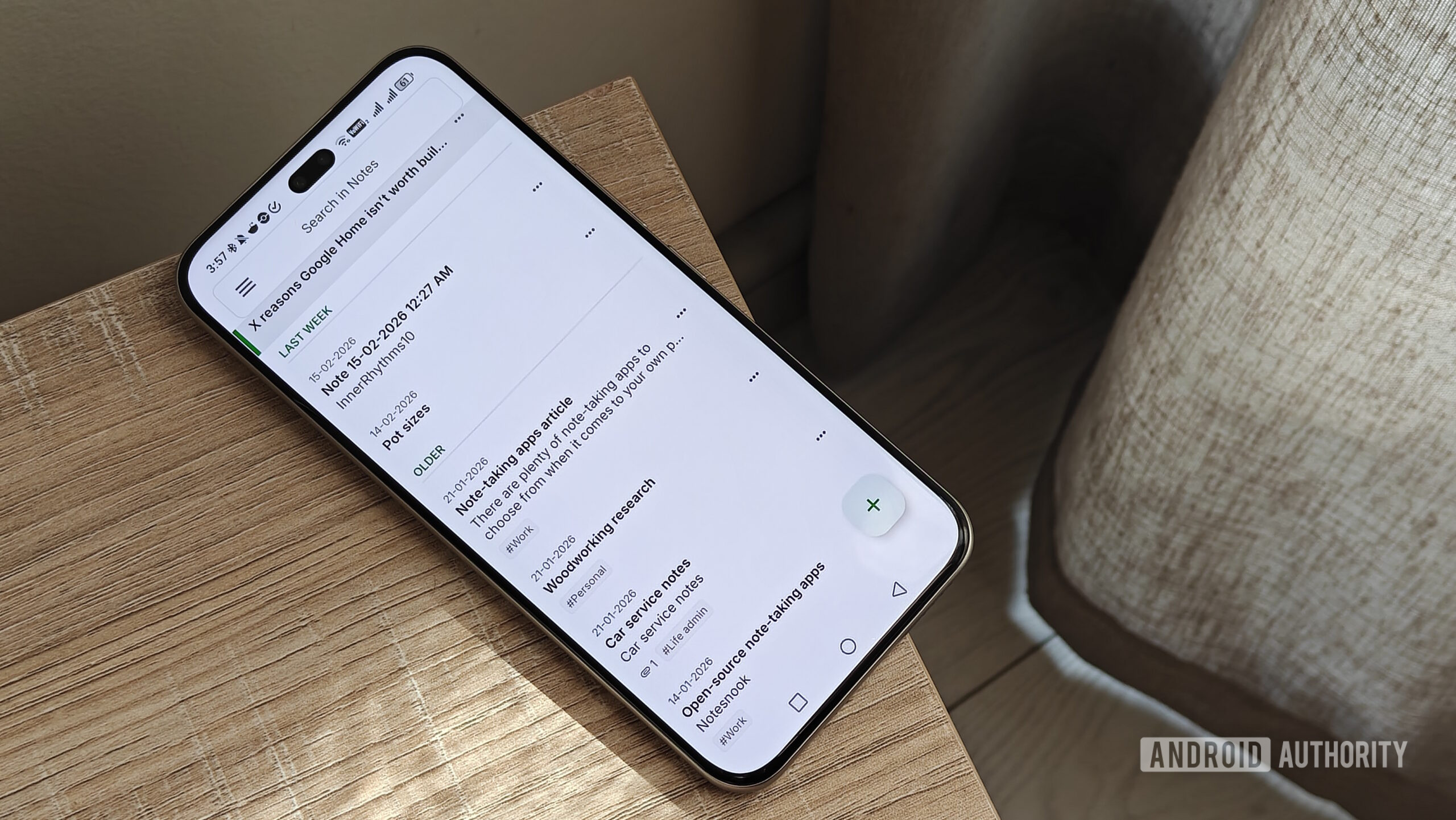
Notesnook offers a familiar interface that is easy to navigate, making it a suitable replacement for users accustomed to the simplicity of Google Keep. It supports organizing notes into notebooks, pinning important entries, and setting reminders. A notable feature is its "Focus mode," which aims to minimize distractions by decluttering the interface for enhanced concentration during writing sessions.
User Feedback and Design:
While functional, some users have noted that the user interface of Notesnook may not be as visually polished or modern as some of its competitors. However, the core functionality and strong privacy guarantees often outweigh aesthetic preferences for privacy-conscious users.
Pricing:
Notesnook offers a free plan with limited features. Paid subscription tiers, such as the Essential plan, begin at approximately $1.67 per month (billed annually), offering expanded storage and advanced features. Higher tiers, like the Believer plan, are priced at $7.50 per month.
Standard Notes: A Legacy of Privacy and Security
Standard Notes is a long-standing player in the privacy-focused note-taking space, known for its commitment to end-to-end encryption and its minimalist design. Acquired by Proton AG in 2024, the application continues its mission to provide a secure and private platform for digital notes.
Key Privacy Features:
- End-to-End Encryption: All notes are end-to-end encrypted by default, ensuring that only the user can access their content.
- Two-Factor Authentication (2FA) and App Lock: Standard Notes offers robust security features to protect user accounts and devices.
- Focus on Text: The application prioritizes plain text notes, which are inherently more secure and less prone to exploitation than rich media formats.
Functionality and User Experience:
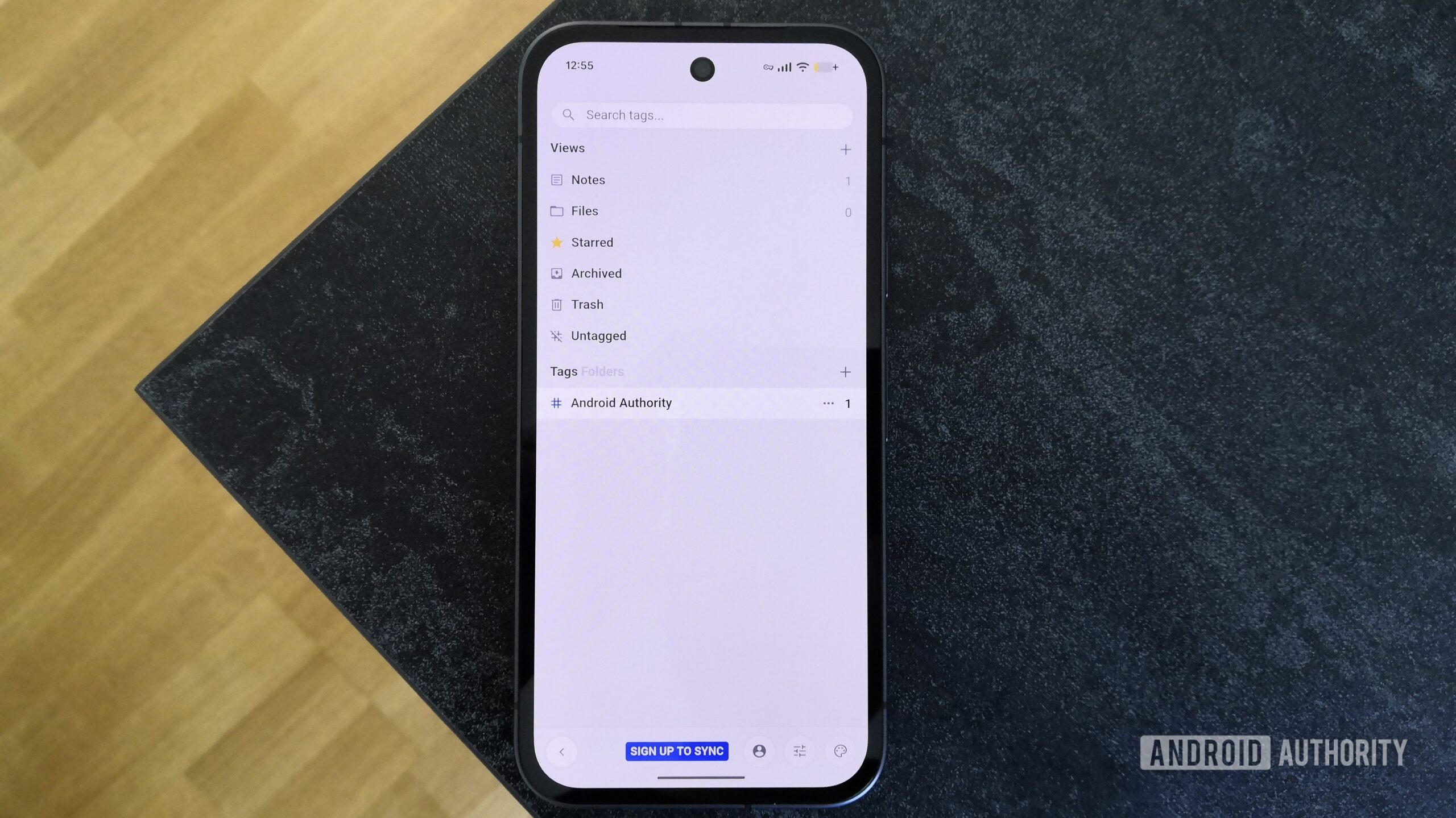
Standard Notes adopts a no-frills approach, focusing on core note-taking functionality. It allows for organization through folders and tags, and a dedicated "Files" tab provides a centralized view of any uploaded documents. While it may lack the visual flair of some modern apps, its straightforward design and emphasis on security appeal to users who value simplicity and data protection above all else. The app’s aesthetic has been described as having a distinct "old-school" character, which some users find appealing.
Integration with Proton Ecosystem:
While Standard Notes is now part of the Proton family, it is not included in the Proton Unlimited plan, which bundles other Proton services like Mail, Drive, and VPN. Users must subscribe to Standard Notes separately.
Pricing:
A limited free plan is available. Paid subscriptions are necessary for advanced features and increased storage. Annual subscriptions range from approximately $90 to $120, depending on the chosen plan. This pricing reflects the dedicated infrastructure and security measures required to maintain its high level of privacy.
Justnote: Affordability Meets Simplicity and Security
Justnote emerges as a highly affordable and straightforward alternative, designed for users who need a simple, secure way to jot down notes without a steep learning curve or exorbitant costs.
Key Privacy Features:
- Data Encryption: All data stored within Justnote is encrypted, ensuring user privacy.
- Protection Against Account Suspension: Unlike services tied to major tech ecosystems, Justnote’s independence from platforms like Google reduces the risk of arbitrary account blocking due to policy violations. This is a significant advantage for users who have experienced issues with automated content scanning systems.
- User Control: The app emphasizes that user accounts cannot be arbitrarily banned or deleted by the service provider.
Functionality and User Experience:
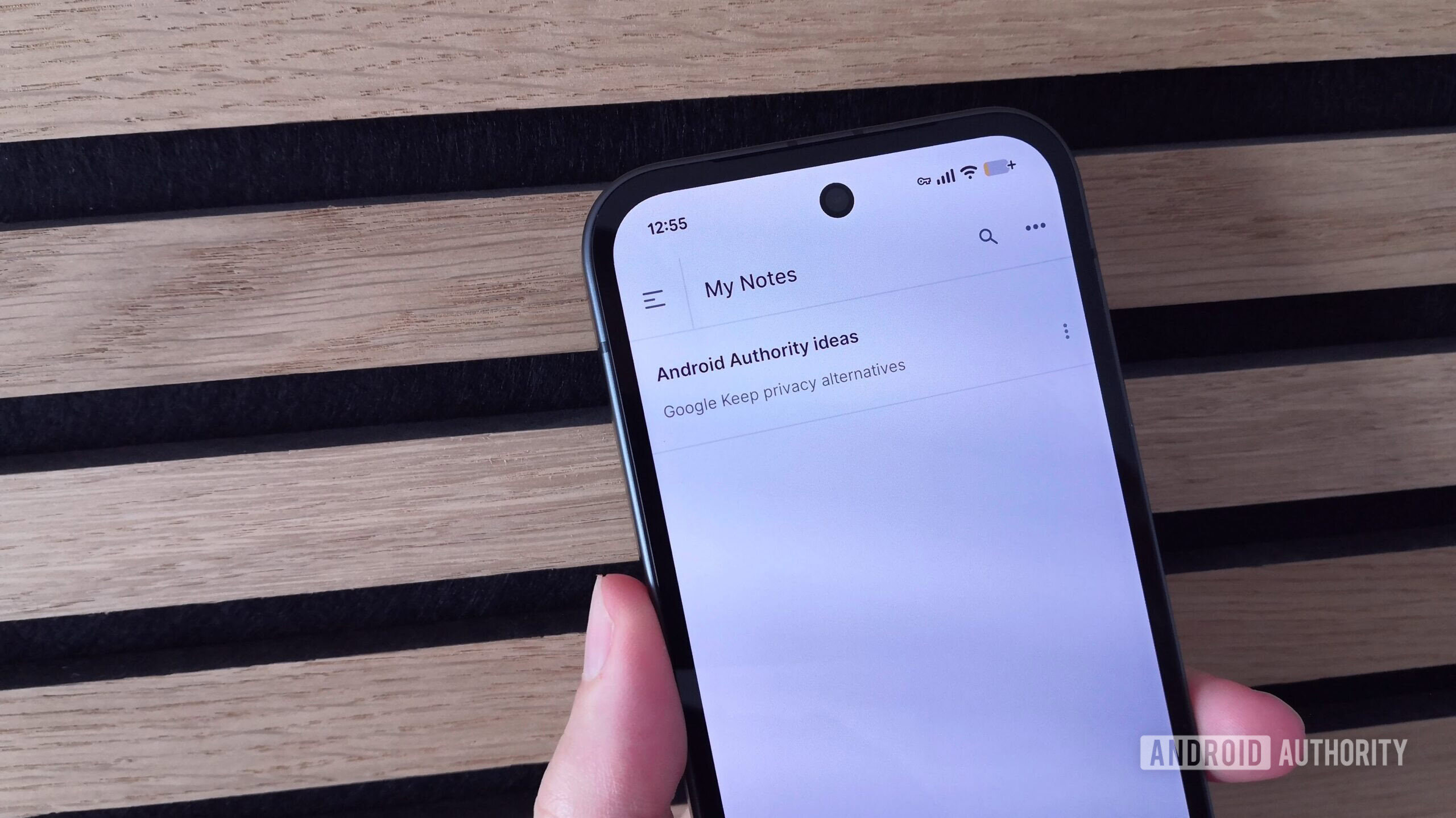
Justnote offers a minimalist user experience, closely mirroring the simplicity of Google Keep. It focuses on core note-taking functionality, making it easy for users to quickly capture ideas and information. While it lacks the advanced organizational features or complex linking capabilities of more feature-rich applications, its ease of use is a primary draw.
Cost-Effectiveness:
A significant advantage of Justnote is its exceptionally low price point. A yearly subscription typically costs around $5, making it one of the most budget-friendly secure note-taking options available. This affordability, combined with its privacy features, makes it an attractive choice for a broad user base.
Anytype: The "Second Brain" with Zero-Knowledge Sync
Anytype positions itself as a powerful "second brain" application, blending the organizational capabilities of Notion with the privacy-first approach of Obsidian. It offers a flexible workspace for managing thoughts, documents, tasks, and ideas.
Key Privacy Features:
- Offline-First Architecture: Similar to Obsidian, Anytype prioritizes local data storage.
- Zero-Knowledge Cloud Sync: The application provides an optional cloud sync feature that utilizes zero-knowledge encryption, ensuring that Anytype employees cannot access user data.
- Decentralized Design: While not fully decentralized, Anytype’s architecture aims to reduce reliance on central servers and enhance user control.
Functionality and User Experience:
Anytype’s interface is reminiscent of Notion, offering a rich and customizable environment for organizing information. Users can create various types of "objects," such as notes, tasks, and documents, and link them together to build complex knowledge networks. This makes it suitable for users who require a sophisticated system for managing their digital life.
Learning Curve and Pricing:
As with Obsidian, Anytype has a learning curve associated with its advanced features. The application offers a free tier with certain limitations, and a subscription model starts at $5 per month for enhanced functionality and to overcome these limitations, aligning it with the pricing of other feature-rich privacy-focused applications.
Implications of the Privacy Shift
The growing concern over Google Keep’s privacy implications and the subsequent migration to alternative applications highlight a significant trend in digital consumer behavior. Users are becoming increasingly aware of how their data is collected, stored, and utilized, leading them to prioritize services that offer greater transparency and control.
This shift has several implications:
- Increased Demand for Privacy-Focused Technologies: The market for privacy-enhancing technologies, including encrypted messaging apps, secure cloud storage, and privacy-focused note-taking applications, is expected to continue growing.
- Competitive Pressure on Tech Giants: Major technology companies may face increased pressure to enhance the privacy features of their existing products or risk losing market share to more privacy-conscious competitors. This could lead to greater adoption of end-to-end encryption and more transparent data handling policies.
- Rise of Decentralized and Open-Source Solutions: The appeal of decentralized architectures and open-source software is likely to grow as users seek greater assurance of data integrity and security, free from the potential influence of corporate interests.
- User Education and Awareness: The ongoing discussion about digital privacy is fostering greater user education. Individuals are becoming more informed about the trade-offs between convenience and privacy, empowering them to make more deliberate choices about the digital tools they use.
In conclusion, the perceived privacy vulnerabilities of Google Keep are acting as a catalyst for a broader reassessment of digital note-taking habits. As users increasingly demand greater control over their personal data, applications that prioritize privacy through features like local-first storage, end-to-end encryption, and transparent data policies are poised to gain prominence. The alternatives discussed—Obsidian, Notesnook, Standard Notes, Justnote, and Anytype—each offer a unique approach to secure note-taking, catering to a diverse range of user needs and underscoring the evolving landscape of digital privacy.