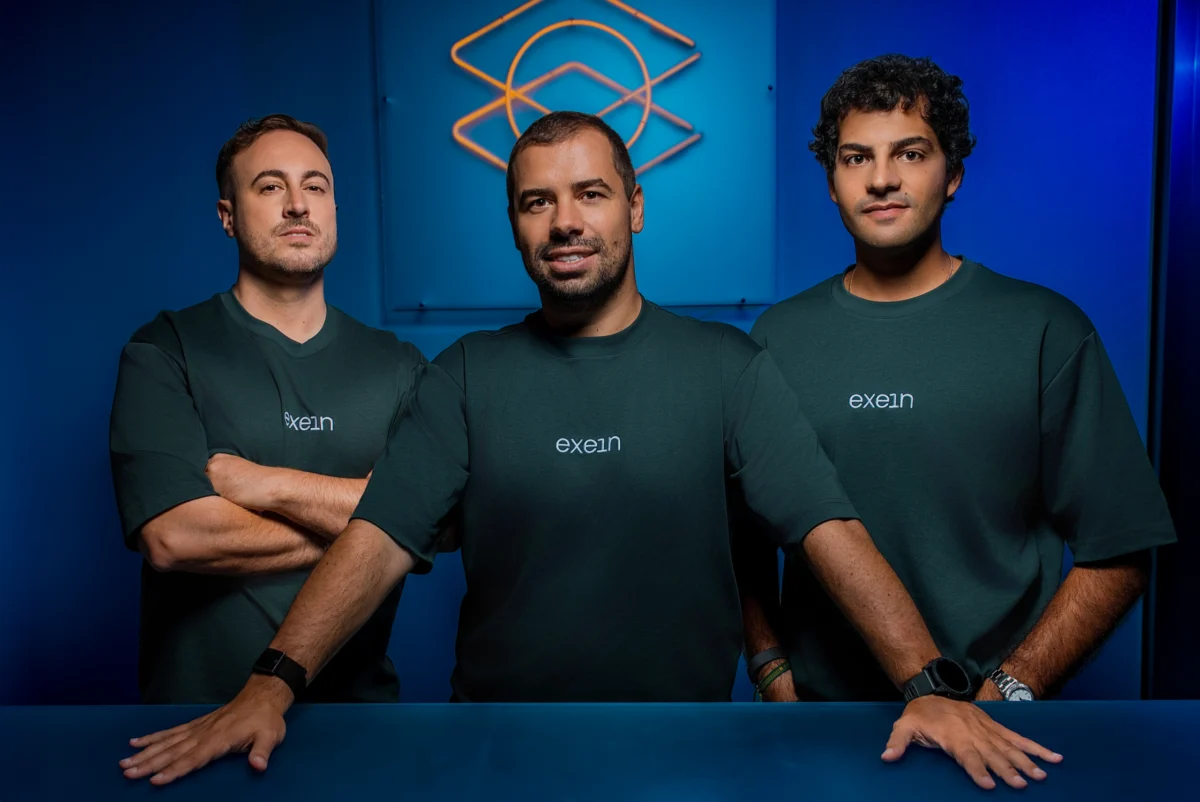
Sonny Valindra
In a move that underscores the intense investor appetite for disruptive technology companies, insurance tech startup Corgi is reportedly on the verge of closing yet another significant funding round, a development that would effectively double its valuation in a remarkably short period. Sources close to the matter have indicated to Forbes that this latest infusion of capital follows closely on the heels of its previous fundraising efforts, signaling a rapid escalation in its market standing.
This new round is understood to be a second extension of its Series B financing, and has reportedly already been finalized. This comes just eight weeks after Corgi announced its Series B1 round, a substantial $106 million raise that valued the company at $2.6 billion at the end of May. The pace and frequency of these funding rounds, particularly within the current AI-driven investment climate, highlight Corgi’s exceptional trajectory and its ability to capture investor confidence.
A Rapid Ascent in the Insurtech Landscape
Corgi’s journey from inception to its current valuation has been nothing short of meteoric. The Y Combinator alum, which participated in the summer 2024 cohort, first announced a $108 million Series A round in January of this year. While the valuation for this initial round was not publicly disclosed, industry estimates from PitchBook placed its post-money valuation at approximately $630 million.
Just four months later, in early May, Corgi secured its Series B funding, raising $160 million and achieving a valuation of $1.3 billion. The momentum did not stop there. A mere three weeks after the Series B announcement, the company revealed a B1 round, securing an additional $106 million from the same investors at a significantly higher valuation of $2.6 billion. Now, with sources suggesting a B2 round, Corgi’s valuation is reportedly poised to reach an astonishing $4 billion. Forbes has not disclosed the specific amount raised in this latest round, and the company itself has declined to comment on the potential funding.
The Engine of Growth: AI, Revenue, and Investor Confidence
The driving force behind Corgi’s rapid valuation increases appears to be a potent combination of its innovative AI-powered insurance platform and its impressive revenue trajectory. Investors like TCV and Kindred Ventures, who have backed Corgi in its previous rounds, have cited the company’s "momentum" as a key justification for its escalating valuations. Kanyi Maqubela of Kindred Ventures, in a previous statement to TechCrunch, emphasized this point, underscoring the dynamic nature of Corgi’s growth.
When Corgi first emerged from stealth mode seven months ago, its founders reported achieving an annualized revenue run rate of $40 million. According to recent sources speaking with Forbes, the company is now on track to significantly expand this run rate, projecting it to reach $450 million by the end of the current year. This ten-fold increase in projected revenue within a relatively short timeframe is a powerful testament to the market’s adoption of Corgi’s offerings and its potential for sustained financial performance.
Corgi’s Multifaceted Business Model
At its core, Corgi operates as an AI-powered insurance provider. The company leverages artificial intelligence to streamline the insurance process for its clients. This includes offering rapid quote generation for prospective customers and accelerating the claims payment process, two critical pain points in the traditional insurance industry. Corgi’s product suite is designed to cater specifically to startups, providing essential liability coverage such as general liability, coverage for technology-related incidents, and employment liability. Additionally, it offers business renters’ insurance and auto insurance.
A significant aspect of Corgi’s operational structure involves its use of a Risk Retention Group (RRG) model. RRGs are a form of self-insurance that allows entities within the same industry or facing similar liabilities to pool their resources and collectively underwrite their own risks. According to Corgi’s website, RRGs are not subject to all the stringent state regulations that traditional, rated insurance carriers must adhere to. However, Corgi has indicated that its structure can vary, with some policies potentially utilizing state-regulated carriers in addition to RRGs.
The RRG model, while offering potential cost efficiencies and regulatory flexibility, carries inherent risks. Claims are paid directly from the pooled resources, meaning a substantial claim can deplete the available funds for other claims. Unlike traditional insurers, RRGs are not backed by state guaranty funds, which can leave members exposed to significant financial losses if the pool is unable to meet its obligations. In extreme cases, large and frequent claims can even lead to the bankruptcy of the RRG. This context makes Corgi’s aggressive fundraising strategy understandable, as it seeks to bolster its capital reserves to manage potential liabilities and fuel its ambitious expansion plans.
Diversification Beyond Insurance
Beyond its core insurance offerings, Corgi has demonstrated a strategic diversification into seemingly unrelated business ventures. The company now offers data room software, a move that has garnered attention and weathered some controversy regarding the sourcing of its underlying technology. This expansion into B2B software solutions suggests an effort to create multiple revenue streams and leverage its technological expertise across different market segments.
Perhaps the most unconventional aspect of Corgi’s business model is its operation of two 24-hour coffee shops. These establishments, located in San Francisco and Atlanta, feature creatively named drinks, some of which are sponsored. With plans to open five more locations, including branches in New York and London, this physical retail expansion requires significant capital investment. The rationale behind this diversification remains a topic of discussion, though it could be interpreted as a strategy to build brand awareness, foster community engagement, or even explore unique employee benefits and client engagement opportunities.
Corporate Culture and the Demands of Rapid Growth
Corgi has also garnered attention for its demanding corporate culture. Founder and CEO Nico Laqua has publicly expressed expectations for employees to work seven days a week. This intense work ethic, while potentially contributing to the company’s rapid progress, has also raised questions about employee well-being and the long-term sustainability of such a demanding environment. In the fast-paced world of startups, particularly those experiencing hyper-growth, balancing operational demands with employee welfare is a perpetual challenge.
The series of funding rounds, the aggressive revenue growth targets, the diversification into software and coffee shops, and the demanding corporate culture all paint a picture of a company operating at an exceptionally high velocity. Corgi’s ability to consistently attract significant investor capital, even in a competitive market, suggests a strong belief in its vision and its capacity to execute on its ambitious plans. As Corgi continues to navigate its rapid expansion, its unique business model and its impact on the insurtech landscape will undoubtedly remain a closely watched development. The company’s success will hinge not only on its technological innovation and market penetration but also on its ability to manage its diverse operations, financial obligations, and its internal culture effectively.