Garick Elordi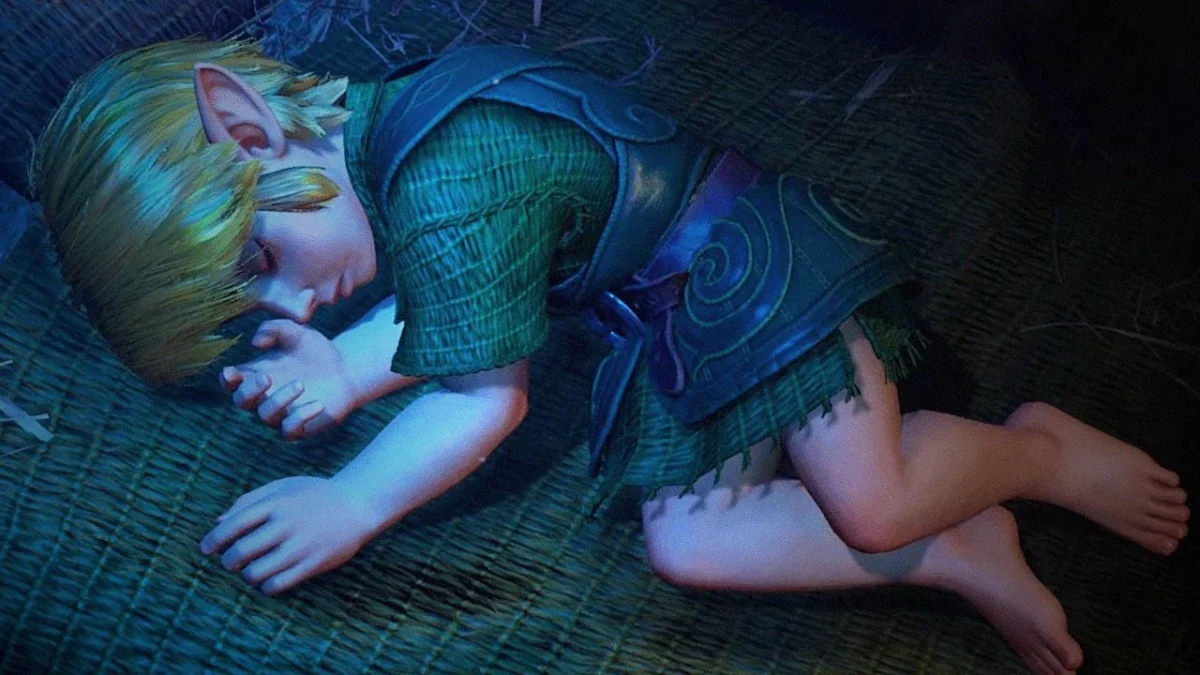
The announcement, which took place during the highly anticipated Legend of Zelda 40th Anniversary Nintendo Direct on September 8, 2026, has immediately become the focal point of global gaming discourse. As the centerpiece of Nintendo’s celebration of four decades of the Zelda franchise, the gameplay reveal of the Ocarina of Time remake offered a comprehensive look at how the company intends to reimagine what is frequently cited as the greatest video game of all time. While the trailer showcased a world rebuilt from the ground up with contemporary technology, the aesthetic choices have ignited a passionate debate among the series’ sprawling fan base, ranging from high praise for its artistic fidelity to sharp criticism regarding its character models.
The Legend of Zelda: Ocarina of Time, originally released in 1998 for the Nintendo 64, was a landmark title that defined 3D action-adventure gaming. Its transition into the modern era has been a subject of speculation for over a decade, particularly following the 2011 remake for the Nintendo 3DS. However, this 2026 iteration represents a much more significant technical leap, utilizing advanced rendering techniques to bring the kingdom of Hyrule into a high-definition era that balances nostalgia with modern graphical standards.
A New Vision for Hyrule: Technical and Artistic Direction
The gameplay footage revealed during the Direct highlighted a Hyrule that feels both familiar and strikingly new. Nintendo’s development team appears to have opted for a "stylized realism" that emphasizes texture and lighting over hyper-realistic grit. The environments—ranging from the sun-dappled canopy of Kokiri Forest to the sprawling vistas of Hyrule Field—feature a level of detail previously impossible on Nintendo hardware.
Analysts have noted that the game’s textures provide a unique "hand-made" quality. Industry observers, such as Matt Kim, have described the visual style as reminiscent of glazed ceramic figurines or high-end dioramas. This aesthetic choice seems designed to evoke the feeling of the original promotional art found in 1990s strategy guides and instruction manuals, effectively bridging the gap between the low-polygon reality of the 1998 release and the imaginative vision fans held of the game at the time.
The lighting engine, in particular, received significant attention during the reveal. The day-night cycle, a revolutionary feature in the original game, has been overhauled with global illumination and dynamic shadows that transform the atmosphere of the world as the sun sets over Death Mountain. Water physics in Lake Hylia and the Zora’s Domain also showcased modern shaders, giving the liquid environments a depth and clarity that far surpasses any previous iteration of the title.
The Polarized Response of the Global Fan Base
As is common with the reimagining of a cultural touchstone, the reaction to the reveal has been deeply divided. On one side of the spectrum, many long-time enthusiasts and critics have lauded the remake as a technical masterpiece. Chris Plante, a prominent voice in gaming media, suggested that the remake looks like what the original artists at Nintendo EAD intended to create in the late 90s but were prevented from doing so by the hardware limitations of the Nintendo 64. For these fans, the high-fidelity landscapes and the "perfection" of the atmosphere—as described by social media users—represent the ultimate version of the Ocarina experience.
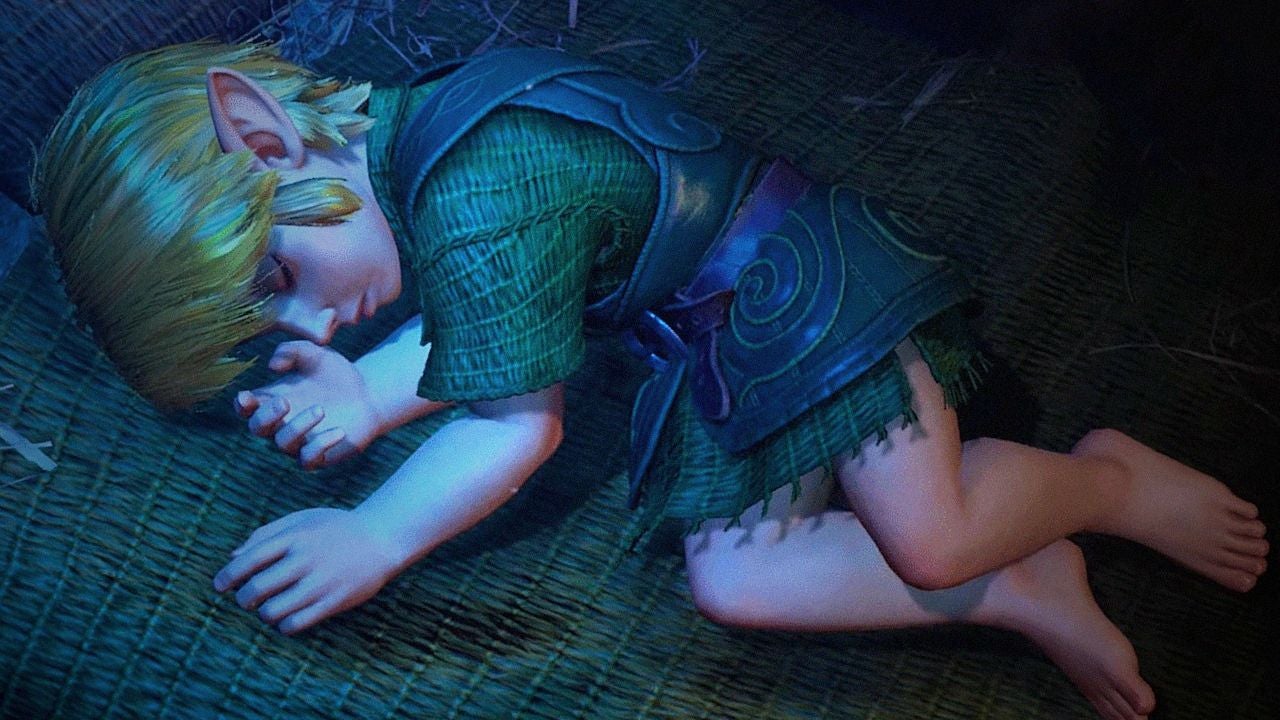
However, a significant portion of the community has expressed reservations, specifically regarding the character model for Link. Critics on platforms such as X (formerly Twitter) and Reddit have drawn unfavorable comparisons to fan-made projects created in Unreal Engine. For years, the "Unreal Engine Zelda" has been a recurring meme within the gaming community, often used to describe projects that feature high-quality assets that some feel lack the cohesive "Nintendo soul" or specific art direction associated with the company’s internal teams.
The term "Focus M" has also surfaced in discussions, referencing a satirical concept of how a modern, corporate-driven AAA studio might "over-design" a classic character like Mario. Detractors of the new Link model argue that the character’s face and proportions feel anachronistic or slightly "uncanny," contrasting sharply with the more universally praised designs for Princess Zelda and various non-player characters (NPCs) seen in the trailer.
Historical Context: The Legacy of Ocarina of Time
To understand the weight of this announcement, one must consider the historical significance of the original title. Upon its release in November 1998, The Legend of Zelda: Ocarina of Time received perfect scores from nearly every major gaming publication, including Famitsu, IGN, and Edge. It introduced the "Z-targeting" system, which became the industry standard for 3D combat, and featured a complex narrative involving time travel that resonated with millions.
Over the last 28 years, Nintendo has been protective of the Ocarina of Time legacy. While the game was ported to the GameCube (via the Master Quest disc) and the Wii/Wii U Virtual Consoles, the only true remake prior to 2026 was the 2011 3DS version. That version was praised for its subtle refinements and stereoscopic 3D but was limited by the handheld’s resolution. The 2026 remake is the first time Nintendo has allowed the title to be fully reimagined for a home console environment with modern power, making the stakes for its visual identity exceptionally high.
Chronology of the 40th Anniversary Announcements
The Ocarina of Time remake was not the only headline of the 40th Anniversary Direct, though it was undoubtedly the most impactful. The event followed a series of announcements throughout 2026 that marked the franchise’s milestone:
- February 2026: Nintendo kicks off the anniversary year with a retrospective documentary series on the making of the original 1986 NES title.
- June 2026: Announcement of The Legend of Zelda: Echoes of Wisdom updates and a limited-edition hardware bundle.
- August 2026: Teasers begin appearing on Nintendo’s social media channels featuring the iconic six-note "Bolero of Fire" melody.
- September 8, 2026: The official gameplay reveal of the Ocarina of Time remake, confirming a late 2027 release window.
This timeline suggests that Nintendo has been carefully curate the hype cycle for the remake, ensuring that it serves as the "grand finale" of the anniversary celebrations.
Implications for the Future of Nintendo Remakes
The visual direction of the Ocarina of Time remake signals a potential shift in how Nintendo approaches its classic library. In recent years, the company has experimented with various remake styles. The 2019 Link’s Awakening remake featured a "toy-like" tilt-shift aesthetic, while Skyward Sword HD focused on resolution and control refinements.
By choosing a more detailed, semi-realistic look for Ocarina of Time, Nintendo may be signaling that its "prestige" remakes will lean more heavily into modern technical capabilities. This approach carries inherent risks, as the more "realistic" a game becomes, the more it risks losing the timeless, abstract charm of its low-fidelity predecessors. The "Unreal Engine" comparisons, while harsh, highlight a growing tension in the industry between technical "correctness" and artistic "character."
Furthermore, the reveal has sparked discussions about Nintendo’s talent acquisition. The phrase "Nintendo actually hired that guy" has trended online, a nod to the long-standing fan joke that Nintendo should hire the hobbyist developers who create high-fidelity fan trailers. While there is no official confirmation that any prominent fan-creators were involved in the project, the visual similarities to high-end fan renders suggest that Nintendo is well aware of the modern visual standards expected by today’s audience.
Looking Ahead: The Road to 2027
As the initial shock of the reveal subsides, the conversation is expected to shift toward gameplay mechanics and potential content additions. Nintendo has yet to confirm whether the remake will include the "Master Quest" dungeons or if it will feature entirely new areas and side quests to expand upon the original 1998 script.
The 40th Anniversary Direct has successfully achieved its goal of making The Legend of Zelda the center of the gaming world’s attention. While the debate over Link’s new look will likely continue until the game’s launch, the sheer scale and ambition of the project underscore Nintendo’s commitment to its most prestigious intellectual property. For a game that has already been "perfected" in the eyes of many, the 2026 remake faces the monumental task of satisfying a generation of nostalgic fans while appealing to a new audience that demands modern visual fidelity.
As the gaming community awaits further details, one fact remains clear: The Legend of Zelda: Ocarina of Time continues to be a transformative force in the industry, capable of sparking global conversation nearly three decades after its debut. Whether the remake will be remembered as a faithful evolution or a controversial departure remains to be seen, but the journey back to Hyrule has officially begun.