Garick Elordi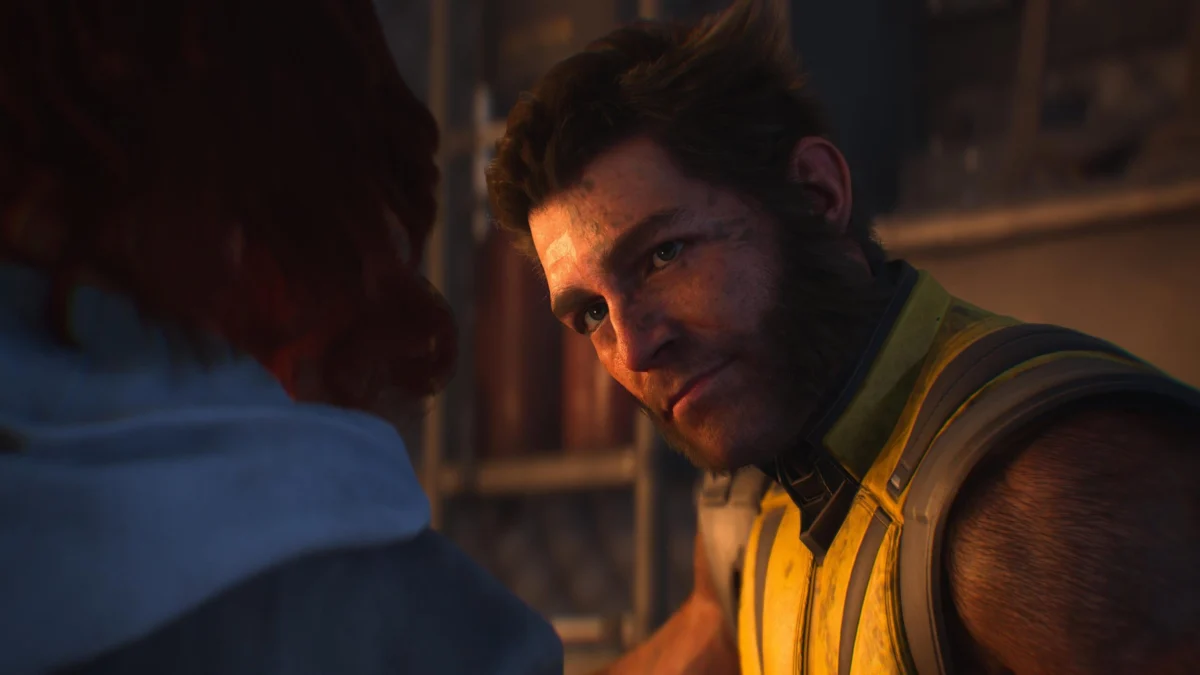
The release of Marvel’s Wolverine marks a significant pivot for Insomniac Games, moving away from the sprawling open-world Manhattan of the Spider-Man series toward a more focused, linear narrative experience. While the title succeeds in delivering a nuanced and unexpectedly tender portrayal of its titular protagonist, it simultaneously grapples with a mechanical framework that feels increasingly tethered to the conventions of a previous era of action gaming. As Sony Interactive Entertainment continues to refine its portfolio of high-fidelity, narrative-driven exclusives, Marvel’s Wolverine serves as both a testament to the studio’s character-writing prowess and a reminder of the repetitive tropes that have come to define the modern "prestige" action genre.

A Narrative Departure: The Evolution of Logan
Historically, James "Logan" Howlett has been depicted in popular media as the quintessential "lone wolf"—a gruff, traumatized operative defined by a crusty exterior and a propensity for berserker rage. However, Insomniac’s interpretation, voiced and motion-captured by Liam McIntyre, introduces a layer of vulnerability rarely seen in previous adaptations. This Logan is characterized by a surprising level of emotional intelligence; he is emotive, apologetic, and driven by a genuine sense of kindness toward those he protects.
The narrative shifts the traditional X-Men focus toward "Team X," a deeper cut from Marvel Comics lore. In this continuity, the X-Men do not yet exist as a public entity. Instead, Logan operates under the guidance of Nathaniel Essex, a psychic-powered figure from the 19th century. Essex, portrayed by veteran actor Troy Baker, operates the Essex Institute, a sanctuary for the world’s increasingly persecuted mutant population. This "found family" dynamic serves as the emotional core of the story, exploring themes of resistance against militarized prejudice. While the plot beats—including memory loss and the quest for identity—adhere to established comic book tropes, the interpersonal relationships provide a sincerity that elevates the experience. Supporting characters such as Sabretooth and Mystique are given similar depth, portrayed as complex individuals driven by trauma and loyalty rather than one-dimensional villainy.

Mechanical Framework and the "Sony Formula"
Despite the narrative freshness, the gameplay architecture of Marvel’s Wolverine leans heavily on established industry standards. The title incorporates several elements that have become synonymous with Sony’s first-party output over the last five years. These include:
- Environmental Navigation: The use of climbable ledges, waist-high grass for stealth encounters, and simplified environmental puzzles.
- Combat Systems: A "traffic light" parry system where blue indicators signify parryable attacks, red indicates unblockable strikes, and gold denotes "reckless attacks" that offer high-risk, high-reward windows.
- Progression Trees: A dual-layered system involving genetic tweaks and standard skill trees, allowing players to prioritize cooldown reductions, collectible detection, or rage meter efficiency.
- The Rage Meter: A central mechanic where successful combos fill a gauge, eventually allowing the player to enter a heightened state of lethality.
The combat is centered on Square-button slashes and Triangle-button finishers, supplemented by six unlockable special abilities. While the "gore" factor is emphasized—featuring visceral dismemberment and high-impact particle physics—the actual flow of encounters often becomes predictable. Players frequently face waves of enemies with similar cadence and timing, leading to a sense of mechanical fatigue in the game’s middle acts. Unlike the Spider-Man series, which encouraged expressive movement and environmental interaction, Wolverine’s combat feels more restrictive, focusing on a singular, aggressive pace that rarely varies.

Technical Performance and Visual Fidelity
On a technical level, Marvel’s Wolverine maintains the high standards expected of Insomniac Games. On the PlayStation 5 Pro, the title utilizes advanced ray-tracing techniques to render complex reflections and lighting, particularly in the game’s urban and industrial environments. The character models are exceptionally detailed, with specific attention paid to skin textures, forearm hair, and the procedural damage sustained by Logan’s body during combat.
However, certain aspects of the presentation suggest a more streamlined budget compared to the studio’s previous blockbusters. Reviewers have noted a lack of environmental variety in the game’s background assets, with distant landscapes occasionally suffering from low-detail murkiness. The collectible system also feels somewhat archaic; players hunt for identikit crates containing "crafting material" for suits and whiskey bottles that serve as upgrade currency. These elements, while functional, contribute to the feeling that the game is a "relic" of an older design philosophy rather than a groundbreaking step forward for the genre.

Chronology of Development and Context
The journey of Marvel’s Wolverine began with a cinematic teaser in 2021, which depicted a lone Logan in a bar following a violent altercation. Interestingly, that specific scene does not appear in the final game, reflecting a shift in narrative direction during development. The project was positioned as a way to explore a more mature, M-rated corner of the Marvel Gaming Universe (MGU), contrasting with the T-rated accessibility of Spider-Man.
The development timeline highlights the challenges of modern AAA production. Following the success of Marvel’s Spider-Man 2, Insomniac sought to deliver a tighter, more linear experience. This move was partly a response to the ballooning costs of open-world development, aiming for a "compact and concentrated" highlight reel. While the linear structure is a welcome change for players suffering from open-world fatigue, the lack of innovation within that structure remains a point of critical contention.

Comparative Analysis: Standing Against Industry Peers
When measured against other contemporary linear action titles, Marvel’s Wolverine struggles to find a unique mechanical identity. Analysts point to several benchmarks that the game fails to surpass:
- Scale and Ferocity: The 2018 God of War and its sequel, Ragnarök, offered a similar "gruff father figure" narrative but paired it with a more evolving and expressive combat system.
- Movement and Flow: Titanfall 2 remains the gold standard for linear campaign pacing and movement-based combat, an area where Wolverine’s "jump-and-slash" loop feels static.
- Directorial Innovation: Titles like Alan Wake 2 and 007: First Light have experimented with cinematic presentation and meta-narrative structures that make Wolverine’s straightforward QTE-powered set-pieces feel dated.
- Combat Precision: The parry-heavy combat of Sekiro: Shadows Die Twice or the high-speed blade work of the Ninja Gaiden series offer a level of mastery and superhuman "feel" that Wolverine’s more "mash-heavy" approach lacks.
Broader Implications for the Marvel Gaming Universe
The reception of Marvel’s Wolverine will likely influence how Sony and Marvel Games approach future collaborations. While the game proves that there is a significant appetite for M-rated superhero content, it also suggests that high-fidelity visuals and strong character work may not be enough to carry a title if the underlying gameplay mechanics do not evolve.

The industry is currently seeing a shift where "formulaic" design is being scrutinized more heavily by both critics and consumers. As development costs for AAA titles continue to rise—often exceeding $200 million—the pressure to innovate while maintaining a "safe" mechanical foundation creates a tension visible in Wolverine’s design. For Insomniac, this title serves as a bridge, maintaining the studio’s reputation for storytelling while highlighting the need for a fresh approach to combat and level design in their upcoming projects, such as the rumored X-Men ensemble game.
Conclusion: Sincerity Amidst the Rage
Ultimately, Marvel’s Wolverine is a game of contradictions. It features some of the most human and sensitive character writing in the superhero genre, anchored by a stellar performance from Liam McIntyre. It successfully creates a distinct "alt-universe" for the X-Men that feels fresh and timely, dealing with themes of sanctuary and identity. However, these narrative peaks are often leveled out by a gameplay loop that feels overly familiar and repetitive.

For fans of the character, the opportunity to inhabit a truly vulnerable and empathetic Logan will likely outweigh the mechanical shortcomings. The visceral satisfaction of the combat, combined with the occasional cinematic spectacle, provides enough momentum to sustain its runtime. While it may not redefine the action genre or set a new standard for linear campaigns, Marvel’s Wolverine remains a sincere and ultimately enjoyable entry in the ever-expanding pantheon of Marvel video games. It is a title that keeps "the old dog alive" through heart and character, even if its teeth aren’t quite as sharp as they once were.