Garick Elordi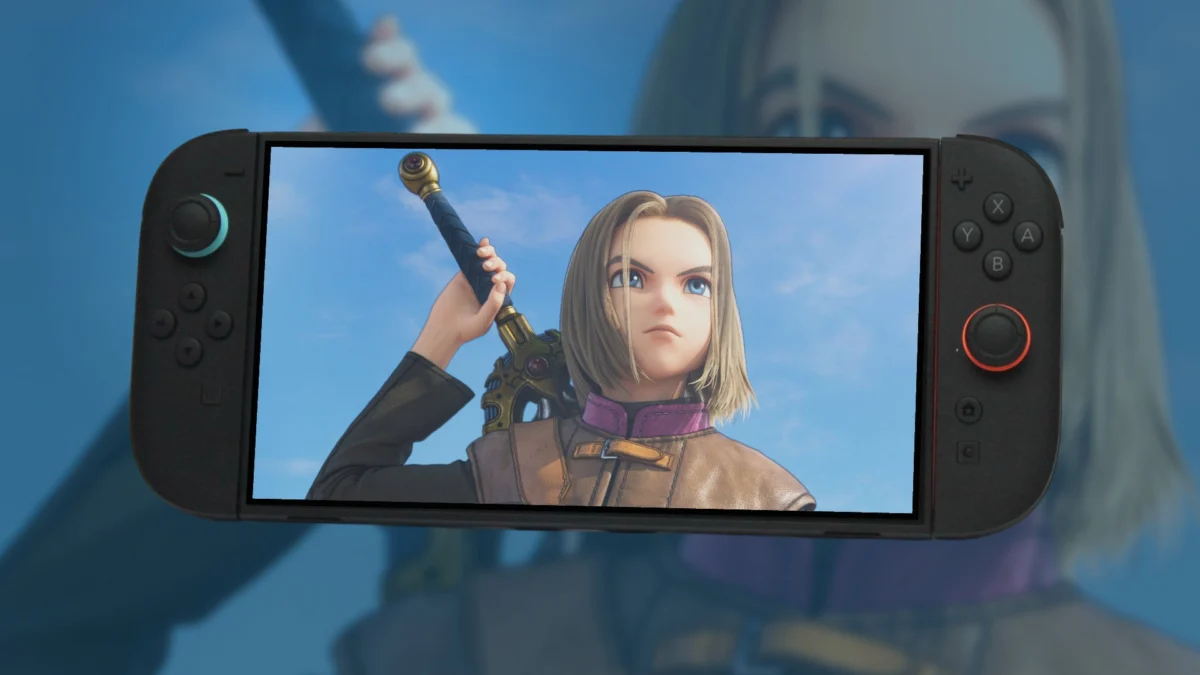
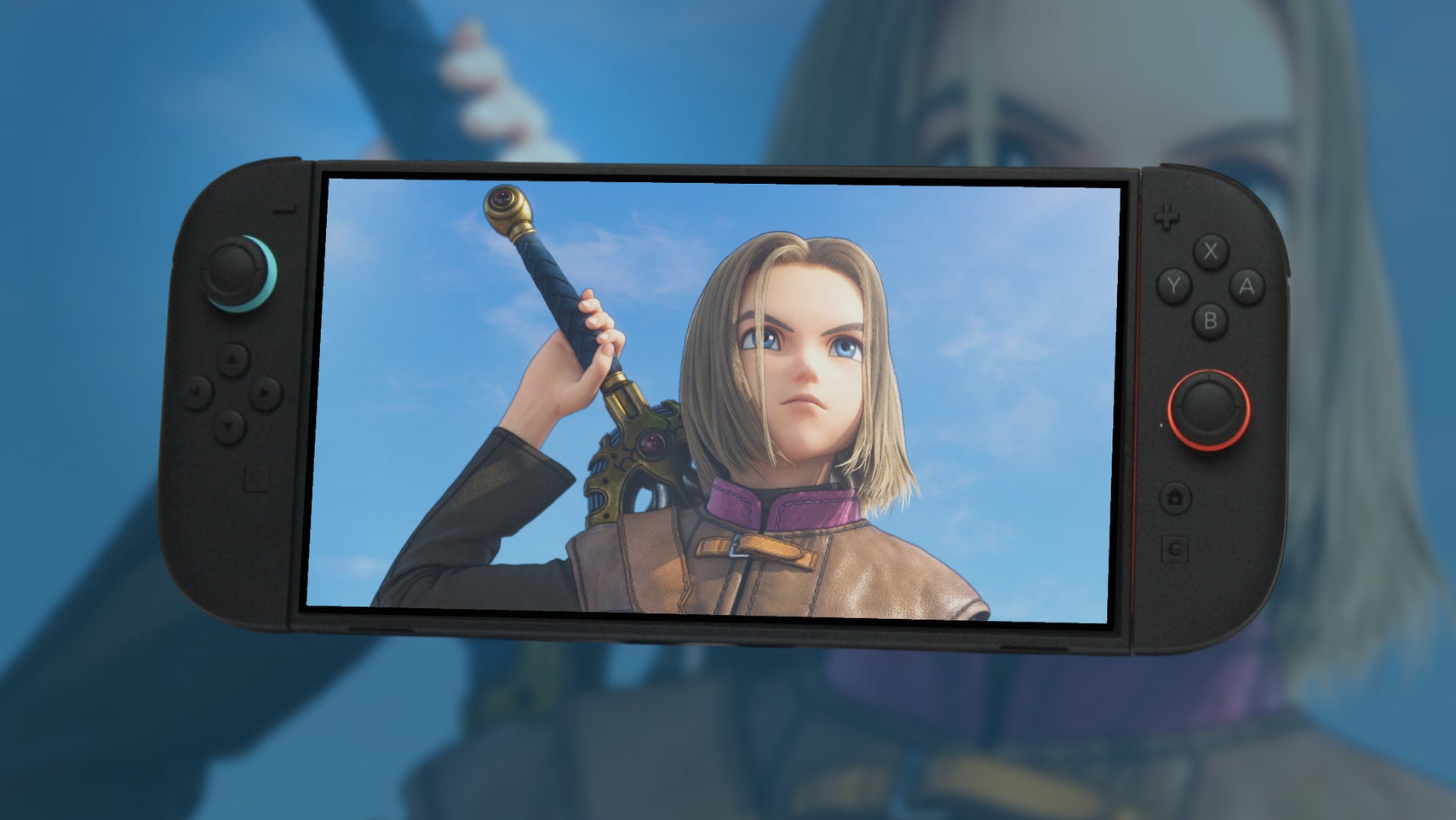
The emergence of a new classification for Dragon Quest XI S: Echoes of an Elusive Age – Definitive Edition on the Taiwan Digital Game Rating Committee’s database has signaled a significant expansion of Square Enix’s software library for Nintendo’s unannounced successor to the Switch. Registered on April 29, the listing specifically identifies a version of the critically acclaimed role-playing game optimized for the next-generation hardware, often referred to in industry circles as the Nintendo Switch 2. This development aligns with broader industry expectations that Square Enix is aggressively positioning its premier intellectual properties to be available on the upcoming platform at or near its launch window.
The Credibility of the Taiwan Ratings Board Leaks
The Taiwan Digital Game Rating Committee has established a reputation as one of the most consistent sources of early information regarding upcoming video game releases and platform ports. Because legal requirements in Taiwan necessitate the public filing of software classifications before marketing or distribution can commence, the board often reveals titles months before their official publisher announcements.
Historically, this specific regulatory body has been responsible for leaking high-profile titles that were later confirmed by their respective developers. Notable examples include the rating for Bethesda Game Studios’ Starfield on the Switch 2, the premature disclosure of Ubisoft’s The Division Heartland, and the first public evidence of Crash Bandicoot 4: It’s About Time. Furthermore, the board provided the earliest confirmation of The Great Ace Attorney Chronicles for Western audiences. The appearance of Dragon Quest XI S in this database is therefore regarded by industry analysts not as a rumor, but as a formal administrative precursor to a commercial release.
A History of Iterative Excellence: The Evolution of Dragon Quest XI
Dragon Quest XI: Echoes of an Elusive Age has undergone a complex release cycle since its debut in 2017. Originally released in Japan for the PlayStation 4 and the Nintendo 3DS, the game utilized two distinct engines: Unreal Engine 4 for the high-definition home console version and a bespoke engine for the handheld 3DS version, which featured a unique 2D/3D dual-screen presentation.
The "S" version, subtitled the "Definitive Edition," was initially developed as a timed exclusive for the Nintendo Switch in 2019. This version was a technical feat, as it integrated the orchestral score by the late Koichi Sugiyama, added Japanese voice acting, and introduced the "2D Mode"—a complete 16-bit recreation of the game—into the high-definition framework. It also included character-specific side stories and quality-of-life improvements, such as the "Ultra-Fast" battle speed, which significantly streamlined the grinding process inherent to the genre.
However, the 2019 Switch port required notable graphical compromises to function on the Tegra X1 hardware. Resolution was frequently dynamic, and environmental textures were reduced in complexity compared to the original PlayStation 4 release. The subsequent porting of this "S" version back to PlayStation 4, Xbox One, and PC in 2020 allowed players to experience the expanded content with the visual fidelity of the original release. The potential for a Switch 2 version suggests a "best of both worlds" scenario: the comprehensive content of the Definitive Edition coupled with a level of graphical performance that may exceed the original high-definition benchmarks.
Technical Implications for Next-Generation Hardware
While Nintendo has not officially disclosed the specifications for the Switch 2, widespread industry reporting suggests the device will utilize NVIDIA’s T239 chip, featuring Ampere architecture and support for DLSS (Deep Learning Super Sampling). For a title like Dragon Quest XI S, which is built on Unreal Engine 4, these hardware upgrades could provide substantial benefits.

Industry experts anticipate that a Switch 2 version would target a native 4K resolution when docked or, at the very least, a stable 1080p in handheld mode with improved anti-aliasing. Furthermore, the enhanced processing power would likely eliminate the pop-in of environmental assets and shorten the loading times between the game’s expansive zones. This technological parity with modern home consoles would allow Square Enix to maintain a unified version of the game across all contemporary platforms while catering to the portable market that has become synonymous with the Dragon Quest brand’s success.
Square Enix’s Strategic Shift and Multi-Platform Mandate
The move to port Dragon Quest XI S to new hardware comes at a pivotal moment for Square Enix. Following a series of financial reports that highlighted the risks of platform exclusivity, the company’s leadership, led by President Takashi Kiryu, has signaled a shift toward a more aggressive multi-platform strategy. This includes bringing flagship titles like Final Fantasy VII Rebirth to a wider range of hardware to maximize return on investment.
Dragon Quest XI is a cornerstone of this strategy. Since its initial launch, the game has sold over six million copies worldwide, proving that the traditionally Japan-centric franchise has significant global appeal. By ensuring the game is available on the Switch 2 from the outset, Square Enix is leveraging a proven asset to capture early adopters of the new hardware. This "evergreen" approach to software management allows the company to generate steady revenue from its back catalog while its primary development teams focus on long-term projects.
The Long Wait for Dragon Quest XII: The Flames of Fate
The classification of a Dragon Quest XI S port also serves as a strategic bridge for fans awaiting the next mainline entry in the series. Dragon Quest XII: The Flames of Fate was officially announced in May 2021 during the franchise’s 35th-anniversary livestream. At the time, series creator Yuji Horii noted that the game would take a "darker" and more "adult" tone, featuring a revamped command-based battle system and difficult choices that would impact the narrative.

In the three years since that announcement, Square Enix has remained largely silent regarding the game’s progress. The development cycle has been complicated by the passing of two of the series’ most influential figures: character designer Akira Toriyama and composer Koichi Sugiyama. Despite these challenges, Horii confirmed in 2023 that development was proceeding.
The gaming community is currently looking toward "Dragon Quest Day" on May 27, 2024, for potential updates. This annual celebration marks the anniversary of the original Famicom release of Dragon Quest in 1986. It is widely speculated that Square Enix will use this occasion to officially announce the Switch 2 version of Dragon Quest XI S, potentially alongside a new trailer or release window for Dragon Quest XII.
Market Impact and Industry Outlook
The re-release of Dragon Quest XI S on next-generation hardware underscores the increasing importance of backward compatibility and "cross-gen" support in the modern gaming ecosystem. As the transition between console generations becomes more fluid, publishers are finding value in updating existing masterpieces to meet the expectations of players accustomed to high-performance displays and rapid load times.
For Nintendo, having a flagship Square Enix RPG ready for its new platform provides a crucial "system seller" for the RPG demographic, which is particularly strong in the Japanese market. For Square Enix, it reinforces the longevity of their most successful Dragon Quest title to date.

The broader implications of this leak suggest that the "Switch 2" software lineup is being populated by a mix of high-fidelity ports and new releases designed to demonstrate the hardware’s capabilities. If Dragon Quest XI S can achieve visual parity with high-end PC settings on a handheld device, it will serve as a powerful proof of concept for Nintendo’s new hardware.
As the industry moves toward the official unveiling of the next Nintendo console, the Taiwan Ratings Board’s disclosure serves as a definitive indicator of the software landscape to come. Whether through an official announcement on Dragon Quest Day or a Nintendo-led hardware showcase, the return of the Luminary appears to be a central component of the next generation’s RPG offering. The move ensures that one of the most celebrated entries in the history of the genre remains accessible, polished, and technically relevant for a new era of players.