George Chandra Eka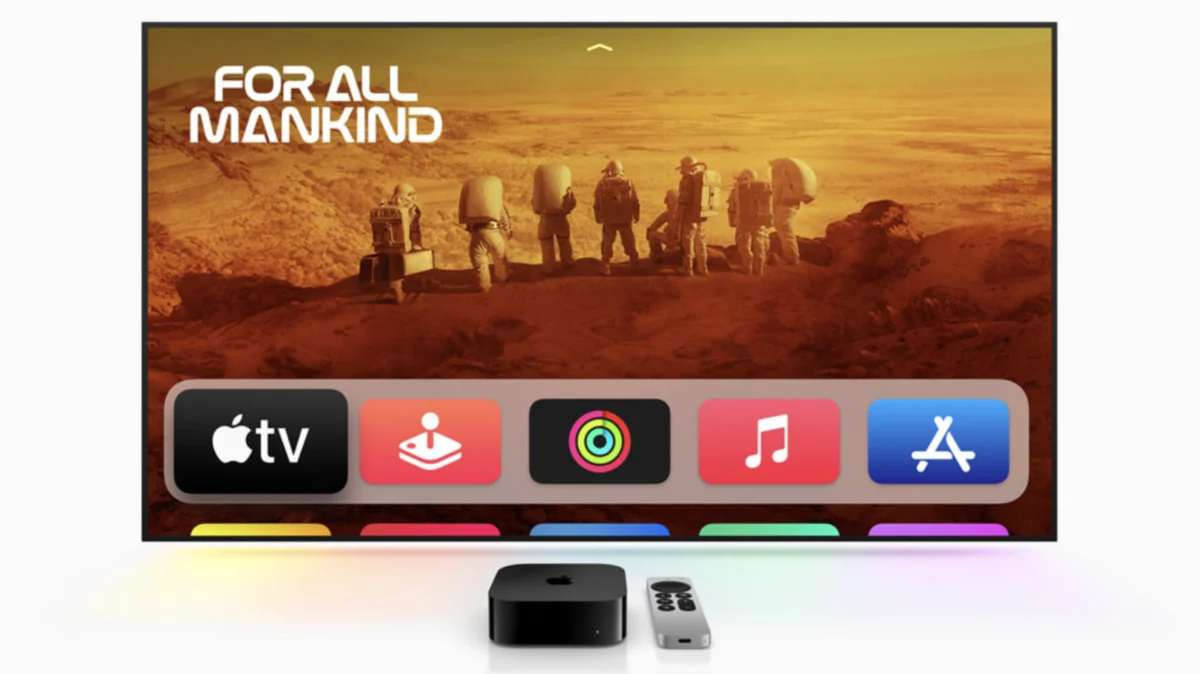
Much of Apple’s premium hardware portfolio recently underwent a significant price adjustment, making many devices substantially more expensive for consumers. While increases to iPads and Macs garnered considerable attention, the Apple TV 4K also experienced a notable surge in its retail price, prompting a re-evaluation of its market position and value proposition in the competitive streaming device landscape. This move by Apple is understood to be a direct consequence of ongoing global supply chain challenges, persistent memory crises, and rising component costs that have affected the technology industry at large.
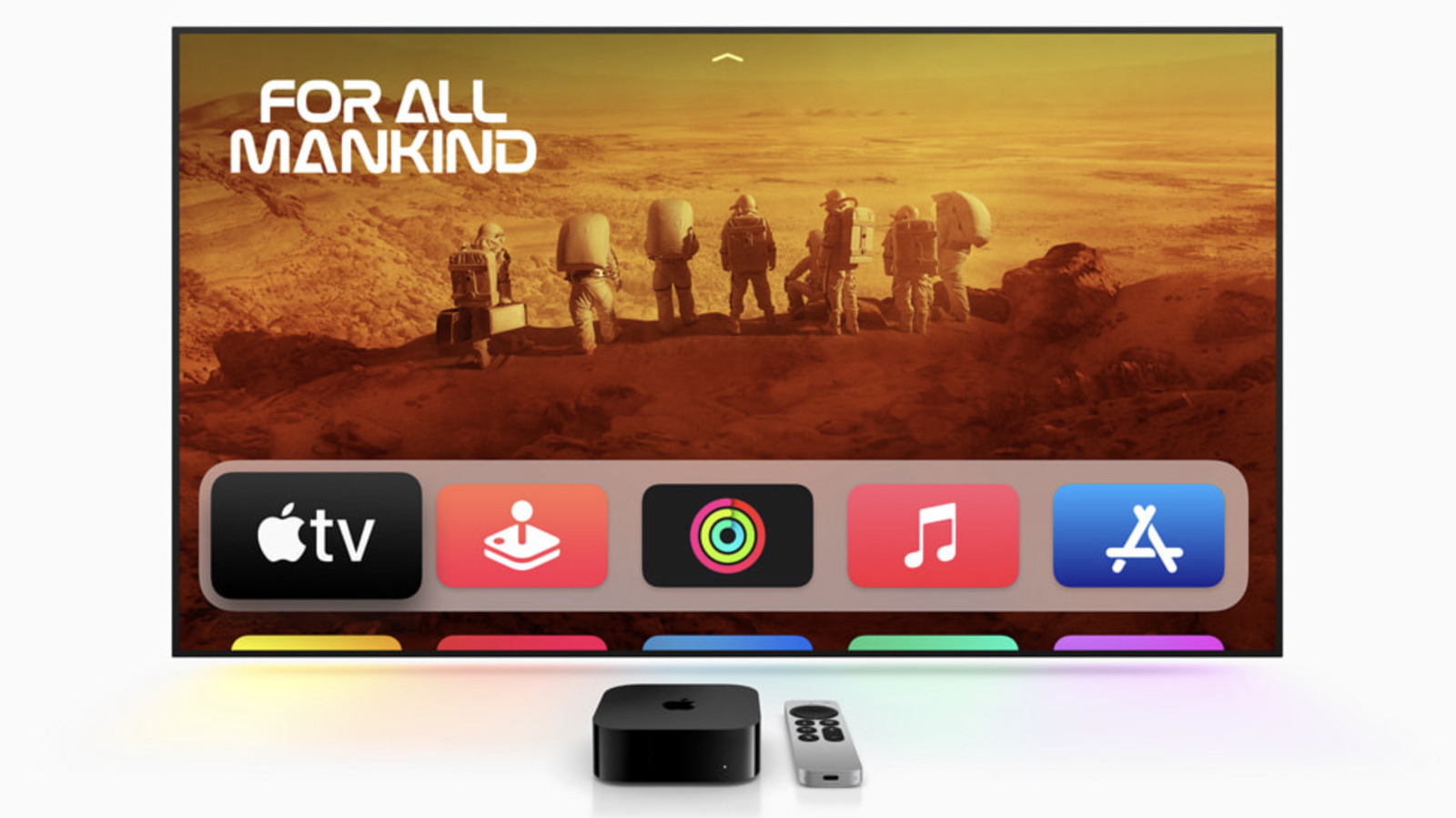
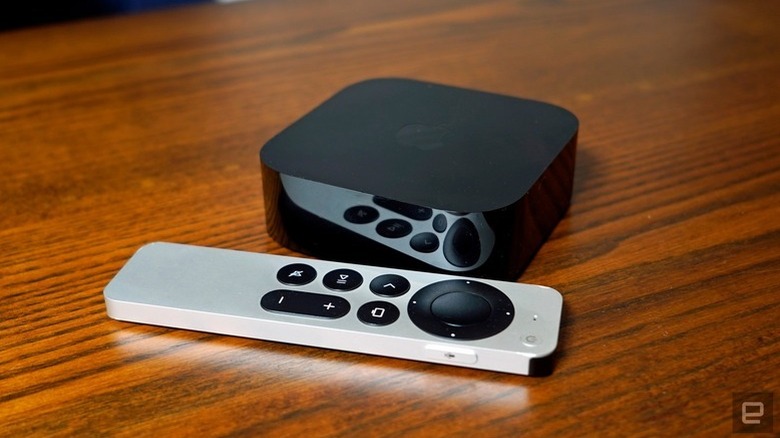
The most recent iteration of the Apple TV 4K, which integrates the powerful A15 Bionic chip and was reviewed as the "best of its kind" by Engadget in 2022, has seen its price for the 64GB model jump from $129 to $199 – a substantial $70 increase. The 128GB variant experienced an even more significant hike, now retailing for $249, up from its previous $149 price point. These adjustments represent increases of approximately 54% and 67% for the 64GB and 128GB models, respectively, placing the device firmly in the ultra-premium segment of the streaming player market. The question now for consumers and industry observers alike is whether an established product, even one lauded for its performance and ecosystem integration, can justify such a premium price in an increasingly crowded and cost-sensitive sector.
Understanding the Economic Backdrop: Global Supply Chains and Inflationary Pressures
The recent price revisions across Apple’s product lines are not isolated incidents but rather reflective of broader macroeconomic trends and specific industry challenges that have intensified over the past few years. The technology sector, in particular, has grappled with a confluence of factors contributing to increased manufacturing and logistical expenses.
The global semiconductor shortage, which began to bite during the initial phases of the COVID-19 pandemic, remains a persistent issue. Demand for electronic devices surged as remote work and entertainment became central to daily life, while factory closures and logistical bottlenecks simultaneously hampered production and distribution. This imbalance between supply and demand led to significant increases in the cost of crucial components, including memory chips, processors, and various other integrated circuits.
Beyond semiconductors, the "memory crisis" specifically refers to fluctuations in the pricing and availability of NAND flash and DRAM modules, essential for device storage and operational memory. These components are highly susceptible to market dynamics, and periods of high demand coupled with limited supply can lead to rapid price escalations for manufacturers. Apple, like other major electronics producers, procures these components in vast quantities, making it highly sensitive to such market shifts.
Furthermore, inflationary pressures across global economies have driven up the costs of raw materials, labor, and transportation. Shipping costs, for instance, saw unprecedented spikes, adding further overhead to the delivery of finished goods. While Apple typically maintains robust supply chain management and often absorbs some cost increases to maintain stable pricing, the scale and persistence of these economic headwinds appear to have necessitated passing a portion of these increased costs onto the consumer. This strategy is also influenced by currency fluctuations, although the immediate context of these specific price hikes points more directly to component and logistical expenses.
A Chronology of Apple TV’s Evolution and Recent Pricing Shifts
The Apple TV product line has a history stretching back to 2007, initially positioned as a "hobby project" by Apple. Over the years, it evolved from a media sync device to a dedicated streaming box, embracing app ecosystems and 4K capabilities.
- 2007-2010: First and second generations focused on iTunes integration and media streaming.
- 2012-2015: Third generation refined the streaming experience with a simpler interface.
- 2015: Introduction of the fourth-generation Apple TV, bringing tvOS, an App Store, and the Siri Remote. This marked a significant shift towards a more comprehensive entertainment platform.
- 2017: The first Apple TV 4K launched, supporting Ultra HD resolution, HDR10, and Dolby Vision.
- 2021: A refresh brought the A12 Bionic chip and a redesigned Siri Remote, focusing on performance and user experience enhancements.
- 2022: The most recent iteration, featuring the A15 Bionic chip, was released. This model was praised for its speed, comprehensive HDR support (including HDR10+), and further refinements to the Siri Remote. At its launch, it was lauded for being "faster and cheaper" than its predecessor, initially priced at $129 (64GB) and $149 (128GB).
- Recent Announcement (Last Week): The price hikes, as reported, were announced recently, specifically impacting the 2022 model, raising the 64GB version to $199 and the 128GB version to $249. This represents a stark reversal from its initial "cheaper" positioning.
This chronology highlights that while the Apple TV product line has been around for many years, the specific hardware iteration affected by this price hike – the A15 Bionic model – was only released in 2022. The sentiment from the original article that it is a "four-year-old product" likely refers to the overall product philosophy or the perceived lack of significant, game-changing updates to the core experience in recent years, rather than the literal age of the latest silicon. However, the 2022 model itself was a performance upgrade. The decision to increase prices on this relatively recent model underscores the severity of the cost pressures Apple is facing.
The Enduring Strengths of the Apple TV 4K
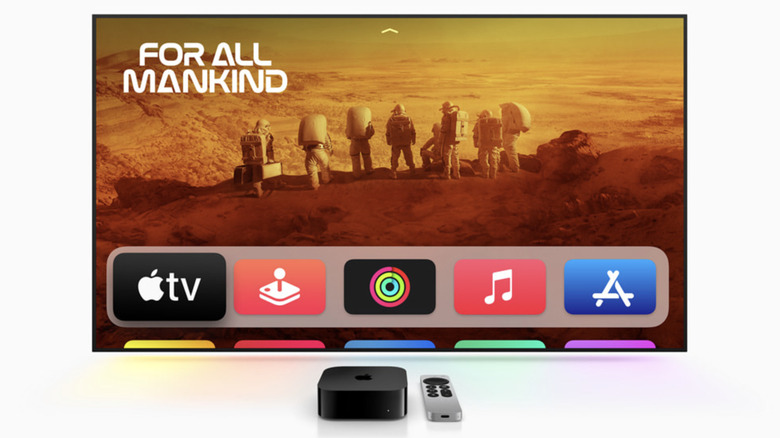
Despite the significant price increase, the Apple TV 4K (2022) retains several compelling features that have historically positioned it as a premium device in the streaming market. For a specific segment of consumers, these advantages may still outweigh the higher cost.
- Unparalleled Performance: The integration of the A15 Bionic chip, the same silicon found in some of Apple’s iPhone models, grants the Apple TV 4K a level of processing power unmatched by most competitors. This translates into lightning-fast navigation, instantaneous app loading, and smooth, responsive gaming experiences through Apple Arcade. This raw power also future-proofs the device to some extent, allowing it to handle more demanding applications and higher fidelity content as they emerge.
- Superior Audio-Visual Fidelity: The device supports all major HDR formats, including Dolby Vision, HDR10, and HDR10+. Crucially, it also supports Dolby Atmos for immersive audio. This comprehensive support ensures that users experience content with the highest possible visual and auditory quality, assuming their television and sound system are also capable. Engadget’s review consistently praised its picture quality as "fantastic."
- Seamless Apple Ecosystem Integration: For existing Apple users, the Apple TV 4K offers a deeply integrated experience. Setup is remarkably simple with an iPhone, and features like AirPlay allow effortless content casting from Apple devices. It serves as a central hub for Apple services such as Apple Arcade (transforming the TV into a gaming console), Apple Fitness+ (displaying workouts on a large screen while an Apple Watch tracks metrics), and even HomeKit for smart home control. The ad-free tvOS interface is a significant differentiator, providing a clean and uncluttered user experience, a stark contrast to many ad-laden smart TV platforms and rival streaming devices.
- Robust App Support and User Experience: The tvOS App Store boasts extensive third-party app support, ensuring access to virtually all popular streaming services. The Siri Remote, with its intuitive design and integrated voice control, remains a highlight, making content discovery and device interaction exceptionally fluid.
The $200 Question: Value for Money in a Crowded Market
At its previous price of $129, the Apple TV 4K was considered an expensive but justifiable premium streaming device. At $199 (and $249 for the 128GB model), its value proposition comes under intense scrutiny, especially when compared to a plethora of capable and significantly more affordable alternatives.
Leading Competitors and Their Value Propositions:
-
Google TV Streamers (e.g., Chromecast with Google TV):
- Price: Typically around $50-$70 for the 4K model, making it a fraction of the Apple TV 4K’s new price. The original article mentions the "Google TV Streamer" at $99, which could refer to a specific bundle or a slightly older model, but the core 4K device is often cheaper.
- Strengths: Google TV is lauded for its intuitive interface, which aggregates content from various apps into a unified, recommendation-driven menu. It supports 4K/60fps, Dolby Vision, HDR10+, and Dolby Atmos. Integrated Google Assistant provides robust voice control.
- Weaknesses: While fast, it generally can’t match the raw processing power of the A15 Bionic, leading to slightly less instantaneous navigation. It also features more advertisements and promotional content within its interface compared to the relatively ad-free Apple TV 4K.
-
Amazon Fire TV Devices (Fire TV Cube, Fire TV Stick 4K Max):
- Fire TV Cube:
- Price: Around $140, significantly cheaper than the Apple TV 4K.
- Strengths: Amazon’s flagship streaming box offers hands-free Alexa voice control, Wi-Fi 6E support, Ethernet, and an HDMI input for integrating other entertainment devices. It supports 4K/60fps, Dolby Vision, HDR10+, and Dolby Atmos. It also has a powerful processor for its category.
- Weaknesses: The interface is heavily geared towards Amazon’s ecosystem and often bombards users with self-promotion and advertisements, which can be intrusive. While powerful, it doesn’t offer the same seamless Apple ecosystem integration.
- Fire TV Stick 4K Max:
- Price: Comically cheaper at around $60, often on sale for less.
- Strengths: An excellent budget option for pure streaming, offering Dolby Vision, HDR10+, and Dolby Atmos. It also features Wi-Fi 6 support and sometimes includes cloud gaming integration like Xbox Game Pass.
- Weaknesses: Less powerful processor than the Cube or Apple TV 4K, limited storage (16GB), and the same ad-heavy Amazon interface.
- Fire TV Cube:
-
Roku Devices (Roku Ultra 2024, Roku Streaming Sticks):
- Roku Ultra 2024:
- Price: Around $100, half the price of the Apple TV 4K.
- Strengths: Roku is renowned for its platform neutrality and user-friendly interface. The Ultra offers 4K, HDR, and Dolby Atmos support, a fast processor for Roku’s ecosystem, and premium features like a lost remote finder and private listening via headphone jack.
- Weaknesses: While neutral, its interface can feel less polished than tvOS or Google TV, and it lacks the deep ecosystem integration of Apple or Google.
- Roku Streaming Sticks: Budget-friendly options starting as low as $30-$50, providing basic 4K streaming capabilities.
- Roku Ultra 2024:
-
NVIDIA Shield Android TV Pro:
- Price: Traditionally considered expensive, it now often aligns with the Apple TV 4K’s new price point (around $200).
- Strengths: A powerhouse for specific users, particularly gamers and media enthusiasts. It excels at local media playback (Plex server capabilities), AI-enhanced upscaling of older content to near-4K quality, and built-in support for NVIDIA’s GeForce Now cloud gaming service. Supports 4K, Dolby Vision, and HDR10 (though not HDR10+).
- Weaknesses: Runs on the slightly dated Android TV interface (though an upgrade to Google TV is possible for some models), which can feel less refined than tvOS. Its primary appeal is to power users, not necessarily the general streaming audience.
The "Free" Alternative: Smart TV Interfaces
Many modern 4K televisions come with built-in smart interfaces (e.g., Samsung’s Tizen, LG’s webOS, Sony’s Android TV/Google TV). While these offer the convenience of integrated apps, they often suffer from sluggish performance, fewer updates, and sometimes intrusive advertising. They rarely match the speed, polish, or long-term support of a dedicated premium streaming device.
Broader Implications and Market Positioning
The Apple TV 4K’s price hike has several broader implications for the streaming device market and Apple’s strategy:
- Shrinking Target Audience: The device’s appeal will likely narrow further to an exclusive niche: dedicated Apple ecosystem users who prioritize a seamless, high-performance, ad-free experience and are largely price-insensitive. For these users, the convenience of HomeKit integration, Fitness+ tracking, and AirPlay might still justify the premium.
- Increased Competitive Pressure: The price gap between the Apple TV 4K and its nearest premium competitors (like the Fire TV Cube or Roku Ultra) has widened significantly, making it harder to recommend to non-Apple users. Budget options are now almost comically cheaper, offering compelling 4K streaming at a fraction of the cost. This could lead to a loss of market share in the broader streaming device category, where Apple TV has never been a volume leader.
- Analyst and Consumer Reactions: Industry analysts may view this as Apple making a strategic decision to cede the mid-range streaming market, focusing purely on its high-end segment. Consumer advocates, meanwhile, will likely highlight the diminishing value proposition, especially for a product line that isn’t updated annually like iPhones. The perception of paying significantly more for an existing product, even with its strengths, can erode consumer goodwill.
- Potential for Future Product Strategy: This move might also signal that Apple sees the Apple TV less as a standalone streaming box and more as a crucial component of its broader services strategy and smart home ecosystem. Its role as a HomeKit hub, gaming platform, and Fitness+ display might be paramount, justifying its premium cost within that integrated vision, rather than as a direct competitor to basic streaming sticks.
Is the Apple TV 4K Still Worth Buying?
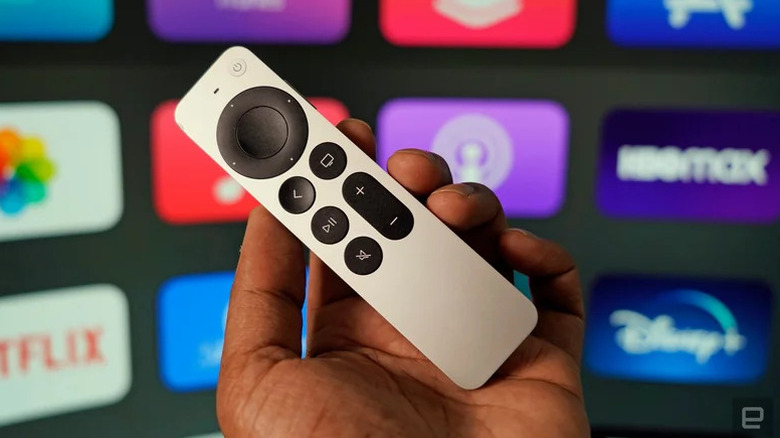
For the loyal Apple user deeply embedded in the company’s ecosystem – someone who owns an iPhone, Apple Watch, subscribes to Apple Arcade and Fitness+, and values a truly premium, ad-free user interface – the Apple TV 4K still offers an unmatched experience. Its exceptional picture quality, powerful processor, and seamless integration remain best-in-class within the Apple paradigm.
However, for anyone outside of this specific user group, or for those who are simply looking for a high-quality 4K streaming device without the brand allegiance, the answer becomes significantly more complicated. The dramatic price increase means that comparable devices offering 4K resolution, HDR support, and robust app ecosystems can be acquired for half the price, or even less. While these alternatives might not offer the same raw speed or the complete Apple ecosystem integration, they provide excellent value for money.
Ultimately, Apple devices typically command a premium, but in the case of the Apple TV 4K, this premium has now grown into a substantial barrier for many. The decision to purchase rests heavily on the individual’s commitment to the Apple ecosystem and their willingness to pay a considerably higher price for a device that, while excellent, faces fierce competition from more affordable and increasingly capable rivals.