Garick Elordi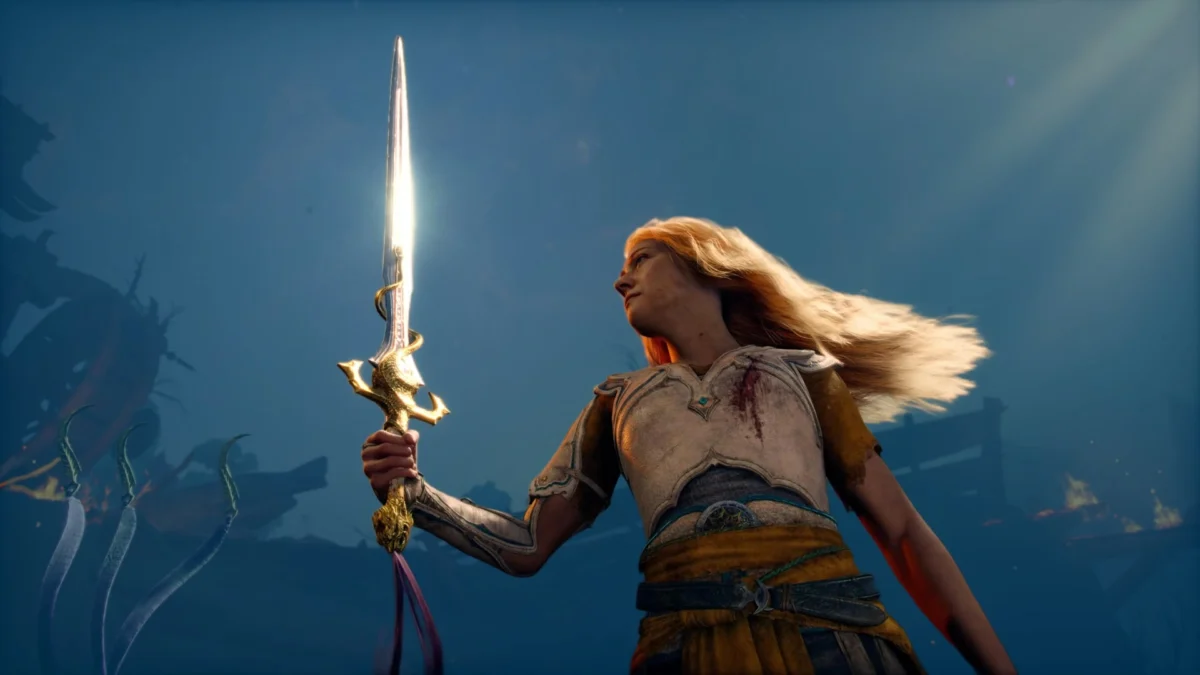
Deborah Ann Woll, the actress reprising her role as the legendary giantess Laufey in the upcoming PlayStation 5 exclusive God of War Laufey, has publicly addressed the wave of online criticism directed at the project following its initial reveal. Speaking at Florida Supercon during an interview with content creator quinnphobic, Woll expressed a sense of calm and professional confidence regarding the title, which is currently one of the most anticipated—and debated—entries in the long-running Sony Interactive Entertainment franchise. The actress emphasized that while the game may not appeal to every demographic, the quality of the production remains beyond reproach, stating firmly that "in no universe is it bad."
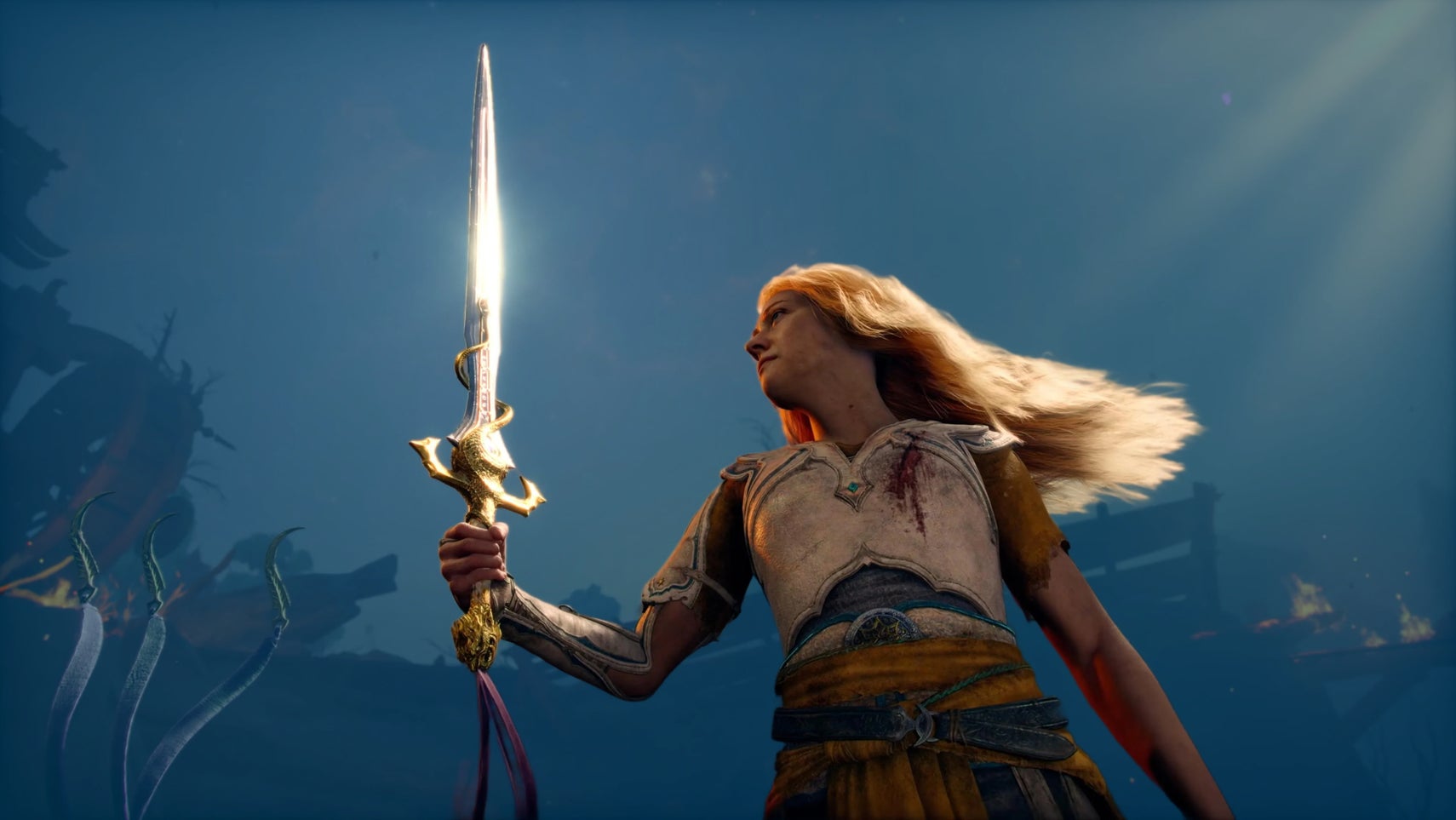
The discourse surrounding God of War Laufey intensified following its debut trailer at the State of Play in June 2026. While many fans celebrated the opportunity to explore the backstory of Kratos’s late wife—a character whose presence loomed large but was never seen in the flesh during the 2018 Norse reboot—a vocal segment of the online community took aim at the character’s visual design. This backlash, often centered on the perceived "realism" of character models and the physical appearance of Woll herself, has become a recurring theme in modern triple-A gaming reveals. Despite the vitriol, Woll remains "totally unbothered," attributing her resilience to a lack of social media engagement and a deep-seated belief in the creative vision of Santa Monica Studio.
A Chronology of Development: From Concept to Controversy
The journey of God of War Laufey began much earlier than its 2026 announcement. Internal documents and retrospective interviews suggest that the concept for a standalone or prequel-style narrative focusing on Laufey (also known as Faye) was pitched as far back as 2018. During the development of the first Norse-inspired God of War, creative leads at Santa Monica Studio explored various ways to depict the "Guardian of the Jötnar," eventually deciding that her mystery was more impactful if she remained off-screen.
However, the overwhelming success of the Norse saga and the character’s pivotal role in the prophecy of Ragnarök led to the formal greenlighting of a project dedicated to her history. In 2026, Sony officially unveiled the title, showcasing a gameplay style that bridges the gap between different eras of the franchise. The timeline for the project indicates a long-tail development cycle, with a projected release window currently set for 2027. This five-to-six-year development period is consistent with modern high-fidelity titles, allowing for the implementation of advanced physics and narrative depth.
One of the more peculiar technical highlights mentioned during early development discussions was the inclusion of a "jelly cube" mechanic. While initially sounding like an abstract technical term, it reportedly refers to a sophisticated soft-body physics system used for environmental hazards or specific magical abilities tied to Laufey’s giant heritage. This level of technical ambition suggests that the game is intended to push the hardware limits of the PlayStation 5 and potentially its rumored mid-generation successors.
The Combat Evolution: Merging Eras
A significant point of interest for long-time fans of the series is the mechanical direction of God of War Laufey. Early reports and trailer analysis confirm that the game intends to meld the "Classic" combat style of the original PlayStation 2 and PlayStation 3 trilogy with the "Modern" over-the-shoulder tactical approach introduced in 2018.
Laufey is depicted as a swift, agile warrior, utilizing her legendary Leviathan Axe before it was passed to Kratos, alongside a variety of Jötunn magic. This hybrid system aims to provide the high-speed, vertical mobility found in the Greek era while maintaining the cinematic weight and intimacy of the Norse era. The inclusion of more Kratos-focused content has also been teased, suggesting that the game may feature dual-narrative paths or significant flashback sequences that allow players to control the Ghost of Sparta in a more traditional hack-and-slash capacity.
The Physical Media Debate and Industry Shift
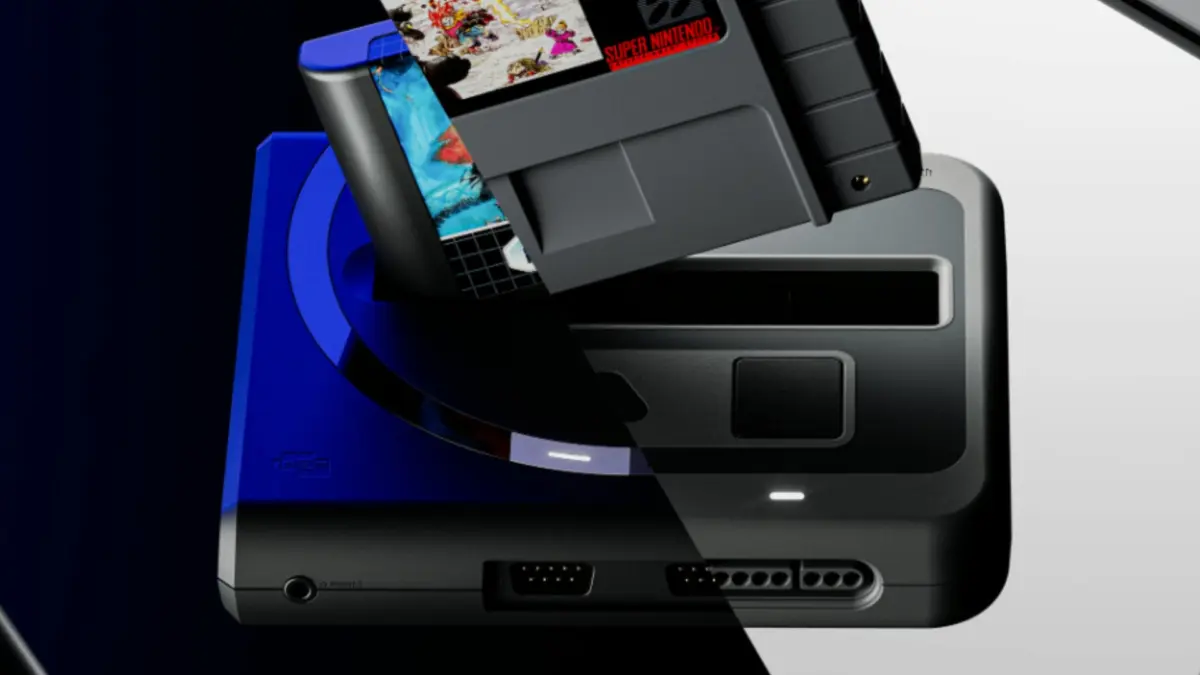
In an era where the gaming industry is rapidly pivoting toward a digital-only future, God of War Laufey has become a focal point for the "physical media" movement. Despite PlayStation’s recent corporate announcements suggesting a gradual winding down of physical media production to streamline business costs, Sony has confirmed that God of War Laufey will receive a full physical disc release.
This decision is seen by industry analysts as a strategic move to appease a core collector base that remains wary of digital licensing models. The confirmation of a disc release serves as a bridge between the old guard of gaming and the new digital-first landscape, ensuring that one of the platform’s flagship titles remains accessible to those who prefer tangible ownership. Data from recent fiscal quarters shows that while digital sales account for over 70% of software revenue for Sony, "tentpole" exclusives like God of War still see a significant 30-40% of their initial launch sales come from physical retailers.
Casting Dynamics and the God of War TV Series
The controversy regarding Deborah Ann Woll’s appearance in the game is juxtaposed against the broader casting news within the God of War ecosystem. As Santa Monica Studio handles the digital likenesses in the gaming world, Amazon Prime Video is simultaneously moving forward with a live-action God of War television adaptation.
The TV series recently faced its own set of hurdles following an on-set accident involving actor Ryan Hurst. Hurst, who famously voiced Thor in God of War Ragnarök, was originally slated for a significant role in the series—rumored to be a live-action version of a major Norse deity. However, following an injury that impeded his ability to perform the rigorous stunt work required for the role, the production has announced a recasting. This news has sparked a separate conversation among fans about the physical demands placed on actors within the franchise, whether they are performing motion capture for a game or appearing on a soundstage for a streaming series.

Analysis: The Impact of Fandom Volatility on Creative Talent
The "unbothered" stance taken by Deborah Ann Woll highlights a growing trend among high-profile actors in the gaming industry. As "review bombing" and aesthetic-based harassment become more prevalent, studios and their talent are increasingly insulating themselves from social media feedback loops.
Woll’s professional background—spanning major television hits like True Blood and her fan-favorite portrayal of Karen Page in Marvel’s Daredevil—has likely prepared her for the scrutiny that comes with established fanbases. Her defense of the game’s quality ("in no universe is it bad") suggests a high level of internal satisfaction with the narrative and mechanical polish of the project. This sentiment is often echoed by developers at Santa Monica Studio, who have historically maintained a high "Metacritic" standard, with the last two entries in the series both scoring above 90.
The backlash against God of War Laufey also reflects a broader cultural friction within the gaming community regarding the depiction of female protagonists. Similar patterns were observed during the marketing phases of Horizon Forbidden West and the Fable reboot. In those instances, initial negative reactions to character models were often overshadowed by strong sales and critical acclaim upon release. Industry experts suggest that the "silent majority" of players remains focused on gameplay and story, while the vocal minority drives the early narrative on social media platforms.
Looking Ahead to 2027
As God of War Laufey continues its development journey toward a 2027 release, the focus is expected to shift from character aesthetics to technical performance and narrative scope. With the promise of more Kratos, a return to classic combat elements, and the exploration of the most enigmatic figure in the Norse saga, the game is positioned to be a cornerstone of the PlayStation 5’s late-lifecycle library.
For now, the project remains a testament to the complexities of modern game development—where technical innovation and artistic vision must navigate a landscape of high expectations and digital volatility. Deborah Ann Woll’s refusal to be swayed by the "anguish" of the online community serves as a definitive statement on the project’s direction: the creators are confident in the "tea" they are brewing, regardless of whether every player finds it to their particular taste.
Sony is expected to release a second gameplay-focused trailer in mid-2027, which will likely provide a deeper look at the "jelly cube" mechanics and the dual-timeline structure that has been the subject of so much speculation. Until then, the industry will be watching closely to see if the "Laufey" prequel can match the monumental impact of its predecessors.