Garick Elordi
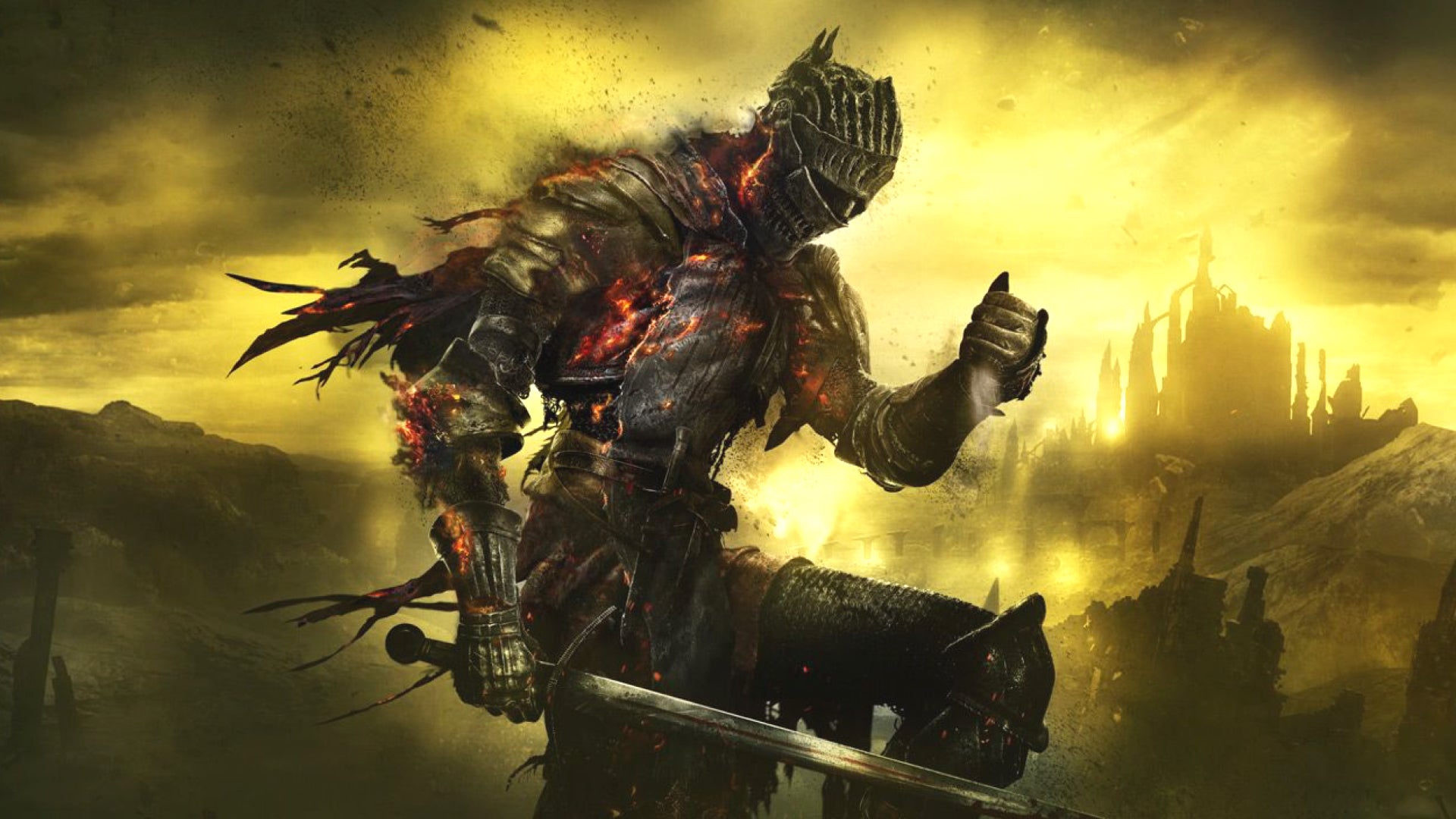
The release of Dark Souls III in 2016 marked a pivotal moment in contemporary gaming history, serving as the atmospheric and mechanical culmination of a franchise that redefined the action role-playing genre. Developed by FromSoftware and directed by Hidetaka Miyazaki, the title arrived at a time when the "Soulsborne" subgenre was transitioning from a niche, cult-favorite series into a global mainstream phenomenon. As the game celebrates a decade of influence, its standing as a masterclass in level design, boss choreography, and environmental storytelling remains unchallenged, even as the studio’s later works, such as Elden Ring, have expanded the formula into open-world territories.
Dark Souls III was tasked with a difficult dual mandate: it needed to provide a satisfying conclusion to the convoluted lore of the First Flame while reconciling the experimental mechanics of Dark Souls II with the high-speed, aggressive combat seen in the 2015 PlayStation 4 exclusive, Bloodborne. The result was a polished, high-fidelity experience that maintained the series’ signature difficulty while introducing a fluidity that had previously been absent from the trilogies’ more deliberate, "tank-like" movement systems.
The Evolution of the Souls Formula: A Brief Chronology
To understand the significance of Dark Souls III, one must examine the rapid evolution of FromSoftware’s output between 2009 and 2016. The journey began with Demon’s Souls, which established the core tenets of the genre: punishing difficulty, stamina-based combat, and a cryptic narrative. This was followed by the 2011 release of the original Dark Souls, a game lauded for its vertically integrated, interconnected world design.
In 2014, Dark Souls II introduced significant mechanical changes, including the "Agility" stat and the "Bonfire Ascetic" system, though it faced criticism for a perceived lack of world cohesion and the absence of Miyazaki as lead director. The 2015 release of Bloodborne shifted the paradigm again, forcing players to abandon shields in favor of a "rally" system that rewarded aggressive play. When Dark Souls III launched in 2016, it effectively synthesized these disparate elements. It brought back the classic medieval fantasy aesthetic and shield-based defense of the original games but incorporated the faster animations and multi-phase boss encounters that Bloodborne had perfected.
Technical Milestones and Commercial Performance
Upon its release, Dark Souls III set new commercial records for its publisher, Bandai Namco Entertainment. Within its first month, the game sold over three million copies worldwide, making it the fastest-selling title in the publisher’s history at the time. By May 2020, FromSoftware confirmed that the game had surpassed 10 million units sold, contributing significantly to the franchise’s total sales of over 27 million.

Technically, the game represented a significant leap forward for the studio. Utilizing an evolved version of the engine used for Bloodborne, Dark Souls III featured vastly improved lighting, particle effects, and cloth physics. While the base console versions initially targeted 30 frames per second (FPS), subsequent patches and the release of next-generation hardware—specifically the PlayStation 5 and Xbox Series X/S—eventually allowed the game to run at a stable 60 FPS. This technical overhead was essential for the game’s combat, which demanded frame-perfect reactions during high-intensity encounters.
Architectural Design and the World of Lothric
The world of Dark Souls III, known as Lothric, is often described as a "convergence." The game’s narrative premise—that the lands of the Lords of Cinder are shifting and colliding as the world approaches its end—provided a thematic justification for a more linear world structure compared to the original Dark Souls. While some critics initially lamented the loss of the "metroidvania" style shortcuts that defined Lordran, others praised the individual complexity of the game’s zones.
Areas such as the Cathedral of the Deep and the Grand Archives are cited by level design experts as some of the finest examples in the genre. These self-contained hubs utilize verticality and looping paths to create a sense of scale without requiring a traditional open world. The aesthetic design also reached a zenith in this entry; the "dreg heap" visual style, characterized by crumbling gothic spires and a sickly, eclipsed sun, perfectly captured the "end of days" atmosphere that the series had been building toward for a decade.

Combat Mechanics and the "Weapon Arts" Innovation
One of the most significant mechanical additions in Dark Souls III was the "Weapon Arts" (later known as Combat Arts) system. This gave every weapon in the game a unique special ability or stance, consuming a "Focus Points" (FP) bar. This system added a layer of tactical depth to both Player vs. Environment (PvE) and Player vs. Player (PvP) encounters, allowing for more diverse character builds.
The boss encounters in Dark Souls III are widely considered the gold standard for the trilogy. The game moved away from the "group" bosses or "puzzle" bosses that were occasionally criticized in earlier entries, focusing instead on intense, one-on-one duels with complex AI. Key encounters such as the Abyss Watchers, Pontiff Sulyvahn, and the Nameless King are frequently cited in "best of" lists for their mechanical fairness and cinematic presentation. The final boss of the base game, the Soul of Cinder, served as a mechanical homage to the entire series, cycling through different player-class movesets and concluding with a musical and thematic callback to the original game’s final encounter.
The Legacy of the DLC: Expanding the Narrative
The post-launch support for Dark Souls III further cemented its legacy. Two major expansions, Ashes of Ariandel and The Ringed City, provided a definitive end to the series’ overarching story. The Ringed City, in particular, is noted for its extreme difficulty and its breathtaking vistas, taking players to the literal end of the world to fight for the "Blood of the Dark Soul."

The final encounter of the DLC, a battle against Slave Knight Gael, is often regarded by the community as the true ending of the franchise. It distilled the "Souls" experience into its purest form: two nobodies fighting over the remains of a dying world at the end of time. This expansion also introduced some of the most challenging boss fights in the studio’s history, including the formidable Darkeater Midir, who set the template for dragon encounters in future titles.
Industry Impact and the Rise of the "Souls-like"
The success of Dark Souls III solidified the "Souls-like" as a legitimate and permanent genre within the gaming industry. Following its success, numerous developers sought to replicate its formula, leading to the creation of titles like Nioh, The Surge, and Mortal Shell. Even mainstream franchises began adopting elements of the Souls formula, such as "corpse-run" mechanics and stamina-based combat, as seen in Star Wars Jedi: Fallen Order.
Furthermore, the game’s community remains one of the most active in the industry. From high-level PvP tournaments to "no-hit" speedruns and extensive modding projects—such as the "Archthrones" total conversion mod—Dark Souls III continues to generate content and engagement ten years after its debut. The "Covenant" system, despite some technical hurdles, fostered a unique multiplayer environment that blended cooperative help with antagonistic invasions, a hallmark of the series’ social experiment.

Conclusion: A Masterpiece in Retrospect
While FromSoftware has since moved on to the massive success of Elden Ring and the return of the Armored Core franchise, Dark Souls III occupies a unique space in the studio’s portfolio. It is the most refined version of the original "corridor-based" Souls formula, offering a level of polish and mechanical tightness that is difficult to achieve in larger, open-world environments.
As players continue to return to Lothric, the game’s themes of cycles, decay, and the inevitability of change resonate as strongly as they did in 2016. Dark Souls III did not just finish a trilogy; it perfected a language of game design that continues to influence how developers approach challenge, storytelling, and player agency. For many, it remains the definitive Souls experience—a beautifully doomed world that players are more than happy to be trapped in, time and time again.