Garick Elordi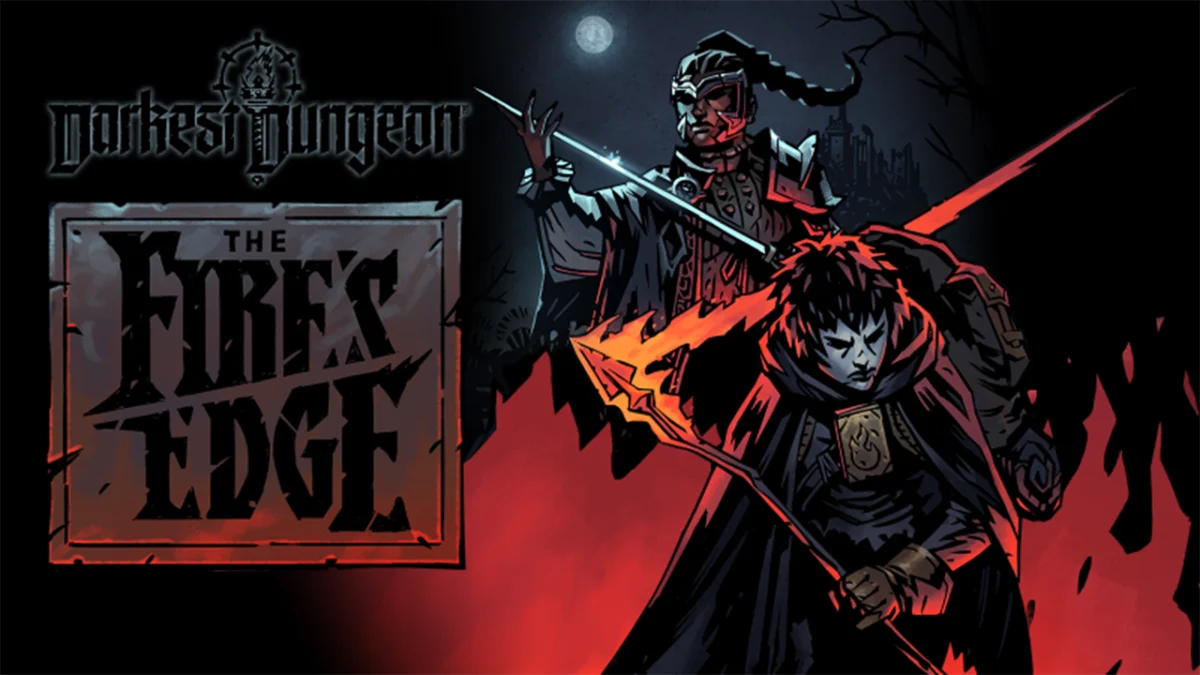
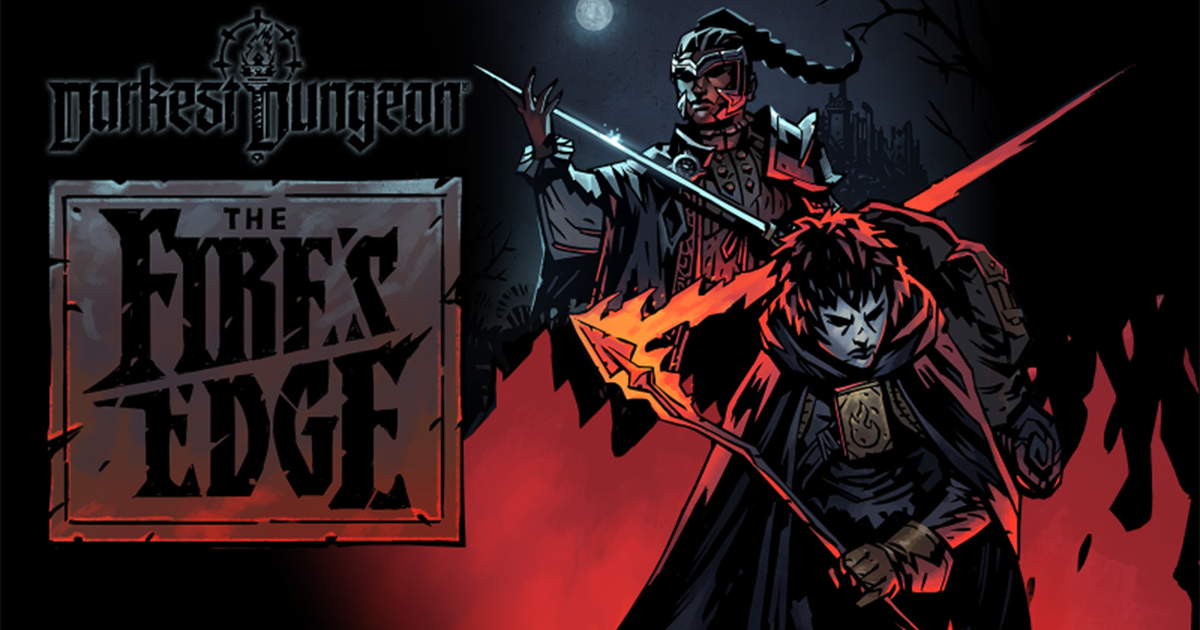
Red Hook Studios, the independent developer behind the critically acclaimed gothic roguelike franchise, has surprised its global player base by announcing a significant new expansion for the original Darkest Dungeon. Titled "The Fire’s Edge," this downloadable content (DLC) marks a rare return to a legacy title nearly a decade after its initial release. The update is designed to bridge the mechanical and thematic gaps between the 2016 original and its 2023 sequel, Darkest Dungeon II, by introducing fan-favorite characters and combat systems that were previously exclusive to the second installment.
The announcement comes at a pivotal time for the studio. While Darkest Dungeon II was met with generally positive critical reviews, maintaining an 82 on Metacritic, it faced a more polarized reception from the core community compared to its predecessor. The original game remains a cornerstone of the indie RPG genre, boasting an "Overwhelmingly Positive" rating on Steam with over 115,000 reviews. By returning to the first game, Red Hook Studios appears to be acknowledging the enduring legacy of the title that established their reputation while simultaneously rewarding the long-term loyalty of its foundational audience.
Core Features of The Fire’s Edge
The centerpiece of The Fire’s Edge is the introduction of two hero classes originally debuted in Darkest Dungeon II: the Duelist and the Runaway. Their transition from the 3D environment of the sequel back to the iconic 2D hand-drawn aesthetic of the original requires a complete visual and mechanical overhaul to fit the first game’s grid-based, four-slot combat system.
The Duelist is described as a complex damage dealer capable of "dancing" between the party’s ranks. In the context of the original Darkest Dungeon, movement-based heroes like the Shieldbreaker and the Jester have traditionally been high-skill, high-reward options. The Duelist brings a unique stance-swapping mechanic, allowing players to toggle between aggressive and defensive postures. This versatility is expected to significantly alter party composition strategies, particularly in high-level "Stygian" or "Bloodmoon" difficulty runs where positioning is often the difference between victory and a total party wipe.
The Runaway represents a more fundamental shift in the game’s elemental ecosystem. As a "position-flexible" damage dealer, her primary contribution is the introduction of the Burn mechanic. While the original game relied heavily on Bleed and Blight as its primary damage-over-time (DoT) effects, the Runaway introduces a third pillar of attrition. To support this, Red Hook is implementing a systemic update to the game’s combat engine to recognize Burn as a distinct status effect, complete with its own resistances and synergies.
Beyond the heroes, the DLC introduces three new districts for the Hamlet: the Academie Duello, the Craftworks, and the Archaeological Base Camp. Districts, introduced in the "Crimson Court" expansion, provide permanent, estate-wide buffs that require significant resources to construct. These new additions are expected to provide specialized upgrades for the new hero classes and perhaps offer new ways to interact with the game’s existing loot and trinket systems.
A Chronology of the Darkest Dungeon Franchise
To understand the significance of this update, one must look at the timeline of Red Hook Studios’ development cycle. The original Darkest Dungeon began as a highly successful Kickstarter campaign in 2014, raising over $300,000. It entered Steam Early Access in 2015 and saw its full release on January 19, 2016.
Over the next four years, the game received several major expansions:
- The Crimson Court (2017): Introduced a massive new dungeon wing, a vampire-themed infection mechanic, and the Flagellant hero.
- The Color of Madness (2018): Added a wave-based survival mode and cosmic-horror-themed enemies inspired by H.P. Lovecraft’s "The Colour Out of Space."
- The Butcher’s Circus (2020): A free update that added a dedicated PvP arena mode, a first for the franchise.
When Darkest Dungeon II was announced, it signaled a departure from the "estate management" style of the first game in favor of a roguelike "road trip" structure. This shift, while innovative, left a segment of the fan base yearning for the claustrophobic, permanent-progression feel of the original Hamlet. The Fire’s Edge serves as a mechanical bridge, proving that the characters and ideas developed for the sequel can thrive within the framework of the original’s design.
Mechanical Revisions and Data Analysis
The introduction of "The Fire’s Edge" is not merely an additive update; it includes a comprehensive rework of the game’s trinket system. In the original Darkest Dungeon, trinkets served as the primary method of hero customization, though many players felt that certain "meta" trinkets—such as the Focus Ring or Blasphemous Vial—overshadowed more niche options.
Red Hook has indicated that the rework will introduce new mechanics to these items, likely to accommodate the Burn status effect and the unique needs of the Duelist’s stance-swapping. Data from community-run wikis and spreadsheets suggests that the current meta favors high Accuracy (ACC) and Damage (DMG) builds. The introduction of the Runaway’s Burn mechanic could potentially shift this balance, offering a viable alternative to the traditional "Blight-heavy" compositions used in the Cove or "Bleed-heavy" teams used in the Warrens.
Furthermore, the addition of the Runaway and Duelist brings the total hero roster of the original game to 19 (excluding the Musketeer, which is a reskin of the Arbalest). This increases the mathematical permutations for party compositions by a significant margin, providing veteran players with thousands of new tactical combinations to test against the game’s toughest bosses.
Official Positioning and Community Response
While Red Hook Studios has not issued a formal press conference regarding the decision to return to a ten-year-old title, the studio’s communication via Steam and official blogs suggests a philosophy of "franchise stewardship." In a recent update, the developers noted that the first game’s 10th anniversary (approaching in 2026) served as a catalyst for looking back at what made the original so resonant.

The community response has been largely celebratory. On platforms such as Reddit and Discord, players have expressed surprise that a studio would dedicate resources to a legacy title while their current flagship is still in active development. This move is seen as a gesture of goodwill, particularly for players who preferred the 2D art style and the permanent progression of the Hamlet over the localized runs of the sequel.
However, some industry analysts suggest that this move is also a strategic diversification. By updating the original game, Red Hook ensures that their entire catalog remains "evergreen." This is particularly important given the original game’s availability on a wide range of platforms, including PC, PlayStation 4, PlayStation Vita, Xbox One, Nintendo Switch, and iOS. Ensuring the original game feels modern and content-rich encourages new sales from players who may have discovered the franchise through the sequel.
Broader Implications for the Roguelike Genre
The release of The Fire’s Edge on August 18th sets a notable precedent in the indie gaming industry. It is increasingly common for "live service" games to receive updates for a decade, but for a traditionally structured, single-player RPG to receive a paid expansion so long after its successor has launched is an anomaly.
This "retro-active" development style suggests that Red Hook views Darkest Dungeon not as a series of iterative sequels that replace one another, but as a platform of varied experiences. The two games offer fundamentally different gameplay loops: the first is a marathon of resource management and long-term attrition, while the second is a focused, cinematic journey of character relationships.
By bringing sequel content to the original, Red Hook is effectively creating a "shared universe" of mechanics. This could indicate that future updates for Darkest Dungeon II—already teased for an early 2027 release—might similarly draw inspiration or even direct content from the first game, creating a reciprocal relationship between the two titles.
As the August 18th launch date approaches, the focus will shift to how these new heroes integrate into the existing balance. The original Darkest Dungeon is famously unforgiving, and the introduction of "The Fire’s Edge" will provide the ultimate test: can the new blood survive the old horrors? For the millions of players who have seen their heroes perish in the ruins, the weald, and the cove, this update offers a compelling reason to return to the Hamlet and face the darkness once more.