Vera Intan Clara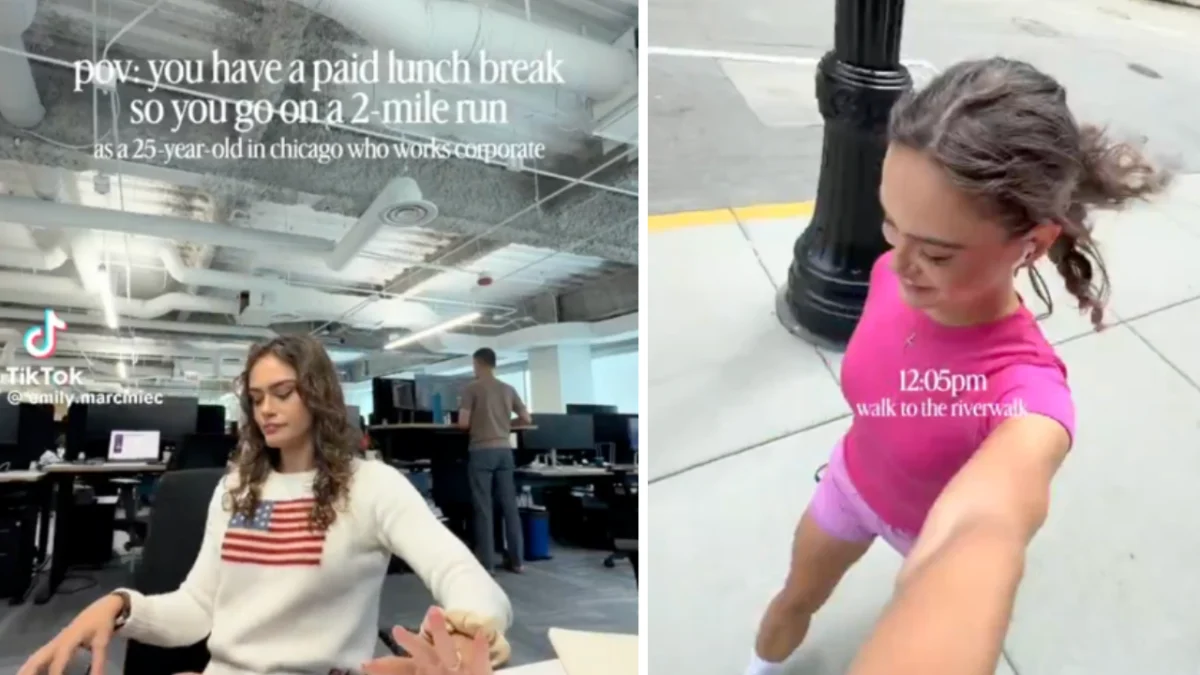
A video posted to X (formerly Twitter) on July 24, 2026, has ignited a widespread discussion online after a 25-year-old woman, employed in a full-time corporate office job, shared her innovative method for integrating a 2-mile run into her demanding workday. The viral clip meticulously details her strategic approach to fitting physical activity into a rigorous corporate schedule, demonstrating that even amidst the pressures of a busy professional environment, space for personal well-being can be carved out. This act of reclaiming a lunch break for an invigorating run has resonated with millions, prompting a diverse range of reactions concerning employee wellness, corporate amenities, and the evolving expectations of modern work-life integration.
The video, which quickly garnered significant traction across social media platforms, opens with the young professional diligently working at her computer, emblematic of the focused corporate environment. As the clock approached her designated lunch break, a pivot in her routine became evident. Instead of heading to a cafeteria or a desk-side meal, she made her way to her office’s dedicated locker room facilities. There, she efficiently changed into her athletic wear, signaling a clear intention to engage in strenuous physical activity despite the professional backdrop of her day. This immediate shift from professional attire to running gear underscored her commitment to personal health, challenging traditional notions of how lunch breaks are typically utilized in the corporate sphere.
Once prepared, she embarked on her 2-mile journey through the bustling streets of Chicago. The urban environment, characterized by its vibrant energy and architectural grandeur, served as her impromptu running track. Despite the "brutal summer" conditions, a phrase often used to describe Chicago’s humid and hot July weather, she maintained a remarkable pace, completing her run in approximately 17 minutes. Her account highlighted the unexpected challenges of urban running, specifically citing the constant need to "dodge pedestrians walking on the path," a common hurdle for city runners navigating crowded sidewalks. The precision of her schedule was striking: she commenced her run at 12:09 PM, and by 12:26 PM, she had not only completed her second mile but was already on her return journey to the office. Upon her return, she utilized the office’s shower facilities to refresh herself, subsequently changing back into her professional attire, ready to resume her desk duties for the remainder of the workday. This seamless integration of intense physical activity, personal hygiene, and professional commitment within a compact timeframe served as a powerful testament to her discipline and meticulous planning, igniting a broader discourse on the feasibility and desirability of such routines.
The Evolving Corporate Landscape: Wellness and Amenities
The woman’s routine sheds light on a significant shift within the corporate world: the increasing emphasis on employee wellness and the provision of amenities designed to support a healthier workforce. Modern office designs are progressively incorporating facilities like gyms, locker rooms, and shower stalls, moving beyond mere aesthetic appeal to functional support for employee well-being. This trend is not merely a perk but often a strategic investment by companies. Research from institutions like the American Psychological Association consistently demonstrates a correlation between employee well-being and productivity, engagement, and retention. Companies that prioritize health and wellness initiatives report lower absenteeism rates, reduced healthcare costs, and a more positive organizational culture.
The presence of such facilities in her Chicago office suggests a forward-thinking employer environment, one that understands the intrinsic value of supporting employees’ holistic health. For many years, the standard corporate lunch break was often synonymous with a quick meal, either at one’s desk or in a designated breakroom. However, as awareness of sedentary lifestyles’ detrimental effects has grown, coupled with an increased focus on mental health, organizations are exploring ways to encourage physical activity and mental breaks. A 2023 survey by the Society for Human Resource Management (SHRM) indicated that over 60% of companies now offer some form of wellness program, with a growing number providing on-site fitness facilities or subsidies for external gym memberships. This represents a tangible shift from viewing exercise as solely a personal endeavor to recognizing it as an integral component of a productive and sustainable workforce.
A Digital Divide: Reactions and Societal Commentary on X
The response to the woman’s video on X was markedly mixed, quickly evolving into a microcosm of broader societal debates regarding labor, privilege, and contemporary work expectations. The caption accompanying the post, which sarcastically remarked, "We’re in such an incredible time now that laborers spend their midday breaks running through the hot sun for pleasure. Imagine telling this to the masses of peasants," set an immediate provocative tone, framing the discussion within historical and socio-economic contexts.
While a segment of the online audience expressed admiration for the woman’s dedication and efficiency, many others found her routine "a bit weird" or even elitist. Critiques frequently targeted her perceived job status, despite the video not explicitly stating her role. One prominent comment read, "You are no laborer. You’re an overpaid seat warmer," reflecting a sentiment that her ability to engage in such an activity was a privilege not afforded to all workers. Another commenter questioned the authenticity of her workplace, stating, "No real office has a shower…This is just a daycare," implying that such amenities are luxuries reserved for a select few, not typical corporate environments. These reactions underscore a prevailing tension between different segments of the workforce, highlighting disparities in job flexibility, access to resources, and the perceived value of various types of labor.
Conversely, a significant number of users offered staunch support. One individual pointed out the prevalence of such practices in other cultures, stating, "This is absolutely normal in Europe btw." This comment opened a discussion on international work norms, where longer, more active lunch breaks are often more common and culturally accepted. In many European countries, the lunch break is viewed as a substantial period for rest, social interaction, or personal activities, rather than merely a brief interlude for eating. Another supportive user encapsulated the aspirations of many younger professionals: "Dude, she is 25 working corporate. Imagine someone not wanting to be miserable and making the most out of an office job." This particular comment resonated with a demographic increasingly prioritizing work-life balance and seeking to integrate personal well-being into their professional lives, rather than viewing work solely as a means to an end.
Generational Shifts in Work-Life Philosophy
The age of the woman in the video – 25 years old – is particularly relevant to the discussion. Millennials and Gen Z, who now constitute a significant portion of the global workforce, often exhibit different priorities compared to previous generations. These younger demographics frequently place a higher value on work-life integration, mental health, and personal fulfillment alongside career progression. They are more likely to seek employers who support their well-being and offer flexibility, rather than strictly adhering to traditional, rigid work structures. This generational shift contributes to the demand for amenities like on-site fitness facilities and a more flexible approach to utilizing break times. The idea of "making the most out of an office job" often translates into optimizing time for personal growth, health, and hobbies, even within the confines of the workday.
Expert Insights: HR, Fitness, and Urban Planning Weigh In
To provide a more comprehensive analysis of the viral phenomenon, insights from relevant professional fields offer valuable context.
-
HR Perspectives on Flexible Breaks:
Dr. Eleanor Vance, a veteran HR consultant specializing in corporate wellness, suggests, "This video perfectly illustrates the evolving expectations of the modern workforce. Forward-thinking companies are recognizing that employee well-being isn’t just a nice-to-have; it’s a strategic imperative. Offering flexible break options and supporting facilities isn’t about coddling employees; it’s about fostering a productive, engaged, and loyal team. While not every job or company can accommodate a midday run, the principle of empowering employees to manage their personal health during work hours is becoming a cornerstone of competitive HR strategy." She adds that such initiatives can significantly boost morale and reduce burnout, particularly in high-stress corporate environments. -
Fitness Professionals on Micro-Workouts:
Mark Jensen, a certified personal trainer and advocate for active lifestyles, commented on the efficacy of such short, intense workouts. "A 17-minute, 2-mile run is an excellent way to elevate heart rate, improve cardiovascular health, and provide a mental reset. For someone with a sedentary desk job, even short bursts of exercise can counteract the negative effects of prolonged sitting. The psychological benefits are equally profound – clearing your head, boosting endorphins, and returning to work with renewed focus. This woman exemplifies how to effectively leverage limited time for maximum health benefit." He emphasizes that consistency, even in short durations, is key to long-term health. -
Urban Planners and Pedestrian Infrastructure:
The challenge of "dodging pedestrians" highlights a common urban planning dilemma. Sarah Chen, an urban planning specialist focusing on pedestrian mobility, notes, "As cities become denser and more people opt for active transport or integrate exercise into their daily routines, the pressure on pedestrian infrastructure intensifies. We need to design urban spaces that safely accommodate diverse users – commuters, tourists, and increasingly, those using public spaces for exercise. This includes wider sidewalks, dedicated running lanes where feasible, and clear signage to minimize conflicts and enhance safety for everyone." The incident underscores the need for continuous adaptation of urban infrastructure to evolving citizen behaviors and needs.
Beyond the Break: Implications for the Future of Work
The viral video and its subsequent discussion carry significant implications for the future of work, influencing corporate culture, policy, and individual choice.
-
Impact on Office Design and Corporate Policy:
The demand for wellness facilities within office spaces is likely to grow, pushing companies to invest further in amenities that support employee health. This could lead to a broader adoption of on-site gyms, wellness rooms, and flexible work policies that encourage employees to take active breaks. Companies that fail to adapt might find themselves at a disadvantage in attracting and retaining talent, particularly among younger generations who prioritize these aspects. -
Productivity vs. Well-being: A Rebalanced Equation:
The debate also signifies a rebalancing of the traditional "productivity at all costs" mindset. There’s a growing recognition that true, sustainable productivity is intrinsically linked to employee well-being. A refreshed, healthy employee is often a more creative, focused, and resilient employee. This shift encourages employers to view time spent on personal well-being during the workday not as a loss of productivity but as an investment in it. -
The Accessibility Question: Not All Workplaces Are Equal:
Crucially, the discussion also highlights the stark reality that not all jobs or workplaces offer the same level of flexibility or access to facilities. Workers in sectors such as manufacturing, retail, or service industries often have highly structured breaks, limited facilities, and less autonomy over their schedules. This disparity underscores a broader socio-economic issue, where opportunities for well-being integration remain unevenly distributed across the labor market. The conversation, therefore, must extend beyond corporate offices to consider how all workers, regardless of their profession, can be supported in maintaining their health.
Conclusion: A Catalyst for Discussion
The 25-year-old corporate worker’s midday run, captured and shared on X, has become far more than a simple video; it is a powerful catalyst for a global discussion. It encapsulates the aspirations of a generation seeking greater integration of personal well-being into professional life, challenges traditional notions of work and leisure, and exposes the existing disparities in workplace opportunities. While The Daily Dot was unable to independently verify all claims made in the viral post, the publicly available video and the ensuing cascade of reactions on X have unequivocally demonstrated the profound resonance of this topic. As workplaces continue to evolve, stories like this will undoubtedly shape future policies, architectural designs, and societal expectations regarding the intricate balance between career demands and individual health, prompting a re-evaluation of what it truly means to be a "productive" and "well" employee in the 21st century.