Garick Elordi
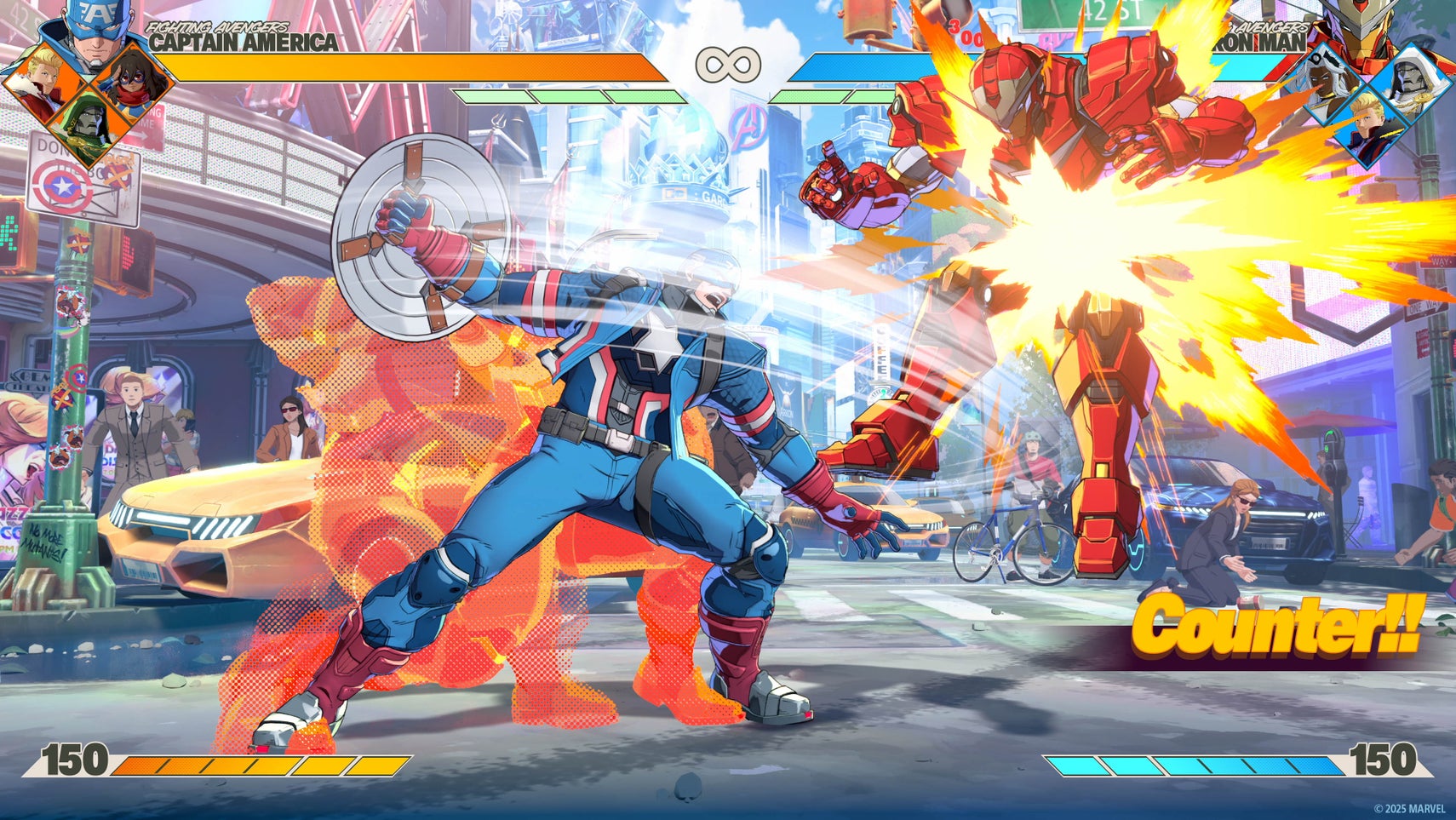
The highly anticipated open beta for Marvel Tōkon: Fighting Souls has arrived on PC, but the launch has been marred by a significant array of technical hurdles, performance bottlenecks, and controversial regional restrictions. As players flock to the latest superhero tag-team fighter, a wave of negative feedback regarding the PC port’s stability has forced developer Arc System Works to issue a formal apology and a series of emergency troubleshooting guidelines. The issues, ranging from inefficient CPU utilization to mandatory account linking, have raised concerns about the game’s readiness for its scheduled global release on August 6, 2026.
Technical Instability and Hardware Optimization Concerns
Since the beta went live, PC users have reported a stark contrast between the game’s visual fidelity and its actual performance. Social media platforms, particularly Reddit and X (formerly Twitter), have become hubs for players documenting severe frame rate drops, stuttering, and inconsistent input recognition. One of the most prominent complaints involves the game’s internal architecture, which reportedly fails to utilize modern multi-core processors effectively.
Technical analysis from the community suggests that the game "hammers" a single CPU thread, a problem often attributed to the complexities of porting software originally designed for the PlayStation 5’s specific hardware architecture. This single-thread bottleneck is further exacerbated by the presence of anti-cheat software and multiple background processes. Reports indicate that at least five distinct Sony sub-services remain active at all times while the game is running, leading to significant overhead that impacts lower-end and mid-range hardware.
The disparity in performance has led to colorful, albeit frustrated, metaphors from the player base. One widely circulated comment compared the demo’s performance to "a retired stripper," suggesting that while the outward appearance remains, the underlying "engine" is no longer capable of performing at the required intensity. For a genre as dependent on frame-perfect precision as fighting games, these optimization failures are more than just a visual nuisance; they are a fundamental barrier to competitive play.
Input Buffering and Gameplay Mechanics
Beyond the raw performance data, veteran fighting game enthusiasts have identified systemic issues with the game’s input handling. In fighting games, "input buffering" refers to the window of time the game allows a player to input a command before the character is ready to execute it. This system ensures that complex motions—such as the "Dragon Punch" (DP) or "Quarter-Circle Forward" (QCF)—register smoothly during high-speed combat.
According to feedback from the Marvel Tōkon subreddit, the input buffering in the current PC build is described as "virtually nonexistent." Players have reported that the game frequently misinterprets complex motion inputs. For example, attempting to cancel a normal attack into a special move often results in the game disregarding the initial directional inputs if they are not performed with impossible frame-perfect timing. This lack of a generous buffer window makes combos feel inconsistent and unresponsive, a critical flaw for a title developed by Arc System Works, a studio otherwise renowned for the fluid mechanics found in the Guilty Gear and BlazBlue franchises.
The PlayStation Network Controversy and Regional Accessibility
The technical woes of the PC version are compounded by a broader geopolitical and corporate controversy regarding Sony’s PlayStation Network (PSN) requirements. Much like the recent launches of Helldivers 2 and the PC port of Ghost of Tsushima, Marvel Tōkon: Fighting Souls requires PC players to sign into a PSN account to access the beta and the full game.
This requirement has had two major negative effects. First, it introduces an additional layer of friction for users who must re-authenticate their accounts frequently, with players reporting that the game prompts a sign-in every time the application is launched. Second, and more significantly, this policy has resulted in the game being blocked in over 130 countries where the PlayStation Network is not officially supported.
This "regional lockout" has sparked a debate within the gaming community regarding the ethics of selling or marketing a game in territories where players are technically unable to fulfill the account requirements. For a brand as globally recognized as Marvel, the inability of fans in over 100 countries to participate in the "Fighting Souls" experience is seen as a major missed opportunity and a point of contention for international players.
Chronology of the Marvel Tōkon Development
The journey of Marvel Tōkon: Fighting Souls has been a high-profile one, beginning with its initial reveal by Arc System Works last year. The studio, famous for its high-quality 2D and 2.5D animation styles, seemed a natural fit for the Marvel universe.
- Late 2025: Arc System Works and Marvel Games announce a partnership to create a new tag-team fighter, emphasizing a return to the "assist-based" gameplay popular in classic crossover titles.
- Early 2026: The "Samurai Outriders" trailer debuts, showcasing the game’s unique aesthetic and introducing characters like Magik and Peni Parker.
- July 2026: The open beta is launched on PlayStation 5 and PC to test network stability and balance the 20-character roster.
- July 25, 2026: Following a weekend of intense community backlash regarding the PC port, Arc System Works issues a formal apology via social media.
- August 6, 2026: The official worldwide release date for PC and PS5.
Official Developer Response and Temporary Workarounds
In response to the mounting criticism, the development team at Arc System Works took to social media on July 25 to acknowledge the situation. "We’re aware of the gameplay and performance issues currently affecting the PC version of MARVEL Tōkon: Fighting Souls," the statement read. "Our team is actively investigating these issues and working on a fix. We’ll share an update as soon as we have more information."
Recognizing that a formal patch may take time, the developers also shared a thread of "community-suggested" troubleshooting steps. While the team clarified that these are not "officially confirmed fixes," they offered potential relief for struggling players. These suggestions include:
- Shader Warmup: Enabling the "execute shader warmup" setting in the graphics menu to reduce mid-match stuttering.
- Upscaler Adjustment: Utilizing DLSS or FSR settings, though some players report these have limited impact due to the CPU-bound nature of the performance issues.
- Background Service Management: Manually ensuring that secondary Sony services are not being throttled by Windows power-saving settings.
Despite these suggestions, many players on the official forums report that the improvements are marginal, suggesting that the core of the problem lies deep within the game’s engine or the porting process itself.

Roster and Gameplay Expectations
Despite the technical cloud hanging over the beta, the game itself boasts an impressive and diverse roster that spans the breadth of the Marvel Multiverse. The confirmed launch lineup includes 20 characters, designed to offer a variety of playstyles:
- X-Men Representatives: Storm, Magik, Wolverine, and Danger.
- Avengers and Street-Level Heroes: Spider-Man, Ms. Marvel, Captain America, Iron Man, Black Panther, Hulk, and Blade.
- Cosmic and Multiversal Figures: Star-Lord, Peni Parker, Doctor Doom, and Loki.
- Anti-Heroes and Villains: Magneto, Green Goblin, Carnage, Ghost Rider, and Deadpool.
The game utilizes a tag-team system where players select a primary fighter and an assist character, allowing for complex "cross-over" combos and defensive maneuvers. When the game functions correctly, it has been praised for its vibrant art style and faithful recreation of comic book abilities. However, the current state of the PC version threatens to overshadow these creative achievements.
Broader Implications for PC Gaming and Porting Standards
The struggle of Marvel Tōkon: Fighting Souls highlights a recurring trend in the modern gaming industry: the "unoptimized PC port." As developers push the limits of current-generation consoles like the PS5, the transition to the highly variable world of PC hardware becomes increasingly difficult.
Industry analysts suggest that the reliance on "wrapper" technologies—which allow console code to run on Windows—often leads to the single-thread CPU issues seen here. Furthermore, the mandatory integration of platform-specific services (like PSN) adds layers of complexity that can interfere with a game’s core loop.
For Arc System Works, a developer that has historically enjoyed a positive relationship with the PC community, this beta serves as a critical wake-up call. The success of the game’s August 6 launch depends heavily on whether the studio can implement architecture-level optimizations in less than two weeks. If the launch build mirrors the beta’s performance, Marvel Tōkon: Fighting Souls risks joining the ranks of high-profile titles whose reputations were permanently damaged by a rocky technical debut.
As the beta continues, the fighting game community remains divided between excitement for the Marvel IP and trepidation over the technical execution. All eyes now turn to the final week of July, as players await a substantial update that could potentially save the "Fighting Souls" experience for the PC audience.