Galang Taruna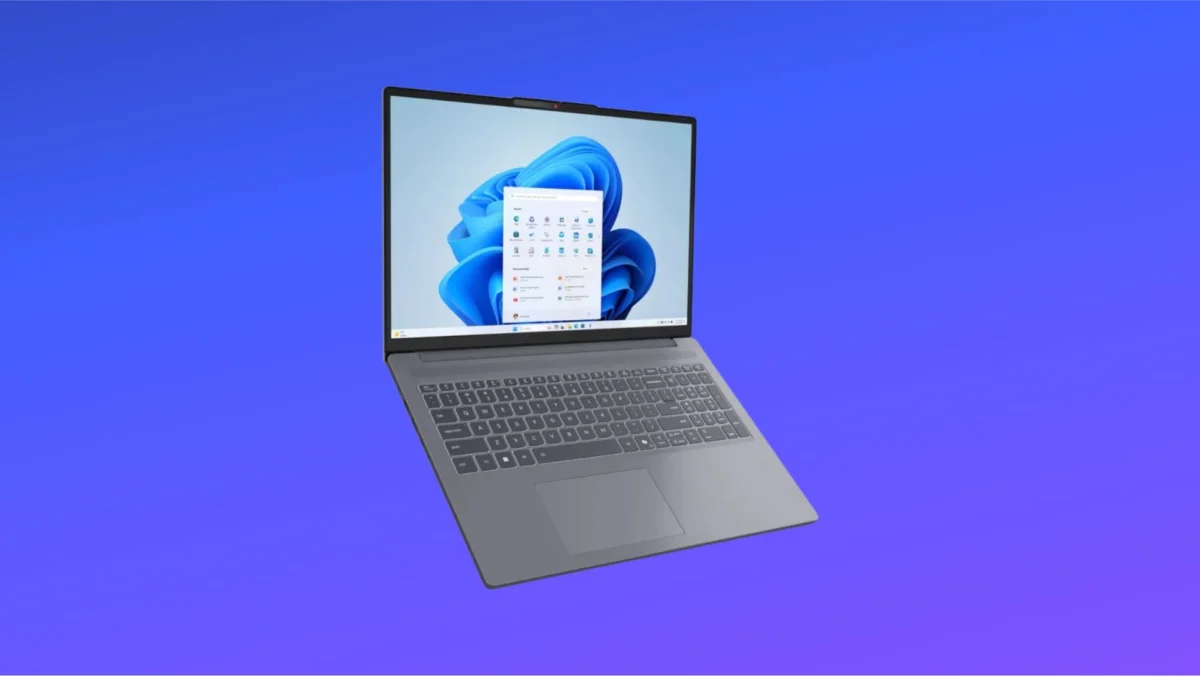
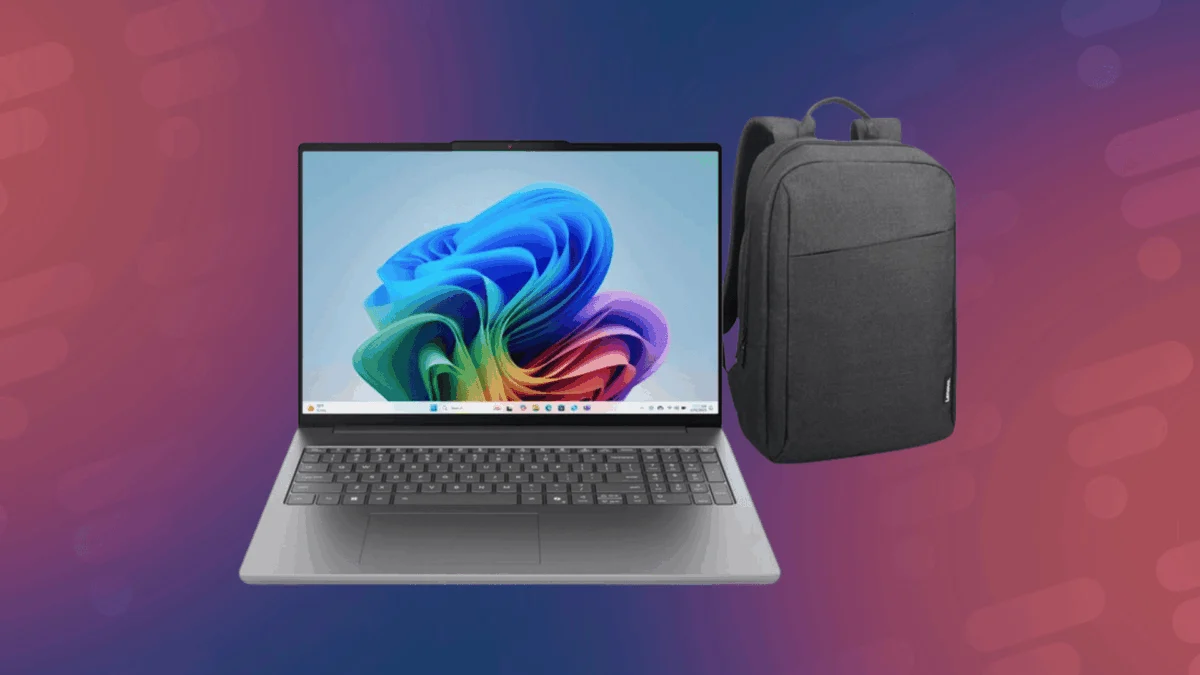
In a significant move to address the burgeoning demand for cost-effective computing solutions, French e-commerce giant Cdiscount is offering the Lenovo IdeaPad Slim 3, a robust laptop designed for office and family use, at a compelling price point. Originally listed at 549.99 euros, the device is now available for 499.99 euros when customers apply the promotional code 50D399INFO. This reduction positions the laptop as an attractive option for consumers seeking a large-screen experience without exceeding a critical psychological price threshold, especially in a market characterized by volatile component pricing. The specific model, identified as the IdeaPad Slim 3 16ARP10-83K800BAFR, represents a strategic offering from Lenovo, balancing performance with affordability.
The Economic Landscape and the Value Proposition
The current economic climate has placed considerable pressure on consumer electronics markets, with global supply chain disruptions and increased demand contributing to significant price fluctuations for crucial components. Notably, the cost of RAM (Random Access Memory) modules has reportedly more than doubled in recent periods, a trend that typically translates to higher retail prices for end-user devices. Against this backdrop, the availability of a well-specified 16-inch laptop, complete with 16 GB of DDR5 RAM and a 512 GB SSD, falling below the 500-euro mark, is a rare occurrence and underscores the strategic intent behind this Cdiscount promotion. This deal effectively mitigates some of the inflationary pressures on consumers, providing access to essential computing power at a more accessible price. The absence of a pre-installed operating system (OS) further contributes to the lower upfront cost, offering users the flexibility to install Windows, a Linux distribution, or another preferred OS, tailoring the machine to their specific needs and potentially saving on licensing fees. This "barebones" approach has become increasingly popular among budget-conscious buyers and those with specific software preferences.
Lenovo’s Market Strategy and Product Evolution
Lenovo, a global leader in PC manufacturing, has long been recognized for its diverse product portfolio, catering to various market segments from high-end professional workstations to entry-level consumer devices. The IdeaPad series, in particular, is positioned to offer a balance of performance, design, and affordability, targeting students, home users, and small business professionals. The IdeaPad Slim 3 line exemplifies this strategy, focusing on providing essential functionality and a comfortable user experience without unnecessary premium features that would inflate the price.
Over the past decade, the evolution of budget laptops has seen significant advancements. What was once considered a compromise in performance or build quality has now matured into a segment offering capable machines for everyday tasks. Processors have become more efficient, storage technologies faster, and displays more vibrant, even in the lower price brackets. This particular IdeaPad Slim 3, equipped with a modern AMD Ryzen processor and DDR5 RAM, is a testament to this ongoing improvement, demonstrating how manufacturers are working to deliver enhanced value despite external market pressures. This continuous product evolution, coupled with aggressive retail strategies like Cdiscount’s, ensures that consumers can still find compelling deals that meet their practical computing requirements.
Detailed Examination of the Lenovo IdeaPad Slim 3
The Lenovo IdeaPad Slim 3 16ARP10-83K800BAFR is engineered for everyday productivity and multimedia consumption, rather than demanding tasks like professional gaming or intensive video editing. Its design philosophy prioritizes a large viewing area and comfortable usage within a relatively portable form factor for its class.
Design and Ergonomics:
Weighing 1.68 kg and measuring 360 x 251 x 17.9/18.9 mm, the IdeaPad Slim 3 falls squarely within the average weight and thickness for a 16-inch laptop. While not an ultra-lightweight contender designed for constant on-the-go professionals, it remains manageable for transport between home, office, or campus. Its robust construction suggests durability for daily use, making it suitable as a primary home computer or a reliable machine for students. The aesthetic is clean and functional, aligning with Lenovo’s reputation for understated yet practical design. The focus here is clearly on usability and screen real estate, rather than extreme portability.
Display Specifications and User Experience:
A cornerstone of this laptop’s appeal is its expansive 16-inch IPS display. The panel boasts a resolution of 1920 x 1200 pixels, resulting in a 16:10 aspect ratio. This slightly taller aspect ratio, compared to the more common 16:9, provides additional vertical screen real estate, which is particularly beneficial for productivity tasks such as document editing, web browsing, and spreadsheet management, allowing more content to be viewed without constant scrolling. The IPS technology ensures wide viewing angles and consistent color reproduction, crucial for shared viewing experiences or collaborative work. Furthermore, the anti-reflective coating on the screen helps to minimize glare from ambient light sources, enhancing visibility and reducing eye strain during prolonged use, particularly in well-lit indoor environments.
However, the display specifications also highlight its target market. With a maximum brightness of 300 nits, the laptop is primarily optimized for indoor use. Outdoor visibility under direct sunlight would be challenging. The 60 Hz refresh rate is standard for productivity laptops and perfectly adequate for office applications and casual media consumption, but it is not suited for high-refresh-rate gaming. Similarly, the color coverage, limited to 45% NTSC, indicates that this display is not designed for color-critical professional work like graphic design, photo editing, or video production, where broader color gamuts and higher accuracy are essential. For its intended purpose of general computing, however, the display offers a clear, comfortable, and adequately large canvas.
Performance and Internal Hardware:
Under the hood, the Lenovo IdeaPad Slim 3 is powered by an AMD Ryzen 5 150 processor. This CPU features 6 cores and 12 threads, providing a solid foundation for multitasking and running demanding applications. With a base frequency of 3.3 GHz and a boost clock reaching up to 4.55 GHz, the processor can handle a wide range of tasks efficiently, from complex spreadsheets and presentations to web browsing with numerous tabs open, and even light creative tasks. The integrated graphics, an AMD Radeon 660M, handles graphical output. While not a dedicated gaming GPU, it is capable of running older or less graphically intensive games and accelerating multimedia playback, ensuring a smooth visual experience for its target audience.
Complementing the processor is 16 GB of DDR5 RAM. This is a significant inclusion at this price point, especially considering the recent surge in RAM costs. DDR5 RAM offers faster data transfer rates compared to previous generations, contributing to overall system responsiveness and improved multitasking capabilities. The generous 512 GB SSD (Solid State Drive) provides ample storage for applications, documents, and media files, while also ensuring rapid boot times and quick application loading. The combination of a modern multi-core processor, ample and fast RAM, and speedy SSD storage delivers a coherent and capable performance profile that is perfectly aligned with the laptop’s positioning as a versatile family or office machine. A notable point, however, is that the RAM configuration is fixed and cannot be upgraded by the user. While 16 GB is sufficient for most users today, this limitation means the machine’s memory capacity is set for its entire lifespan, which could be a consideration for future-proofing.
Connectivity and Wireless Capabilities:
The connectivity suite of the IdeaPad Slim 3 is practical and covers most common usage scenarios. It includes two USB-A 3.2 Gen 1 ports, offering reliable connections for peripherals such as external drives, mice, and keyboards. A single USB-C 3.2 Gen 1 port provides modern connectivity, supporting data transfer and potentially external display output (though functionality may vary). For external display connectivity, an HDMI 1.4 port is included. While HDMI 1.4 is sufficient for 1080p resolutions at 60Hz and some 4K resolutions at lower refresh rates, it represents a more modest standard compared to newer HDMI 2.0 or 2.1 versions, which offer greater bandwidth for higher resolutions and refresh rates. This aligns with the laptop’s general productivity focus rather than high-end multimedia or gaming. A combined headphone/microphone jack caters to audio needs, and an SD card reader provides convenient access for transferring photos and other media from cameras or mobile devices.
Wireless connectivity is handled by Wi-Fi 6, ensuring fast and stable internet connections on compatible networks, and Bluetooth 5.3, facilitating seamless pairing with wireless peripherals like headphones, speakers, and input devices. These modern wireless standards contribute to a smooth and untethered user experience, critical for both home and office environments.
Battery Life Considerations:
Lenovo suggests a "full day" of autonomy for the IdeaPad Slim 3, a claim that, while common in marketing, should always be taken with a degree of caution. Real-world battery life is highly dependent on usage patterns, screen brightness, background applications, and network activity. For a laptop of this size and internal specifications, users can reasonably expect several hours of productivity on a single charge under typical mixed-use conditions, making it suitable for unburdened use throughout a workday or multiple study sessions, though heavy tasks or continuous video streaming will naturally reduce this duration.
Implications for Consumers and the Broader Market
This Cdiscount offer for the Lenovo IdeaPad Slim 3 holds several key implications for consumers and the broader laptop market. Firstly, it democratizes access to relatively powerful computing hardware, making a 16-inch laptop with 16GB RAM and a 512GB SSD attainable for a wider audience. This is particularly crucial for students and families who require reliable machines for education and remote work but operate under tight budgets.
Secondly, the "OS-less" nature of the deal presents both an opportunity and a challenge. For technologically adept users, or those with existing OS licenses, it’s a clear cost-saving advantage, allowing them to customize their software environment from scratch. For less experienced users, however, it means an additional step and potential cost to acquire and install an operating system, which might require some technical assistance. This approach does, however, foster greater awareness of alternative operating systems like various Linux distributions, which can offer robust and free computing experiences.
From a market perspective, promotions like this underscore the competitive dynamics among e-commerce platforms and PC manufacturers. Retailers like Cdiscount leverage such deals to attract traffic and reinforce their position as value providers, especially during periods of economic uncertainty. For Lenovo, it helps maintain market share in the crucial budget segment, ensuring its products remain competitive against offerings from other brands. The deal also highlights a trend where manufacturers and retailers are finding creative ways to package value, even when facing increasing upstream component costs.
Conclusion
The Lenovo IdeaPad Slim 3, offered at an exceptional price of 499.99 euros on Cdiscount with the promotional code 50D399INFO, represents a compelling proposition in today’s laptop market. It is not designed to be a high-performance gaming rig or a workstation for professional creatives, but rather a dependable, large-screen device for everyday productivity, family use, and educational purposes. Its solid configuration, featuring a modern AMD Ryzen processor, ample DDR5 RAM, and fast SSD storage, combined with a practical design and a robust set of connectivity options, delivers significant value. In an era where component costs are escalating, this deal stands out as a strategic offering that provides accessible computing power, making it an excellent choice for those prioritizing functionality and screen size within a constrained budget. Consumers willing to undertake the simple task of installing their preferred operating system will find this Lenovo IdeaPad Slim 3 to be a judicious and rewarding investment.