Metty Iskandar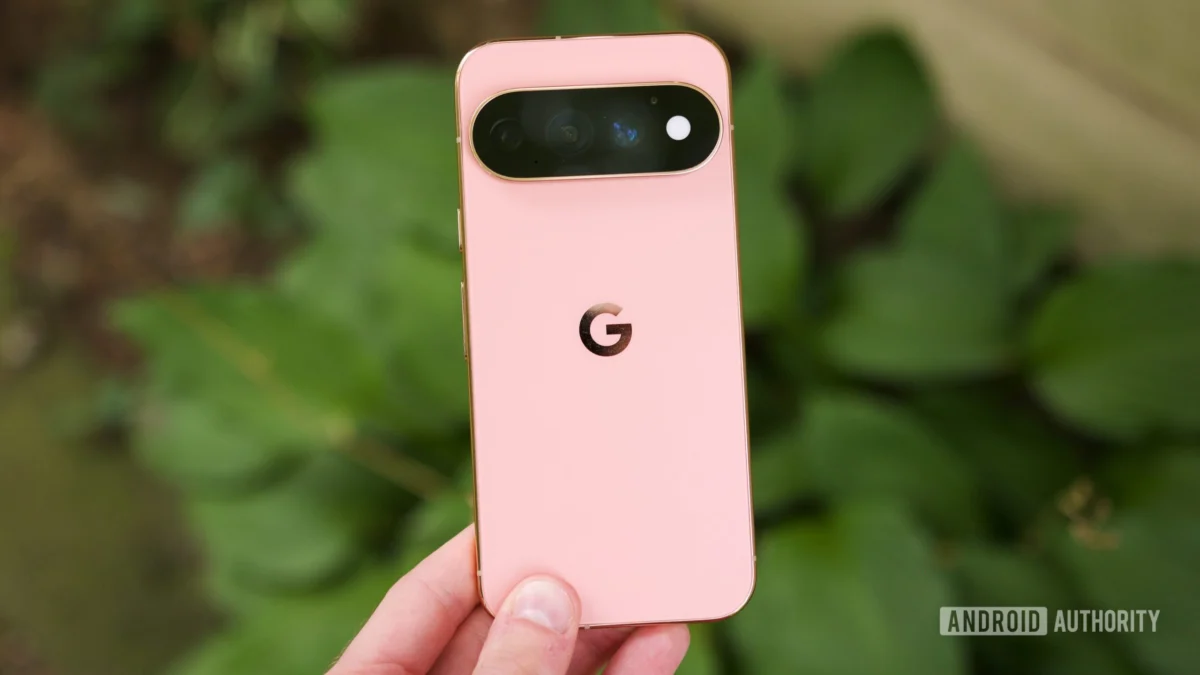
The latest iteration of Google’s flagship smartphone line, the Pixel 11 series, has continued the company’s investment in its proprietary Pixelsnap magnetic accessory system. This commitment, which debuted with the Pixel 10 family, signifies Google’s strategic alignment with the Qi2 wireless charging standard and positions the Pixel line as a significant player in the burgeoning Android magnetic accessory market, a space previously dominated by Apple’s MagSafe. While some users have expressed a desire for more significant updates in other areas, such as camera technology or battery capacity, the sustained focus on Pixelsnap suggests a deliberate strategy to cultivate a robust ecosystem of magnetic peripherals.
The Evolution of Magnetic Connectivity on Android
Pixelsnap was first introduced to the market with the Pixel 10 series in late 2023, marking a pivotal moment for Android smartphones. Google became the first major Android manufacturer to fully embrace the potential of magnetic accessories, directly mirroring Apple’s successful MagSafe technology. This move was met with enthusiasm by many Android users who had previously admired the convenience and versatility of MagSafe on iPhones. The initial concern among tech enthusiasts was whether this would be a fleeting feature or a sustained commitment. The Pixel 11 series appears to have definitively answered that question, demonstrating Google’s intention to develop and support this technological avenue.
The adoption of Qi2, a standard that leverages magnetic alignment for enhanced wireless charging efficiency and security, has been a key driver for this development. Qi2 aims to provide a more seamless and reliable wireless charging experience, akin to wired connections, by ensuring precise alignment between the charging puck and the device. Google’s early and dedicated implementation of Pixelsnap, built upon this standard, has positioned its devices to capitalize on the growing availability of Qi2-compatible accessories.
Sustained Ecosystem Development for Pixel 11
While the Made by Google announcements for the Pixel 11 series may have prioritized other hardware and software innovations, the underlying Pixelsnap ecosystem has not only persisted but has also seen considerable updates. Google has released a new range of Pixelsnap-compatible cases designed to seamlessly integrate with its four new Pixel 11 models. This expansion includes offerings from Google itself, as well as collaborations with established third-party accessory manufacturers such as dbrand, Spigen, Mous, Case-Mate, and Bellroy. These partnerships ensure a broad selection of cases available at launch, catering to diverse aesthetic preferences and protection needs, and are offered in a variety of colors to complement the new devices.
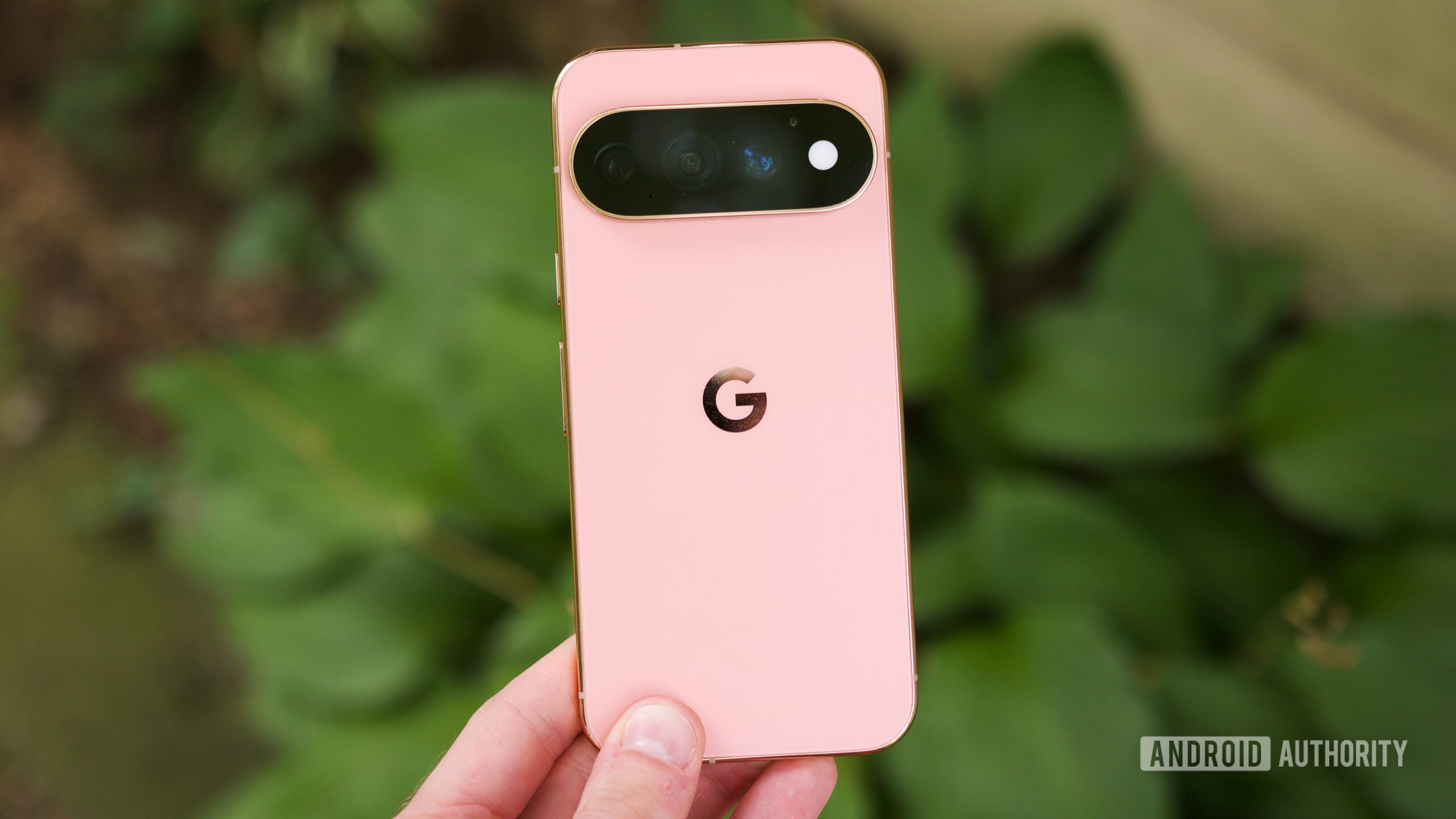
The popular Ring Stand accessory, first introduced with the Pixel 10, has also received an update. It is now available in colorways that precisely match the new Pixel 11 phone models. This attention to detail in color coordination enhances the overall user experience, allowing for a more cohesive and aesthetically pleasing integration of accessories with the devices.
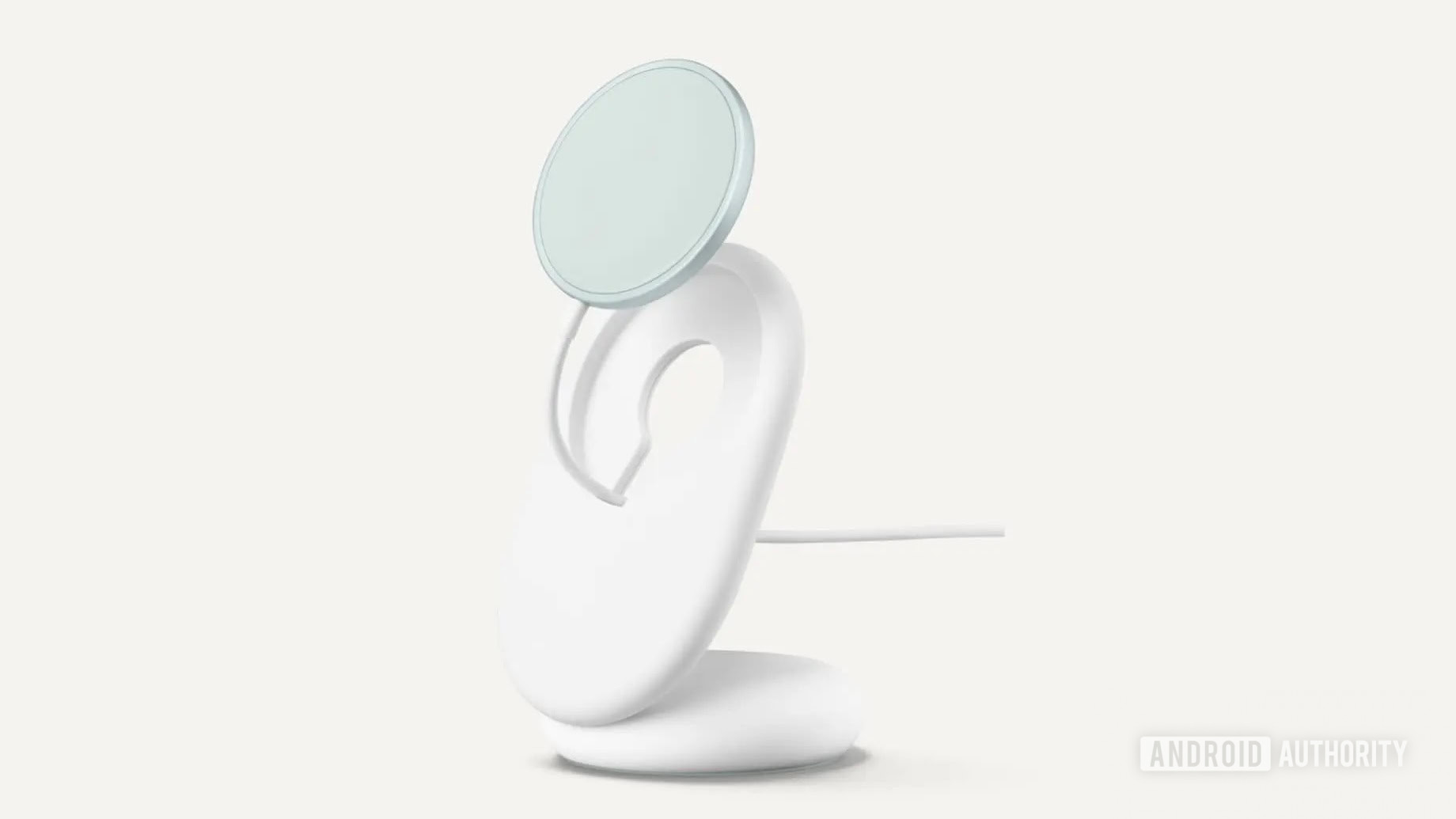
However, a minor point of contention has emerged regarding the Pixelsnap Charger Stand. While the stand itself is designed to hold a standard Pixelsnap puck, it appears to have foregone the color-matching trend seen in other accessories. For instance, the new "Fog" color, introduced across some Pixel 11 phones and peripherals, produces a two-tone effect when paired with the predominantly white charger stand. This inconsistency, while minor, detracts slightly from the otherwise meticulous aesthetic integration Google has striven for.
Google’s Unwavering Commitment to Qi2 Standard
The Pixelsnap system’s reliance on the Qi2 magnetic wireless charging standard underscores Google’s serious engagement with this technology. The Qi2 standard, formally established in April 2023, has been available for some time. Yet, in the broader Android landscape, Google stands out as one of the few major manufacturers to have fully committed to its potential.
While HMD Global, with its 2024 Skyline model, was an early adopter of full Qi2 compatibility on an Android handset, its market presence is comparatively smaller. Other prominent brands, while making some concessions towards magnetic accessories, have not demonstrated the same level of dedication.
Comparative Analysis: Samsung’s Approach to Magnetic Accessories
A clear contrast can be drawn by examining the accessory strategies of major competitors like Samsung. The recently launched Samsung Galaxy Z Fold 8 and the earlier Galaxy S26 series, direct rivals to the Pixel 11, present a different approach. While Samsung does offer magnetic accessories, they are often relegated to less prominent positions on product pages, typically appearing towards the bottom. This stands in stark contrast to Google’s prominent placement of Pixelsnap accessories near the top of its Pixel 11 store pages, signaling a clear priority.
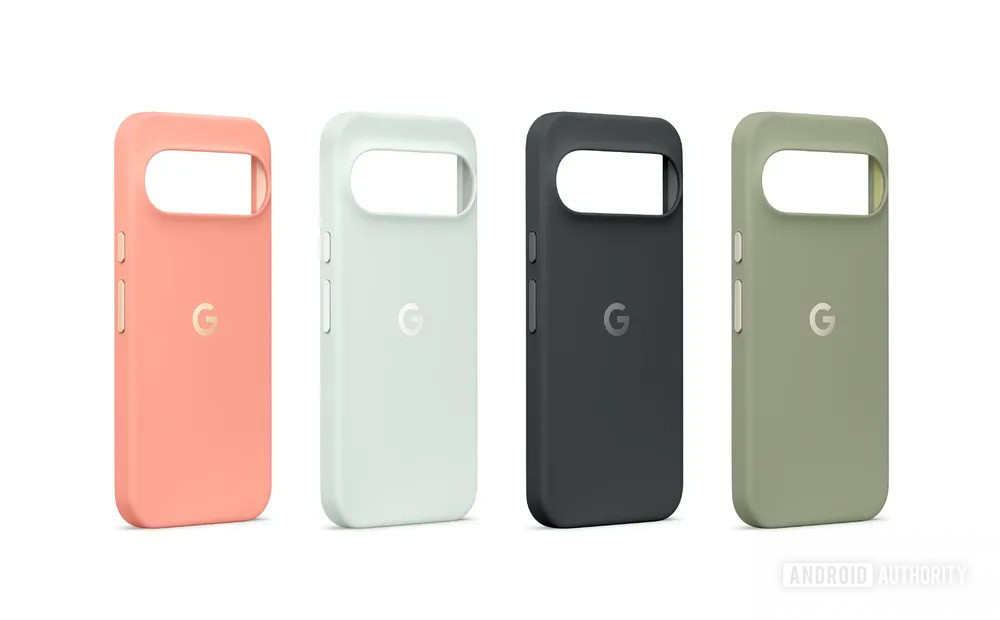
Furthermore, for users seeking to utilize Qi2 chargers with these Samsung devices, the requirement to first purchase a separate case is a notable inconvenience. Unlike the Pixel 11 series, which features integrated magnets within the phone itself, Samsung’s current flagship devices lack this built-in magnetic functionality. This necessitates an additional purchase and an extra step in the setup process, making the Pixelsnap experience demonstrably more streamlined and user-friendly for those invested in the magnetic accessory ecosystem. This difference highlights Google’s strategy of embedding magnetic compatibility at the core of its hardware design, rather than treating it as an optional add-on.
Analyzing the Implications of Sustained Magnetic Integration
Google’s continued investment in Pixelsnap, and by extension, Qi2, carries several significant implications for the mobile technology landscape.
-
Ecosystem Lock-in and User Loyalty: By fostering a dedicated ecosystem of magnetic accessories, Google aims to create a degree of user loyalty. Once users invest in Pixelsnap-compatible chargers, stands, wallets, and other peripherals, they are more likely to remain within the Pixel ecosystem for future phone upgrades to maintain compatibility and leverage their existing investments. This strategy mirrors Apple’s success with MagSafe, which has proven highly effective in retaining iPhone users.
-
Setting an Industry Standard for Android: Google’s prominent role in championing Qi2 on Android could encourage other manufacturers to accelerate their adoption of the standard. As more devices become Qi2-compatible, the market for magnetic accessories will expand, leading to greater competition, innovation, and potentially lower prices for consumers. This could eventually lead to a more unified magnetic accessory experience across the Android platform.
-
Enhanced User Experience and Convenience: The inherent convenience of magnetic alignment for wireless charging, secure mounting, and accessory attachment is undeniable. For users who value these benefits, the Pixel 11 series offers a superior out-of-the-box experience compared to Android devices that require additional cases for magnetic functionality. This can translate to quicker charging sessions, more stable mounting in car docks, and easier attachment of accessories like grips and wallets.
-
Potential for Future Innovation: With a stable magnetic foundation, Google is well-positioned to explore further innovations in accessory integration. This could include more advanced smart accessories that interact directly with the phone’s software, enhanced power-sharing capabilities, or novel form factors enabled by precise magnetic alignment.
Addressing User Concerns and the Future Outlook
It is acknowledged that not all consumers are enthusiastic about the inclusion of magnetic alignment systems in smartphones. Some users express concerns regarding potential interference with reverse wireless charging capabilities, a feature present on many flagship Android phones. Additionally, the integration of magnets, however slight, can contribute to the overall manufacturing cost of a device. A segment of the tech community also voices apprehension about perceived "copying" of Apple’s innovations, regardless of the merits of the technology itself.
However, the argument for adopting successful technologies, provided intellectual property rights are respected, is a pragmatic one. Google’s strategic decision to embrace magnetic accessories is a testament to its understanding of market trends and user desires. The company appears to have mitigated potential downsides, such as interference with reverse wireless charging, through careful engineering.
The question of longevity for the Pixelsnap system remains a subject of discussion. While the current commitment to the Pixel 11 series is strong, the mobile industry is characterized by rapid shifts and the introduction of new "gimmicks" aimed at generating headlines. The recent removal of the thermal sensor from the Pixel Pro models this year serves as a cautionary example, illustrating that even established features are not immune to discontinuation. This has led to speculation that Google might, in the future, deprioritize Pixelsnap in favor of an entirely new feature for the Pixel 12 series.
Despite these uncertainties, the continued presence and enhancement of the Pixelsnap ecosystem with the Pixel 11 series represent a significant step forward for magnetic accessory integration on Android. It demonstrates Google’s intent to build a compelling alternative to Apple’s MagSafe, offering consumers more choice and a richer, more convenient mobile experience. The hope among enthusiasts is that this commitment will endure, leading to further improvements and a more expansive array of innovative magnetic accessories in the years to come. The trajectory suggests that magnetic connectivity is no longer a niche feature but a fundamental aspect of modern smartphone design, and Google is firmly positioning itself at the forefront of this evolution within the Android ecosystem.