George Chandra Eka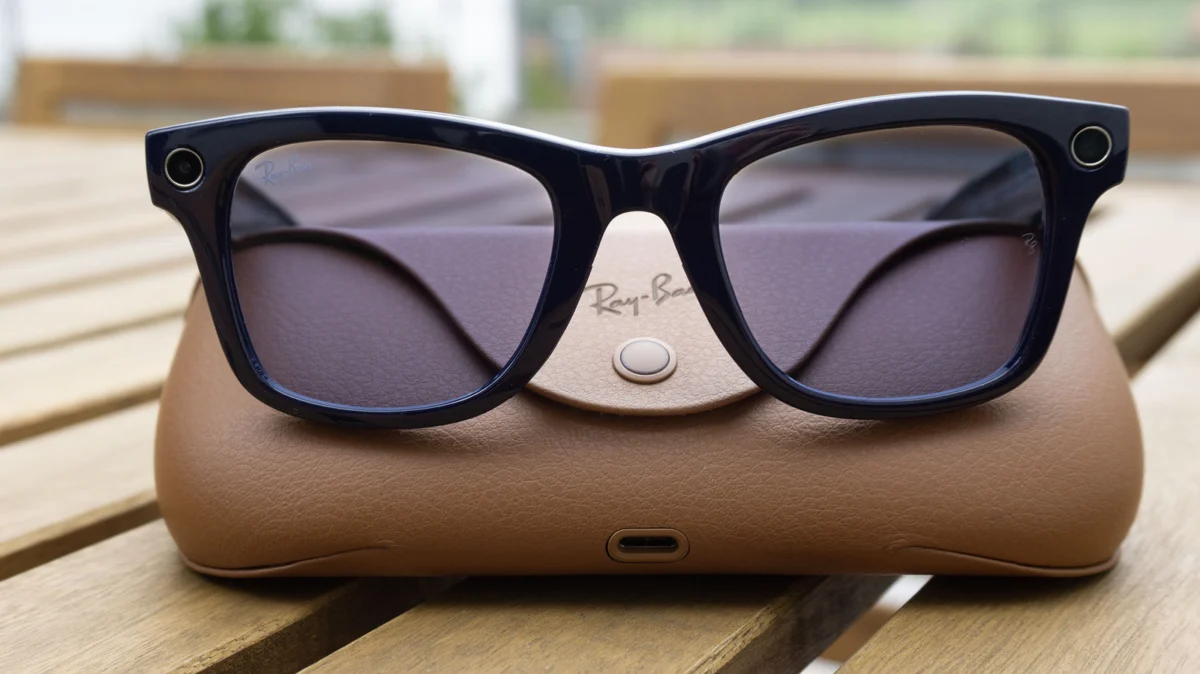
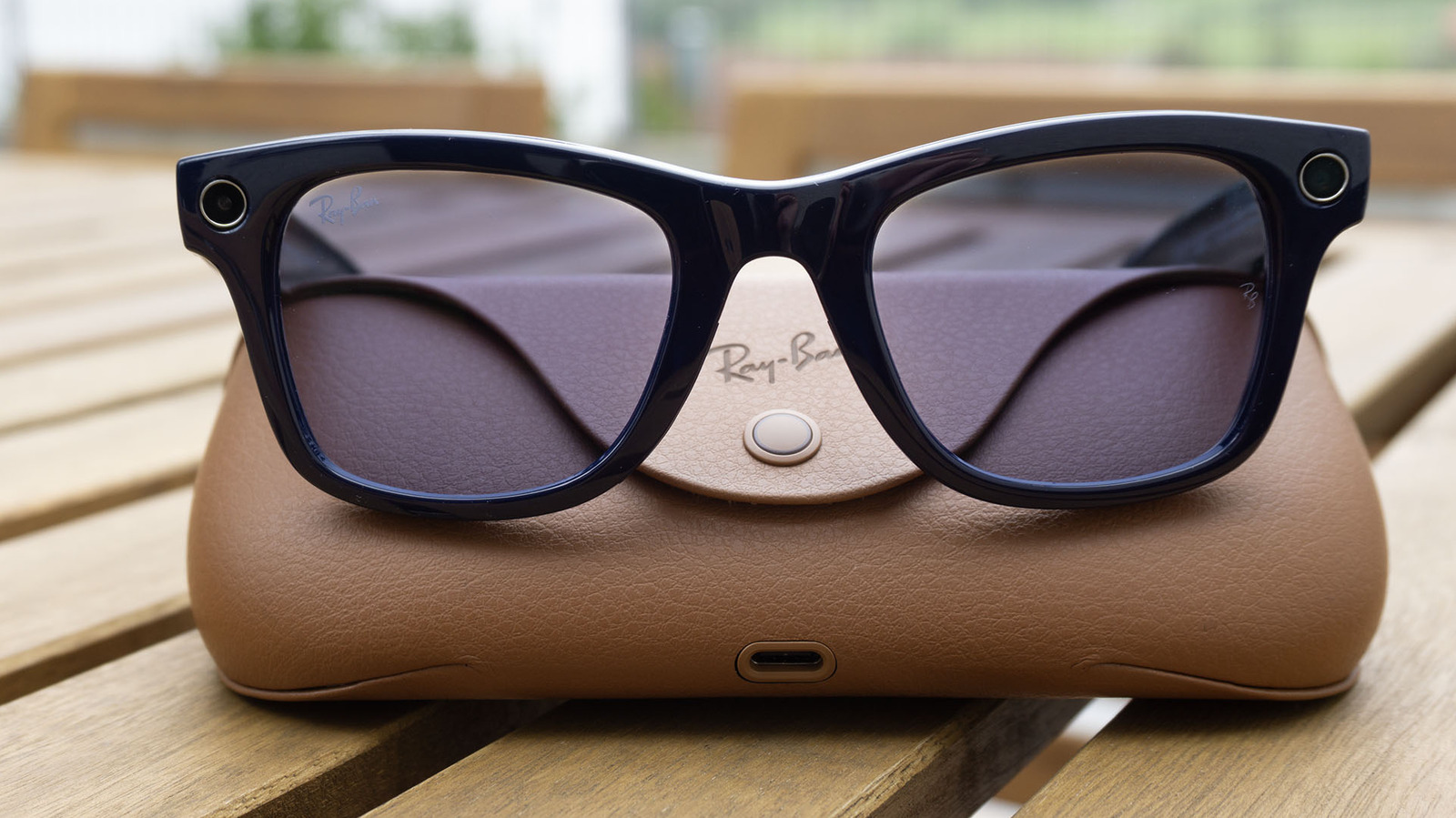
The advent of smart glasses, particularly Meta’s collaboration with Ray-Ban, has ignited a fierce debate surrounding personal privacy and data security. As these wearable devices become more sophisticated, offering features like integrated cameras, voice assistants, and artificial intelligence capabilities, public scrutiny intensifies, particularly given Meta’s complex history with user data. This article delves into the intricacies of data collection by Ray-Ban Meta glasses, exploring what information Meta can access, how it is used, and the measures users can take—or are unable to take—to safeguard their digital footprint.
The Evolution of Wearable Tech and Meta’s Privacy Predicament
Meta’s foray into smart eyewear began in 2021 with the launch of Ray-Ban Stories, a product met with both technological intrigue and significant privacy concerns. These early iterations, which allowed users to capture photos and videos, immediately raised questions about the potential for surreptitious recording and the broader implications for privacy in public spaces. The subsequent evolution of these glasses, culminating in models featuring advanced AI capabilities, has only amplified these anxieties.
Meta, formerly Facebook, has a well-documented past concerning data privacy, including high-profile incidents like the Cambridge Analytica scandal. This history has fostered a climate of distrust among many users, making them naturally wary of any new device that collects personal data, especially one designed to be worn on the face, capturing real-world interactions. The company’s vision of an "ambient computing" future, where technology seamlessly integrates into daily life, inherently relies on extensive data collection, positioning privacy as a central challenge to adoption and public acceptance.
Understanding Data Collection: A Layered Approach
The data Meta collects from its smart glasses is not monolithic; it varies significantly based on user settings, enabled features, and the specific interactions a user has with the device. This nuanced approach, while offering some user control, also creates a complex landscape where the full extent of data harvesting may not be immediately apparent to the average consumer. Experts highlight that understanding these distinctions is crucial for users to make informed decisions about their privacy.
Photos and Videos: Local Storage vs. Cloud Dependence
One of the most common anxieties surrounding Ray-Ban Meta glasses revolves around the capture of photos and videos. Many users fear that any media captured through the glasses is automatically uploaded to Meta’s servers, mirroring the public nature of content shared on platforms like Instagram or Facebook. However, Meta officially maintains a different policy for media captured directly on the glasses.
According to Meta, "Unless users choose to share media they’ve captured with Meta or others, that media stays on the user’s device." This statement suggests a default local storage model, providing a baseline level of privacy for raw captures. However, this assurance becomes significantly more complex when users opt into certain features.
The critical distinction lies in the "cloud media storage" setting. When enabled, this optional feature automatically stores captured photos and videos on Meta’s servers for a period of 30 days. This cloud storage is not merely a convenience; it is a prerequisite for several advanced functionalities. These include the ability to share media using voice commands and features like "autocapture," which intelligently records short clips based on detected activity. While Meta emphasizes its optional nature, the necessity of enabling it for certain desired features means many users will likely activate it, potentially without a full understanding of its privacy implications.
Meta states that deleting an image or video from the Meta AI app’s gallery also removes it from the company’s cloud. Furthermore, the company explicitly claims it does not use the content of users’ photos and videos for advertising purposes or to train its AI systems, irrespective of cloud media settings. This claim, however, is often met with skepticism from privacy advocates who point to Meta’s broader business model, which is heavily reliant on data-driven advertising and AI development. Users can review and manage their cloud media settings within the Meta AI app by navigating to Settings > Glasses > Glasses privacy > Cloud media.
The Double-Edged Sword of Meta AI: Visual Data and Human Review
The integration of advanced AI capabilities, particularly multimodal AI features like Live AI, marks a significant leap in the functionality of Meta’s smart glasses. These features allow the glasses to analyze what the user is seeing in real-time, responding to queries about objects, landmarks, or even providing contextual information. While innovative, these features come with substantial privacy tradeoffs.
When a user engages a Meta AI feature that requires camera input—such as asking "Hey Meta, what am I looking at?" or using Live AI—the glasses capture a snapshot of the user’s field of view. Crucially, these captures are not saved to the user’s camera roll. Instead, they are directly transmitted, stored, and saved by Meta for analysis.
More concerning to privacy advocates is Meta’s use of third-party contractors to review and label these AI-driven captures. Meta confirms this practice, stating, "When people share content with Meta AI, we sometimes use contractors to review this data for the purpose of improving people’s experience, as many other companies do." The company further claims it takes steps to "filter this data to protect people’s privacy and to help prevent identifying information from being reviewed."
However, the effectiveness of such anonymization efforts remains a contentious issue. Reports have emerged suggesting that third-party contractors have been exposed to highly sensitive footage captured from users’ glasses, despite Meta’s stated safeguards. This raises serious questions about the potential for re-identification and the ethical implications of human review of private visual data. For users, it means that any image processed by Meta AI for analysis could, in theory, be seen by an unknown number of human reviewers.
This aspect is particularly relevant for individuals who utilize smart glasses for accessibility purposes. Meta has actively promoted its glasses as an aid for people with visual impairments, leveraging multimodal AI features to describe surroundings or read text. While these features offer immense potential for enhancing independence, users relying on them frequently must be acutely aware of the constant stream of visual data being processed and potentially reviewed by Meta and its contractors. Privacy experts advise caution, recommending against using AI features when interacting with sensitive documents or in environments where recording would typically be considered inappropriate.
Voice Commands: The Unseen Listener
Beyond visual data, voice interactions with Meta AI also present a distinct set of privacy considerations. Every time a user interacts with Meta’s assistant, the glasses record the spoken query and generate a transcript. These recordings and transcripts are automatically saved by Meta.
A significant shift in policy regarding voice data has occurred. While Meta previously allowed smart glasses owners to opt out of having these recordings stored in its cloud, this option is no longer available for users in the United States. Users residing in the European Union, however, retain the ability to opt out, a provision likely mandated by the region’s stricter General Data Protection Regulation (GDPR) laws. This geographical disparity highlights the varying global standards for data privacy and consumer protection.
Meta justifies the retention of voice data by stating it uses both machine learning and "trained reviewers" to process these recordings and transcripts. In its privacy policy, Meta explains that human reviewers are "particularly helpful in identifying voice interactions that machines are likely to misinterpret" and that this assessment aids in improving the accuracy of Meta AI over time. This rationale is common across the voice assistant industry, with companies like Amazon and Google also employing human review for similar purposes.
The company acknowledges that "false wakes"—instances where the glasses mistakenly detect a wake word and begin recording—occasionally occur. Meta claims to label these incidents and remove the associated recordings and transcripts from its systems within 90 days of detection.
Despite the inability to fully opt out of voice recording storage for US users, Meta does provide a mechanism for individual data management. Users can review all collected audio in the Meta AI app by navigating to Settings > Glasses > Glasses privacy > Voice activity log. From there, they can choose to "delete all" or selectively remove individual recordings. Many users, upon reviewing their logs, express surprise at the volume of data collected, even from infrequent interactions.
The "Creep" Factor: Covert Recording and Meta’s Countermeasures
Perhaps the most ethically charged aspect of camera-equipped smart glasses is the potential for covert recording. When used as intended, Ray-Ban Meta glasses feature a small LED light that illuminates to indicate when a photo is being taken (a flash) or a video is being recorded (a blink). This indicator is designed to provide a visual cue to those in the vicinity, signaling that they might be on camera and thus addressing concerns about consent and public privacy.
However, the reality has proven more complex. Numerous instances have been reported of individuals attempting to circumvent this safeguard. Early models of the glasses had a built-in feature designed to disable the camera if the LED indicator was blocked, for example, with a piece of electrical tape. Yet, enterprising individuals and third-party accessory manufacturers quickly developed workarounds. A market emerged for aftermarket stickers and modifications designed to block the light without triggering Meta’s detection systems. More extreme measures included physical alterations, such as drilling into the glasses to permanently disable the LED.
Meta has responded to these challenges with a multi-pronged approach. The company issued a software update intended to disable the camera if it detects physical tampering with the LED indicator. Furthermore, Meta has taken action against users on its platforms. Instagram, for example, has banned individuals who posted videos of themselves harassing people while wearing altered glasses, citing violations of its terms of service. While these measures demonstrate Meta’s commitment to mitigating misuse, the "cat-and-mouse" game with those intent on covert recording continues, underscoring the inherent difficulty in fully policing wearable camera technology. This ongoing struggle highlights a fundamental tension between technological innovation and societal norms of privacy and consent.
Broader Implications and the Future of Wearable Privacy
The privacy challenges posed by Ray-Ban Meta glasses are not isolated; they represent a microcosm of broader societal questions surrounding wearable technology, ambient computing, and the ever-expanding data economy. As devices become more integrated into our lives, the lines between personal space, public interaction, and data collection continue to blur.
- Informed Consent: One primary implication is the challenge of informed consent in a world of pervasive recording. While the glasses have an indicator light, it is often subtle and easily missed, particularly in dynamic environments. How do individuals in public spaces grant or deny consent to being recorded by a device that may not be immediately obvious?
- Regulatory Landscape: Governments and regulatory bodies worldwide are grappling with how to adapt existing privacy laws (like GDPR and CCPA) to the unique characteristics of wearable cameras and AI. The differing privacy protections for US and EU users of Meta’s voice features underscore the patchwork nature of current regulations and the need for more unified, comprehensive frameworks.
- Technological Ethics: The development of AI-powered wearable devices forces a re-evaluation of technological ethics. Companies face the ethical dilemma of balancing innovation and user experience with robust privacy protections and preventing misuse. The reliance on human reviewers for AI training, for example, highlights the need for stringent ethical guidelines and transparency.
- Societal Norms: The widespread adoption of smart glasses could fundamentally alter societal norms around privacy, public interaction, and surveillance. Will people become accustomed to being potentially recorded at all times, or will a backlash lead to stricter social and legal prohibitions against such devices in certain contexts?
In conclusion, Ray-Ban Meta glasses embody a fascinating yet fraught intersection of cutting-edge technology and profound privacy concerns. While Meta has implemented various safeguards and offers users some control over their data, the default settings for AI and voice features, the reliance on third-party contractors for data review, and the persistent issue of covert recording present significant challenges. For consumers, a critical understanding of these mechanisms and a proactive approach to managing settings are paramount. Ultimately, the successful integration of smart glasses into daily life will depend not just on technological prowess, but on the industry’s ability to build trust through unwavering commitment to user privacy and ethical data stewardship.