
 Galang Taruna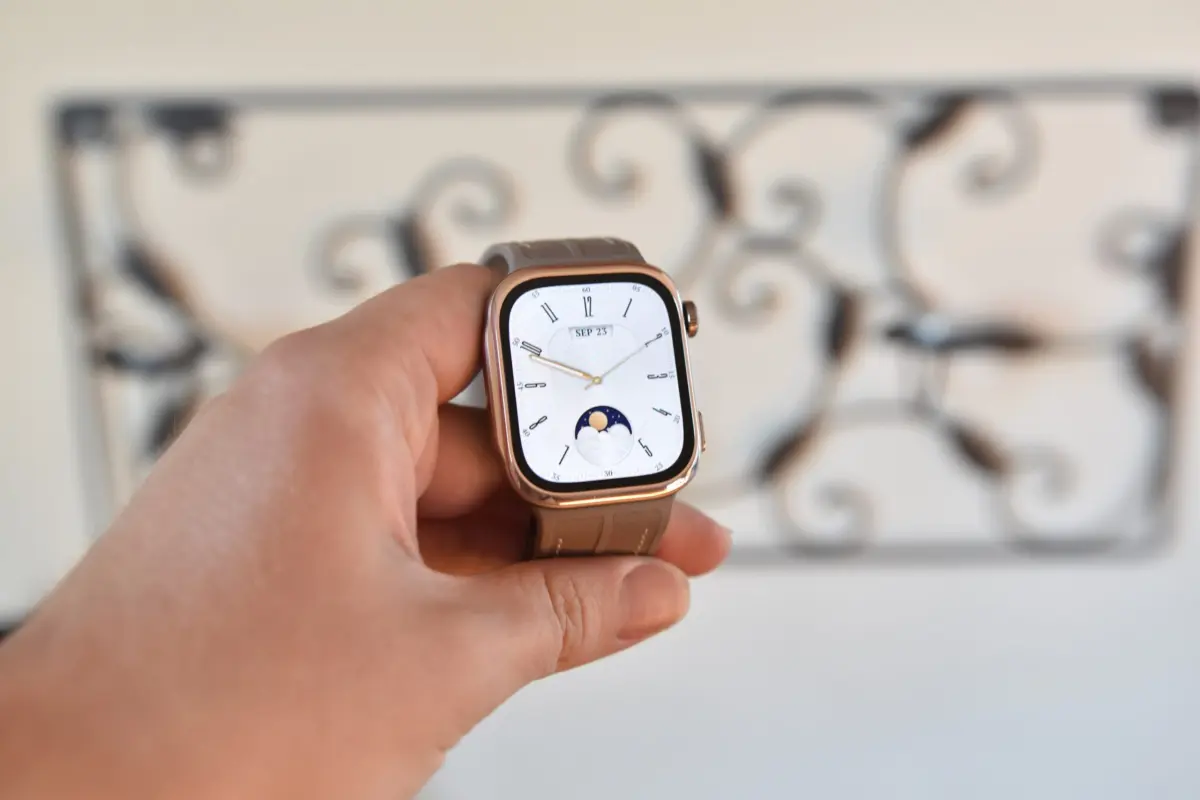
The Huawei Watch D3, launched on October 11, 2026, marks Huawei’s latest iteration in its distinctive Watch D series, a line of smartwatches that uniquely integrates a true inflatable cuff for blood pressure measurement directly on the wrist. This feature sets it apart in a market where most competitors, including industry giants like Samsung with its Galaxy Watch series, rely on optical sensors for blood pressure estimation, a method that, while convenient, often lacks the clinical precision of an oscillometric cuff. The D3 builds upon the foundation laid by its predecessors, the original Watch D and the D2, by refining its design, enhancing display capabilities, and improving core performance metrics, all while maintaining its robust suite of health monitoring functions, including an electrocardiogram (ECG) and an extensive array of sports modes.
The Evolution of Wrist-Based Blood Pressure Monitoring

The integration of medical-grade sensors into consumer electronics represents a significant trend in the wearables industry, driven by increasing consumer awareness of personal health and wellness. While basic heart rate tracking and step counting have become standard, the push towards more sophisticated, medically relevant data has been fraught with technical and regulatory challenges. Blood pressure, a critical indicator of cardiovascular health, traditionally requires a dedicated arm-cuff sphygmomanometer for accurate readings. The concept of wrist-based blood pressure monitoring has long existed, but its accuracy has often been questioned due to the wrist’s anatomical position and the potential for improper device placement.
Huawei’s Watch D series, first introduced in 2021, directly addressed this challenge by embedding a miniature, precision-engineered inflatable air-pump and airbag within the watch strap itself. This design choice fundamentally differentiates it from devices that use photoplethysmography (PPG) sensors to estimate blood pressure changes based on blood flow, which often require frequent calibration with a traditional cuff. Competitors like YHE Technology with its BP Doctor Fit have explored similar avenues, but Huawei has consistently remained the most prominent player in this niche.
The Watch D3 arrives following the Watch D2, which, while innovative, faced criticism for its somewhat bulky design and certain performance aspects. Huawei’s objective with the D3 was not a revolutionary overhaul but rather a meticulous refinement of an already established and highly specialized formula. Key improvements touted include a more compact and lighter casing, coupled with a significant doubling of the screen’s maximum brightness, indicating a focus on user comfort and outdoor visibility. The question remains whether these refinements translate into a truly successful and indispensable health companion.

Design and Ergonomics: A Premium Feel with Practical Caveats
The Huawei Watch D3 presents a distinctive aesthetic, particularly in its Mocha Gold variant, which exudes a genuinely premium and sophisticated aura. Its squared-off form factor contributes to this elegant appearance, setting it apart from many circular smartwatches. The official specifications indicate dimensions of 46.5 x 41 x 11.3 mm, making it 2 mm thinner than the D2, a commendable reduction that enhances its wearability. Despite this slimming down, the watch retains the same weight of 40g (without the strap), suggesting that while more svelte, it remains a substantial device. This inherent bulk means the Watch D3 may not be ideally suited for individuals with smaller wrists, a practical consideration for a daily wear item.
The watch’s casing is crafted from an aluminum alloy, lending it a robust and high-quality feel. The rear of the device, housing the array of health sensors, is made from a polymer composite. The accompanying strap, fashioned from composite leather, proved comfortable during extended wear. Crucially, concealed beneath the main strap is the integrated inflatable cuff, the heart of the watch’s blood pressure monitoring system.

Control inputs are well-considered, featuring two physical buttons: a tactile, rotatable crown that offers a satisfying click and smooth navigation, and a secondary button positioned lower on the case. This second button is customizable, allowing users to assign a shortcut to their most frequently accessed function, such as initiating a blood pressure measurement or a specific workout mode. The inclusion of a microphone and speaker facilitates direct call handling from the wrist, providing a degree of hands-free convenience.
However, the D3’s design journey is not without its missteps, most notably concerning its water resistance and strap design. While certified IP68 when not actively measuring blood pressure, indicating protection against complete immersion in fresh water beyond one meter for a limited duration, Huawei explicitly advises against regular underwater use. The absence of an ATM (Atmospheres) rating, a standard for water resistance in watches, and the manufacturer’s strong recommendation to avoid showering, swimming, or diving with the device, severely curtails its utility for aquatic activities. This limitation is particularly perplexing for a device positioned as a comprehensive health and fitness tracker, effectively excluding an entire category of popular sports.
Furthermore, the proprietary nature of the strap, necessitated by the integrated inflatable cuff, restricts customization options. Unlike many smartwatches that allow for easy interchangeability with standard watch straps, D3 owners are limited to specifically compatible alternatives. The adjustment mechanism for the strap also proved cumbersome, often requiring the watch to be removed entirely to achieve the desired fit, detracting from the otherwise premium user experience.

Display Excellence: Brightness and Responsiveness
The Huawei Watch D3 boasts a vibrant 1.92-inch AMOLED display, offering a resolution of 408 x 480 pixels, which translates to a pixel density of 328 PPI (pixels per inch). This ensures crisp visuals and sharp text. A standout feature is the claimed maximum brightness of 3000 cd/m², a figure that, while challenging to verify precisely on such a small screen, represents a significant improvement over the D2’s specifications (double the brightness). In practical use, this translates to excellent readability even under direct sunlight, a crucial factor for outdoor activities.
The adaptive brightness sensor performs commendably, adjusting the screen’s luminosity swiftly and accurately to ambient light conditions, obviating the need for manual intervention. The inclusion of an Always-On Display (AOD) mode is a welcome addition, providing continuous visibility of the time and selected watch face, enhancing the watch’s aesthetic appeal over a blank screen.

Huawei offers a selection of around sixty free watch faces, spanning classic analog designs, data-rich multi-function layouts, and dynamic animated options. However, a noticeable frustration for users might be Huawei’s strategy of reserving many of its more visually appealing or feature-rich watch faces for paid acquisition or VIP subscription tiers, with prices ranging from €0.49 to €3.99. While common in the smartwatch ecosystem, this can feel like an unnecessary additional cost for what are essentially digital customizations.
HarmonyOS: Fluidity Meets Limited Ecosystem
The Huawei Watch D3 runs on HarmonyOS, Huawei’s proprietary operating system. The user experience on the watch itself is remarkably fluid and responsive. Navigation through menus and applications is intuitive, aided by the tactile rotatable crown, which allows for smooth scrolling and selection. A single press of the crown reveals applications organized in a bubble-like grid, while a double press brings up recently opened apps, mimicking smartphone multitasking.

The customizable lower physical button is a practical addition. By default, it activates the blood pressure measurement, but users can reconfigure it for quick access to other functions, such as heart rate monitoring or a specific sports mode. For instance, assigning outdoor running to this button streamlines the start of a workout. Additionally, a double press can be configured to display a stored bank card for contactless payments via Curve Pay. The generous screen size also ensures comfortable touch-based navigation.
Despite the polished on-watch experience, HarmonyOS’s app ecosystem remains its primary limitation. The Watch D3 offers access to only about twenty pre-installed applications, predominantly sports trackers for specific disciplines, basic utilities like a calculator, and Curve Pay for NFC payments. This pales in comparison to the vast app libraries available on Wear OS and watchOS devices, which offer extensive third-party integration and broader smart functionalities. Users accustomed to a rich app store might find HarmonyOS restrictive in this regard.
The companion Huawei Health app, while comprehensive in its data collection, continues to suffer from organizational challenges. It aggregates an impressive array of health metrics, including heart rate, blood pressure, SpO2, stress levels, skin temperature, ECG, arterial stiffness, and detailed sleep and activity data. However, the presentation of this data often feels cluttered, with overlapping sections and information scattered across different sub-menus. For example, exercise history is found under the "Health" tab rather than the dedicated "Exercise" tab. While users can eventually navigate this structure, the app would greatly benefit from a streamlined, more logical interface. On a positive note, the app supports synchronization with Strava, ensuring that workout data can be seamlessly integrated into other fitness ecosystems, albeit with occasional delays.

Comprehensive Health and Sports Tracking
The Huawei Watch D3 is equipped with an impressive array of sensors, making it one of the most comprehensive health trackers on the market. These include a 9-axis Inertial Measurement Unit (IMU) for precise motion, speed, and orientation tracking, a temperature sensor, a Hall effect sensor, a barometer, and an electrocardiogram (ECG) sensor.
GPS Accuracy: A Significant Leap Forward
One of the notable improvements over its predecessor is the enhanced GPS performance. The D3 features dual-band GPS, supporting major satellite constellations including GPS (USA), GLONASS (Russia), Galileo (Europe), BeiDou (China), and QZSS (Japan). Dual-band technology generally offers superior accuracy, especially in challenging environments like urban canyons where signals can be obstructed.

Testing against an Apple Watch Series 9, a recognized benchmark for GPS accuracy, revealed a significant improvement over the D2. In open park environments, the D3’s tracking closely mirrored the Apple Watch, with minimal discrepancies. On a 6.56 km route, the D3 recorded 6.50 km (0.91% difference), and on a 4.13 km route, it recorded 4.11 km (0.48% difference). Even in urban settings, where buildings typically interfere with GPS signals, the D3 maintained impressive accuracy. While one urban route showed a slightly larger deviation (3.58 km vs. 3.70 km, a 3.35% difference, with brief signal loss), another nearly 7 km urban route showed only a 30-meter difference. Overall, the D3’s GPS proved reliable and precise, making it a credible tool for outdoor activity tracking.
Heart Rate Monitoring: Mostly Reliable, with Initial Hiccups
For heart rate (HR) tracking, the D3 utilizes an optical PPG sensor. Comparative tests against a Polar H10 chest strap, considered a gold standard for HR accuracy, showed mixed results, particularly at the outset of exercise. During an initial constant-pace run, the D3 exhibited a stabilization lag of about 30 seconds to 5 minutes, where it significantly underestimated HR (e.g., 98 bpm vs. 137 bpm on Polar H10). However, once stabilized, its accuracy was remarkably good, with an average deviation of only 3 bpm (161 bpm vs. 164 bpm for Polar H10) over the session and identical peak HR readings. Post-stabilization, the average absolute error dropped to approximately 1 bpm, with over 95% of readings within 2 bpm of the reference.
In more demanding interval training sessions, characterized by rapid HR fluctuations, the 5-second sampling rate of the D3 (compared to 1-second on the Polar H10) sometimes resulted in a slight delay in reflecting sudden changes. Nevertheless, after the initial stabilization period, the D3 delivered a strong performance, effectively tracking the general trends of HR ascent and descent. The average HR deviation was 2 bpm (156 bpm vs. 158 bpm), and peak HR was nearly identical (181 bpm vs. 182 bpm). The key takeaway is that while there’s an initial delay in HR acquisition, the D3 provides highly reliable data once it locks on, making it suitable for most fitness tracking needs.

Medical-Grade Blood Pressure Monitoring: A Flagship Feature
The standout health feature of the Watch D3 is undoubtedly its integrated blood pressure monitor with an inflatable cuff. This is not merely an "estimation" but a direct oscillometric measurement, similar to a traditional sphygmomanometer. The significance of this feature cannot be overstated, given that hypertension affects approximately one in three adults in France (around 17 million people over 18), yet only 55% are diagnosed. Early and consistent monitoring is crucial for managing this condition.
The Watch D3’s tensiometer is recognized as a Class IIa medical device, bearing the CE marking and complying with European regulatory frameworks for medical devices. This classification implies a more rigorous conformity assessment than typical wellness devices. However, this does not guarantee absolute, flawless accuracy for every single measurement, especially considering it’s a wrist-based device. Traditional blood pressure measurement is typically performed at the upper arm, where the artery is larger and less prone to positional errors. Wrist-based monitors inherently carry a higher risk of inaccurate readings if not positioned correctly.
Comparative tests against a conventional arm-cuff sphygmomanometer showed that the D3’s precision was generally good for systolic pressure but exhibited a consistent tendency to overestimate diastolic pressure. Deviations, while often contained, could accumulate and potentially alter the interpretation of results, particularly for individuals closely monitoring their hypertension. For example, one measurement showed 128/81 mmHg on the reference device versus 135/94 mmHg on the D3, with a +16.05% deviation in diastolic pressure. Given these findings, the recommendation is to retain a conventional arm-cuff tensiometer for diagnostic-grade accuracy. The Watch D3’s integrated cuff is best utilized for monitoring daily trends and providing convenient, frequent checks, rather than for precise medical diagnosis.

Other Health Metrics:
- ECG: Located on the lower physical button, a 30-second measurement allows for recording the heart’s electrical activity, crucial for detecting atrial fibrillation (AFib) and other arrhythmias. This feature is typically found on higher-end smartwatches.
- SpO2: Measures blood oxygen saturation, indicating the proportion of hemoglobin carrying oxygen. Normal resting values are generally between 95% and 100%.
- VO2 Max: Estimates the maximum amount of oxygen the body can utilize during intense exercise, serving as a key indicator of cardiovascular fitness.
- Arterial Stiffness: Evaluated by the pulse wave velocity, this metric provides an additional indicator of cardiovascular health, with faster propagation suggesting stiffer arteries.
- Sleep Tracking: Provides detailed reports on sleep phases (deep, light, REM, awake) and a daily sleep score. It also monitors respiration for potential signs of sleep apnea and tracks average heart rate and heart rate variability (HRV) during the night.
- Stress & Temperature: Continuous monitoring of stress levels and skin temperature further rounds out the comprehensive health suite.
Sports Modes and Training Insights:
The D3 offers a robust selection of approximately 20 pre-loaded sports modes, with an additional 80 available for download. A notable and highly appreciated feature for running modes is the inclusion of guided warm-up sessions (e.g., six minutes of rotations, dynamic stretches, jumping jacks) before starting the main workout. This promotes proper preparation and reduces injury risk, enhancing the overall training experience. The integrated "Training Status" application on the watch provides an overview of physical form, including a training index, recovery rate, and VO2 Max, helping users avoid overtraining. However, the previously mentioned water resistance limitations mean that no aquatic sports modes are available, which is a significant drawback for swimmers or triathletes.
Battery Life: Solid, But Not Class-Leading

The Huawei Watch D3 is equipped with a 540 mAh battery. Huawei claims a typical usage autonomy of six days, which drops significantly to one day when the 24-hour Ambulatory Blood Pressure Monitoring (ABPM) function is continuously active. This dramatic reduction is understandable, as the repeated inflation of the cuff throughout the day is highly power-intensive.
In real-world testing, excluding the continuous 24-hour ABPM but enabling all other power-intensive features (TruSleep, continuous HR, stress, SpO2, skin temperature monitoring, plus intermittent ECG and BP measurements) alongside four GPS-tracked workouts (two walks, two runs), the Watch D3 achieved an autonomy of 4 days and 9 hours. While falling short of Huawei’s six-day claim, this is still a respectable performance, especially when compared to many Wear OS smartwatches, such as the Google Pixel Watch 5, which often struggle to exceed 50 hours on a single charge. However, it trails behind some health-focused competitors like the Amazfit Balance Ultra, which can offer over a week of battery life. Charging the D3 from 0 to 100% takes approximately 1 hour and 25 minutes using its proprietary inductive charger.
Connectivity: The Essentials, But Lacking Standalone Capability

The Huawei Watch D3 features Bluetooth 6.0, a standard designed to enhance energy efficiency and connection reliability. The integrated speaker and microphone enable clear call audio on both ends, allowing for comfortable hands-free conversations directly from the wrist. However, the absence of a virtual keyboard means users cannot compose text messages directly on the watch.
A notable omission is the lack of Wi-Fi support, which would enable the watch to maintain connected functionalities without a direct Bluetooth link to the smartphone. Furthermore, the D3 does not support eSIM technology, rendering it entirely dependent on a paired smartphone for network access and calls. While the NFC chip is present for contactless payments via Curve Pay, these connectivity limitations mean the Watch D3 cannot function as a truly standalone smartwatch for communication or internet-dependent applications. Its robust dual-band, multi-constellation GPS (Galileo, GLONASS, BeiDou, QZSS, GPS) remains its primary standalone capability for outdoor activity tracking.
Pricing and Market Position

The Huawei Watch D3 became available in France on September 29th, priced at 449 Euros, matching the launch price of its predecessor. It is offered in three color options: Black, White, and Mocha Gold.
At this price point, the Watch D3 positions itself at the higher end of the smartwatch market, competing with devices from Apple, Samsung, and Garmin. Its unique selling proposition is undeniably its medical-grade blood pressure monitoring capability, a feature not widely available elsewhere. This makes it particularly appealing to health-conscious individuals, especially those with pre-existing conditions like hypertension or those seeking comprehensive cardiovascular monitoring.
However, its limitations, particularly the poor water resistance (excluding aquatic sports) and the relatively restricted HarmonyOS app ecosystem, mean it may not appeal to users prioritizing a vast array of smart features or dedicated multisport athletes. The cumbersome strap adjustment and the slight overestimation of diastolic pressure in the tensiometer, while minor, are also factors to consider.

Broader Implications and Future Outlook
The Huawei Watch D3 represents a significant step forward in the integration of medical-grade health monitoring into consumer wearables. By offering a certified Class IIa medical device for blood pressure measurement, Huawei pushes the boundaries of what a smartwatch can achieve in personal health management. This trend towards increasingly accurate and clinically relevant data from wearables empowers individuals to take a more proactive role in monitoring their health, potentially leading to earlier detection of conditions like hypertension or arrhythmias.
However, it also highlights the ongoing tension between convenience and diagnostic accuracy. While the D3 provides excellent trend data for blood pressure, the need to verify critical readings with a traditional cuff underscores that consumer devices, even certified ones, are primarily screening and monitoring tools, not replacements for professional medical advice or diagnostic equipment. The strict water resistance limitations also illustrate the engineering challenges involved in miniaturizing complex medical sensors into a consumer-friendly form factor without compromising other expected smartwatch functionalities.

As the market for health-focused wearables continues to mature, devices like the Watch D3 will likely spur further innovation, challenging manufacturers to overcome current limitations and deliver even more precise, versatile, and seamlessly integrated health monitoring solutions. The future of smartwatches will undoubtedly involve a deeper convergence of consumer technology and personal healthcare, with devices playing an increasingly critical role in preventative care and chronic disease management, always in conjunction with medical professionals.
Conclusion
The Huawei Watch D3 is a testament to Huawei’s commitment to advancing health tracking in wearables, offering an unparalleled suite of medical-grade metrics that few competitors can match. Its flagship feature, the integrated inflatable cuff for blood pressure measurement, combined with ECG, comprehensive heart rate monitoring, and highly accurate GPS, positions it as an exceptional device for daily health oversight. The premium design, vibrant AMOLED display, and fluid HarmonyOS interface contribute to a generally intuitive and enjoyable user experience. Its battery life, while not class-leading, is respectable compared to many rivals.

However, several drawbacks prevent the D3 from achieving universal appeal. The significantly limited water resistance precludes its use for swimming or diving, a notable omission for a fitness-oriented device. The proprietary and somewhat cumbersome strap design, along with the cluttered organization of the Huawei Health companion app, detract from overall usability. Furthermore, while the tensiometer provides valuable trend data, its tendency to overestimate diastolic pressure necessitates cross-verification with traditional medical devices for precise diagnostic purposes. The sparse HarmonyOS app ecosystem also means it lacks the extensive smart functionalities found in other premium smartwatches.
Ultimately, the Huawei Watch D3 excels as a specialized health monitoring tool, particularly for individuals prioritizing accurate blood pressure and cardiovascular data. Its design refinements and performance enhancements make it a compelling upgrade for those in the Watch D series ecosystem. However, prospective buyers should weigh its unparalleled health features against its limitations in sports versatility and smart app integration. For those seeking a dedicated health companion with cutting-edge medical tracking, the Watch D3 offers a sophisticated and largely successful solution, provided it is viewed more as a health monitor with smartwatch capabilities rather than a comprehensive sports or lifestyle smartwatch.








