Metty Iskandar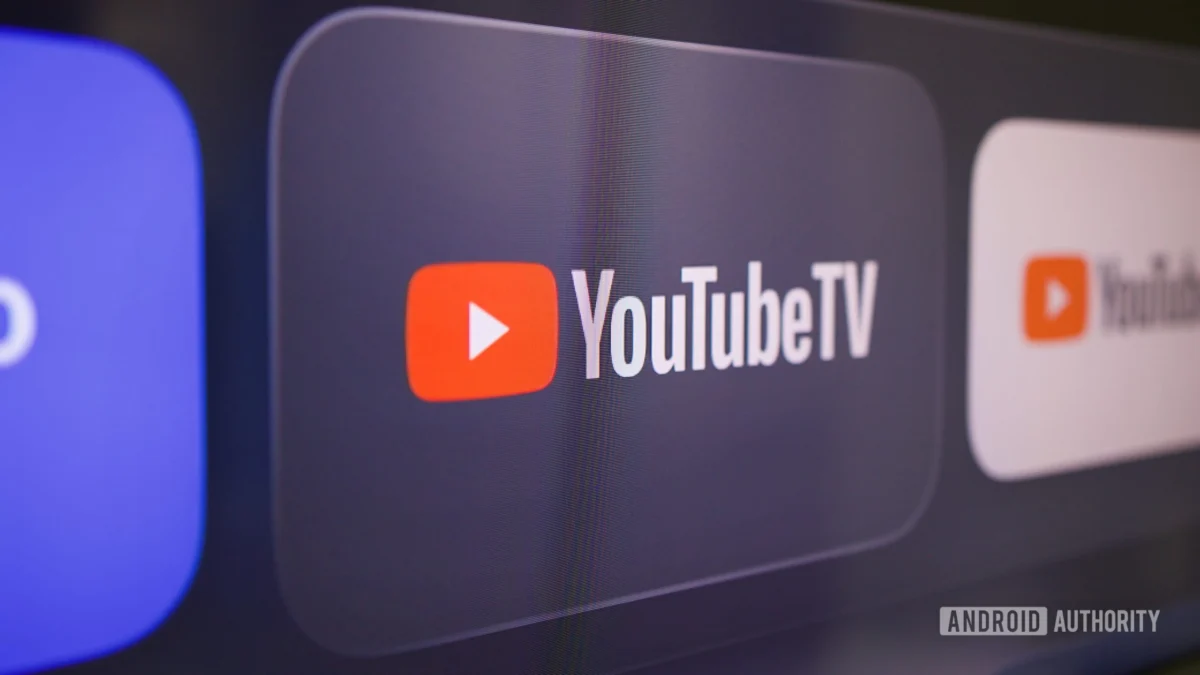
Nearly a year after a public and disruptive carriage dispute between Google’s YouTube TV and Disney, subscribers are beginning to see the fruits of a newly brokered agreement with the rollout of ESPN Unlimited. This integration marks a significant step in restoring a comprehensive sports viewing experience for YouTube TV users, following a period where crucial ESPN and ABC network channels were temporarily removed, causing considerable inconvenience and frustration among cord-cutters who rely on these platforms for live sports.
The dispute, which peaked in September of the previous year, saw YouTube TV subscribers momentarily lose access to a suite of popular Disney-owned channels, including various ABC affiliates, ESPN, and National Geographic. This blackout, lasting for approximately 10 days, highlighted the precarious position of live TV streaming subscribers who can become collateral damage in negotiations between media giants. The resolution of this impasse was met with a $20 credit for affected users and a commitment from Google to secure a new carriage agreement that would not only reinstate the lost channels but also introduce new ESPN-related offerings. The arrival of ESPN Unlimited, a dedicated ESPN streaming service, directly fulfills one of those promises, albeit with a considerable delay.
A Rocky Road to Resolution: The YouTube TV-Disney Dispute
The conflict between Google and Disney was not an isolated incident but rather a continuation of a broader trend in the media landscape where streaming services and content providers engage in high-stakes negotiations over carriage fees and content distribution. For YouTube TV, a platform that has aggressively courted sports fans with its extensive channel lineup, the loss of ESPN was particularly damaging. ESPN, as the preeminent sports broadcaster in the United States, commands a massive viewership and is a critical component for any live TV streaming service aiming to compete in the sports segment.
The initial negotiations reportedly stalled over Disney’s demand for increased carriage fees, a common point of contention as content owners seek to monetize their programming in the evolving media consumption environment. YouTube TV, aiming to keep its subscription costs competitive, pushed back. The public nature of the dispute, with both companies issuing statements and YouTube TV providing explicit notifications to its users about the impending channel loss, amplified the pressure. Subscribers, caught in the middle, expressed their dissatisfaction through social media and direct feedback channels. The temporary loss of access not only impacted casual viewers but also dedicated sports enthusiasts who depend on ESPN for live events, analysis, and sports news.
The resolution, when it finally came in late September, involved a new multi-year carriage agreement. This deal not only restored the missing Disney-owned channels to YouTube TV’s base package but also paved the way for enhanced integration of ESPN content. The $20 credit offered to subscribers was a gesture to acknowledge the disruption and a conciliatory move to retain customer loyalty. However, the more significant long-term implication was the promise of new ESPN offerings, a commitment that is now being realized with the introduction of ESPN Unlimited.
ESPN Unlimited: A Deeper Dive into the New Offering
The rollout of ESPN Unlimited for YouTube TV accounts is being communicated through email notifications to subscribers, indicating a phased approach to deployment. While the exact timeline for full integration into the YouTube TV platform remains somewhat fluid, early indications suggest that users can now begin to link their YouTube TV accounts to the ESPN app. This initial step allows for access to ESPN’s standalone digital offerings. The email received by some subscribers explicitly states that live content within the YouTube TV interface will be integrated at a later stage.
ESPN Unlimited, as a standalone subscription service, typically costs $30 per month. This pricing positions it as a premium offering for dedicated sports fans. The integration with YouTube TV, however, suggests a potential for a bundled or discounted offering for existing YouTube TV subscribers, although the specifics of such arrangements are yet to be fully detailed. The value proposition of ESPN Unlimited lies in its comprehensive coverage of sports content, including live games, original programming, documentaries, and in-depth analysis across a vast array of sports. For a devoted follower of collegiate athletics, professional leagues, or niche sports, this service can represent a significant enhancement to their viewing options.
The initial notification emails, as observed by various media outlets, confirm that the linking process is underway. Reports from publications like Cord Cutters News indicate that these notices have been disseminated for over a week, suggesting a gradual rollout by Google. This staggered release strategy is common for platform updates, allowing for smoother implementation and troubleshooting. Subscribers who have not yet received an email can likely expect one in the coming days or weeks.
The Broader Impact on the Live TV Streaming Market
The integration of ESPN Unlimited into YouTube TV’s ecosystem has broader implications for the competitive landscape of live TV streaming services. The resolution of the Disney dispute and the subsequent introduction of new content offerings underscore the ongoing battle for subscriber attention and the increasing importance of robust sports content.
YouTube TV’s move to incorporate a premium ESPN service demonstrates a strategy to deepen its appeal to sports enthusiasts. By offering more specialized content, the platform aims to differentiate itself from competitors and provide a more compelling reason for users to subscribe and remain subscribed. This approach aligns with the broader trend of cord-cutting, where consumers are seeking flexible and customizable viewing experiences that cater to their specific interests, particularly in the realm of live sports.
Furthermore, the introduction of ESPN Unlimited as an integrated offering could influence how other streaming services approach content partnerships. The ability to bundle premium sports content directly within a live TV streaming package offers a streamlined experience for users, potentially reducing the need for multiple standalone subscriptions. This could lead to a more consolidated and user-friendly environment for sports fans, but also potentially increase the overall cost for those who desire comprehensive access.
The pricing of ESPN Unlimited at $30 per month as a standalone service is a significant investment for consumers. However, when bundled or integrated into a service like YouTube TV, its perceived value may increase, especially if it offers a discount or a more seamless user experience compared to subscribing separately. This strategy by Google and Disney aims to capture a segment of the market that is willing to pay a premium for dedicated sports content.
Evolving Subscription Models and Subscriber Control
The resolution of the YouTube TV-Disney dispute and the subsequent rollout of ESPN Unlimited also highlight the evolving nature of subscription models and the growing emphasis on subscriber choice. Earlier in the year, YouTube TV introduced new bundle packages, allowing subscribers greater control over their channel selections. This move was seen as a response to subscriber demand for more flexibility and a desire to avoid paying for channels they do not watch.
These new bundle options enable users to curate their viewing experience, potentially leading to more personalized and cost-effective subscriptions. By offering a modular approach, YouTube TV aims to cater to a wider range of consumer preferences and budgets. The integration of ESPN Unlimited can be viewed as an extension of this strategy, providing a high-value add-on for a specific, and often lucrative, demographic: sports fans.
The ability to choose and customize channel lineups is becoming increasingly important in the live TV streaming market. As consumers become more discerning about their media consumption and budgets, services that offer transparency and control are likely to gain a competitive edge. The move by YouTube TV to both offer more control through bundles and integrate premium content like ESPN Unlimited reflects a dual strategy: catering to broad consumer needs while also providing specialized offerings for dedicated interest groups.
Looking Ahead: The Future of Sports Streaming
The successful integration of ESPN Unlimited into YouTube TV is a positive development for sports fans who were inconvenienced by the previous dispute. It signifies a commitment from both Google and Disney to a stable and mutually beneficial partnership. As the media landscape continues to transform, the ability of major players to navigate complex negotiations and deliver valuable content to consumers will be paramount.
The ongoing evolution of live TV streaming services, characterized by increasing content specialization, flexible subscription models, and strategic partnerships, suggests a future where consumers will have more options than ever before. However, it also implies a continued need for careful consideration of costs, as premium content often comes with a premium price tag. For now, the return of a complete ESPN experience to YouTube TV is a welcome development, reinforcing the platform’s position as a significant player in the live sports streaming arena. The successful resolution of this dispute serves as a case study in how major media companies can overcome disagreements to better serve their shared customer base, albeit after a period of disruption.