Metty Iskandar
Google’s recent rebranding of NotebookLM to Gemini Notebook signifies more than a cosmetic change; it heralds a strategic pivot for the AI-powered research and writing assistant. While initial updates have focused on organizational features like "Collections," deeper analysis of the Gemini app’s underlying code, revealed through APK teardowns, points towards a future brimming with enhanced functionality, including the ability to directly incorporate website links as sources. This evolution has sparked considerable anticipation among users and industry observers regarding the tool’s potential to further revolutionize how individuals and organizations interact with information.
The transition from NotebookLM to Gemini Notebook began a few weeks prior to this analysis, with the initial changes being largely superficial. However, the integration into the broader Gemini ecosystem suggests a more ambitious roadmap. The introduction of Collections, which allows users to group related notebooks akin to a playlist, marks a significant step towards better organization of complex research projects. This feature addresses a common user pain point, enabling a more structured approach to managing disparate information sources. Furthermore, recent APK breakdowns have hinted at the forthcoming ability for users to directly add website links as sources within the Gemini application. This development, alongside other potential improvements, indicates Google’s commitment to expanding Gemini Notebook’s capabilities beyond its current scope, potentially transforming it into an even more indispensable tool for knowledge management and content creation.

This strategic evolution prompts a deeper examination of the features users and industry analysts would find most beneficial. While Gemini Notebook already offers a robust set of functionalities, several key areas present opportunities for significant enhancement, promising to further solidify its position as a leader in AI-assisted research. These potential upgrades, ranging from enhanced content aggregation to more sophisticated learning tools, could redefine the user experience and broaden the tool’s applicability across diverse professional and academic domains.
Expanding Capabilities: Desired Features for Gemini Notebook
The recent rebranding and emerging feature set for Gemini Notebook have naturally led to discussions about its future trajectory. While the current iteration is already powerful, several potential enhancements could dramatically improve its utility and user experience. These desired features reflect a growing need for more seamless integration, advanced data handling, and more dynamic learning applications.
Streamlining Research with Multi-Notebook Merging
A significant area for improvement lies in the ability to consolidate information from multiple sources. Currently, while individual notebooks can house extensive information, managing and synthesizing data across separate notebooks presents a considerable challenge. For complex projects, such as academic theses or extensive business reports, users often find themselves breaking down information into distinct notebooks for organizational purposes during the initial research phase. While this approach aids in managing large volumes of data, it becomes cumbersome when the need arises to analyze or present the consolidated findings.

Currently, Gemini Notebook lacks a native function to merge multiple notebooks directly. Users are forced to resort to workarounds, which can involve third-party tools or the manual process of uploading or referencing multiple notebook links within the broader Google Gemini interface for cross-analysis and synthesis. These methods, while functional, introduce additional steps and external dependencies, detracting from the seamless experience that an integrated AI tool should provide. A native merge feature would not only streamline this process but also represent a natural extension of Gemini Notebook’s AI-driven capabilities.
The primary obstacle to implementing such a feature is Google’s steadfast commitment to source grounding, a critical mechanism designed to mitigate AI hallucinations and ensure factual accuracy. Merging disparate notebooks inherently increases the complexity of source attribution and the potential for conflicting information, thereby raising the risk of generating inaccurate or fabricated content. However, as Google continues to refine its underlying AI technology and expand the source capacity of its notebooks, the feasibility of a robust merging function is likely to increase. Future advancements in AI’s ability to manage and cross-reference complex data sets may pave the way for a solution that balances comprehensive data aggregation with unwavering accuracy.
Empowering Users with Source Downloadability
The ability to retain and access original source materials is paramount for any research endeavor. Gemini Notebook, despite its sophisticated analysis capabilities, currently offers limited options for users to download the sources they have uploaded. While users are expected to maintain their own copies of uploaded documents like PDFs and other files, this is not always a practical reality. Losing access to these crucial references can significantly impede follow-up research or verification processes.

While workarounds exist, such as utilizing Google Takeout to request a comprehensive archive of user data, this method is neither immediate nor user-friendly for the specific purpose of retrieving individual sources. A more intuitive and direct approach would be a one-click export option for each uploaded source. This functionality would serve as a critical safeguard, particularly in situations where original source material is inadvertently lost or corrupted. The implementation of such a feature would be relatively straightforward for Google and would offer immense value to users by ensuring the long-term accessibility and integrity of their research data.
Enhancing Learning Through Interactive Content Creation
Gemini Notebook’s existing suite of tools for generating interactive quizzes, visual diagrams, slide presentations, and even podcasts based on notebook sources is a testament to its innovative approach to information dissemination. However, the potential for further development in this area is substantial, particularly in creating more engaging and dynamic learning experiences.
The vision extends beyond simple quizzes to more immersive and interactive formats. Imagine the possibility of transforming research material into game show-style quizzes where users can compete, or even into educational games inspired by classic titles like "The Oregon Trail." This would allow for a more playful and memorable engagement with the subject matter, making learning more enjoyable and effective. Such a feature could be particularly beneficial for educational institutions, businesses looking to train employees on company history or specific products, or even individuals wishing to create engaging content for personal projects.

Encouragingly, hints of this direction are already emerging. Recent discoveries by "Testing Catalog" revealed a new menu option within Gemini Notebook’s "App within the Studio" section. This option suggests the capability to create "an interactive web page," "a fun game," or a "visual dashboard or interactive tool." While the exact depth and complexity of these "fun games" remain to be seen, they could range from simple text-based adventures to more sophisticated interactive experiences. This development indicates Google’s interest in exploring more gamified and interactive approaches to content generation, aligning with user desires for more engaging learning tools.
Integrating Data with Direct Database Connectors
A groundbreaking enhancement for Gemini Notebook would be the introduction of direct database connectors. Currently, users primarily upload static files such as documents and PDFs. Integrating live-sync connectors for platforms like Obsidian, Slack, or GitHub repositories would revolutionize how users interact with dynamic data. This would enable notebooks to automatically update as operational databases are modified, facilitating real-time analysis and question-answering that combines structured text with live data, such as inventory metrics or customer transaction records.
Such direct integration would also offer a solution to the existing file-volume limitations. By connecting directly to databases, users could potentially bypass the constraints associated with manual file uploads, allowing for the analysis of significantly larger and more complex datasets. This would be particularly impactful for businesses and researchers dealing with extensive and constantly evolving data streams.
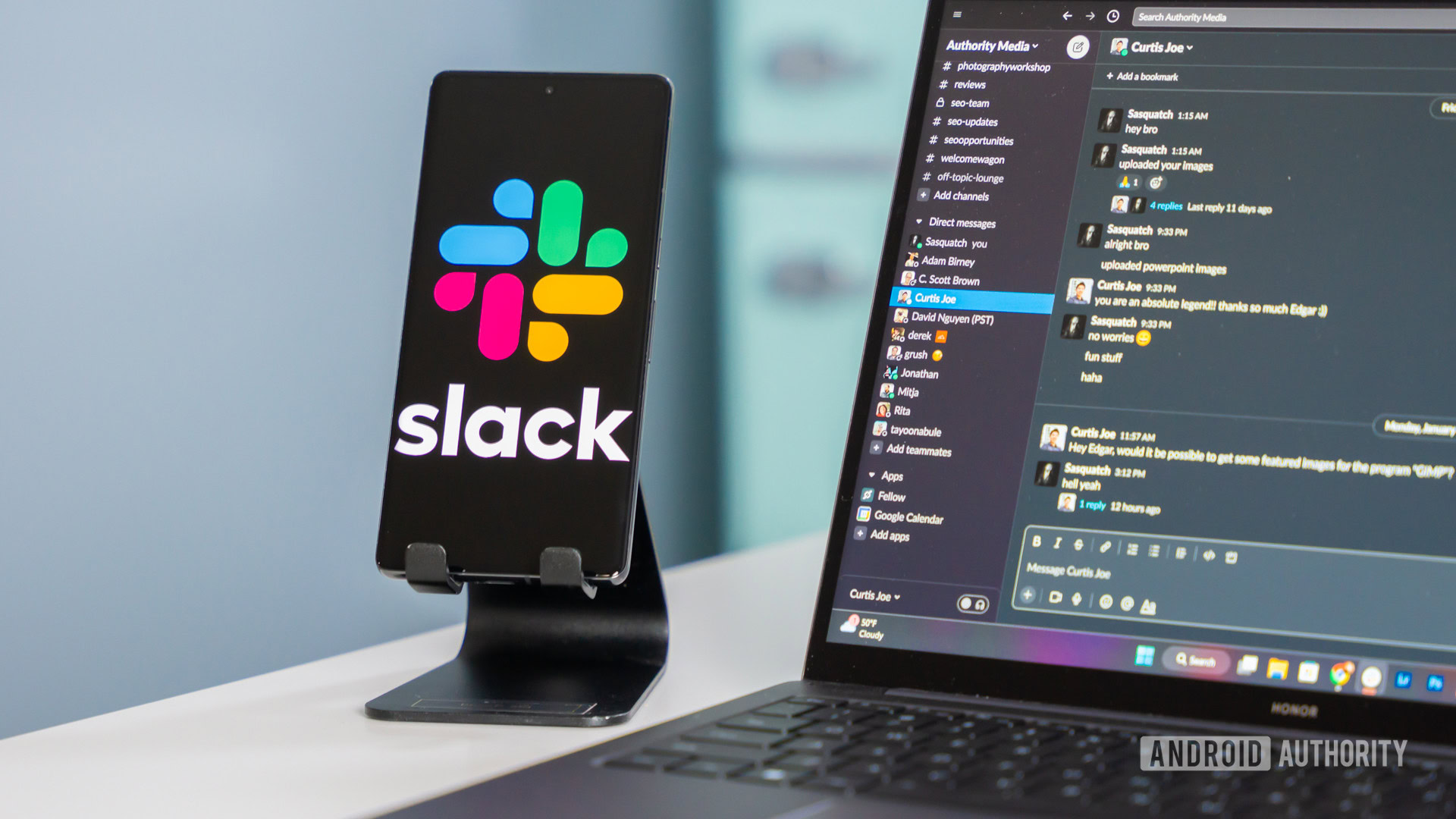
However, the implementation of direct database connectors presents significant technical and security challenges. Gemini Notebook’s current retrieval-augmented generation (RAG) architecture is not inherently designed to handle aggregated and live data streams effectively. Furthermore, establishing direct connections to databases could introduce potential security vulnerabilities if not managed with extreme care and robust security protocols. Despite these hurdles, the potential benefits in terms of data accessibility and analytical power make this a highly desirable, albeit complex, future development.
Expanding Support for Larger Documents
While Gemini Notebook currently supports substantial word counts per source (up to 500,000 words) and file size limits (200MB), these parameters may not suffice for all advanced use cases. For large enterprises, academic institutions, and organizations engaged in extensive research, these limits can become a bottleneck. Moreover, even within the existing limits, the AI’s ability to fully parse and analyze extremely large documents can be inconsistent. Users might find that searches for specific topics yield fragmented results, as the AI may not always process the entire document effectively, leading to potential omissions of critical information.
While workarounds exist, such as segmenting large documents into smaller, more manageable chunks or employing markdown and structural formatting to improve scannability, these methods add considerable effort to the user’s workflow. The current limitations may be influenced by the computational costs associated with processing vast amounts of data. However, offering increased limits, potentially through a tiered subscription model for business users or advanced academic researchers, would significantly enhance the tool’s value for these demanding applications. This would allow for more comprehensive analysis and reduce the manual effort required to make large documents AI-friendly.

Gemini Notebook’s Enduring Strengths
Despite the aspirational nature of these potential enhancements, it is crucial to acknowledge that Gemini Notebook, in its current form, remains an exceptionally powerful and valuable tool. The platform has demonstrated consistent improvement over time, a trajectory that is expected to accelerate under its new branding. The seamless integration of AI-driven research and content generation capabilities provides a unique and often unparalleled user experience. While alternatives exist, the comprehensive nature of Gemini Notebook’s offerings, from its advanced source grounding to its innovative content creation tools, makes it a difficult benchmark to match. The continuous development and iterative enhancements suggest that Google is committed to evolving Gemini Notebook into an even more indispensable asset for knowledge workers, researchers, and content creators worldwide. The future promises further refinements, building upon its already strong foundation to meet the ever-growing demands of the information age.