Galang Taruna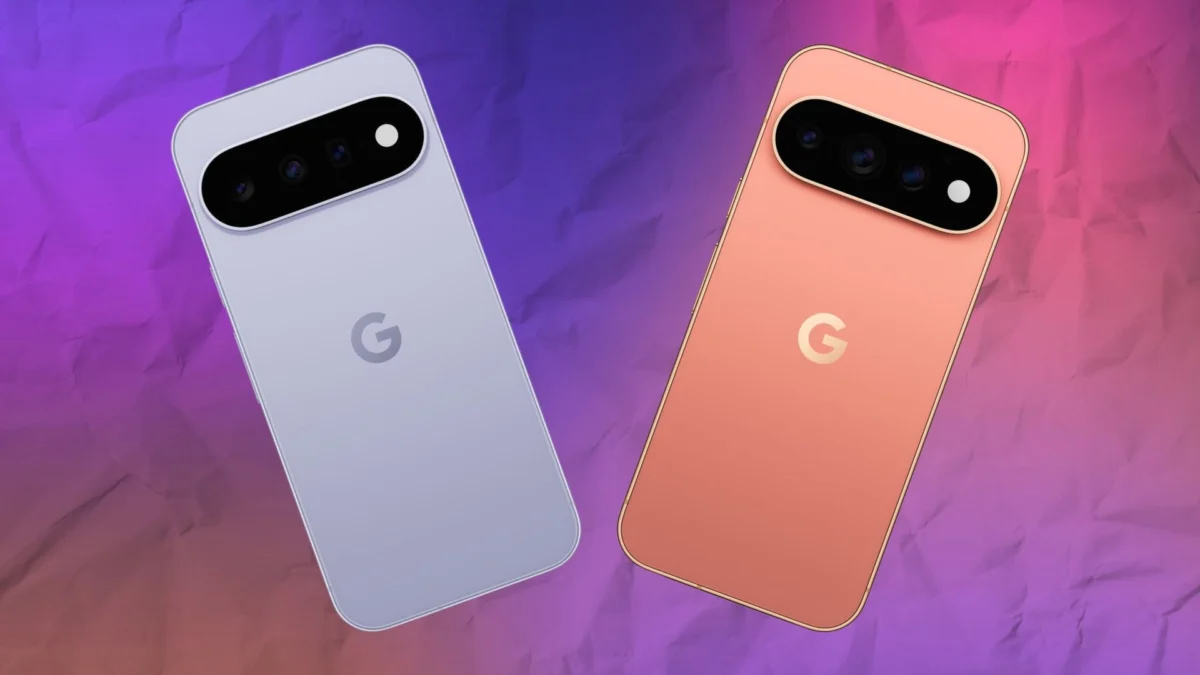
Google has officially unveiled its latest flagship smartphones, the Pixel 11 and Pixel 11 Pro, at the eagerly anticipated Made by Google 2026 event. While both devices share a similar 6.3-inch screen size and a familiar design aesthetic, a deeper examination reveals a more extensive list of distinctions than initially apparent, justifying the approximate €200 price differential between the base models. This comprehensive analysis aims to delineate these differences, providing prospective buyers with the insights needed to make an informed choice between Google’s newest contenders in the premium smartphone market.
The Made by Google 2026 Event: A Vision of Integrated Hardware and AI
The Made by Google 2026 conference, held on August 15, 2026, served as the global stage for Google to showcase its continued commitment to hardware innovation deeply integrated with its cutting-edge artificial intelligence capabilities. This annual event is a cornerstone of Google’s strategy to present a cohesive ecosystem of devices, all powered by its advanced software and AI services. Beyond the Pixel 11 and Pixel 11 Pro, the event also saw the introduction of the Pixel Watch 5, the much-anticipated Pixel Tag Bluetooth tracker, and teasers for the Pixel 11 Pro XL and Pixel 11 Pro Fold, reinforcing Google’s ambition to compete across various segments of the consumer electronics market. The pre-orders for the new Pixel smartphones commenced immediately after the announcement, with general availability expected in early September 2026. This aggressive rollout underscores Google’s intent to capture market share swiftly following the unveiling.
Google’s overarching strategy for its Pixel line has consistently revolved around leveraging its software prowess, particularly in computational photography and artificial intelligence, to deliver a smartphone experience that stands apart from competitors. The Pixel 11 series is positioned as the pinnacle of this philosophy, promising an intuitive, intelligent, and highly capable mobile device designed to seamlessly integrate into users’ digital lives.
Design and Ergonomics: Distinguishing the Aesthetics and Build
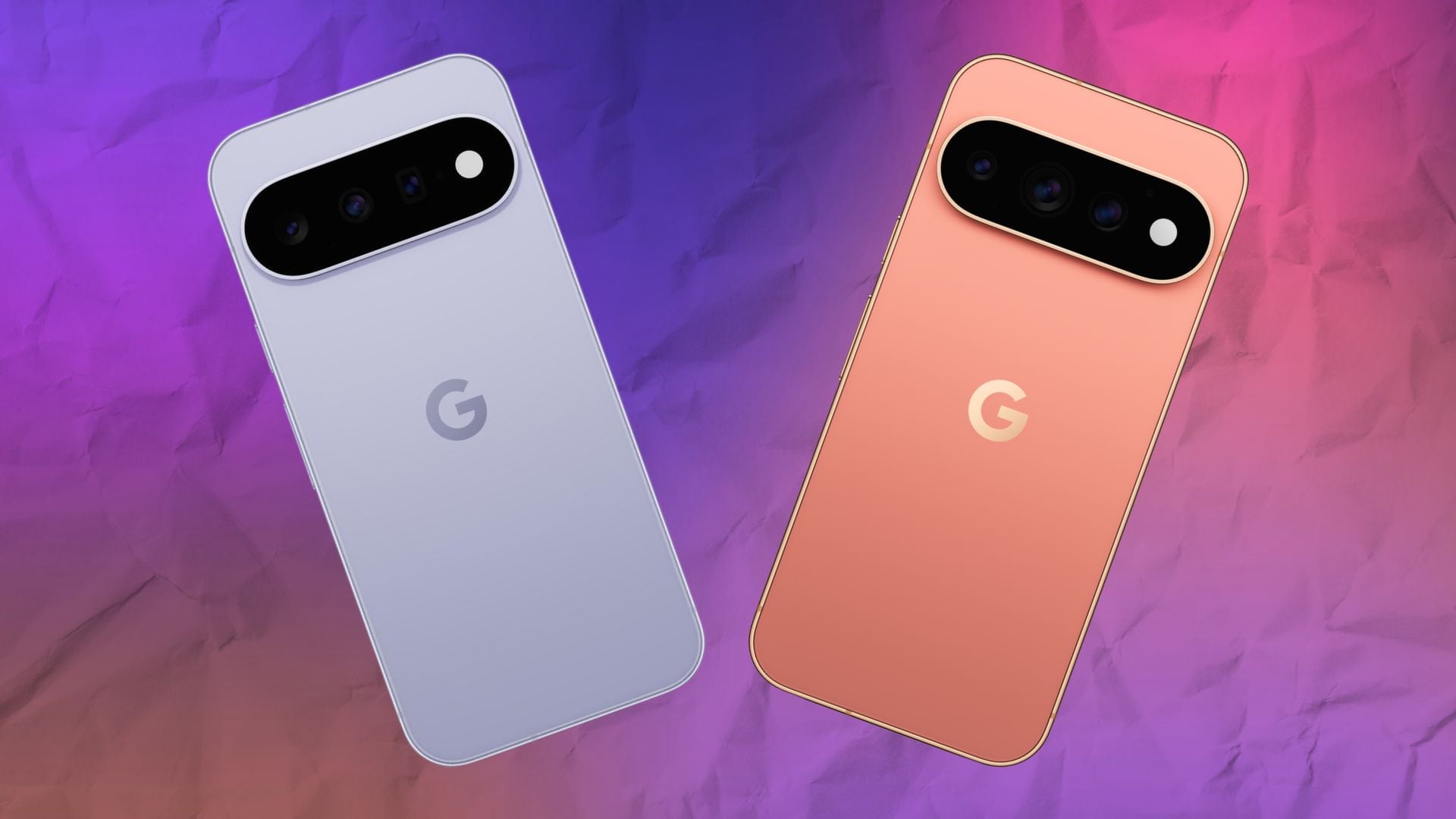
At first glance, the Pixel 11 and Pixel 11 Pro exhibit a strong familial resemblance, both featuring a modern, minimalist design characterized by Google’s signature horizontal camera bar across the rear. However, closer inspection reveals several key design and ergonomic differences that contribute to their distinct identities and user experiences.
The most immediate visual differentiator lies in their rear finishes. The standard Pixel 11 adopts a glossy back coating, which offers a sleek, reflective appearance. While visually striking, this finish is typically more prone to attracting fingerprints and minor smudges. In contrast, the Pixel 11 Pro opts for a refined matte finish. This choice not only provides a more premium tactile feel but also enhances grip and significantly reduces the visibility of fingerprints, offering a cleaner aesthetic for longer periods. Both devices are constructed with robust aluminum frames, ensuring structural integrity, and feature advanced Gorilla Glass protection on the front and back for enhanced durability against drops and scratches. The Pixel 11 is equipped with Corning Gorilla Glass Victus 3, while the Pixel 11 Pro boasts the even more resilient Gorilla Glass Armor, offering superior scratch resistance and drop performance.

In terms of physical dimensions and weight, slight variations exist, impacting the in-hand feel. The Pixel 11 measures approximately 152.0 x 72.5 x 8.7 mm and weighs around 185 grams. The Pixel 11 Pro, despite sharing the same screen diagonal, is marginally larger and heavier due to its more advanced internal components and cooling system, coming in at approximately 152.8 x 72.9 x 8.9 mm and weighing around 205 grams. This subtle difference contributes to the Pro model’s perception as a more substantial, premium device.
Another notable design distinction concerns the camera module. While both phones feature the distinctive camera bar, the protrusion is less pronounced on the Pixel 11 compared to the Pixel 11 Pro. This is a direct consequence of the Pro model housing larger, more sophisticated camera sensors and optics, which naturally require more physical space. For users who prefer a phone that lies flatter on a surface, the Pixel 11 might offer a slight advantage. Furthermore, both devices come with an IP68 rating for dust and water resistance, ensuring they can withstand immersion in up to 1.5 meters of fresh water for 30 minutes, a standard feature for premium smartphones.
Display Technology: Beyond the Same Size
Both the Pixel 11 and Pixel 11 Pro feature a vibrant 6.3-inch OLED display, promising deep blacks, excellent contrast, and vivid colors. Both also support an adaptive refresh rate of up to 120 Hz, which dynamically adjusts the screen’s refresh rate based on the content being displayed, providing smoother scrolling and more fluid animations while conserving battery life.

However, the Pro model pushes the boundaries of display technology further. The Pixel 11 Pro’s adaptive refresh rate spans a broader range, from an energy-efficient 1 Hz up to 120 Hz. This wider range allows the display to drop to very low refresh rates when static content is shown, significantly improving battery efficiency without compromising fluidity when needed. In contrast, the standard Pixel 11’s adaptive refresh rate operates within a 60 Hz to 120 Hz range. While still offering a smooth experience, it lacks the extreme power-saving capabilities of its Pro counterpart during idle moments.
Brightness is another critical area of divergence. The Pixel 11’s display achieves a respectable peak brightness of approximately 1,400 nits, ensuring good visibility even in bright outdoor conditions. The Pixel 11 Pro, however, takes this a step further, reaching an impressive peak brightness of up to 2,000 nits. This enhanced brightness not only improves outdoor readability but also contributes to a more immersive HDR (High Dynamic Range) viewing experience, rendering highlights with greater intensity and realism. Both displays offer exceptional color accuracy and support for HDR10+, making them ideal for media consumption.
The Camera System: Where the Pro Truly Shines
The camera system represents arguably the most significant differentiator between the Pixel 11 and Pixel 11 Pro, embodying Google’s commitment to computational photography. While both devices boast a triple-camera setup, the underlying hardware and capabilities of the Pro model are substantially more advanced, justifying its premium positioning.

The Pixel 11 features a highly capable camera configuration:
- Main Sensor: A 50-megapixel sensor with a wide f/1.9 aperture and Optical Image Stabilization (OIS). This sensor is designed to capture excellent detail and perform well in various lighting conditions.
- Ultrawide Sensor: A 12-megapixel sensor with an f/2.2 aperture, providing a wide field of view for landscapes and group shots.
- Telephoto Sensor: A 10-megapixel sensor with an f/2.4 aperture and OIS, offering 5x optical zoom capabilities. This is complemented by Google’s Super Zoom technology, allowing for up to 30x digital zoom.
The Pixel 11 Pro elevates the photographic experience with superior hardware:
- Main Sensor: A larger, more advanced 64-megapixel sensor with an ultra-wide f/1.7 aperture and OIS. The increased sensor size and wider aperture allow it to gather significantly more light, leading to superior low-light performance, richer detail, and more natural depth of field.
- Ultrawide Sensor: A 16-megapixel sensor with an f/2.0 aperture and improved autofocus. The higher resolution and wider aperture enhance detail and clarity in wide-angle shots.
- Telephoto Sensor: A 16-megapixel sensor with an f/2.0 aperture and OIS, also providing 5x optical zoom. However, this sensor is further enhanced to work seamlessly with Google’s Pro Zoom technology, boosted by advanced AI algorithms, to achieve an astounding 120x digital zoom. This allows for unprecedented levels of magnification with remarkable clarity for a smartphone.
The larger sensors and wider apertures on the Pixel 11 Pro translate directly into better image quality across the board, particularly in challenging low-light environments where the ability to capture more light is crucial. The enhanced telephoto capabilities of the Pro model are a clear testament to this photographic divide, offering significantly greater reach and detail thanks to its combination of advanced hardware and sophisticated AI processing.
For selfie enthusiasts, the front-facing cameras also show a disparity. The Pixel 11 is equipped with a 10.5-megapixel sensor (f/2.2), while the Pixel 11 Pro features a high-resolution 42-megapixel sensor (f/2.2). Both cameras benefit from Google’s computational photography prowess, ensuring excellent portrait modes and video calls. Notably, the innovative "Magic Capture" feature, which utilizes AI to automatically generate short, shareable video clips around moments captured in photos, is available on both Pixel 11 models, enhancing the overall multimedia experience.

Exclusive AI Features and Ecosystem Integration
Beyond raw specifications, the Pixel 11 Pro distinguishes itself with exclusive AI-driven features and tighter integration into Google’s premium services. One such innovation is the Pixel HiLight. While the Pixel 11 retains a conventional LED flash, the Pixel 11 Pro incorporates the Pixel HiLight, a multi-color LED flash module located within the camera bar.
The Pixel HiLight offers two primary functionalities. Firstly, it allows users to assign specific colors to their favorite contacts. When these contacts call or message, the Pixel HiLight illuminates in the assigned color, providing a subtle, non-intrusive visual notification that allows users to identify callers without needing to turn over their phone or check the screen. This feature is designed to minimize distractions while keeping users connected to their most important contacts.
Secondly, the Pixel HiLight serves as an intuitive indicator for Google’s AI assistant, Gemini. When Gemini is actively listening for voice commands or engaging in a conversation, the HiLight subtly glows, signaling its active state. This provides users with a clear visual cue, enhancing transparency and trust in AI interactions. The ability to converse orally with Gemini without constantly needing to look at the screen further streamlines user interaction.

In a strategic move to promote its AI services, Google is offering a significant incentive with the purchase of a Pixel 11 Pro. Buyers receive a complimentary 6-month subscription to Google AI Pro, valued at €131. This premium subscription unlocks extended usage limits within Gemini, grants access to a substantial 5 terabytes of cloud storage, and includes a subscription to Google Health Premium, an AI-powered health and wellness monitoring service. This bundle not only adds considerable value to the Pixel 11 Pro but also reinforces Google’s vision of a future where AI is deeply embedded across all aspects of the user experience.
Under the Hood: Performance and Connectivity
Both the Pixel 11 and Pixel 11 Pro are powered by Google’s latest in-house silicon, the Google Tensor G6 chip. This custom-designed System-on-a-Chip (SoC) is engineered to deliver a blend of robust performance and exceptional AI processing capabilities, making it the brain behind the Pixel’s intelligent features. The Tensor G6 builds upon its predecessors with improved CPU and GPU performance, alongside a more efficient Tensor Processing Unit (TPU) dedicated to machine learning tasks.
However, Google has optimized the Tensor G6 differently for each model to create a performance hierarchy. While both phones leverage the same core chip, the Pixel 11 Pro is expected to deliver superior sustained performance. This is primarily due to the inclusion of a vapor chamber cooling system in the Pixel 11 Pro, a feature absent in the standard Pixel 11. The vapor chamber efficiently dissipates heat generated during intensive tasks like gaming, 4K video recording, or extended AI processing, preventing thermal throttling and ensuring consistent peak performance. The Pixel 11, relying on more conventional graphite sheets for cooling, may experience performance dips during prolonged heavy usage.

Memory and storage configurations also differentiate the two devices. The Pixel 11 comes with a generous 12 GB of RAM across all its storage variants (256 GB and 512 GB). The Pixel 11 Pro, on the other hand, offers more flexibility and higher capacity, with 12 GB of RAM for the 256 GB model and scaling up to 16 GB of RAM for its 512 GB and 1 TB storage options. This increased RAM capacity in the Pro model further enhances multitasking capabilities and overall system responsiveness, particularly for demanding applications.
Battery life is a crucial consideration for any smartphone. The Pixel 11 is equipped with a 4,600 mAh battery, designed to provide a full day of usage for most users. The Pixel 11 Pro, with its slightly larger chassis and potentially more power-hungry components (like the brighter screen and more powerful cameras), compensates with a larger 5,100 mAh battery. Both smartphones support Google’s proprietary Pixelsnap magnetic wireless charging, offering speeds of up to 25W, and feature 30W wired fast charging, allowing for quick top-ups when needed.
Connectivity also sees an upgrade on the Pro model. The Pixel 11 supports Wi-Fi 6E, offering faster speeds and reduced latency over previous Wi-Fi standards. The Pixel 11 Pro, however, steps into the future with Wi-Fi 7 compatibility. Wi-Fi 7 (802.11be) promises even greater speeds, lower latency, and improved capacity, particularly in congested network environments, making it ideal for high-bandwidth applications and future-proofing the device. Additionally, only the Google Pixel 11 Pro benefits from Ultra-wideband (UWB) technology. UWB enables highly precise distance measurement and spatial orientation, facilitating enhanced experiences in augmented reality, seamless device pairing, and advanced digital key functionalities, such as locating compatible trackers like the new Pixel Tag or unlocking smart home devices with pinpoint accuracy. Both models include Bluetooth 6 for robust wireless accessory connectivity.
Pricing and Availability

The price difference between the Google Pixel 11 and Pixel 11 Pro is a significant factor in the purchasing decision, reflecting the disparities in features and hardware. The Pro model commands a premium, which Google justifies with its enhanced camera system, display, cooling, and exclusive AI functionalities.
Here is a summary of the pricing structure at launch:
| Storage | Pixel 11 | Pixel 11 Pro |
|---|---|---|
| 256 GB | €999 | €1,199 |
| 512 GB | €1,129 | €1,329 |
| 1 TB | N/A | €1,589 |
The Pixel 11 Pro’s availability in a 1 TB storage variant, which is not offered for the standard Pixel 11, caters to power users and professional photographers who require extensive local storage for high-resolution photos, 8K videos, and large applications. Pre-orders are already underway, with devices expected to ship and arrive in customers’ hands by early September 2026. This staggered availability allows early adopters to secure their preferred model shortly after the official announcement.
Strategic Implications and Market Position

With the Pixel 11 and Pixel 11 Pro, Google continues to refine its strategy in the fiercely competitive premium smartphone market. By offering two distinct models, Google aims to capture a broader audience. The Pixel 11 is positioned as a powerful, AI-driven flagship that offers an excellent user experience at a more accessible price point. It directly competes with entry-level flagships from Apple and Samsung, appealing to users who prioritize Google’s software and camera prowess without needing every top-tier specification.
The Pixel 11 Pro, on the other hand, is designed for discerning users, tech enthusiasts, and creative professionals who demand the absolute best in mobile photography, performance, and advanced AI features. It aims to directly challenge the most premium offerings from competitors, such as Apple’s Pro Max models and Samsung’s Ultra series, by leveraging its unique Tensor G6 chip and exclusive software innovations like Pixel HiLight and the integrated Google AI Pro subscription. This strategic differentiation allows Google to target both the mainstream premium market and the ultra-premium segment.
The emphasis on AI, particularly with the Gemini integration and the AI Pro subscription, highlights Google’s vision for the future of mobile computing. The Pixel devices are not just smartphones; they are intelligent companions designed to anticipate user needs, enhance productivity, and simplify complex tasks through sophisticated machine learning. This focus on AI as a core differentiator helps Google carve out a unique niche in a crowded market where hardware specifications often converge. The expanded ecosystem, including the Pixel Watch 5 and Pixel Tag, further strengthens Google’s platform play, encouraging users to embrace a fully integrated Google experience.
In conclusion, while the Google Pixel 11 and Pixel 11 Pro may appear similar on the surface, the differences are substantial and strategically implemented. The Pixel 11 offers an outstanding balance of performance, design, and Google’s signature AI features at a compelling price. The Pixel 11 Pro, however, pushes the boundaries further with its superior camera system, advanced display, enhanced cooling, and exclusive AI integrations, making it the ultimate choice for users who demand cutting-edge technology and are willing to invest in Google’s most advanced mobile experience. Prospective buyers must weigh these distinctions carefully against their individual needs and budget to determine which of Google’s latest flagships is the right fit.