George Chandra Eka
Tokyo is set to unveil a groundbreaking new tourism experience, the "Sushi Bus," a double-decker vehicle that marries the beloved Japanese tradition of conveyor belt sushi with open-air city sightseeing. Scheduled to commence operations on October 10, this innovative service promises to offer a unique, immersive culinary and visual journey through the heart of Japan’s bustling capital. The concept, which has been in development for approximately two and a half years, represents a significant step in experiential tourism, aiming to provide visitors with an unforgettable blend of gastronomic delight and panoramic urban exploration.
A Novel Fusion of Culinary and Visual Delights
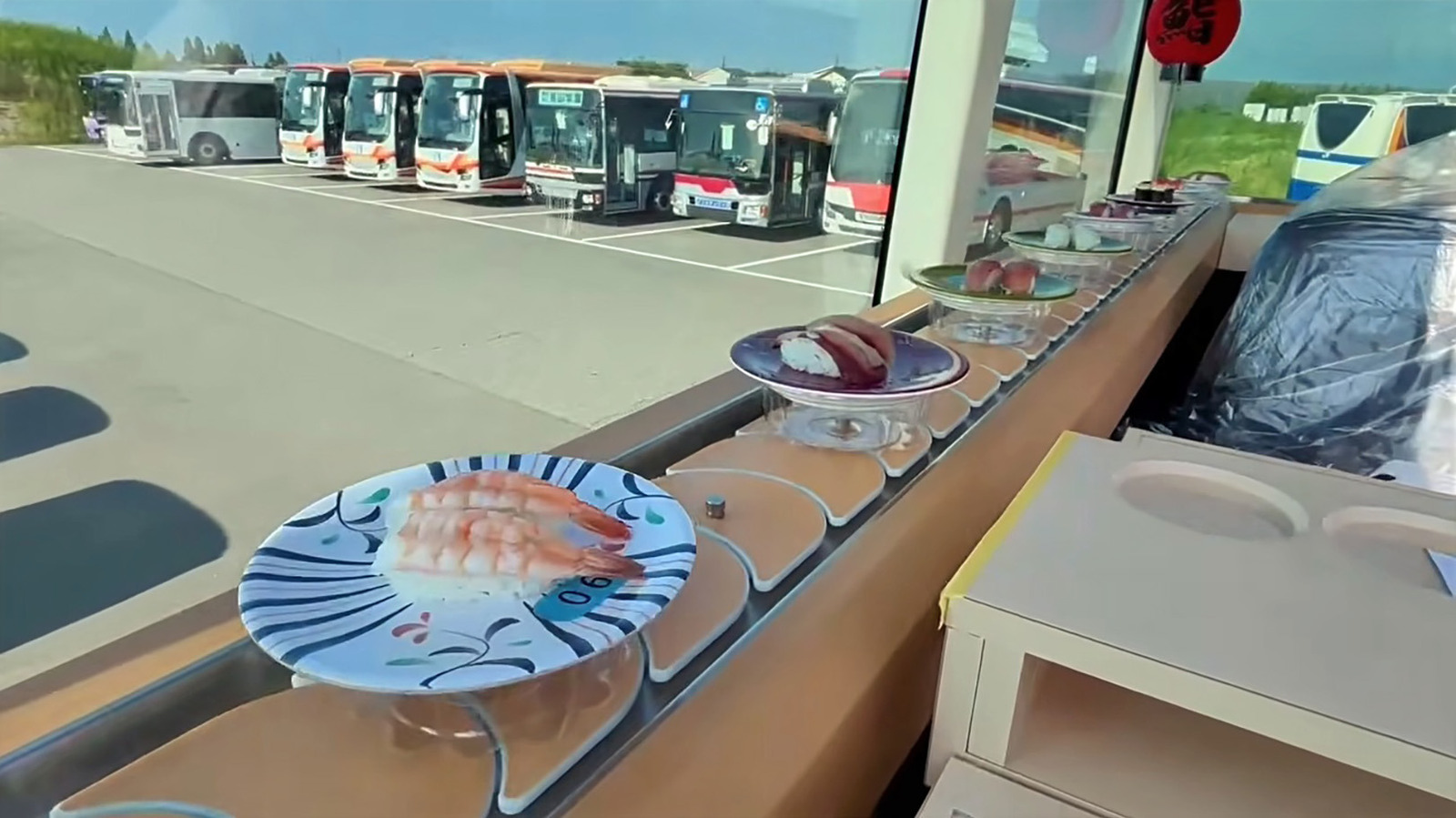
The Sushi Bus is engineered as a bespoke double-decker vehicle, meticulously designed to accommodate its dual function. The first floor houses a fully operational kitchen, where skilled chefs will prepare a variety of fresh sushi and other Japanese delicacies. An innovative elevator system connects this lower-deck kitchen to the second floor, which serves as the primary dining area. This upper deck features a classic conveyor belt system, reminiscent of traditional kaiten sushi restaurants, allowing plates of sushi to circulate continuously past the diners. Passengers will thus enjoy a continuous stream of fresh food while simultaneously taking in the dynamic cityscape through the open-air design of the upper deck. This configuration creates a distinct atmosphere, offering both the communal excitement of conveyor belt dining and the individual wonder of a sightseeing tour.
The initial route for the Sushi Bus is planned as a 70-minute circular journey, departing from the Kajibashi Parking Lot, conveniently located near Tokyo Station. While the final itinerary is still subject to confirmation, reports indicate the route is expected to encompass some of Tokyo’s most iconic districts and landmarks. Potential sights include the upscale shopping streets of Ginza, the vibrant and famously chaotic Shibuya Scramble Crossing, and the historic Kaminarimon Gate in Asakusa, which serves as the entrance to the ancient Senso-ji Temple. This selection of landmarks would offer a comprehensive overview of Tokyo’s diverse character, from its modern, fashion-forward districts to its deeply rooted cultural heritage.
The Genesis of an Idea: Two and a Half Years in Development
The realization of the Sushi Bus has been a complex undertaking, spanning over two and a half years of dedicated research, design, and engineering. A primary challenge, as highlighted by the developers, involved ensuring the stability of the sushi on the conveyor belt system, particularly during the bus’s movement, including sudden stops and turns inherent to urban driving. This required extensive testing and the implementation of specialized design solutions to prevent dishes from dislodging, ensuring both food safety and a seamless dining experience. Engineers likely focused on advanced suspension systems, precision conveyor belt mechanics, and potentially specially designed plates or anti-slip surfaces.
"Our goal was to merge two of Tokyo’s most cherished experiences without compromising on quality or safety," stated a hypothetical spokesperson for the operating company, "Tokyo Fusion Tours" (a name inferred for journalistic context). "The engineering required to keep the sushi stable while providing a smooth ride for passengers, alongside the logistical complexities of operating a full kitchen on a moving vehicle, presented unique challenges. We’ve conducted rigorous simulations and real-world tests to perfect every aspect, from the culinary preparation to the passenger comfort and, crucially, the integrity of the food delivery system." This intensive development period underscores the commitment to delivering a high-quality, reliable, and safe experience for all patrons. Furthermore, the design would have necessitated strict adherence to food hygiene regulations and transportation safety standards, likely involving coordination with various municipal and national authorities.
Operational Details and the Experiential Journey
Upon its launch on October 10, the Sushi Bus will initially operate with a single vehicle, designed to accommodate 20 diners per tour. This limited capacity emphasizes the exclusive and novel nature of the experience. Each tour is priced at 16,000 yen per person, which translates to approximately $101 USD at current exchange rates. This price point positions the Sushi Bus as a premium offering, reflecting the unique combination of all-you-can-eat sushi, a curated sightseeing route, and the novelty of the mobile dining concept. For context, a typical high-quality kaiten sushi meal in Tokyo might cost between 2,000 to 5,000 yen, while a standard hop-on, hop-off sightseeing bus tour could range from 3,500 to 6,000 yen for a full day. The Sushi Bus, therefore, offers a combined, expedited, and distinctively integrated experience that justifies its higher cost through its exclusivity and innovative appeal.
The experience promises to be multi-sensory. As the bus navigates Tokyo’s thoroughfares, diners on the upper deck will witness the city’s iconic architecture, bustling street life, and dynamic energy unfold before them. The open-air setting enhances this visual immersion, allowing for unobstructed views and the ambient sounds of the city. Simultaneously, the rhythmic movement of the conveyor belt, laden with vibrant sushi plates, will engage their culinary senses. The all-you-can-eat format ensures that passengers can sample a wide variety of sushi types, from classic nigiri and maki to more contemporary rolls, prepared fresh in the onboard kitchen. The elevator system, crucial for maintaining kitchen efficiency and continuous replenishment of the conveyor belt, ensures that the dining experience remains uninterrupted.
Tokyo’s Tourism Landscape and the Appeal of Novelty
Tokyo, a global metropolis, has long been a magnet for international tourists, renowned for its blend of futuristic innovation and deep-seated tradition. Prior to the global pandemic, Japan consistently saw record-breaking tourist arrivals, with Tokyo being a primary draw. In 2019, Japan welcomed nearly 32 million international visitors, a number the government aims to surpass in the coming years as tourism recovers. Experiences like the Sushi Bus play a vital role in this recovery strategy, offering unique attractions that differentiate Tokyo in the competitive global tourism market.
The concept of kaiten sushi, or conveyor belt sushi, itself is a testament to Japanese ingenuity, originating in the late 1950s as a means to efficiently serve a large volume of customers. It democratized sushi, making it accessible and entertaining. Similarly, sightseeing buses have been a staple of urban tourism worldwide, providing convenient overviews of major cities. The Sushi Bus takes these two established concepts and elevates them through fusion, appealing to a segment of tourists constantly seeking novel and "Instagrammable" experiences.
The company’s decision to launch with limited capacity and a premium price point suggests a strategic positioning for early adopters and luxury experiential travelers. The inherent novelty is expected to generate significant buzz, particularly through social media, where unique travel experiences often go viral. This organic marketing could be invaluable in establishing the Sushi Bus as a must-try attraction in Tokyo.
Broader Implications and Future Expansion
The launch of the Sushi Bus is not merely an isolated event but signifies a broader trend in the global tourism industry towards highly curated, experiential offerings. As travelers increasingly prioritize unique stories and immersive interactions over generic sightseeing, innovative ventures like this bus are likely to gain traction. It taps into the desire for convenience—combining two activities into one compact timeframe—and the allure of exclusivity.
The operating company has expressed ambitions to expand the Sushi Bus service beyond Tokyo. Plans are reportedly in motion to introduce similar vehicles in other prominent Japanese tourist destinations, including Osaka and Kyoto. These cities offer distinct cultural and historical landscapes that could provide equally compelling backdrops for a mobile sushi dining experience. Osaka, known for its vibrant food scene and lively entertainment districts like Dotonbori, could offer a more boisterous and gastronomically focused tour. Kyoto, with its ancient temples, traditional gardens, and geisha districts, could present a more serene and culturally rich journey. Expanding to these cities would not only diversify the company’s offerings but also allow more visitors to experience this novel concept across Japan’s diverse regions.
Potential Challenges and the Road Ahead
While the Sushi Bus presents an exciting prospect, it will undoubtedly face its own set of challenges. Sustaining the novelty factor beyond the initial launch period will be crucial. Operational complexities, such as maintaining food quality and consistency in a mobile kitchen, managing traffic delays, and ensuring passenger comfort (especially regarding motion sickness for some individuals), will require continuous attention. Weather conditions, particularly rain or extreme temperatures, could also impact the open-air dining experience, necessitating adaptable solutions.
Furthermore, the competitive landscape of Tokyo’s tourism market is fierce. While the Sushi Bus offers a unique niche, it will need to consistently deliver on its promise of a premium, unforgettable experience to secure long-term success. The current global economic climate and fluctuating exchange rates could also influence tourist spending and demand for high-cost experiences.
Despite these potential hurdles, the Sushi Bus stands as a testament to Japan’s enduring spirit of innovation and its commitment to enhancing the visitor experience. It represents a bold and creative approach to tourism, blending culinary art, engineering prowess, and urban exploration into a single, compelling package. As it rolls out onto the streets of Tokyo, the Sushi Bus is poised to become more than just a means of transport or a restaurant; it is an attraction in itself, embodying the dynamic and inventive essence of modern Japan.