Clarissa Hana
A new and previously undocumented malware family, identified as SynkLoader, is currently being distributed through deceptive phishing campaigns leveraging the widely used Microsoft Teams collaboration platform. This malicious software is designed to pilfer sensitive corporate credentials by employing a sophisticated fake lock screen mechanism. The emergence of SynkLoader marks a significant escalation in the tactics employed by cyber adversaries, highlighting the growing threat to enterprise security within collaborative digital environments.
The attackers behind SynkLoader are meticulously impersonating a victim organization’s internal IT help desk. This tactic, which Microsoft itself has flagged as an increasingly prevalent strategy in multi-stage cyberattacks earlier this year, aims to exploit the trust employees place in their IT support personnel. By masquerading as legitimate IT staff, threat actors can more effectively trick unsuspecting users into downloading and executing malicious payloads.
Expel, a cybersecurity firm that has been instrumental in uncovering and analyzing SynkLoader, reports that these phishing attacks direct victims to download a seemingly innocuous executable file presented as a "PowerShell Cleaner." This file, distributed as a Microsoft Installer package (.MSI), is hosted on Microsoft Azure cloud infrastructure. The use of Azure for hosting the malicious payload is a strategic move by the attackers, as it lends an air of legitimacy to the download, making it appear as an official and trustworthy application originating from a reputable cloud provider. This sophisticated social engineering approach significantly lowers the threshold for victims to comply with the download request.

Timeline of Discovery and Initial Analysis
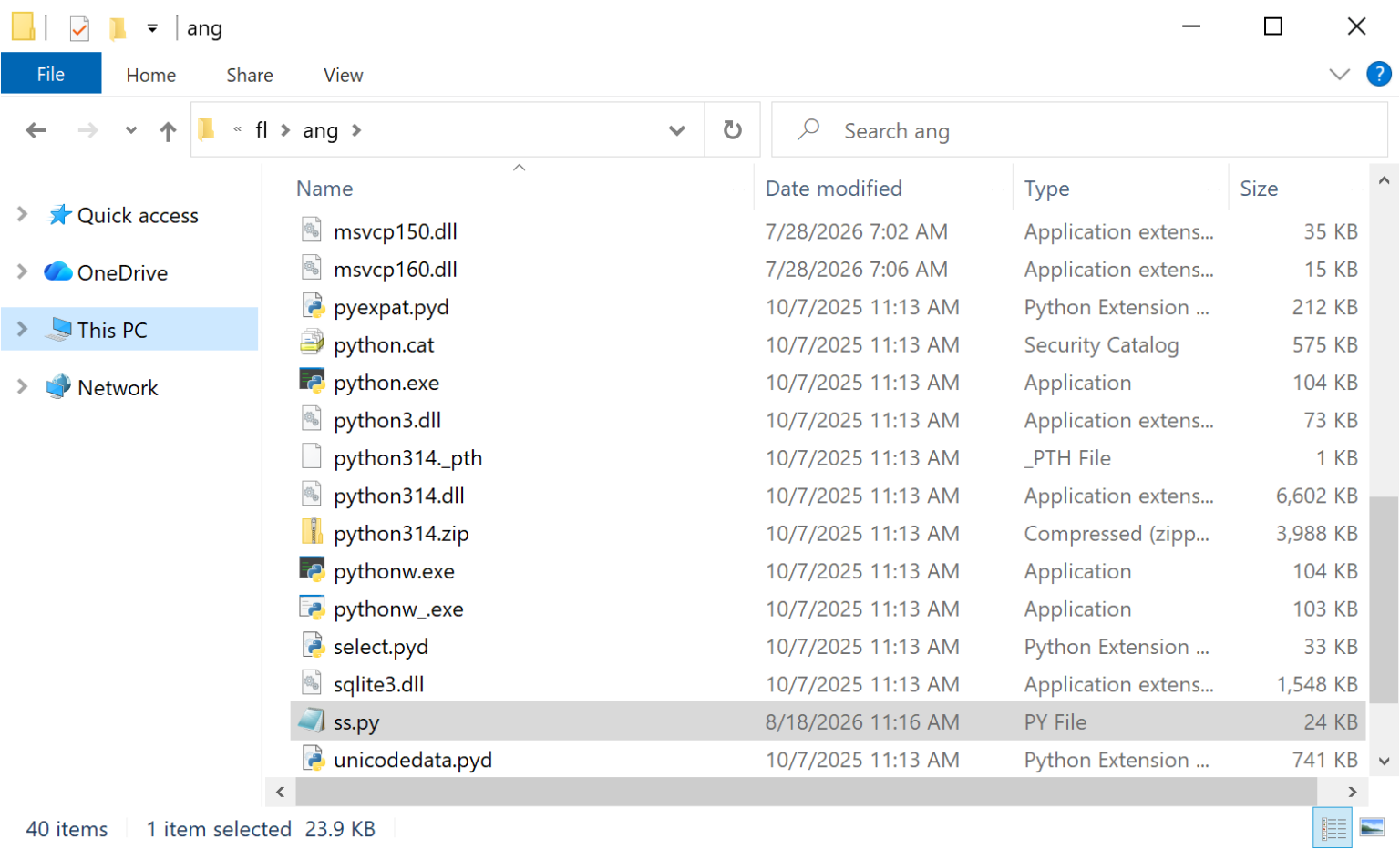
Security researchers at Expel first detected the SynkLoader malware in the wild, with initial analysis of the malware’s compiled code and file timestamps indicating its genesis and first distribution around July 28, 2026. This suggests a relatively recent development in the threat landscape, with attackers actively developing and deploying new tools to circumvent existing security measures.
The installation process initiated by the fake "PowerShell Cleaner" is intricate and multi-layered. Upon execution, the installer unpacks a PowerShell script, identified as cleaner.ps1. This script, in turn, is responsible for extracting the core components of the SynkLoader malware from a ZIP archive. This archive contains a complex framework built using multiple programming languages, including Python, a malicious Python script, pre-compiled Python libraries, and a collection of forged Microsoft runtime Dynamic Link Libraries (DLLs). The use of pre-compiled libraries and fake DLLs is designed to evade detection by security software that might scrutinize the origin and integrity of individual code components.
A Polymorphic Threat: The Multi-Language Approach of SynkLoader

The malware family has been christened "SynkLoader" due to its unusual and technically demanding architecture, which ingeniously blends multiple programming languages within its modules. Researchers have observed the use of Python, PowerShell, C#, and C++ in its construction, with some individual modules even integrating up to three of these languages simultaneously. This multi-language approach not only makes static analysis by security tools more challenging but also allows attackers to leverage the specific strengths of each language for different functionalities, creating a more robust and adaptable threat.
Expel’s researchers were able to gain deeper insight into SynkLoader’s operations by setting up a honeypot designed to mimic a compromised corporate environment. This honeypot actively pinged the attacker’s Command and Control (C2) servers, posing as a legitimate victim. This proactive measure allowed Expel to observe the modules that SynkLoader was prepared to deploy, tailored to specific breach profiles and operational objectives.
Key SynkLoader Modules and Functionalities
While the full spectrum of SynkLoader’s capabilities is still under investigation, Expel has identified several critical modules that contribute to its effectiveness:
- PhishLocker: This is arguably the most distinctive and alarming component of SynkLoader. PhishLocker presents the victim with a convincing, full-screen fake Windows lock screen. The primary objective of this module is to trick the user into entering their Windows account password. The deceptive interface is designed to mimic the genuine Windows login screen, making it difficult for users to distinguish between the real and the fake. Once a password is entered, it is transmitted to the attacker’s C2 server.
- Tunneling Module: The credentials obtained through PhishLocker are crucial for the subsequent stages of the attack. The tunneling module is designed to establish covert communication channels, allowing attackers to access corporate networks from the infected device. A significant implication of this module is its ability to bypass security measures that rely on IP address allow-listing. By using the compromised credentials from within the network, attackers can operate with a seemingly legitimate source IP, evading perimeter defenses.
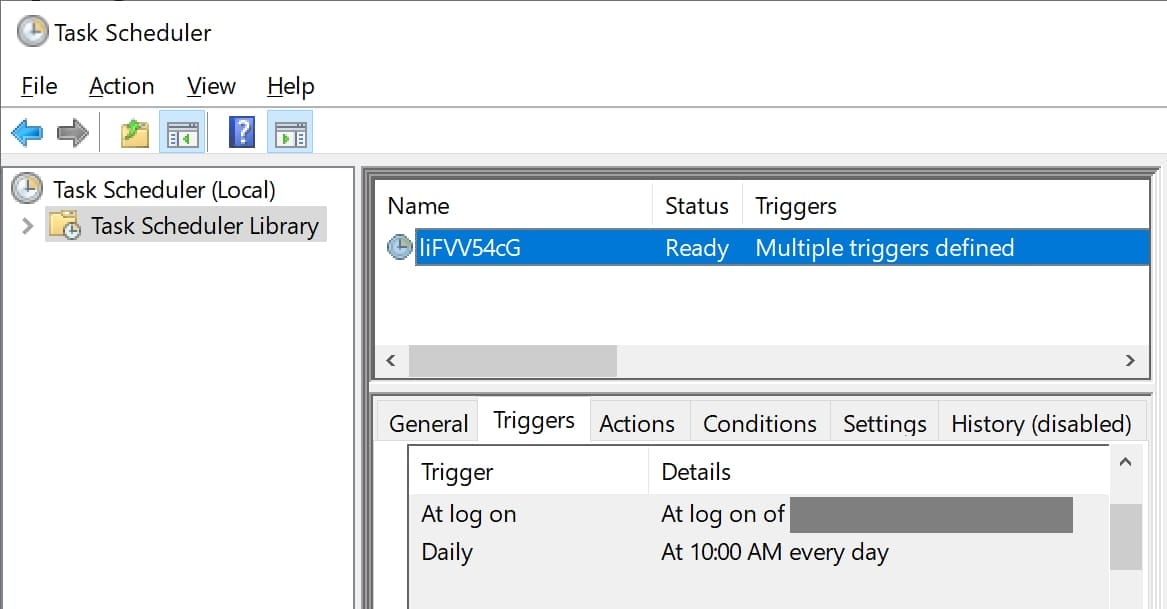
- Persistence Mechanisms: To ensure continued access to the compromised system, SynkLoader employs various methods to establish persistence. This often involves creating malicious scheduled tasks that allow the malware to automatically launch upon system startup or at predefined intervals, even after a reboot. The visual evidence of these malicious tasks, often depicted in security analysis reports, underscores the malware’s intent to maintain a persistent foothold within the victim’s environment.
- Reconnaissance and Profiling Modules: SynkLoader appears to be equipped with modules designed for extensive reconnaissance within the target network. Researchers noted that the threat actor actively attempted to execute profiling commands, a strong indicator that the malware is being used for hands-on-keyboard attacks. The specific focus on measuring the size and scope of Active Directory environments suggests a strategic objective, potentially in preparation for larger-scale attacks such as ransomware deployment.
Bypassing the Deception: Identifying the Fake Lock Screen
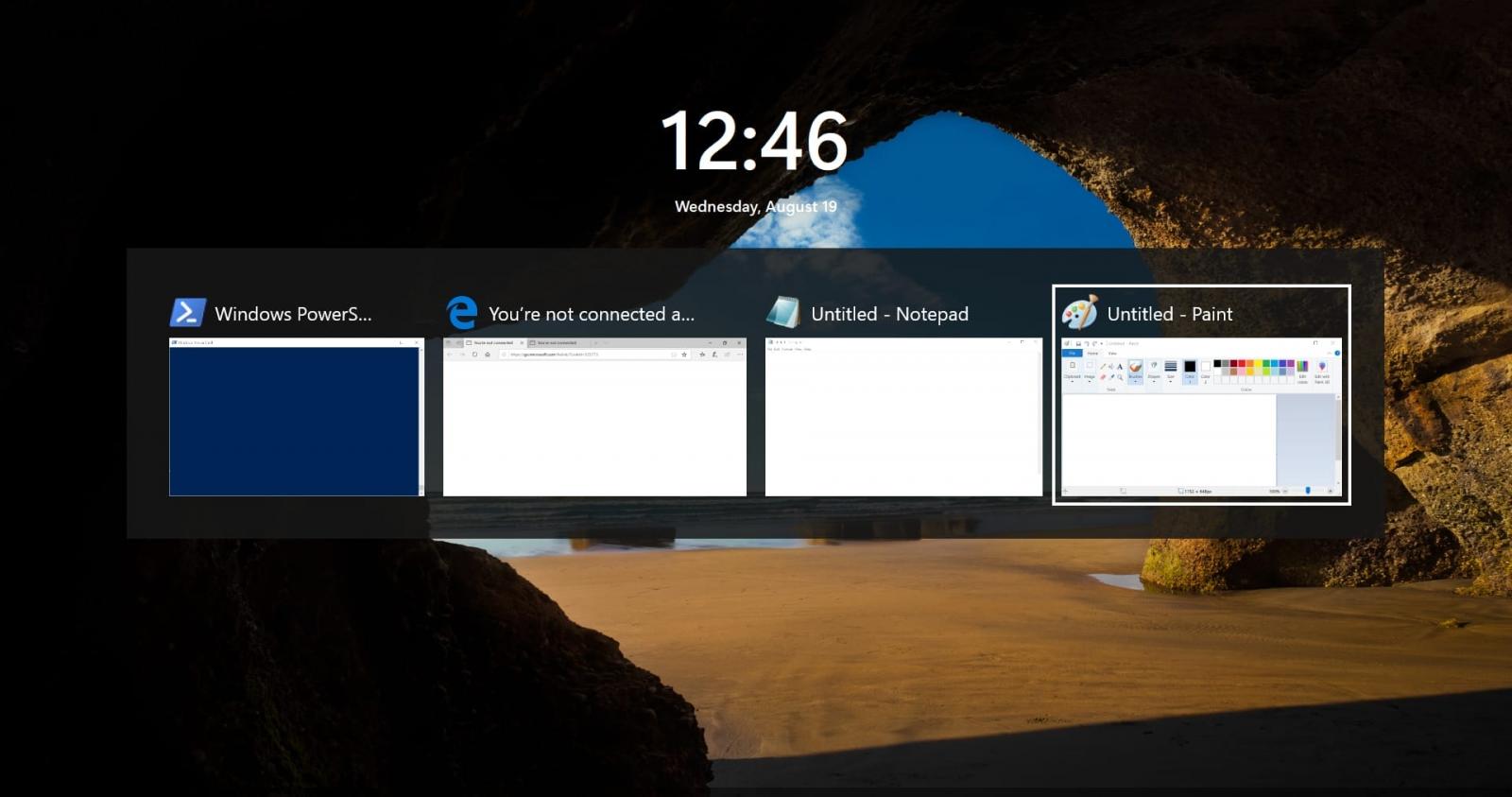
While the PhishLocker module is designed to be highly convincing, Expel researchers have identified a simple yet effective method for users to detect its fraudulent nature. The fake lock screen is essentially a full-screen borderless graphical user interface (GUI) application. This means that standard Windows navigation shortcuts can reveal its true identity. For instance, pressing the Alt + Tab key combination will typically cycle through all open applications, including the deceptive lock screen, making it visible as an overlay rather than an integral part of the operating system’s login process. Similarly, the Ctrl + Alt + Delete command, which brings up the Windows security options, will also often expose the fake lock screen as a distinct application window.
Broader Implications and Potential for Ransomware Operations
The sophisticated nature of SynkLoader, particularly its focus on credential theft and establishing persistent access, strongly suggests its potential use in large-scale ransomware operations. By gaining access to valid corporate credentials and establishing a foothold within an organization’s network, attackers can move laterally, exfiltrate sensitive data, and ultimately deploy ransomware to encrypt critical systems, demanding hefty ransom payments for decryption keys.
Marcus Hutchins, a security researcher at Expel, commented on the potential ransomware connection, stating, "Based on SynkLoader’s focus on measuring Active Directory environment size, it’s likely that it’s used in ransomware operations." He further elaborated on the nature of the observed attacks, noting, "We did end up writing an emulator for the reverse shell module, just to confirm it was actually a hands-on-keyboard attack. The threat actor attempted to run several profiling commands before realizing they were not in a real environment and disconnecting." This confirmation of hands-on-keyboard activity validates the concern that SynkLoader is a precursor to more destructive attacks.
Indicators of Compromise and Defense Strategies
Expel has provided a set of indicators of compromise (IoCs) to aid organizations in detecting and defending against SynkLoader attacks. However, it is important to note that the malware hashes are reported to be unique for each infection. This variability means that signature-based detection methods relying on static file hashes may have limited effectiveness.
Given the nature of these attacks, best practices for defense are paramount:
- Independent Verification of IT Requests: Employees should be trained to independently verify any IT-related requests, especially those involving software installations or credential sharing. This can include calling the IT help desk directly using a known, trusted phone number, or consulting with a supervisor.
- Skepticism Towards Unsolicited MSI Files: Organizations should implement policies that discourage or prohibit the installation of unsolicited Microsoft Installer (.MSI) files received via email or messaging platforms. IT departments should manage software deployments through approved channels.
- User Education on Phishing Tactics: Comprehensive and ongoing user education about phishing techniques, social engineering tactics, and the warning signs of malicious communications is crucial. This includes recognizing impersonation attempts and understanding the risks of downloading executables from untrusted sources.
- Leveraging Endpoint Detection and Response (EDR) Solutions: Advanced EDR solutions are vital for detecting suspicious process behavior, such as the execution of PowerShell scripts from unexpected locations or the creation of unusual scheduled tasks, even if static file hashes are unknown.
- Network Monitoring for C2 Communication: Monitoring network traffic for connections to known malicious IP addresses or domains associated with SynkLoader’s C2 infrastructure can provide early warning.
- Regular Security Awareness Training: Consistent security awareness training that includes simulated phishing exercises can help employees develop a more critical approach to unsolicited communications and unexpected software prompts.
The emergence of SynkLoader underscores a persistent and evolving threat landscape where attackers are continuously refining their methods to infiltrate corporate networks. The convergence of social engineering, multi-language malware development, and cloud infrastructure utilization presents a formidable challenge for cybersecurity professionals. Proactive defense strategies, robust user education, and the implementation of advanced security technologies are essential to mitigate the risks posed by sophisticated threats like SynkLoader. Organizations must remain vigilant and adaptable to stay ahead of these evolving cyber adversaries.