Metty Iskandar
The burgeoning field of artificial intelligence, characterized by rapid advancements and fierce competition among major players like Google’s Gemini and OpenAI’s ChatGPT, is witnessing the emergence of innovative user-driven solutions. One such development is the community-created "I Have ADHD" skill for Anthropic’s Claude AI. Initially gaining traction within online communities such as Reddit, this custom skill has garnered significant attention for its purported ability to streamline Claude’s responses, making them more direct, concise, and easier to digest, particularly for users with neurodivergent conditions or those who simply prefer a no-nonsense approach to information delivery. The adoption and potential impact of such community-led enhancements highlight a growing trend of user customization in AI interfaces, aiming to tailor these powerful tools to individual cognitive styles and workflow requirements.
The Appeal of Claude and the Genesis of the "I Have ADHD" Skill
While various large language models (LLMs) like Gemini and ChatGPT offer extensive capabilities, Claude has carved out a distinct niche. Users often praise its superior session memory and recall, which are crucial for longer, more complex projects. Furthermore, many find Claude’s conversational style to be more "human-like," fostering a sense of genuine collaboration rather than mere subservience. However, this human-like quality can sometimes manifest as verbosity, including unnecessary preamble, what some users describe as "preaching," and lengthy explanations that deviate from the core query. This tendency, while not inherently negative, can be a point of friction for users seeking rapid access to key information.
The "I Have ADHD" skill emerged as a direct response to this perceived characteristic. Developed by the community, it aims to address the challenges of information overload and the need for highly structured, scannable content. The core principle behind the skill is to cut through extraneous details, prioritize crucial information at the outset of a response, and implement other subtle adjustments designed to enhance comprehension for individuals with attention-deficit hyperactivity disorder (ADHD) or anyone who benefits from a more direct communication style. This community-driven innovation underscores the adaptive nature of AI interaction, where users actively shape their tools to better fit their needs, moving beyond the provider’s initial design parameters.
Installation and Implementation: A Seamless Integration
The process of integrating the "I Have ADHD" skill into Claude is reportedly straightforward, requiring minimal technical expertise. For users of Claude Chat, the primary chatbot interface, the installation involves downloading a specific file, skill.md, from the project’s official GitHub repository. Once downloaded, users navigate to the "Customize" section within Claude Chat’s left-hand panel. This area displays any existing custom skills. By clicking the "Add" button, a pop-up window appears, allowing users to either drag and drop the downloaded skill.md file or select it through a file browser.
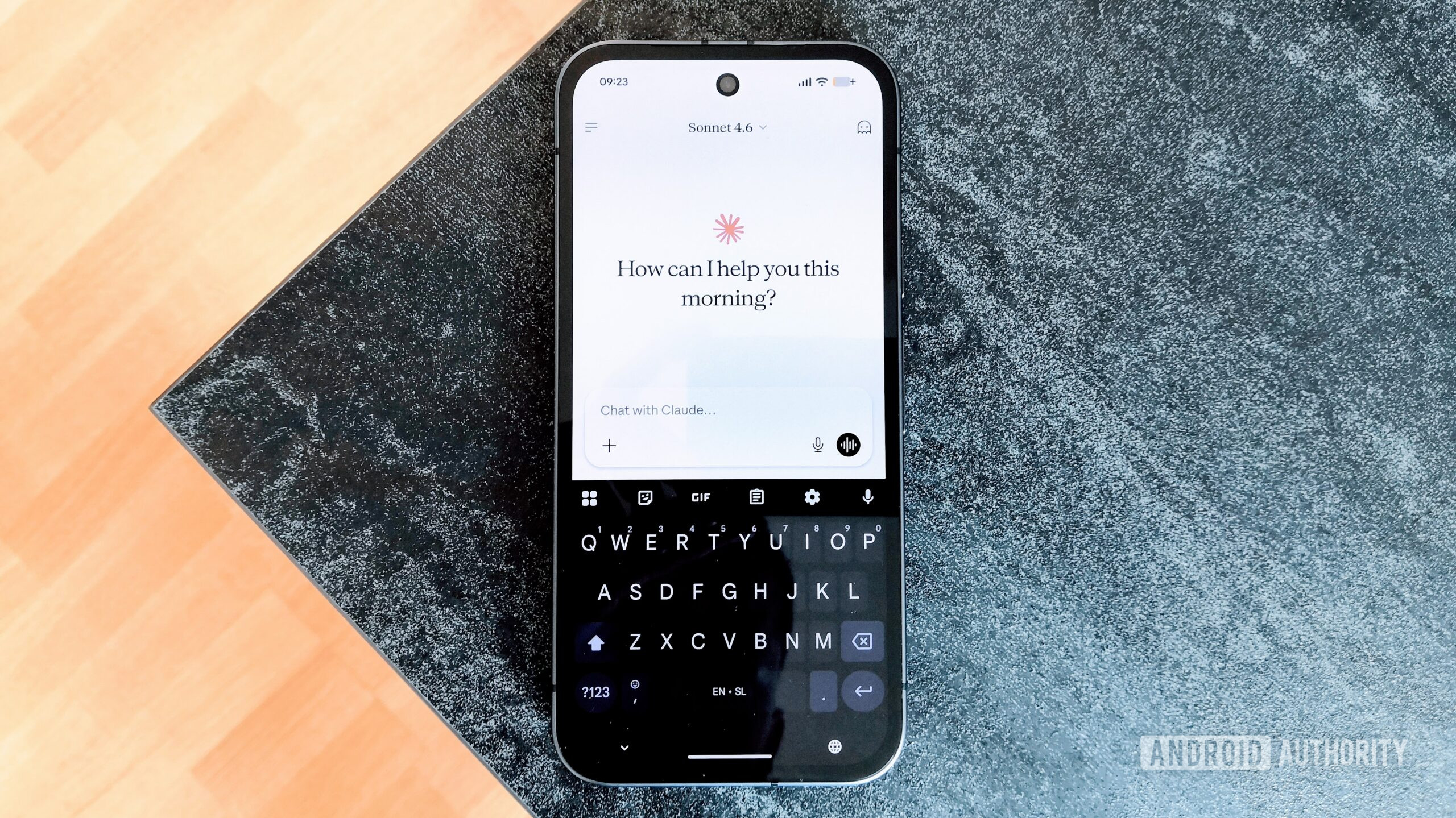
Following these steps, the skill is added to the user’s repertoire. To activate it for a given conversation session, users simply need to preface their prompts with /i-have-adhd. This command is designed to remain active for the duration of the chat, eliminating the need for repeated activation within the same session. This user-friendly approach ensures that the benefits of the skill are readily accessible without disrupting the flow of conversation.
For users of Claude Code, the process involves a slightly different, command-line-based installation. This method is typically favored by developers and those who prefer terminal-based interactions. The initial step involves adding the skill’s repository to Claude’s plugin marketplace by executing the command claude plugin marketplace add ayghri/i-have-adhd in the terminal. After the system acknowledges the addition, the skill is installed with the command claude plugin install i-have-adhd@i-have-adhd. It is often recommended to restart Claude Code after this installation to ensure all changes are properly applied. Similar to Claude Chat, users must type /i-have-adhd before their queries to engage the skill’s enhanced response formatting within a Claude Code session. The ease of installation across both platforms suggests a well-thought-out design that caters to a diverse user base.
The "I Have ADHD" Skill’s Core Tenets and Impact on Response Generation
The effectiveness of the "I Have ADHD" skill lies in its adherence to a set of guiding principles that fundamentally alter how Claude processes and presents information. While the original article excerpt does not fully detail these rules, the underlying philosophy aims to create a more digestible and less overwhelming output. Typical modifications include:
- Prioritizing Key Information: Placing the most critical details at the beginning of the response, allowing users to grasp the main point quickly.
- Conciseness: Eliminating redundant phrases, filler words, and unnecessary elaborations that can detract from the core message.
- Structured Formatting: Employing bullet points, numbered lists, and clear paragraph breaks to enhance readability and facilitate skimming.
- Direct Language: Opting for straightforward and unambiguous phrasing, avoiding jargon or overly complex sentence structures where simpler alternatives exist.
- Minimizing Preamble: Significantly reducing or entirely removing introductory sentences that do not directly contribute to answering the query.
The impact of these changes is evident when comparing a standard Claude response with one generated using the "I Have ADHD" skill. Without the skill, Claude’s output, especially for complex queries, might present a large block of text, potentially including infographics or detailed background information that, while valuable in certain contexts, can be overwhelming for users seeking immediate clarity. In contrast, the skill-modified response is designed to be immediately actionable. For instance, when asked about a philosophical concept, a standard response might begin with a broad historical overview, followed by nuanced explanations. The "I Have ADHD" version, however, would likely start with a direct definition and the core problem the concept addresses, with further details presented in a more organized and accessible manner. This structured approach aids in information retention and reduces cognitive load, making the AI a more efficient tool for learning and task completion.
Analyzing the Implications: Accessibility, Efficiency, and the Future of AI Customization
The widespread adoption and positive reception of the "I Have ADHD" skill by users suggest a significant unmet need for more personalized AI interactions. This development has several key implications:
Enhanced Accessibility: For individuals with ADHD or other neurodevelopmental conditions that affect executive functions like attention and organization, this skill represents a powerful tool for overcoming barriers to information processing. By adapting the AI’s output to a more digestible format, it democratizes access to AI’s capabilities, making it a more inclusive technology. This aligns with broader trends in assistive technology, where digital tools are increasingly being adapted to meet diverse user needs.
Increased Efficiency and Productivity: Beyond its specific application for ADHD, the skill’s emphasis on conciseness and directness can benefit any user seeking to maximize their efficiency. In professional settings, where time is often a critical factor, AI tools that deliver information swiftly and clearly can lead to substantial productivity gains. The observation that users may consume their usage caps more slowly with the skill activated further supports its role in optimizing resource utilization within AI platforms.
The Rise of User-Driven AI Customization: The success of the "I Have ADHD" skill exemplifies a growing movement towards user-driven customization of AI models. As AI becomes more integrated into daily workflows, users are increasingly seeking ways to tailor these tools to their unique preferences and cognitive styles. This trend challenges the traditional top-down approach to software development, suggesting a future where AI platforms are more open to community-created extensions and modifications. This can foster a more dynamic and responsive AI ecosystem, where innovation is not solely driven by developers but also by the ingenuity of the user base.
Potential for Broader Application: While the skill is named "I Have ADHD," its core principles of clarity, conciseness, and structure have universal appeal. It’s plausible that similar "skills" or customization options could be developed for other cognitive preferences or professional disciplines. This could include skills focused on deep dives into technical documentation, highly creative brainstorming, or rapid summarization of complex legal texts, among others. The underlying technology that enables such modular customization could pave the way for a highly personalized AI experience across a wide range of applications.
In conclusion, the community-developed "I Have ADHD" skill for Claude AI represents more than just a niche solution; it is a testament to the evolving relationship between humans and artificial intelligence. It highlights the power of community innovation in addressing specific user needs and points towards a future where AI tools are not only powerful but also highly adaptable and accessible to everyone. The ease of implementation and the tangible benefits observed by users suggest that this type of user-driven customization will become increasingly important as AI continues its integration into the fabric of our digital lives.